How to Dry Homemade Pasta for Perfect Results

Dry homemade pasta in a single layer with steady airflow until it feels firm and no longer sticky. For stuffed or egg-rich pasta, freezing is often safer than long drying.
If you want to know how to dry homemade pasta, the short answer is simple. Lay it out in a single layer, let air move around it, and dry it until it feels firm and no longer sticky.
Drying helps pasta keep its shape, cook more evenly, and store better. The best method depends on the pasta shape, your room conditions, and how soon you plan to cook it.
- Airflow matters: Pasta dries best when pieces do not touch.
- Shape changes the method: Long noodles dry easier than filled pasta.
- Check the feel: Dry pasta should be firm, matte, and not tacky.
- Store only fully dry pasta: Use airtight containers after drying is complete.
- Freeze when needed: Filled or egg-rich pasta often keeps better frozen.
What “How to Dry Homemade Pasta” Really Means
Drying homemade pasta means removing enough surface moisture so the pasta does not clump, mold, or stick together. It is not the same as making fully shelf-stable dried pasta from a factory.
For most home cooks, drying is about two things. You may want to cook the pasta later that day, or you may want to store it for a short time.
Why drying matters before cooking or storing
Fresh pasta can stick fast if you pile it up too soon. Drying gives each strand or shape a better chance to hold its form.
It also helps with storage. Pasta that is still damp can spoil or turn gummy in a container.
Drying time varies by shape, thickness, humidity, and airflow. A thin noodle dries much faster than a stuffed pasta.
Fresh pasta vs. dried homemade pasta
Fresh pasta cooks quickly and has a soft bite. Dried homemade pasta usually firms up more and can store longer.
That said, not every homemade pasta should be dried for long storage. Egg-rich dough, stuffed pasta, and very thick shapes often work better with short drying or freezing.
The Best Way to Dry Homemade Pasta at Home
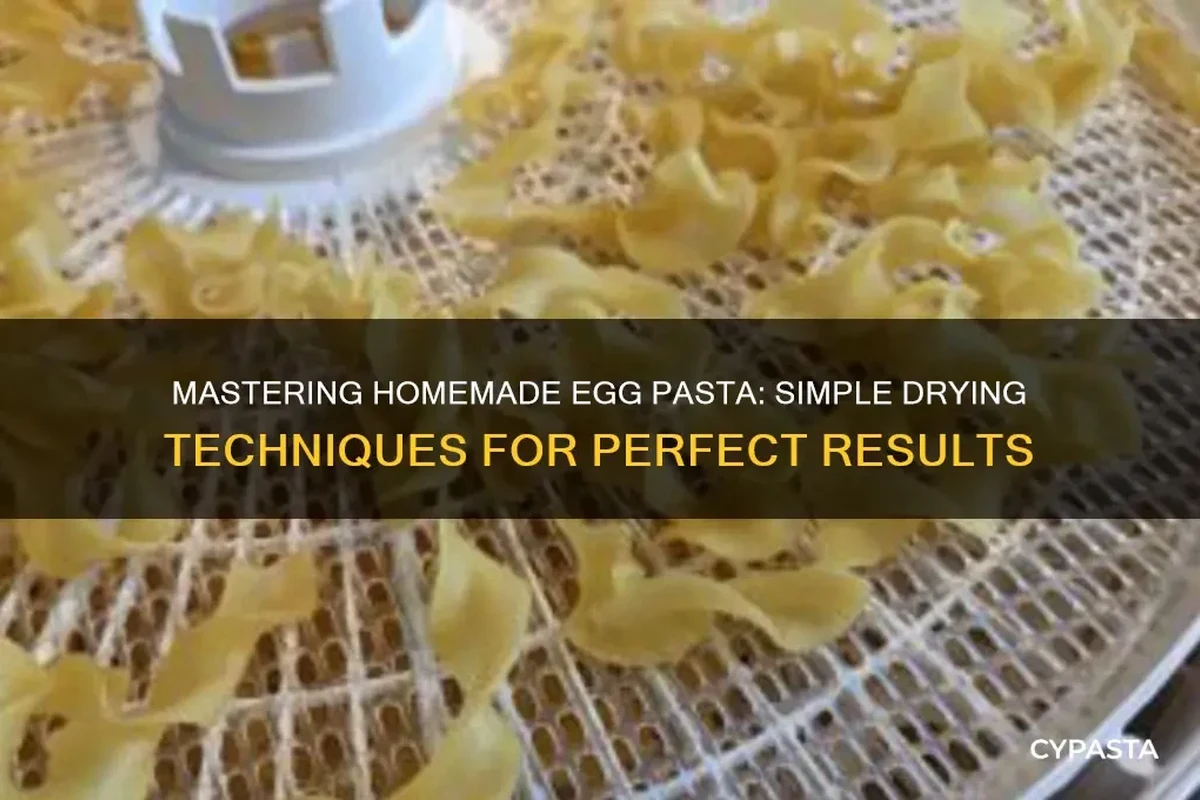
The best home method is usually the simplest one. Give the pasta space, use clean air flow, and avoid heat that dries the outside too fast.
Step-by-step drying method for long noodles
Dust lightly with flour and keep strands from touching.
Use a rack, clean rod, or tray with space around each strand.
Leave the pasta at room temperature until the surface feels dry.
Make sure strands are not sticking where they touch the rack.
For long noodles like fettuccine or spaghetti, a drying rack works well. If you do not have one, you can drape the strands over the back of a clean chair or a wooden spoon handle.
Keep the setup away from steam, pets, and busy counter traffic. Pasta dries best when it can sit untouched.
How to dry stuffed or shaped pasta
Stuffed pasta needs extra care because the filling can change the drying time. Ravioli, tortellini, and similar shapes often need only a short rest.
Place them in a single layer on a floured tray or parchment-lined sheet. Do not stack them.
Stuffed pasta can spoil faster than plain pasta. If it will not be cooked soon, freeze it instead of letting it sit too long.
How long pasta should dry before use
There is no single perfect time. Small shapes may be ready in under an hour, while thicker noodles may need several hours.
If you want to cook the pasta the same day, you often only need to dry it until the outside is firm. For storage, you need more drying time, but the exact window depends on the recipe and room conditions.
Many pasta makers dry fresh pasta just long enough to prevent sticking before cooking it later the same day.
What You Need for Drying Pasta Successfully
You do not need fancy gear to dry pasta well. You mainly need a clean, dry place with good airflow.
Simple tools and kitchen setup
Flour or semolina
Drying rack or tray
Parchment paper
Clean kitchen towel
A small kitchen can still handle pasta drying. You just need to plan your space before you start rolling and cutting.
Best surfaces, racks, and trays
Wooden racks, clean trays, and parchment-lined sheets all work well. The key is to keep the pasta from touching wet or sticky surfaces.
If you use a tray, leave space between pieces. If you use a rack, make sure it is stable and easy to clean.
- Use a light dusting of flour, not a heavy coating.
- Keep pasta in one layer for faster, even drying.
- Move trays only after the pasta firms up.
Choosing the right pasta shape for drying
Long, open shapes dry the easiest. Think spaghetti, linguine, tagliatelle, or pappardelle.
Thick, filled, or twisted shapes need more care. They can trap moisture, so they often need more time or a different storage plan.
How to Tell When Pasta Is Dry Enough
The best test is simple. The pasta should feel dry on the outside and should not bend like wet dough.
Signs your pasta is ready to store
Ready pasta feels firm and light. It should not stick together when you lift a strand or shape.
It should also look matte, not shiny or damp. If you tap it gently, it should feel more rigid than fresh dough.
Signs it still needs more time
If the pasta bends easily, it needs more drying. If it feels cool and tacky, it is not ready yet.
Sticky spots are another clue. That means moisture is still trapped inside or on the surface.
Pasta sticks together after drying.
Separate the pieces, add a little more airflow, and dry in a single layer.
How humidity and room temperature change drying time
Warm, dry rooms speed things up. Cool or humid rooms slow the process down.
If your kitchen feels damp, pasta may need extra time before storage. In humid weather, freezing can be a safer choice for filled pasta.
Common Mistakes That Ruin Homemade Pasta
Most pasta drying problems come from crowding, rushing, or storing too soon. The good news is that these mistakes are easy to avoid.
Overcrowding strands or shapes
When pasta touches too much, it sticks. Once it sticks, the surface dries unevenly.
Give each piece room. That small step makes a big difference.
Drying pasta too fast or too slowly
Too much heat can dry the outside before the inside catches up. That can lead to cracks or odd texture.
Too little airflow can leave pasta damp for too long. That raises the risk of clumping or spoilage.
- Use steady room-temperature airflow.
- Check the pasta once or twice during drying.
- Keep pieces separated.
- Do not use strong heat from an oven or heater.
- Do not pile warm pasta in a bowl.
- Do not seal damp pasta in a container.
Storing pasta before it is fully dry
This is one of the most common mistakes. Damp pasta in a sealed container can turn sticky or unsafe to keep.
If you are unsure, let it dry a little longer. When in doubt, cook it the same day or freeze it.
How to Store Dried Homemade Pasta Safely
Storage depends on how dry the pasta is and what ingredients you used. Plain dried pasta stores more easily than egg-rich or filled pasta.
Short-term storage for same-day cooking
If you plan to cook the pasta later that day, you can often leave it on a tray or rack for a few hours. Cover it loosely if needed, but do not trap moisture.
Keep it in a cool, dry spot until cooking time.
Longer storage in airtight containers
Once pasta is fully dry, you can store it in an airtight container. Use a clean jar, box, or bag that seals well.
Before sealing, make sure there is no soft or damp feel left in the pasta. If you see any moisture, give it more time.
When to refrigerate or freeze instead
Refrigerate or freeze pasta when the dough has eggs, cheese, meat, or moist filling. These ingredients raise the need for careful storage.
Freezing is often the safer choice for stuffed pasta and for batches you will not use soon.
Follow food-safety guidance for egg-based and filled pasta. If pasta smells off, feels slimy, or shows mold, discard it.
Benefits, Limits, and Cost of Drying Pasta at Home
Drying pasta at home can be very useful. It can also be a little tricky if you expect it to work like store-bought dried pasta.
Why home drying can save time and reduce waste
Drying lets you make pasta ahead of time. That can help on busy nights when you want dinner ready fast.
It also helps you use a larger batch without cooking it all at once. That can cut waste and make meal prep easier.
When drying is not the best choice
Drying is not ideal for every pasta. Very delicate shapes, rich fillings, and egg-heavy dough may do better with quick cooking or freezing.
If your kitchen is humid or crowded, drying may take too long to be practical.
Budget-friendly tools and value tips
You do not need an expensive pasta setup to get good results. A tray, parchment, and a clean drying spot are often enough.
If you make pasta often, a simple drying rack can save space and help with airflow. Choose the tool that fits your kitchen, not the fanciest one on the shelf.
Final Recommendation: The Easiest Drying Method for Most Home Cooks
For most people, the easiest answer is this. Use a rack or tray, keep the pasta in one layer, and let it air-dry until firm.
That approach works well for long noodles and for short-term storage. It is simple, low-cost, and easy to manage in a home kitchen.
Best approach for beginners
If you are new to pasta making, start with long noodles and a tray or rack. They are the easiest shapes to dry evenly.
Keep the process slow and simple. That gives you more control and fewer sticky surprises.
Best approach for advanced pasta makers
If you make pasta often, you may want a dedicated rack or a larger drying setup. That helps when you work in bigger batches.
Advanced cooks may also freeze filled pasta more often. That can be the safer and smarter move for delicate shapes.
When to dry, when to cook fresh, and when to freeze
Dry it when you want short-term storage or a firmer texture. Cook it fresh when you want the softest bite and the fastest meal.
Freeze it when the pasta is filled, egg-rich, or likely to sit too long. In short, the best method depends on the dough, the shape, and your schedule.
- Dry pasta in a single layer with good airflow.
- Use short drying for same-day cooking.
- Freeze filled or egg-rich pasta when storage is uncertain.
- Store only fully dry pasta in airtight containers.
Frequently Asked Questions
It depends on the shape, thickness, and room conditions. Thin noodles may dry in under an hour, while thicker pasta can take several hours.
Yes, plain pasta can often dry overnight if the room is cool and dry. Check that it feels firm and not sticky before storing it.
Stuffed pasta usually needs only a short rest before cooking. If you are not cooking it soon, freezing is often the safer choice.
It should feel dry, firm, and no longer tacky. If it bends easily or feels cool and sticky, give it more time.
Store fully dry pasta in an airtight container in a cool, dry place. If the pasta still feels damp, keep drying it before sealing.
Freeze pasta with eggs, cheese, meat, or moist filling if you will not cook it soon. Freezing is often better than long drying for delicate or filled shapes.