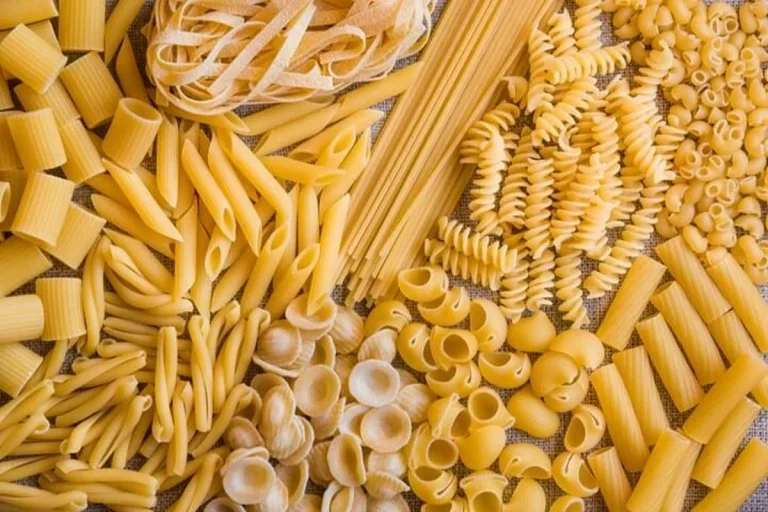
How Much Protein Is in Pasta A Simple Nutrition Guide

Regular pasta has some protein, but it is usually not a high-protein food. If you want more, choose whole wheat or legume pasta, or add meat, beans, or cheese.
Pasta does contain protein, but not a lot compared with meat, beans, or tofu. A typical serving of regular pasta gives you about 7 to 8 grams of protein, while higher-protein types can give you much more.
- Regular pasta: Usually gives about 7 to 8 grams per serving.
- Best upgrades: Whole wheat, chickpea, and lentil pasta often give more protein.
- Label tip: Check dry serving size, not cooked bowl size.
- Meal balance: Pasta works best with a stronger protein food.
- Easy fix: Add meat, beans, cheese, tofu, or yogurt sauce.
How Much Protein Is in Pasta? The Quick Answer
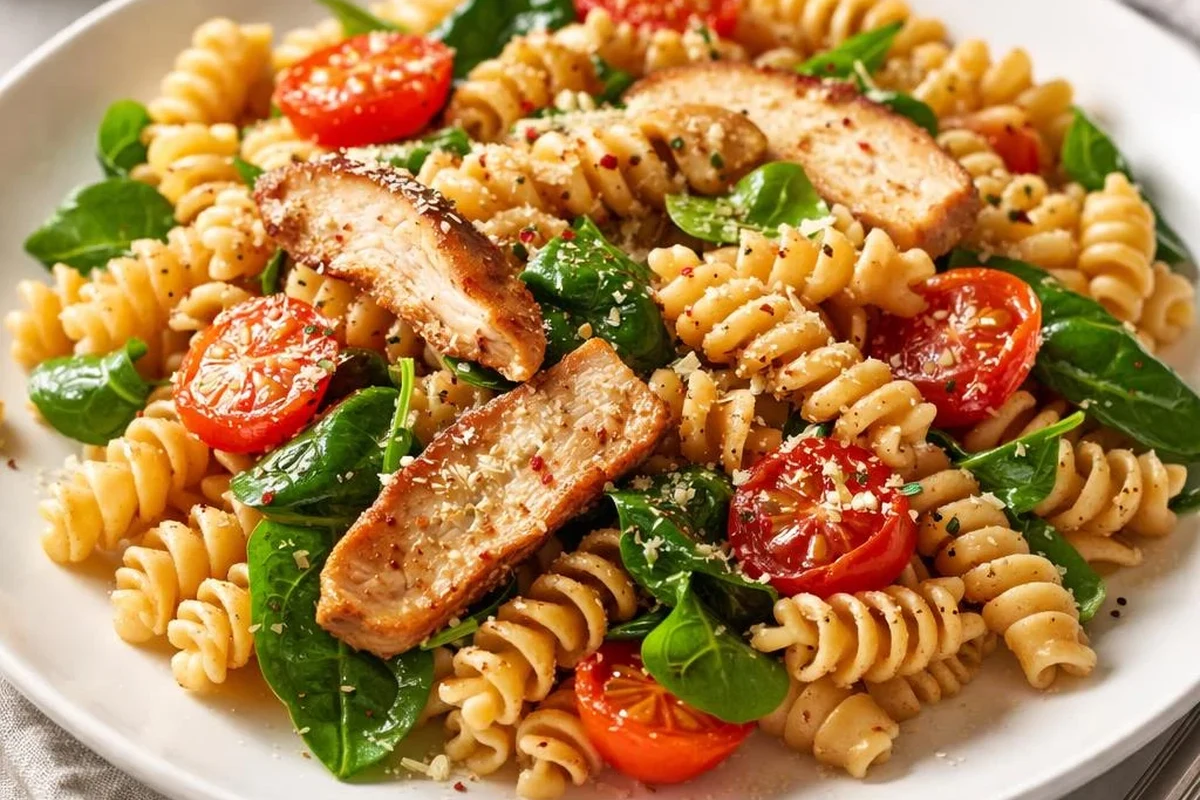
If you’re asking how much protein is in pasta, the short answer is this: regular pasta gives a modest amount, not a big one. For most dry wheat pasta, one standard serving lands around 7 to 8 grams of protein.
That number can rise or fall based on the type of pasta, the brand, and the serving size. Cooked pasta also looks larger, so it’s easy to think you’re eating more protein than you really are.
Protein in common pasta types
Here’s a simple way to think about it. Traditional wheat pasta usually gives a moderate amount of protein, while specialty pastas can give more.
| Type of pasta | Typical protein level | What to expect |
|---|---|---|
| Regular wheat pasta | Moderate | Usually around 7 to 8 grams per serving |
| Whole wheat pasta | Moderate to slightly higher | Often a bit more protein and fiber |
| Egg pasta | Moderate | Can be a little higher, depending on the recipe |
| Chickpea or lentil pasta | High | Often much higher than standard pasta |
These numbers vary by brand and shape. Always check the label if protein matters to you.
Why the number changes by shape and brand
Pasta shape does not change protein much by itself. The bigger difference comes from the flour blend and the way the pasta is made.
Some brands use more semolina. Others add eggs, legumes, or extra wheat protein. That’s why two boxes that look alike can have different nutrition facts.
Dry pasta absorbs water as it cooks, so the cooked serving weighs more, but the protein grams stay the same.
What Affects Pasta Protein Content
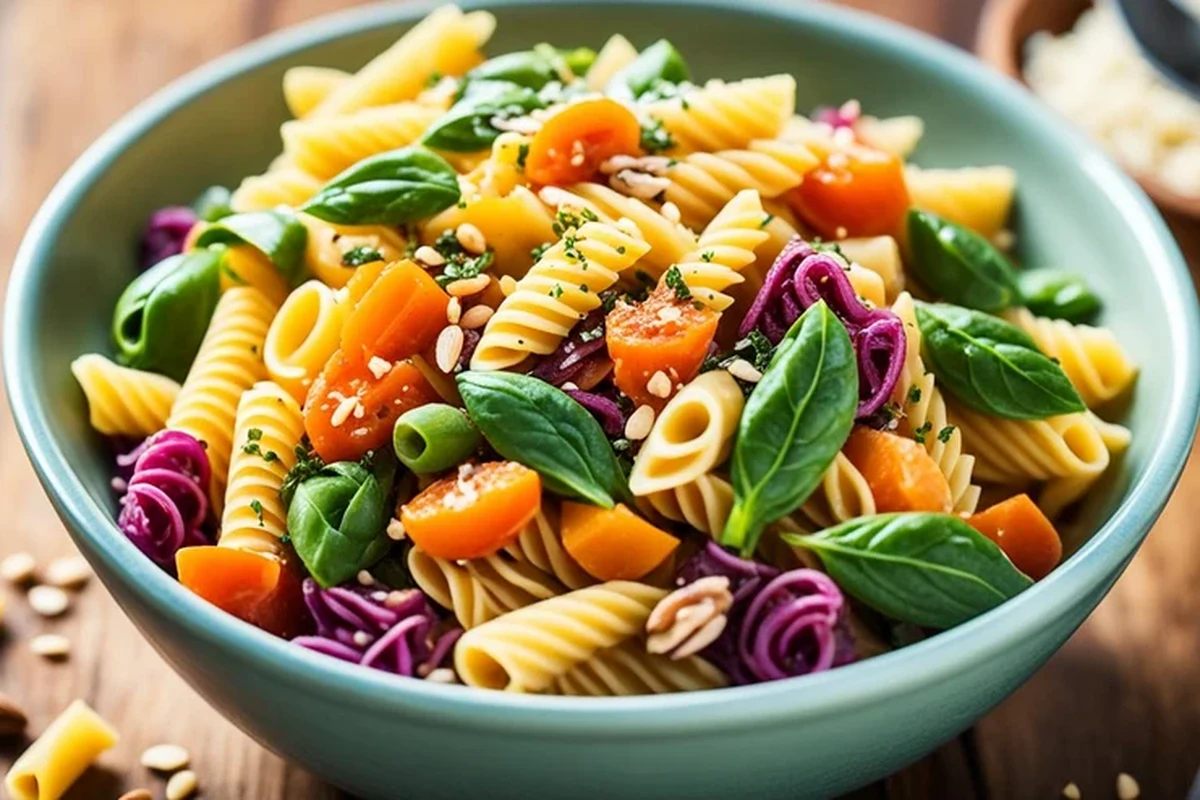
Not all pasta is made the same way. The grain, added ingredients, and serving size all change the final protein count.
Wheat pasta vs whole wheat pasta
Regular wheat pasta usually comes from refined wheat flour or semolina. It has a decent protein amount, but it is not very high.
Whole wheat pasta often has a little more protein. It also keeps more of the grain, so it usually has more fiber too. That can help you feel fuller after a meal.
Whole wheat pasta can taste nuttier and feel firmer. Some people love that. Others prefer the softer bite of regular pasta.
Egg pasta, chickpea pasta, and lentil pasta
Egg pasta can raise the protein count a bit because eggs add protein. Still, the total often stays close to regular pasta unless the recipe uses a lot of egg.
Chickpea pasta and lentil pasta are different. They often have much more protein because beans naturally carry more protein than wheat.
These options can be a smart pick if you want pasta to play a bigger role in your meal. Just know the taste and texture can change a lot.
Best for classic taste and familiar texture.
Best for higher protein and more fiber.
Good middle ground for richer flavor.
How serving size changes the total
Serving size matters a lot. A small bowl of pasta may have only a few grams of protein, while a larger plate can double that amount.
Most labels list dry pasta, not cooked pasta. That can confuse people, because cooked pasta looks much bigger on the plate.
Nutrition labels can be misleading if you compare cooked pasta to dry label numbers. Check the serving size first, then compare grams of protein.
How Pasta Protein Fits Into a Healthy Meal
Pasta can be part of a balanced meal. On its own, though, it usually does not give enough protein for many people.
Why pasta alone is not a full protein source
Regular pasta gives some protein, but not a lot. It also does not have the full mix of nutrients many people want from a main protein food.
That means pasta works better as a base than as the star protein. Think of it like the stage, not the whole show.
Easy ways to boost protein in a pasta bowl
You do not need a fancy recipe to raise the protein. A few simple add-ins can make a big difference.
Good ways to boost a bowl include:
- Add grilled chicken or turkey for a simple protein lift.
- Mix in beans or lentils for plant-based protein and fiber.
- Stir in cottage cheese or ricotta for a creamy finish.
- Top with tuna, salmon, or shrimp for a fast dinner.
- Use a sauce made with milk, yogurt, or cheese.
Best pairings for lunch, dinner, and meal prep
For lunch, pasta pairs well with leftovers like chicken, beans, or roasted vegetables. That gives you more balance without much extra work.
For dinner, pasta and meat sauce is a classic for a reason. It gives you carbs for energy and protein for satiety.
For meal prep, pasta holds up well with sturdy sauces. Pesto, tomato sauce, and bean-based sauces usually reheat better than delicate cream sauces.
- Cook extra protein on the side for easy pasta bowls.
- Use a little less pasta and more protein-rich toppings.
- Choose sturdy sauces if you plan to reheat later.
Nutrition Benefits and Limits of Pasta Protein
Pasta has a place in a healthy diet. The key is knowing what it does well and where it falls short.
What pasta does well for energy and fullness
Pasta gives your body carbs, which are a fast fuel source. That makes it useful before a busy day or after a long one.
It can also feel filling, especially when you add fiber, protein, and healthy fat. A pasta bowl with vegetables and protein often satisfies better than plain pasta.
Where pasta falls short for muscle and recovery
If your goal is muscle repair or post-workout recovery, pasta by itself is usually not enough. You need more protein than regular pasta normally provides.
That does not mean pasta is bad. It just means you should pair it with a stronger protein source when recovery matters.
Who may want a higher protein pasta option
Higher protein pasta can help people who want more protein without changing dinner too much. It may be useful for athletes, busy parents, or anyone trying to make meals more filling.
It can also help picky eaters. If someone already likes pasta, a higher protein version can be an easy swap.
How to Read Pasta Labels the Right Way
Label reading is where many people get tripped up. The front of the box may sound healthy, but the nutrition panel tells the real story.
Serving size, dry weight, and cooked weight
Start with the serving size. Most pasta labels list a dry amount, not a cooked bowl.
Cooked pasta weighs more because it absorbs water. That means the protein grams stay the same, even though the portion looks bigger.
Protein grams, fiber, and ingredient list clues
Protein grams matter, but fiber matters too. A pasta with more fiber may help you feel full longer.
Check the ingredient list for clues. Wheat, eggs, chickpeas, lentils, and added protein ingredients can all change the final number.
- Check protein per serving, not per package
- Compare dry serving sizes across brands
- Look at fiber and ingredient list too
Common label mistakes to avoid
One common mistake is comparing cooked pasta in one bowl to dry pasta on a label. That makes the protein look higher than it really is.
Another mistake is assuming all “healthy” pasta has lots of protein. Some products focus more on fiber or whole grains than protein.
Best Pasta Choices for More Protein
The best pasta choice depends on your goal. Some people want the classic taste. Others want more protein per bite.
Traditional pasta vs protein pasta
Traditional pasta usually wins on taste and texture for most people. It is familiar, flexible, and easy to use in almost any recipe.
Protein pasta often gives you more protein, but the texture can be firmer or a little different. That trade-off matters if you’re serving kids or picky eaters.
The main difference is simple. Traditional pasta gives classic comfort, while protein pasta gives more protein per serving.
Traditional pasta
Best for classic flavor, soft texture, and low-cost meals.
VS
Protein pasta
Best for higher protein needs and more filling bowls.
Best options for kids, athletes, and busy families
Kids often do best with the pasta they already like. If they accept whole wheat or protein pasta, great. If not, regular pasta with a protein-rich sauce can work well.
Athletes may want a higher protein pasta or a regular pasta meal with a strong protein side. Busy families may like whichever option cooks fast and keeps everyone happy.
Regular pasta is usually the safest crowd-pleaser.
Protein pasta can reduce the need for extra add-ins.
Trade-offs in taste, texture, and cost
Higher protein pasta often costs more than basic pasta. It may also taste different, especially if it uses beans or lentils.
That does not make it worse. It just means the best choice depends on your budget, your recipe, and your taste preferences.
Simple Ways to Add More Protein to Pasta Recipes
You do not need to replace your favorite pasta to make it more filling. A few smart changes can do the job.
High-protein sauces and toppings
Some sauces add protein without much extra effort. Cheese-based sauces, yogurt sauces, and meat sauces can all help.
Even a simple sprinkle of Parmesan adds a little protein. It is not a huge amount, but every bit helps.
If you want more protein without changing the whole dish, start with the sauce. That is usually the easiest place to add it.
Easy add-ins like meat, beans, and cheese
Meat, beans, and cheese are some of the easiest add-ins. They work in red sauces, olive oil pasta, baked pasta, and cold pasta salad.
Here are a few simple combos:
- Spaghetti with turkey meat sauce.
- Penne with white beans and spinach.
- Rotini with tuna, peas, and a light dressing.
- Mac and cheese with chicken or broccoli.
Smart meal ideas for weeknight cooking
For a fast weeknight meal, use what you already have. Leftover chicken, canned beans, or shredded cheese can turn plain pasta into a fuller meal.
That approach saves time and keeps cleanup simple. It also helps reduce food waste, which is always a win in a busy kitchen.
- Regular pasta has some protein, but not a lot.
- Whole wheat and legume pasta usually give more protein.
- Serving size and label reading matter a lot.
- Adding meat, beans, or cheese makes pasta more filling.
Final Verdict: Is Pasta a Good Protein Source?
Pasta is a helpful food, but it is not usually a strong protein source on its own. Think of it as a base that works best with other protein-rich foods.
Best use cases and final recommendation
If you want comfort, energy, and easy meals, pasta is a great choice. If you want more protein, pair it with meat, beans, dairy, or a higher protein pasta.
For most home cooks, that is the best balance. You get the taste you want and the nutrition you need.
When to choose regular pasta or protein pasta
Choose regular pasta if you care most about classic taste, lower cost, and easy family meals. Choose protein pasta if you want more protein in the bowl without adding extra sides.
In short, pasta can fit a healthy diet very well. Just don’t count on it alone to carry the protein load.
Pasta gives a modest amount of protein, and that works fine for many meals. If you need more, choose whole wheat or legume pasta, or add a strong protein topping.
Frequently Asked Questions
Regular wheat pasta usually has about 7 to 8 grams of protein per serving. The exact amount depends on the brand and serving size.
Whole wheat pasta is often a little higher in protein than regular pasta. It usually has more fiber too, which can help with fullness.
No. Cooked pasta weighs more because it absorbs water, but the protein grams stay the same for the same dry amount.
Chickpea and lentil pasta often have more protein than regular wheat pasta. Egg pasta can also be a bit higher, depending on the recipe.
Add chicken, tuna, beans, tofu, cheese, or a protein-rich sauce. You can also choose a legume-based pasta to raise the protein per serving.
Check the serving size first, then compare protein grams per serving. Also look at the ingredient list and fiber, since those help show what kind of pasta you’re buying.