How Much Sauce for a Pound of Pasta Perfect Guide

For 1 pound of pasta, start with 4 to 6 cups of sauce. Use less for rich sauces and more for chunky, baked, or ridged pasta dishes.
If you’re cooking a pound of pasta, a good starting point is 4 to 6 cups of sauce. That usually gives enough coverage for most shapes without drowning the noodles.
The right amount still depends on the pasta shape, sauce thickness, and how you plan to serve it. A light weeknight dinner may need less, while baked or chunky pasta often needs more.
- Best starting range: Use 4 to 6 cups of sauce per pound.
- Shape matters: Ridged and short pasta holds more sauce.
- Sauce matters: Thick sauces need less volume than thin ones.
- Pasta water helps: It loosens sauce and improves cling.
How Much Sauce for a Pound of Pasta: The Quick Answer
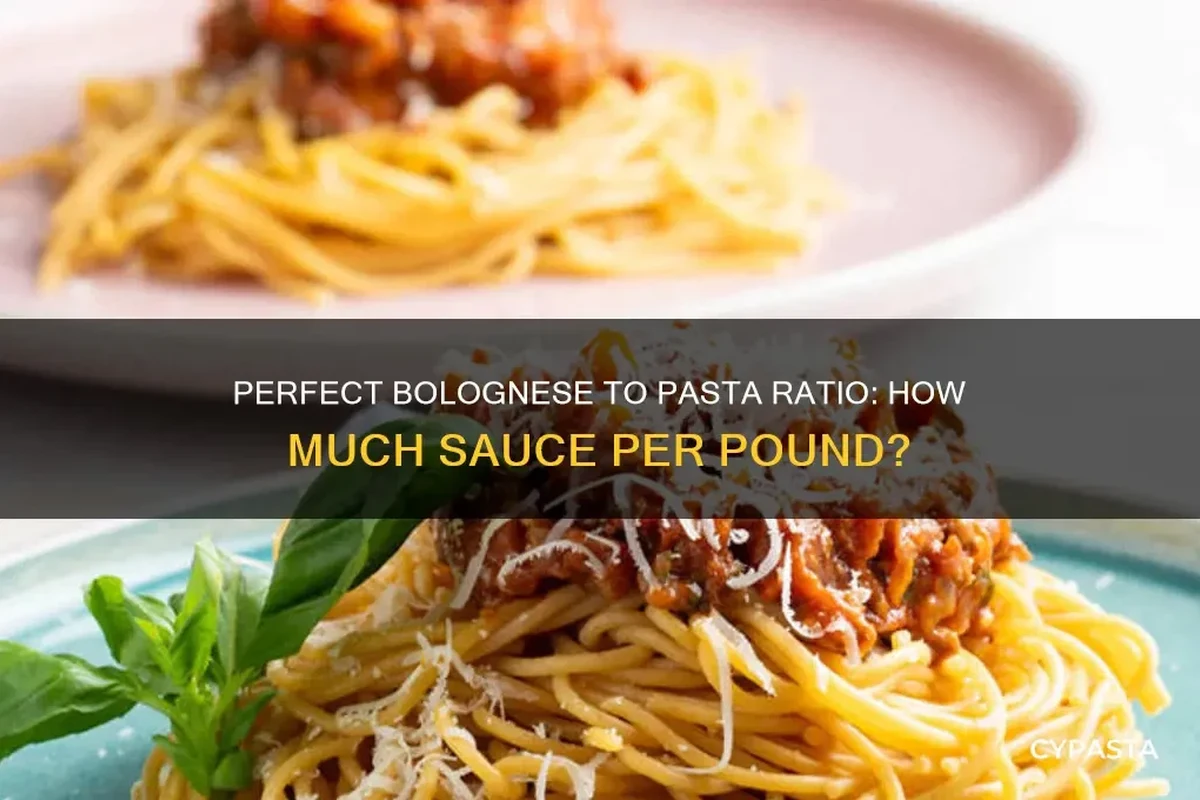
For most home cooks, 4 to 6 cups of sauce works well for 1 pound of dried pasta. That range covers a simple family meal and leaves room for taste.
If the sauce is thick, start on the lower end. If the pasta is very dry or the dish needs full coverage, move toward the higher end.
Standard sauce ratio for most pasta shapes
A simple rule is about 1/2 to 3/4 cup sauce per serving of pasta. Since 1 pound of dry pasta makes about 4 to 6 servings, the total lands near 4 to 6 cups.
This ratio works for many everyday dishes. It gives enough sauce to coat the pasta and still leaves the meal balanced.
When to use more or less sauce
Use more sauce when the pasta has ridges, when the sauce is thick, or when the dish is meant to feel rich. Use less when the sauce is bold, oily, or served with cheese and add-ins.
In short, let the pasta shape and the sauce style guide you.
What Affects the Right Sauce Amount
There is no single perfect number for every pasta dish. The best amount changes with shape, texture, sauce type, and serving style.
Pasta shape and surface texture
Long, smooth noodles need less sauce than ridged short pasta. Shapes with grooves, tubes, or curls hold more sauce on the surface.
For example, penne and rigatoni grab sauce inside and out. Spaghetti and linguine need a thinner coating so they do not clump.
Sauce type and thickness
Thin tomato sauce spreads easily, so you may need a little less. Thick meat sauce, pesto, and cream sauce cling more, so a smaller amount can go farther.
Chunky sauces also need more room to move around the pasta. If the sauce is packed with meat or vegetables, the dish may look lighter than it tastes.
Meal style and serving size
A main dish usually needs more sauce than a side dish. If you serve pasta with bread, salad, or protein, the sauce can stay a bit lighter.
Meal prep also changes the balance. Pasta often soaks up sauce as it sits, so a little extra helps later.
Serving needs vary by appetite, sauce richness, and what else is on the plate. Start with less, then add more as needed.
How to Match Sauce to Different Pasta Dishes
Different pasta dishes call for different coverage. A good match makes the meal taste fuller and helps the sauce cling better.
Spaghetti, linguine, and other long noodles
Long noodles work best with a lighter hand. They need enough sauce to coat, but not so much that the strands turn heavy.
For 1 pound of long pasta, start with about 4 cups of sauce. Add more if you want a richer plate or if the sauce is very thick.
Penne, rigatoni, and short shapes
Short shapes hold more sauce in each bite. That means you can use a bit more without making the dish feel overloaded.
For 1 pound of ridged short pasta, 5 to 6 cups often works well. The extra sauce helps fill the tubes and grooves.
Baked pasta, creamy pasta, and oil-based pasta
Baked pasta usually needs more sauce because some moisture cooks off in the oven. Creamy pasta can feel rich fast, so it often needs less than tomato-based dishes.
Oil-based pasta needs careful balance. Too much oil or sauce can make the dish slippery instead of silky.
Think in Cling, Not Just Volume
The best pasta dishes are coated, not flooded. Good sauce should coat each bite and still let the pasta shine.
Best Sauce Amounts by Popular Pasta Sauces
Some sauces stretch farther than others. A thick sauce clings fast, while a thinner sauce may need a larger pour.
Marinara and tomato sauce
Marinara and plain tomato sauce usually need about 4 to 5 cups for 1 pound of pasta. That amount gives even coverage without making the dish soupy.
If the sauce is very thin, simmer it a little longer before serving. That can improve flavor and help it coat better.
Meat sauce and chunky sauces
Meat sauce often works well in the 5 to 6 cup range. The chunks add body, so the sauce may look thick even when the volume seems modest.
Chunky vegetable sauces follow the same idea. The more solids you add, the more sauce you may need for full coverage.
Alfredo, pesto, and lighter sauces
Alfredo and other cream sauces can feel rich with less volume. For 1 pound of pasta, 3 to 4 cups may be enough, depending on thickness.
Pesto is different. It coats well in small amounts, so you often need less than tomato sauce. Add pasta water if it needs more spread.
Pasta water helps sauce stick because it contains starch from the noodles.
Common Mistakes When Saucing Pasta
Most pasta problems come from simple balance issues. Too much or too little sauce can change the whole meal.
Using too much sauce
Too much sauce can bury the pasta. The noodles lose their texture, and the dish can taste flat or heavy.
It can also hide the shape you picked on purpose. If the sauce takes over, the pasta becomes less enjoyable.
Using too little sauce
Too little sauce leaves dry spots and uneven bites. Some pasta may taste plain while other bites seem fine.
This happens often with long noodles and baked dishes. A small extra ladle can fix it fast.
Not saving pasta water
Pasta water is one of the easiest ways to improve coverage. It loosens thick sauce and helps it cling to the noodles.
Before draining, save about a cup. You may not need all of it, but having it ready makes the final mix easier.
Use caution when draining hot pasta water. Steam and splashes can burn, so keep hands clear and drain slowly.
How to Stretch Sauce or Improve Coverage
If your sauce looks too thick or too thin, you do not need to start over. A few small changes can fix the texture and stretch the batch.
Use pasta water the right way
Add pasta water a little at a time. Stir after each splash so you can see how the sauce changes.
The goal is a glossy sauce that coats the noodles. You want movement, not a watery pool at the bottom of the bowl.
Add olive oil, cheese, or butter for balance
A small amount of olive oil can smooth out a dry sauce. Butter can make cream sauces feel richer and more even.
Cheese adds body and salt. Use it carefully, since it can also make the sauce thicker than you want.
- Warm sauce before mixing it with pasta.
- Add sauce in stages, not all at once.
- Toss pasta and sauce together in the pan.
- Finish with pasta water for better cling.
Adjust for large groups or meal prep
For big batches, make a little extra sauce than you think you need. Pasta keeps soaking up moisture after cooking.
For meal prep, store sauce and pasta separately when possible. That helps keep the texture better for reheating.
Cost, Value, and Final Recommendation
The best sauce amount is not just about taste. It also affects how far your ingredients go and how satisfying the meal feels.
How to budget sauce for a pound of pasta
If you want a budget-friendly meal, aim for the lower end of the range and use pasta water to help coverage. That lets you stretch a smaller batch without making the dish dry.
Chunky add-ins like vegetables, beans, or meat can also make less sauce feel like more. They add texture and help the plate look full.
Best rule of thumb for home cooks in 2026
For most home cooks in 2026, the best rule is simple. Start with 4 to 5 cups of sauce for 1 pound of pasta, then add more only if needed.
That gives you enough coverage for most meals without wasting sauce. If the pasta is ridged, baked, or very thick, move closer to 6 cups.
For a pound of pasta, 4 to 6 cups of sauce is the safest general range. Start lower for smooth noodles and rich sauces, then add more for ridged shapes, baked dishes, or meal prep.
In short, the best answer to how much sauce for a pound of pasta is not one exact number. It’s a range that changes with the pasta, the sauce, and how you want the dish to feel.
Frequently Asked Questions
A good starting point is 4 to 6 cups of sauce for 1 pound of dried pasta. Use less for rich, thick sauces and more for baked or chunky dishes.
Yes. Long noodles like spaghetti usually need less sauce than ridged short shapes like penne or rigatoni. Grooves and tubes hold more sauce.
Add a little reserved pasta water and toss again. You can also add a small amount of warm sauce, olive oil, butter, or cheese.
You can, but pasta may soak up sauce as it sits. For meal prep, keep a little extra sauce on hand or store pasta and sauce separately.
Tomato sauce, meat sauce, and creamy sauces all work well, but the best amount depends on thickness. Thicker sauces usually need less volume than thin sauces.
The biggest mistake is adding too much sauce at once. Start with less, toss well, and add more only if the pasta still looks dry.