How to Drain Pasta Fast Without Losing a Single Noodle

Use a colander for the easiest and safest pasta drain. For small batches, a spider strainer or careful pot-lid method can work well too.
Draining pasta fast is easy when you use the right tool and keep a steady hand. The safest methods are a colander, a pot lid, or a spider strainer, and each one helps you avoid losing noodles down the sink.
If you want the short answer, use a colander for most batches. Use the pot lid method when you need speed, and use a spider strainer for small amounts or delicate pasta.
- Best all-around method: A colander gives the most control for most pasta.
- Fastest small-batch option: A spider strainer lifts pasta out with less spilling.
- Save the water: Scoop out pasta water before draining if sauce needs it.
- Safety first: Keep steam away and use dry, heat-safe grips.
How to Drain Pasta Fast Without Losing a Single Noodle
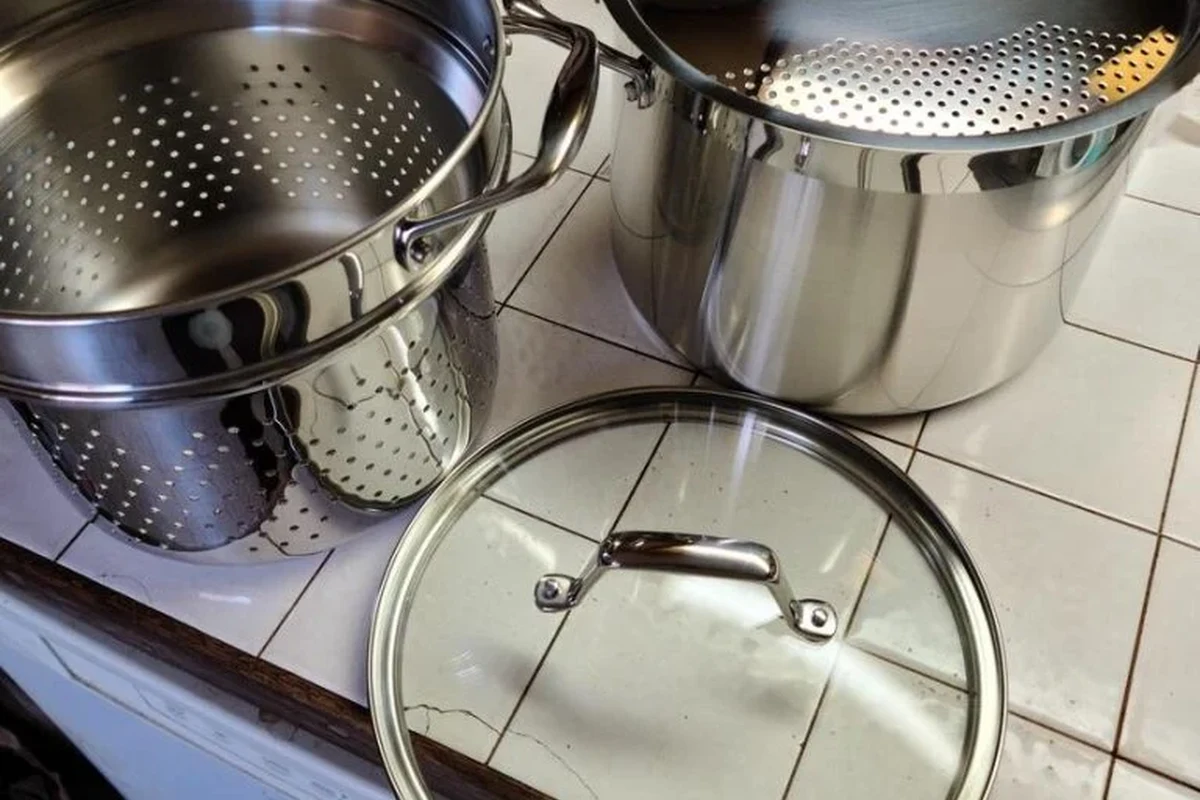
The best way to drain pasta depends on the shape, the batch size, and your kitchen setup. Long noodles need more support, while short shapes can pour more freely.
The goal is simple. Move the pasta out of the hot water fast, keep it from slipping, and save some pasta water if your sauce needs it.
In short: the fastest method is the one you can do safely without spilling hot water or dropping pasta.
What You Need Before You Start
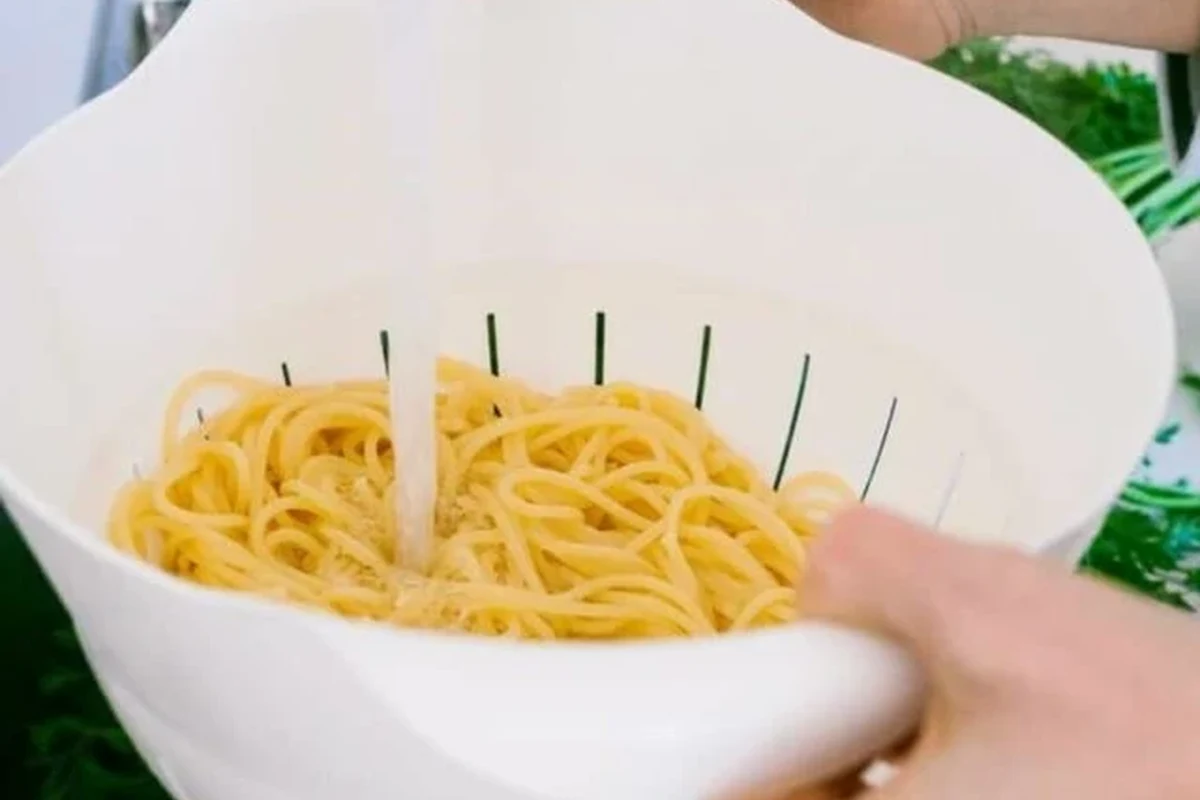
You do not need fancy tools to drain pasta well. You just need one good draining method, a safe grip, and a clear sink.
Colander, pot lid, or spider strainer
A colander works for most home cooks. It gives you the most control for everyday pasta shapes and larger batches.
A pot lid helps when you need speed and want to keep the pasta in the pot. A spider strainer works best for smaller batches or when you want to lift pasta out gently.
Hole size matters. Very large holes can let thin pasta slip through, especially with small shapes.
Heat-safe tools and safe grip basics
Use dry oven mitts or a thick towel when you handle a hot pot. Wet cloths can make the pot harder to hold.
Keep both hands ready before you lift. Hot pasta water can splash fast, so a steady grip matters more than speed alone.
The Fastest Ways to Drain Pasta
There are three common ways to drain pasta fast. Each one works a little differently, but all three can keep noodles in the bowl and out of the sink.
- Set the colander in the sink before you lift the pot.
- Save a cup of pasta water before draining sauce-heavy dishes.
- Shake gently, not hard, to avoid breaking noodles.
Use a colander the right way
Place the colander in the sink before you start. Then pour the pasta and water in one smooth motion.
Tip the pot toward the colander slowly at first. Once the pasta starts moving, keep the pour steady and controlled.
- Hold the pot close to the sink.
- Pour in one steady stream.
- Let the colander catch the pasta fully.
- Do not rush and splash boiling water.
- Do not shake the pot too hard.
- Do not use a wobbly colander.
Try the pot lid method for quick draining
Set the lid slightly open over the pot. Leave a small gap for water to escape.
Hold the lid tight with one hand and tilt the pot with the other. The pasta stays inside while the water runs out.
This method can release steam and hot water fast. Keep your face and hands away from the opening.
Use a spider strainer for small batches
A spider strainer is a smart choice for one or two servings. You can lift the pasta out without dumping the whole pot.
This method works well when you want to keep the cooking water for sauce. It also helps with delicate pasta that can break in a hard pour.
How Each Method Works
Each draining method has a best use. The right choice depends on the pasta shape and how much you cooked.
Better control helps keep noodles from slipping out.
Fast draining matters when pasta can overcook in seconds.
Best for long pasta like spaghetti and linguine
Long pasta needs support. A colander or spider strainer usually works better than a fast, loose pour.
If you use the pot lid method, drain slowly so the strands do not clump or slide out in a bundle.
Best for short pasta like penne and shells
Short pasta is easier to drain because it does not tangle as much. A colander is usually the fastest and cleanest choice.
Still, check the holes. Very small shells or tiny shapes can slip through some colanders.
When to save pasta water first
Save pasta water when you plan to finish the dish with sauce. The starchy water helps sauce cling to the pasta.
Use a mug or heat-safe cup to scoop out some water before draining. This keeps you from scrambling after the pot is already empty.
Pasta water contains starch from the noodles. That starch can help loosen thick sauce and help it coat pasta better.
Common Mistakes That Make You Lose Pasta
Most pasta loss happens because of rushing or using the wrong tool. A few small changes can fix that right away.
Pouring too fast into the sink
A hard pour can send pasta and hot water in different directions. It can also splash you or clog the sink.
Slow down at the start. Once the flow is steady, you can tilt a little more if needed.
Using a colander with holes that are too large
Not all colanders work the same way. Large holes may let small pasta shapes escape.
If you cook tiny shells, orzo, or other small shapes, choose a finer strainer. That simple swap can save a lot of noodles.
Skipping the pasta water step when sauce needs it
If your sauce needs pasta water, think ahead. Once the pasta is drained, that liquid is gone.
For creamy or thick sauces, a little pasta water can make the final dish smoother and easier to mix.
Safety Tips for Draining Hot Pasta
Hot pasta water can burn fast. The safest approach is calm, clear, and well set up before you lift the pot.
Follow the appliance manual and stop using damaged equipment.
Avoid steam burns and splashes
Keep your face back from the pot. Steam rises fast and can burn skin before you notice it.
Open lids slowly and tilt the pot away from you. That gives steam a path away from your hands and face.
Keep the sink area clear and dry
A dry sink area helps you keep your grip. Wet counters and slippery towels make spills more likely.
Move soap bottles, dishes, and loose tools out of the way before you start. You want one clean path from stove to sink.
Protect your hands when lifting a heavy pot
Large pots can get heavy fast, especially when filled with water. Use both hands and stand close to the sink.
If the pot feels awkward, stop and reset. It is better to pause than to rush and drop it.
Cleaning and Care for Your Tools
Good draining tools last longer when you clean them right after use. Starch can dry into a sticky film if you wait too long.
How to clean a colander after starchy pasta
Rinse the colander with warm water right away. That usually removes most starch before it hardens.
If needed, use a soft sponge and mild soap. Check the holes too, since starch can hide there.
How to keep lids and strainers ready for next time
Dry lids and strainers fully before storage. That helps prevent spots, smells, and rust on some materials.
Keep your most used draining tool near the stove. When it is easy to grab, you are less likely to rush.
Rinse off starch, wash with mild soap, and dry fully.
Check handles, edges, and holes for wear or buildup.
Best Method by Kitchen Setup and Budget
The best draining method also depends on your kitchen. Some homes need the simplest option, while others benefit from a better tool.
Low-cost options for basic home cooks
If you cook pasta now and then, a basic colander is usually enough. It is simple, cheap in spirit, and easy to store.
A pot lid can also work if you already own one that fits well. Just make sure it sits securely on the pot.
Best value tools for frequent pasta makers
If you cook pasta often, a sturdy colander or spider strainer is worth it. Look for a tool that feels stable and easy to clean.
For small kitchens, a spider strainer can save space and still handle many jobs. It also works for dumplings, vegetables, and fried foods.
Final recommendation for the fastest, safest drain
For most people, the best answer is a good colander used with a slow, steady pour. It is the easiest mix of speed, control, and safety.
If you cook small batches or want to save more pasta water, a spider strainer is a great backup. The pot lid method is fast, but it needs more care and a steady hand.
Use a colander for the best all-around result, a spider strainer for small batches, and a pot lid only when you can control the pour well. If your pasta shape is tiny or delicate, choose the tool that gives you the most control, not just the quickest drain.
In short: the fastest way to drain pasta is the method you can do smoothly, safely, and without losing noodles. Once you match the tool to the pasta shape, the whole job gets easier.
Frequently Asked Questions
A sturdy colander is the best all-around choice for most home cooks. It gives you control and helps keep noodles from slipping into the sink.
It can work, but it is not the best choice for every shape. Long pasta and small pasta need extra care, so drain slowly and keep the lid secure.
Use a colander or strainer with smaller holes. Very tiny shapes may need a finer strainer or a spider strainer instead.
Yes, if you plan to finish the pasta with sauce. Pasta water can help loosen sauce and help it cling to the noodles.
Keep your face back from steam, use dry heat-safe grips, and clear the sink area first. Hot water can splash quickly, so move slowly and stay balanced.
Rinse off starch right after use, then wash with mild soap and dry fully. This helps prevent sticky buildup and keeps tools ready for next time.