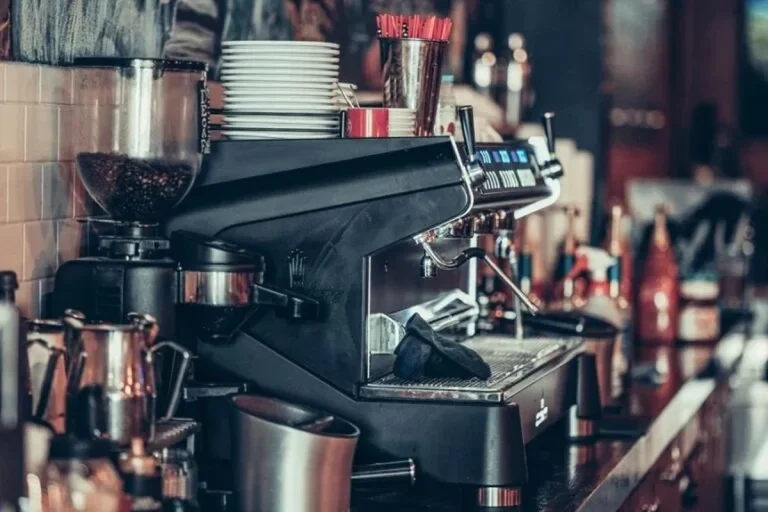
How to Choose the Best Coffee for Men Easily and Smartly

The best coffee for most men is a medium-roast coffee that matches their caffeine needs, taste preference, and brewing routine. If you want the smartest choice, start with an Arabica-forward coffee and adjust format and strength from there.
If you are trying to figure out how to choose the best coffee for men, the smartest answer is simple: pick the coffee that matches your caffeine needs, taste preferences, and daily routine. In 2026, the “best” coffee is less about a label and more about whether it gives you steady energy, tastes good black or with milk, and fits your budget and brewing style.
- Start with your goal: Energy, flavor, convenience, and health all point to different coffee choices.
- Medium roast is the safest default: It is usually the most balanced and versatile everyday option.
- Bean type matters: Arabica is smoother; Robusta is typically bolder and more intense.
- Match grind and brewer: The wrong grind can ruin even a good coffee.
- Check labels carefully: Flavored, instant, and ready-to-drink coffees may contain added sugar or additives.
What “Best Coffee for Men” Really Means in 2026
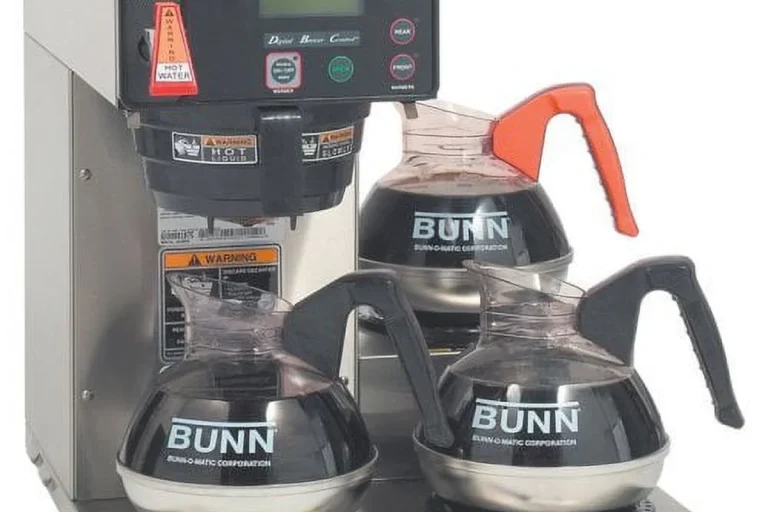
Red Kitchen Project visual guide: What “Best Coffee for Men” Really Means in 2026
The phrase “best coffee for men” usually reflects a few different goals at once. Some people want more energy for work or training, some want a richer flavor, and others want a coffee that feels easier on the stomach or fits a healthier routine.
How the search intent breaks down: energy, taste, health, and lifestyle
For many readers, the first priority is caffeine. That may mean a stronger cup, a darker roast, or a blend made to feel bolder, even though roast color does not always equal higher caffeine. Others care more about taste, especially if they drink coffee black and want a smooth, low-bitter cup rather than something harsh.
Health and lifestyle matter too. A man who drinks coffee before the gym may want a simple, unsweetened brew. Someone with a long office day may want a coffee that tastes good without loading up on sugar or heavy creamers. A frequent traveler may value convenience more than perfect flavor.
Why there is no single “best” coffee for every man
Coffee preference is personal. Caffeine tolerance, sleep habits, stomach sensitivity, and brewing equipment all change what “best” means. A strong dark roast can be ideal for one person and too intense for another.
That is why the most useful approach is to choose by use case. Once you know whether you want energy, flavor, convenience, or a cleaner ingredient list, the right coffee becomes much easier to narrow down.
Direct Answer: How to Choose the Best Coffee for Men Easily and Smartly
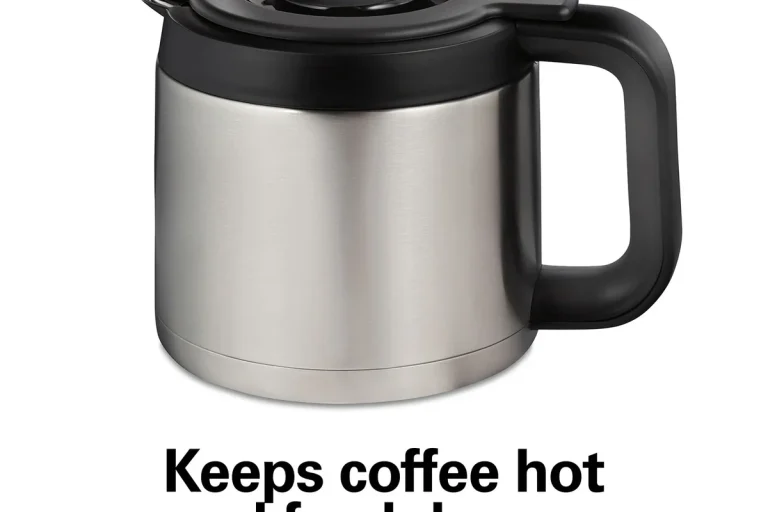
Red Kitchen Project visual guide: Direct Answer: How to Choose the Best Coffee for Men Easily and Smartly
The easiest way to choose is to start with three questions: How much caffeine do you want, what flavor do you enjoy, and how will you brew it? If you answer those honestly, you can ignore most marketing claims and focus on the coffee that fits your routine.
Start with roast level, caffeine needs, and brewing style
Roast level affects flavor more than people often realize. Light roasts tend to taste brighter and more acidic, medium roasts are balanced and versatile, and dark roasts usually taste bolder, smokier, and less sharp. If you want a smoother everyday cup, medium roast is often the safest starting point.
Caffeine needs should guide the choice too. If you want a gentler cup, choose a coffee that is not marketed as extra strong and watch serving size. If you want a more noticeable lift, look for a robusta blend, a stronger brew ratio, or a preparation method that naturally extracts more caffeine.
Match the coffee to your daily routine, goals, and tolerance
A coffee that works for a 6 a.m. commute may not be the best choice for someone drinking a second cup after lunch. If you are sensitive to caffeine, a smaller serving or a lower-caffeine option may be smarter than chasing a “manly” strong blend that leaves you jittery.
Think about your goals as well. For focus, a clean black coffee often makes the most sense. For social drinking or a more indulgent routine, a specialty blend, flavored coffee, or espresso-style option may be more satisfying. The best coffee is the one you can drink consistently without regretting it later.
If you are unsure where to start, buy a medium-roast whole-bean coffee and adjust from there. It is usually the most flexible choice for drip, pour-over, French press, and many automatic brewers.
Key Coffee Specifications That Matter Most
Packaging can be confusing, but a few details matter far more than slogans. Bean type, roast, grind, freshness, and ingredients tell you much more about the coffee than a name like “bold,” “strong,” or “premium.”
Bean type: Arabica vs. Robusta and what each means for strength and flavor
Arabica beans are usually associated with smoother, more nuanced flavor and lower bitterness. Robusta tends to taste stronger, earthier, and more bitter, and it often contains more caffeine per bean than Arabica. Many blends combine the two to balance flavor and strength.
If flavor is your priority, Arabica is usually the safer bet. If you want a more forceful caffeine impression or a very bold taste, a coffee with some Robusta may fit better. The right choice depends on whether you want a pleasant daily drink or a more intense wake-up cup.
Roast profile, grind size, origin, freshness, and caffeine content
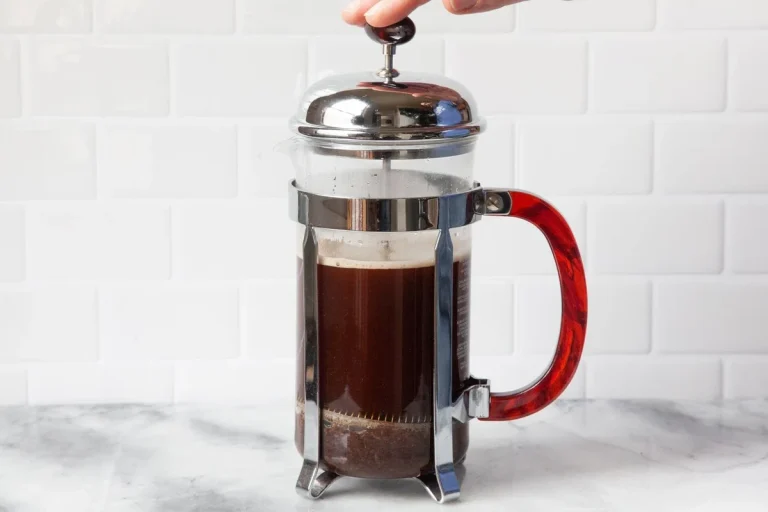
Roast profile changes taste, body, and bitterness. Grind size matters because it must match the brewer: coarse for French press, medium for drip, fine for espresso, and so on. A mismatch can make coffee taste weak, muddy, or overly bitter.
Freshness also matters. Coffee usually tastes best when it has been recently roasted and stored well, though exact timing depends on the bean, packaging, and brewing method. Origin can influence flavor notes, but it is less important than freshness and proper brewing for most everyday buyers.
Caffeine content varies by bean, roast, grind, and serving size. A darker roast does not automatically mean more caffeine, and a larger cup can easily deliver more caffeine than a “strong” smaller one.
Ingredients to look for or avoid in flavored, instant, and specialty blends
For flavored coffee, check the ingredient list carefully. Some flavored options use simple flavoring, while others may include added sweeteners, oils, or cream-style ingredients. If you want a cleaner cup, choose products with a shorter ingredient list.
Instant coffee can be a practical choice, but quality varies. Ready-to-drink coffee drinks are convenient, yet they often contain added sugar or flavorings that can change the nutrition profile quickly. Specialty blends may be excellent, but they are not automatically better if you mainly want a straightforward caffeine boost.
- Bean type and roast level
- Grind size for your brewer
- Freshness or roast date when available
- Ingredient list for flavored or instant coffee
How Different Coffee Options Compare for Men
Different coffee formats solve different problems. The best format for you depends on whether you care most about flavor, convenience, cleanup, or cost over time.
Whole bean, ground coffee, pods, instant coffee, and ready-to-drink options
Whole bean coffee usually gives the best control over freshness and grind, which helps if you want better flavor and do not mind a grinder. Ground coffee is easier and still works well for many households, though it can lose aroma faster after opening.
Pods are fast and consistent, making them useful for busy mornings. Instant coffee wins on speed and portability. Ready-to-drink coffee is the most convenient option for travel or office use, but it often costs more per serving and may include added ingredients.
| Option | Best For | Key Consideration |
|---|---|---|
| Whole bean | Flavor-focused drinkers | Needs grinder and more prep |
| Ground coffee | Everyday home use | Less fresh than whole bean after opening |
| Pods | Busy routines | Convenience often costs more per cup |
| Instant | Travel and speed | Flavor quality varies widely |
| Ready-to-drink | On-the-go use | Check sugar and ingredient labels |
Best choice for busy professionals, fitness-focused buyers, and casual drinkers
Busy professionals often do best with pods or ground coffee paired with an automatic brewer. Fitness-focused buyers usually benefit from simple black coffee or a low-additive ready-to-drink option, especially if they want to avoid excess sugar. Casual drinkers may prefer whole bean or specialty ground coffee for better flavor.
Drawbacks, convenience tradeoffs, and value differences
The most convenient coffee is not always the best value. Pods and bottled drinks are easy, but they often cost more per serving. Whole bean coffee can offer better flavor and value, but only if you are willing to grind and brew it properly.
For most men, the smartest tradeoff is choosing the format they will actually use consistently. A high-quality coffee that is too inconvenient will often lose to a simpler option that fits a real morning routine.
Best Coffee Format by Lifestyle
Choose the format that matches your schedule first, then refine by roast and flavor.
You want the best flavor control
Whole bean coffee is the strongest choice for freshness and brewing flexibility.
You want the fastest routine
Pods, instant, or ready-to-drink coffee may fit better if convenience matters most.
Benefits and Limits of Drinking Coffee Regularly
Coffee can be a practical part of many routines, but it is not automatically beneficial in every amount or for every person. The goal is to enjoy the upsides without overdoing the downsides.
Energy, focus, workout support, and mood benefits
Many people drink coffee for alertness and focus, especially in the morning. It can also be useful before a workout or during a demanding workday because caffeine may help you feel more awake and motivated. Some people simply enjoy the mood boost and daily ritual.
These benefits depend on dose, timing, and individual tolerance. A moderate cup that supports your routine is usually more useful than a very strong coffee that makes you feel overstimulated.
Possible downsides: jitters, sleep disruption, acidity, and overuse
Too much coffee can cause jitters, a racing heart sensation, restlessness, or trouble sleeping. Drinking it too late in the day can affect sleep quality, even if you do not feel wired right away. Some people also find coffee acidic or irritating to the stomach.
Overuse is another issue. If you keep increasing the amount because the first cup no longer feels effective, it may be time to reassess sleep, hydration, and overall caffeine habits rather than simply choosing a stronger coffee.
If coffee consistently causes chest discomfort, severe anxiety, stomach pain, or major sleep problems, reduce intake and speak with a healthcare professional. Coffee should support your routine, not create new health issues.
Who should be more cautious based on health or sensitivity
People who are sensitive to caffeine, have sleep concerns, or have stomach issues may need to be more selective. Anyone with a medical condition, pregnancy-related concerns, or medication questions should follow professional guidance rather than relying on general coffee advice.
In those cases, a smaller serving, lower-caffeine option, or decaf may be a better fit. The best coffee for men is not always the strongest one.
Common Mistakes When Choosing Coffee for Men
Most bad coffee decisions come from buying too fast and paying attention to the wrong details. A few simple checks can prevent disappointment.
Buying by hype instead of caffeine level and flavor preference
Labels like “bold,” “extra strong,” or “premium” do not always tell you how the coffee will actually taste or how much caffeine it contains. A coffee that sounds impressive may still be the wrong fit if you dislike dark roasts or want a smoother cup.
It is better to think about your own habits than the packaging language. If you enjoy medium roast coffee and want steady energy, there is no need to chase the most aggressive blend on the shelf.
Ignoring roast freshness, grind mismatch, and serving size
Freshness matters because stale coffee loses aroma and depth. Grind mismatch matters because the wrong grind can make even a good coffee taste flat or bitter. Serving size matters because a large cup can change your caffeine intake more than the coffee label suggests.
These details are easy to overlook, but they often explain why one coffee tastes great and another feels disappointing. Small brewing adjustments can improve your results more than switching brands repeatedly.
Choosing overly sweet or high-additive blends without checking labels
Some coffee drinks are closer to dessert than coffee. Flavored beverages, bottled coffees, and specialty mixes can contain a lot of added sugar or cream-style ingredients. That may be fine if you want a treat, but it is not ideal if you want a clean daily coffee.
Check the label before assuming a product is a simple coffee choice. If you want a healthier everyday habit, plain coffee or lightly flavored coffee is usually the more flexible option.
- Choose roast and caffeine level based on your routine
- Match grind size to your brewer
- Read ingredient labels on flavored and ready-to-drink options
- Buying coffee only because the packaging sounds strong
- Ignoring freshness and storage after opening
- Assuming more caffeine always means better coffee
Cost, Value, and Final Buying Recommendation
Value is not just the lowest price. It is the combination of taste, convenience, and how often you will actually use the coffee without wasting it.
How to balance quality, budget, and daily use
If you drink coffee every day, it often makes sense to spend a little more on a coffee that tastes good and fits your brewer. If you only drink coffee occasionally, convenience may matter more than premium flavor detail. Either way, the best value is the coffee you finish and enjoy rather than the one that sits unused.
Storage also affects value. Keep coffee sealed, away from heat and moisture, and use it within a reasonable time after opening for the best results. Better storage can make a mid-priced coffee taste much better.
Best-value coffee strategy for most men in 2026
For most men in 2026, the best-value strategy is a medium-roast Arabica or Arabica-forward blend in whole bean or ground form, matched to the brewer you already use. That choice usually gives a balanced flavor, enough flexibility, and fewer surprises than extreme dark roasts or heavily flavored drinks.
If you need maximum convenience, pods or instant can still be the right answer. If you want the cleanest daily habit, plain coffee with minimal additives is usually the easiest route.
Transparent final recommendation based on use case and priorities
If you want the simplest smart answer, choose medium roast first, then decide between whole bean, ground, pods, or instant based on your schedule. For most men, a medium-roast Arabica or Arabica blend is the best starting point because it balances taste, versatility, and everyday drinkability.
If your top priority is stronger caffeine impact, look at blends with Robusta or a brewing method that naturally produces a stronger cup. If your top priority is convenience, choose the format you will use consistently. The best coffee for men is the one that fits your morning, not the one with the loudest label.
The best coffee for most men in 2026 is a medium-roast, Arabica-forward coffee that matches your brewer and daily routine. Choose a stronger blend only if you truly want more intensity, and choose convenience formats only when they fit your lifestyle better than flavor-first options.
Frequently Asked Questions
Medium roast is usually the best starting point because it balances flavor, bitterness, and versatility. Dark roast tastes bolder, while light roast is brighter and more acidic.
Robusta generally has a stronger, more bitter profile and often more caffeine per bean. Arabica is usually smoother and more flavorful for everyday drinking.
Pods, instant coffee, and ready-to-drink options are usually best for speed and convenience. Ground coffee is a good middle ground if you want easier prep without giving up too much flavor.
Use coarse grind for French press, medium grind for drip coffee, and fine grind for espresso. The wrong grind can make coffee taste weak, bitter, or muddy.
Use the correct grind, fresh water, and the right coffee-to-water ratio for your brewer. Better storage and cleaner equipment also improve flavor.
Read the ingredient list and look for added sugar, cream-style ingredients, or extra additives. These products can taste good, but they may not fit a simple daily coffee routine.