How to Clean an Electric Milk Frother Fast and Easy

Rinse and wipe your electric milk frother right after each use, then do a deeper clean when milk dries or builds up. Keep water away from the base and use only soft tools.
If you want to know how to clean an electric milk frother, the fast answer is simple. Rinse it right after use, wipe the jug and whisk, and do a deeper clean before milk dries on the parts.
That small routine keeps foam better, cuts odors, and helps the frother last longer. It also lowers the chance of sticky buildup around the whisk and lid.
- Clean fast: Rinse the frother right after use to stop dried milk.
- Use soft tools: Mild soap and a soft cloth protect the finish.
- Protect the base: Keep water away from electrical parts and cords.
- Deep clean as needed: Soak removable parts when residue starts to stick.
How to Clean an Electric Milk Frother Fast and Easy

The easiest way to clean an electric milk frother is to act right away. Milk dries fast, and dried milk is the main reason cleanup gets annoying.
For most models, a quick rinse and wipe after each use does the job. Then, once in a while, give the removable parts a deeper clean.
Clean the frother as soon as your drink is done. Fresh milk comes off much easier than dried milk.
What an Electric Milk Frother Does and Why It Needs Regular Cleaning
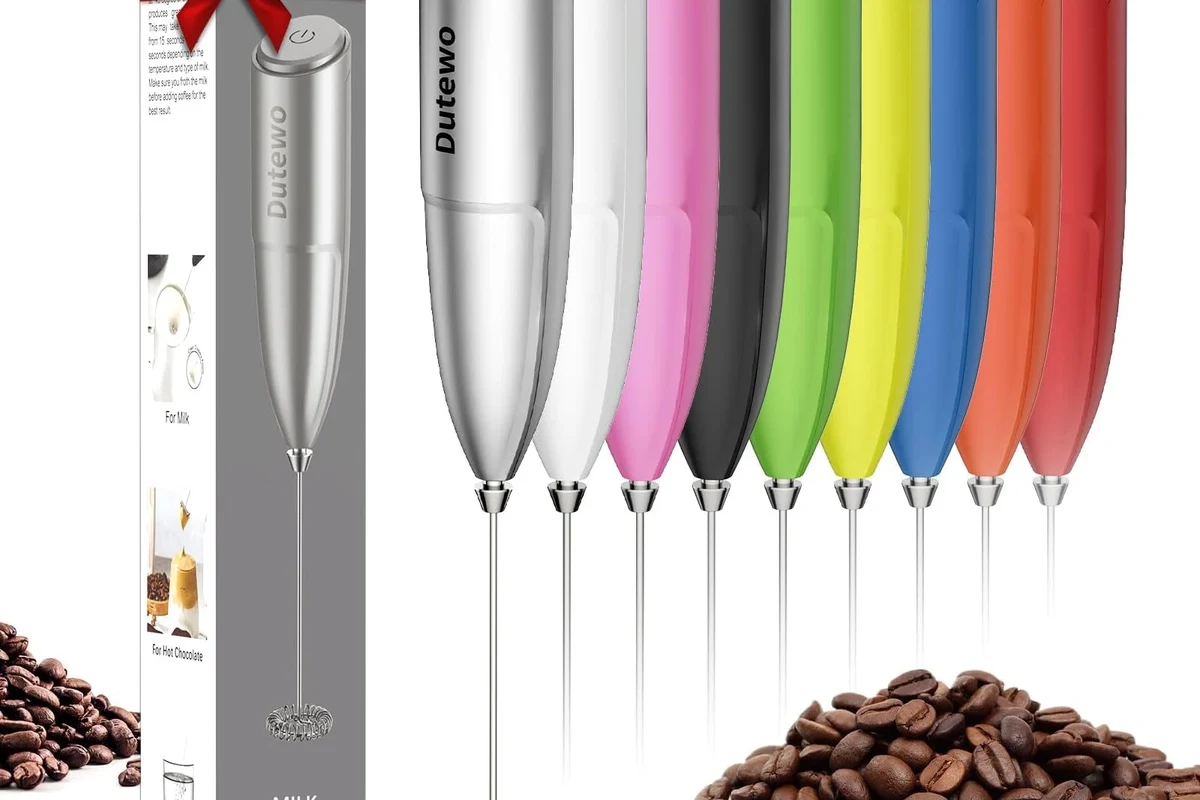
An electric milk frother adds air and motion to milk. That makes foam for lattes, cappuccinos, and hot chocolate.
Because it works with milk, it leaves behind fat, protein, and tiny sugar bits. Those leftovers can stick to the whisk, jug, and lid.
How frothers work with milk, steam, and small whisks
Most electric frothers use a small spinning whisk or a heated mixing base. Some heat the milk too, while others only foam it.
The whisk moves fast and traps air in the milk. That motion creates foam, but it also splashes milk onto nearby parts.
Why milk residue builds up so fast
Milk residue builds fast because warm milk dries into a thin film. That film can turn sticky in just a short time.
Heat also makes the residue cling harder. If you leave it too long, you may need a deeper soak.
Milk residue can affect taste, smell, and foam quality on the next use.
What You Need Before You Start Cleaning
You do not need special gear for most frothers. Simple tools work best, as long as they are gentle and safe for the model.
Safe cleaning supplies for daily use
Use warm water, mild soap, and a soft cloth. A small bottle brush can help with tight spots.
If your manual allows it, a little vinegar may help with mineral buildup. Still, check the guide first, since some finishes and parts need gentler care.
Tools to avoid because they can damage the frother
Skip rough pads, steel wool, and sharp tools. These can scratch the jug or damage the whisk area.
Also avoid strong cleaners unless the manual says they are safe. Harsh chemicals can leave residue or harm plastic parts.
Never soak the base if it holds electrical parts. Water around the plug, cord, or base can create a shock risk.
Step-by-Step: How to Clean an Electric Milk Frother
The best cleaning method depends on the model. Still, most frothers follow the same safe pattern.
Let the frother cool before you touch any hot parts.
Pour out any leftover milk right away.
Use warm water to lift away fresh milk residue.
Clean the whisk, lid, and jug with mild soap and a soft sponge.
Wipe them dry before you reassemble the frother.
Quick clean after each use
A quick clean works best for daily coffee drinkers. Empty the frother, rinse the parts, and wipe away any milk film.
If the whisk is removable, take it out and rinse it too. Drying the parts right away helps stop buildup.
Deep clean for dried milk and buildup
If milk has dried inside, soak the removable parts in warm soapy water. Give them a few minutes to loosen the film.
Then wipe gently with a soft cloth or brush. If your manual allows it, repeat with a mild vinegar rinse for mineral spots.
Cleaning steps can vary by model. Always check the manual for dishwasher-safe parts and any no-soak warnings.
How to clean the whisk, jug, lid, and base
The whisk usually needs the most attention because it traps milk at the center. Rinse it first, then clean around the small moving parts with care.
Wash the jug and lid with soap and warm water if they are removable. For the base, use only a damp cloth unless the maker says otherwise.
- Clean the whisk before the milk dries hard.
- Dry all parts fully to reduce odor and spots.
- Use a cotton swab for tight corners, if needed.
Common Cleaning Mistakes That Can Damage Your Frother
Most frother problems come from simple cleaning mistakes. The good news is that they are easy to avoid.
Using too much water around the base
The base usually holds the motor or heat parts. Too much water there can damage the machine.
Use a damp cloth instead of running water on the base. Keep the cord and plug dry too.
Scrubbing with rough sponges or sharp tools
Rough pads can scratch nonstick or coated surfaces. Sharp tools can also bend the whisk or mark the jug.
Once a surface gets scratched, milk can stick even faster. That makes future cleaning harder.
Letting milk sit too long before cleaning
Milk that sits becomes sticky fast. It can also leave a sour smell if it stays too long.
If you cannot clean it right away, at least rinse the frother with warm water. That small step saves a lot of work later.
Stop using the frother if you see cracked parts, loose wires, burning smells, or water inside the base.
Safety Tips and Care Rules for Longer Frother Life
A little care goes a long way with small appliances. Safe cleaning also protects the motor, heater, and finish.
When to unplug and cool the machine first
Always unplug the frother before cleaning it. If the milk was heated, let the unit cool first.
Hot parts can burn your hand. Cooling also helps prevent warping on some plastic pieces.
How to handle electric parts the right way
Keep the base dry and never submerge it. Wipe it with a barely damp cloth if needed.
If the cord looks worn or the plug feels loose, stop using the frother. Check the manual and replace the unit or part as needed.
Cleaning Frequency, Maintenance, and Value Tips
Regular cleaning saves time and protects your frother. It also helps you get better foam with less effort.
Rinse, wipe, and dry all removable parts.
Do a deeper wash if you use the frother often.
Check for buildup, wear, and any loose or damaged parts.
How often to clean for daily coffee use
If you use your frother every day, clean it after each use. That is the easiest way to keep milk from drying inside.
For heavier use, do a deeper clean at least once a week. Some households may need it more often.
Simple habits that save time and money
Use only the amount of milk you need. Less leftover milk means less cleanup.
Store the frother dry and assembled only when the parts are fully dry. That helps cut odor and buildup.
- Rinse and wipe the frother right after each use.
- Use soft tools and keep water away from the base.
- Deep clean dried milk before it becomes stubborn buildup.
Final Recommendation: The Fastest Way to Keep Your Frother Clean
The fastest routine is also the safest one. Unplug the frother, rinse the removable parts, wash with mild soap, and dry everything well.
That simple habit works for most home coffee drinkers and keeps cleanup short. It also helps the frother keep making smooth foam.
Best cleaning routine for busy home coffee drinkers
If you want the easiest routine, clean the frother right after use. Then give it a deeper wash when you notice buildup.
That approach takes less time than scrubbing dried milk later. It also keeps your drinks tasting fresher.
When it’s time to replace a worn frother part
Replace the whisk, lid, or other removable parts if they are cracked, bent, or no longer fit well. Worn parts can affect foam and make cleaning harder.
If the base, cord, or switch shows damage, stop using the frother. Check the manual and the maker’s support page before you use it again.
Frequently Asked Questions
Clean it after each use if you make drinks often. Do a deeper clean weekly, or sooner if milk dries inside.
Not always. Check the manual first, since some whisk, lid, or jug parts may be dishwasher-safe while others are not.
Soak removable parts in warm soapy water, then wipe gently with a soft sponge or brush. Avoid sharp tools that can scratch the surface.
Sometimes, but only if the manual allows it. Vinegar can help with mineral buildup, yet some models and finishes need gentler care.
No, not unless the manufacturer clearly says it is safe. Use a damp cloth on the base and keep water away from the plug and cord.
Stop using it if you notice cracks, loose wires, burning smells, or water inside the base. Check the manual and replace damaged parts or the unit.