How to Cook Frozen Pasta Fast and Easy at Home

Cook frozen pasta straight from frozen in boiling salted water for the fastest, easiest result. Test early, drain right away, and sauce it quickly to keep the texture right.
If you want a fast dinner, the easiest method is simple: cook frozen pasta straight from frozen in well-salted boiling water. Most stuffed pasta, like ravioli and tortellini, cooks well this way, while baked pasta dishes and skillet meals need a slightly different finish.
- Best method: Boil frozen pasta straight from frozen for even cooking.
- Watch the texture: Test early so it stays tender, not mushy.
- Use enough water: A big pot helps keep the boil steady.
- Match the dish: Bake casseroles and use light sauce for stuffed pasta.
What Frozen Pasta Is and When to Cook It From Frozen
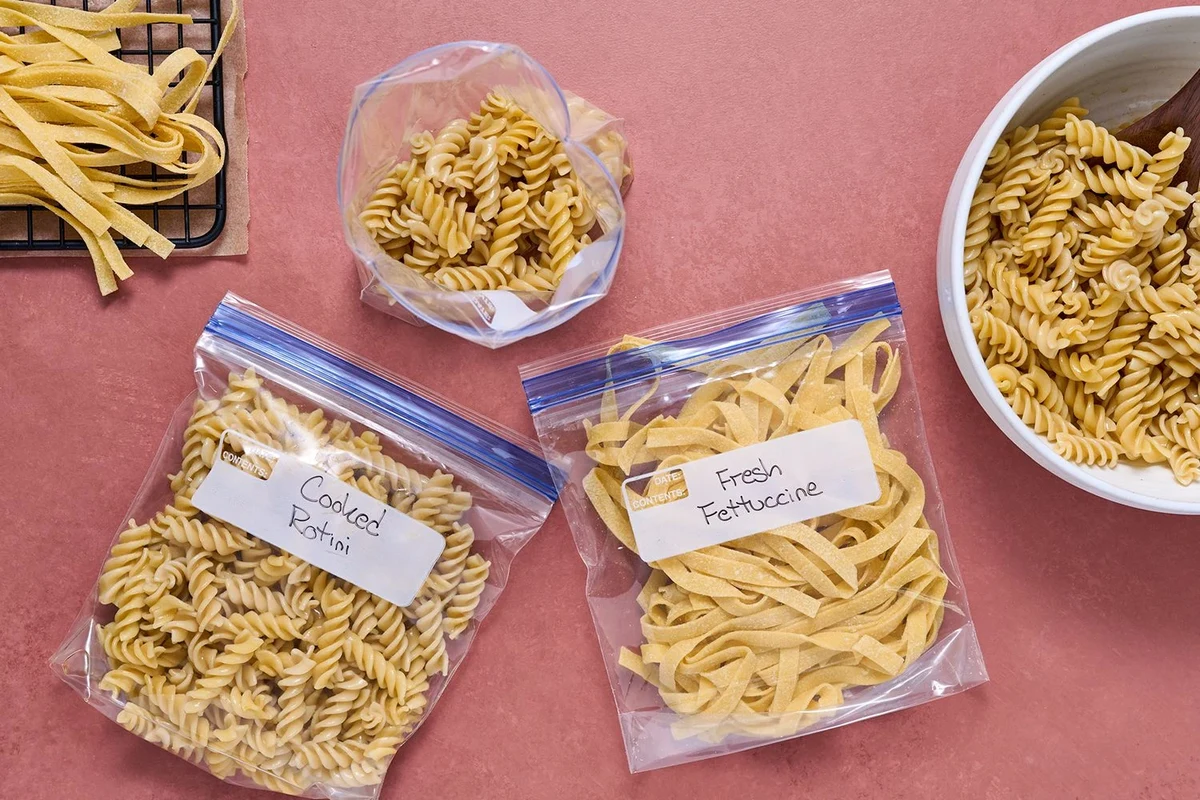
Frozen pasta usually means fresh pasta that was shaped, filled, or portioned, then chilled below freezing. It can be store-bought or homemade. The main thing to know is that frozen pasta needs gentle handling so the outside does not turn soft before the center heats through.
For many home cooks, frozen pasta is a smart backup. It cuts prep time and helps you skip a long shopping trip. It also works well when you want a quick meal without starting from scratch.
Fresh, stuffed, and homemade pasta: what changes when it freezes
Fresh pasta freezes better than dry pasta because it already has moisture and a softer texture. Stuffed pasta, such as ravioli, tortellini, and agnolotti, is often made for freezing. Homemade pasta can also freeze well if it is dusted lightly and sealed before it sticks together.
Dry pasta is different. It is already shelf-stable, so freezing it is usually not helpful. If you have dry pasta, store it in a cool, dry place instead.
Freezing changes texture a little. That is normal. The goal is to cook it just enough so it stays tender, not mushy.
When frozen pasta works best for quick meals
Frozen pasta shines on busy nights. It works well when you need dinner in under 20 minutes and want something filling.
- Use it for weeknight meals with simple sauce.
- Use it when you want to cook one portion or a small batch.
- Use it when you already have frozen ravioli or tortellini on hand.
In short: frozen pasta is best when speed matters more than perfect handmade texture.
The Fastest Way to Cook Frozen Pasta at Home
The fastest and most reliable method is boiling. It gives even heat and keeps the pasta from drying out. For most frozen stuffed pasta, this is the method that makes the most sense.
Fast Frozen Pasta, Done Right
Use boiling water for the cleanest, most even result. Then finish with sauce right away so the pasta stays tender and glossy.
Boiling from frozen step by step
Start with a large pot of water. Use enough water so the pasta can move freely. Add salt after the water comes to a boil.
Use a big pot so the temperature stays steady when pasta goes in.
Salt the water so the pasta tastes better from the inside out.
Do not thaw it first unless the package says to do so.
This helps prevent sticking without tearing the pasta.
Check a piece near the end of the cook time so it does not overcook.
Once it is done, drain it right away and toss it with sauce. That stops the cooking and helps the pasta keep a good bite.
- Use plenty of boiling water.
- Stir gently after adding pasta.
- Drain as soon as it turns tender.
- Do not crowd the pot.
- Do not boil too hard for too long.
- Do not leave pasta sitting in hot water.
How to tell when it is done without overcooking
Frozen pasta is done when it feels tender and no longer tastes raw in the center. For stuffed pasta, the filling should feel hot all the way through.
Look for pasta that floats, but do not rely on floating alone. Some shapes float early. The best check is a taste test or a gentle squeeze.
Best Cooking Methods for Different Types of Frozen Pasta
Not all frozen pasta behaves the same way. Stuffed shapes need boiling. Pre-baked pasta dishes often do better in the oven. Some quick meals can finish in a skillet or microwave.
Boiling for ravioli, tortellini, and other stuffed pasta
Boiling is the safest bet for most stuffed pasta. The filling needs time to warm through, and boiling gives even heat.
Keep the water at a steady boil, but not a wild one. A rough boil can break delicate edges and seams.
Stuffed pasta often cooks faster than you expect because the filling helps hold heat inside the shape.
Baking or skillet finishing for frozen pasta dishes
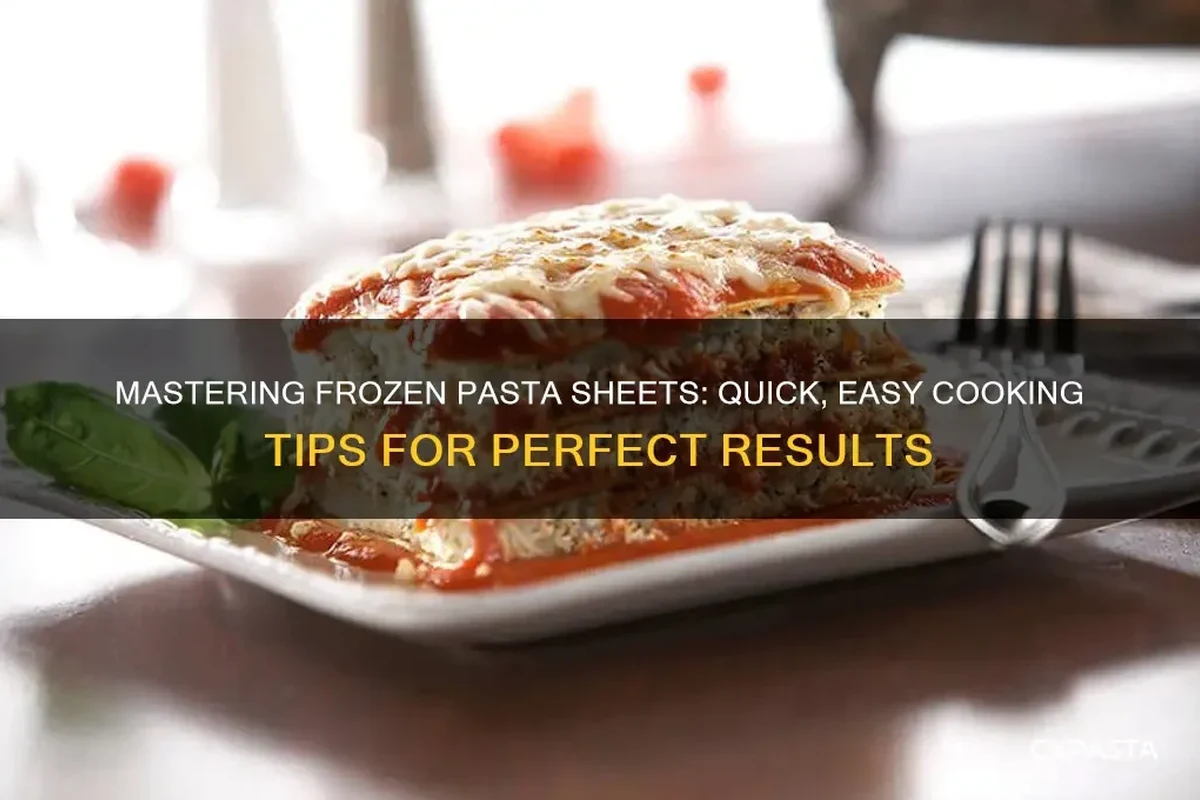
Frozen pasta casseroles, baked ziti, and similar dishes usually cook best in the oven. That lets the center heat slowly while the top browns.
A skillet finish also works for some pasta meals. For example, you can boil frozen pasta first, then toss it with sauce in a pan. Add a splash of water or broth if the sauce looks thick.
- Cover baked dishes early to keep them moist.
- Uncover near the end for better browning.
- Add sauce after boiling to keep pasta from sticking.
Microwave use when time is tight
The microwave can work in a pinch, but it is not the best choice for every pasta shape. It may heat unevenly, especially with stuffed pasta.
Use a microwave only if the package says it is safe and gives clear directions. Stir or rotate the dish if the container allows it. Watch closely so the pasta does not turn rubbery.
Microwave containers can get very hot. Use a safe dish and follow the package or appliance manual.
Ingredients, Tools, and Timing You Need
You do not need much to cook frozen pasta well. Good water, a bit of salt, and the right pan or pot do most of the work.
Water, salt, and sauce basics
Use plenty of water so the pasta can move around. Salt the water so the pasta tastes seasoned, not flat.
For sauce, choose something that matches the pasta shape. Light sauces work well with delicate filled pasta. Heavier sauces suit baked dishes or meat-filled pasta.
Helpful kitchen tools for easier cooking
A timer helps a lot because frozen pasta can overcook fast. A slotted spoon is useful if you want to lift delicate pieces out gently.
Typical cook times by pasta type
Cook times vary by brand, shape, filling, thickness, and whether the pasta is fully frozen or partly thawed. Always check the package first. If no time is listed, start with a short boil and test early.
| Option | Best For | Key Consideration |
|---|---|---|
| Ravioli | Boiling from frozen | Check often so the edges do not burst |
| Tortellini | Quick weeknight meals | Heat the filling all the way through |
| Frozen pasta bake | Family dinners | Needs oven time and a covered start |
| Fresh homemade pasta | Fast cooking | Cooks very quickly once frozen or thawed |
Common Mistakes That Ruin Frozen Pasta
Most bad results come from rushing the process or using too little water. A few small changes can make a big difference.
Adding frozen pasta to weak or low water
If the water is only barely simmering, the pasta can turn gummy. If you use too little water, the temperature drops too much when the pasta goes in.
Start with a full boil and a big pot. That gives the pasta room and keeps the cook going strong.
Pasta sticks together or cooks unevenly.
Use more water and keep the boil steady after adding the pasta.
Stirring too little or too much
Frozen pasta needs a gentle stir after it goes into the pot. That keeps pieces from clumping.
But too much stirring can tear soft edges or burst filled pasta. A light touch works best.
Overcooking, soggy texture, and broken pasta
Overcooked frozen pasta gets soft fast. The filling may leak, and the pasta may split.
To avoid that, set a timer and test early. Drain right away when it tastes ready. Then sauce it quickly.
Safety Tips and Food Quality Checks
Frozen pasta is a food safety question as much as a cooking question. Good storage and clear signs of spoilage matter just as much as cook time.
How to handle thawing and refreezing safely
It is best to cook frozen pasta from frozen when you can. If you thaw it, keep it in the fridge and cook it soon.
Do not leave pasta out on the counter for long periods. If it has sat in the danger zone too long, it may not be safe.
Follow the package directions and food safety guidance. When in doubt, keep it cold or cook it right away.
Signs frozen pasta is still good to cook
Frozen pasta should look dry on the surface, not wet or sticky. It should not have a strong off smell.
Some freezer frost is normal. Heavy ice crystals can mean poor storage, but the pasta may still be usable if it has been kept frozen the whole time.
When to throw it out instead of using it
Throw it out if the package is damaged and the pasta looks spoiled. Also discard it if you see mold, a bad smell, or a strange slimy feel after thawing.
If you are unsure how long it was warm, do not risk it. Food safety is not worth guessing on.
Best Uses, Limits, and Value for Busy Home Cooks
Frozen pasta is not perfect, but it does solve a real problem. It gives you a quick meal with less prep and less waste.
When frozen pasta saves time and money
Frozen pasta can be a good value if you cook for one or two people. It also helps when you want a meal without chopping, mixing, or rolling dough.
It saves time on busy nights and cuts down on last-minute takeout. That makes it useful for family schedules and simple meal planning.
When fresh or dry pasta is the better choice
Choose dry pasta when you want a pantry staple with a long shelf life. It is easy to store and works well for many sauces.
Choose fresh pasta when you want a softer bite and plan to cook it soon. Fresh pasta can feel more delicate and more special for a weekend meal.
Best when you want speed and a ready-made meal.
Best when you want a shelf-stable pantry basic.
Best when you want a softer texture and quick cooking.
Simple sauce pairings that work well with frozen pasta
Light butter sauce, simple tomato sauce, and olive oil with herbs all work well with stuffed pasta. Cream sauces can also work, but keep them light so they do not hide the filling.
For baked pasta, use a thicker sauce that can stand up to oven heat. If you want an easy dinner, jarred sauce is fine. Just warm it well before serving.
Final Recommendation: The Easiest Way to Cook Frozen Pasta Well
The easiest way to cook frozen pasta well is to boil it straight from frozen, then drain it as soon as it turns tender. That method gives the most even result for ravioli, tortellini, and many homemade shapes.
Quick verdict for beginners and busy families
If you are new to frozen pasta, start with boiling. It is simple, fast, and forgiving when you watch the clock.
For baked dishes, follow the package or recipe closely. For microwave use, only rely on clear directions from the label or manufacturer.
Boiling from frozen is the best all-around method for most stuffed pasta. Keep the water strong, test early, and sauce right away for the best texture.
Best next step for getting better results at home
Next time you cook frozen pasta, check the package first and use a timer. That one habit prevents most mushy or broken results.
If you want even better meals, pair the pasta with a sauce that matches its filling. Small changes like that make frozen pasta taste much more like a planned dinner.
- Cook frozen pasta straight from frozen when possible.
- Use a big pot of boiling salted water.
- Test early to avoid soft, broken pasta.
- Match the sauce to the pasta shape.
Frequently Asked Questions
No, most frozen pasta cooks best straight from frozen. Check the package first, because some baked dishes may need a different method.
Cook time varies by shape, filling, and brand. Start with the package directions, then test early so the pasta does not overcook.
It should feel tender and hot all the way through. For stuffed pasta, the filling should be fully heated and the pasta should not taste raw.
Sometimes, but only if the package gives microwave directions. It can heat unevenly, so boiling is usually the better choice for stuffed pasta.
Light butter sauce, tomato sauce, or olive oil with herbs all work well. Keep the sauce simple so it does not overpower the filling.
Throw it away if it smells bad, shows mold, or seems spoiled after thawing. If you are unsure how long it was warm, it is safer not to use it.