How to Judge Toast Doneness Perfectly Every Single Time

Mastering how to judge toast doneness is key to enjoying the perfect slice every time. With a few simple tips and a bit of practice, you can easily achieve your preferred toast level—whether golden, crispy, or lightly toasted. This guide will help you spot the signs and adjust your toaster settings for flawless results.
Key Takeaways
- Visual cues matter: Look for color changes from pale to golden brown to judge doneness.
- Texture is key: Toast should feel crisp on the outside but still slightly soft inside for perfect balance.
- Toaster settings vary: Know your toaster’s controls and how they affect browning and crispiness.
- Use timing and smell: Timing helps consistency, and the smell signals when toast is near done.
- Type of bread impacts doneness: Different breads toast differently; thicker or denser slices require adjustments.
- Regular maintenance helps: Clean crumb trays and understand your toaster’s mechanics for even toasting.
- Practice patience: Perfect toast comes from trial, error, and understanding your preferences.
📑 Table of Contents
Introduction
There’s nothing quite like a perfectly toasted slice of bread to start your day. But getting that ideal golden-brown, crispy-yet-soft slice can sometimes feel more like a guessing game than a science. Whether you like your toast lightly toasted or nearly burnt, knowing how to judge toast doneness is essential for consistent, delicious results.
In this guide, we’ll walk you through everything you need to know about judging toast doneness perfectly every single time. From understanding visual and tactile signs to mastering your toaster’s settings, you’ll learn how to confidently create toast that hits your personal perfection mark.
So, let’s dive in and turn your morning toast routine into a foolproof, enjoyable ritual!
Understanding Toast Doneness: What Does It Mean?
What Is Toast Doneness?
Toast doneness refers to how much the bread has been browned and crisped during the toasting process. It’s the point where the bread has transformed from soft and pale to a crunchy, golden slice with a warm aroma. The “perfect” doneness varies from person to person, but it generally balances color, texture, and flavor.
Why Judging Toast Doneness Matters
Without knowing how to judge toast doneness, you risk under-toasting (resulting in soggy, chewy bread) or over-toasting (leading to burnt, bitter slices). Both extremes can ruin your breakfast experience. Judging doneness helps you optimize your toaster’s use and avoid waste.
How Bread Type Affects Doneness
Different breads toast differently based on their moisture content, thickness, and ingredients. For instance, white bread tends to brown faster, while wholegrain or rye breads may take longer and produce a darker crust. Recognizing these differences helps you adjust your toasting time and settings appropriately.
Visual Signs to Judge Toast Doneness
Color Changes: From Pale to Golden Brown
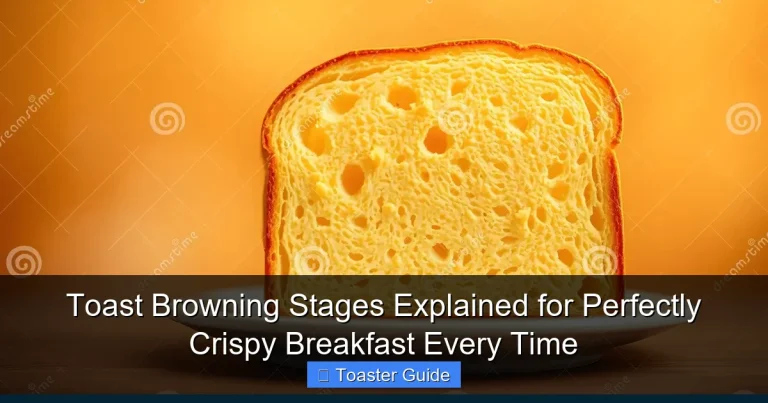
The most obvious way to judge toast doneness is by observing its color. Here’s a simple color progression to watch for:
- Pale Yellow: Barely toasted, soft texture.
- Light Golden: Slight crunch, mild flavor enhancement.
- Golden Brown: Classic perfect toast—crispy outside, soft inside.
- Dark Brown: Strong crunch, richer flavor but risk of bitterness.
- Black/Burnt: Overdone with an unpleasant bitter taste.
Look for a consistent color across the surface. Uneven browning may indicate toaster issues or incorrect bread placement. For tips on fixing uneven toast, check our guide on how to fix uneven toaster.
Surface Texture: Crispy or Soft?
The surface texture can tell you a lot about doneness. A perfectly done toast should have a firm, crisp exterior that breaks easily when you bite it, but the inside should remain slightly soft and warm. If the crust feels too hard or brittle, the toast is likely overdone.
Look for Bubbles and Blisters
Sometimes small bubbles or blisters appear on toast surfaces as the moisture evaporates during toasting. These are signs the toast is progressing towards doneness. If these bubbles start to turn dark or black, it’s a warning to remove the toast soon.
Using Other Senses to Judge Toast Doneness
Smell: The Aroma of Perfect Toast
The smell of toast changes as it cooks. A gentle nutty, warm aroma signals that sugars in the bread are caramelizing—the hallmark of toast doneness. If you begin to smell a sharp burnt odor, it’s time to take the toast out immediately.
Sound: The Crunch Test
Tap your toast lightly or listen as you bite into it. A crisp, crackling sound usually indicates the toast is done. A dull or soft sound suggests it might need a little more time. Don’t be shy to use this sensory clue as part of your judgment.
Touch: Feeling the Toast
Gently press the toast with your fingers. A done toast will feel firm but with a slight give, indicating the interior is still moist. If it feels hard and brittle throughout, it might be over-toasted.
Mastering Toaster Settings for Consistent Doneness
Know Your Toaster’s Controls
Understanding your toaster’s settings is crucial. Most toasters have a timer or shade selector ranging from light to dark. Don’t just set it arbitrarily—experiment with different levels to find your preferred doneness.
For a deep dive into how your toaster’s thermostat controls work to create the perfect toast, see our article How Toaster Thermostat Works Stunning Guide To Effortless Best Toast.
Adjusting for Bread Type and Thickness
Thicker slices or denser breads usually need longer toasting times. You may need to increase the browning setting or toast them twice on a lower setting to avoid burning the outside before the inside is done.
Use the Lever and Pop-Up Mechanism Wisely
Lower your bread gently using the toaster lever to ensure even heating. The pop-up mechanism signals that the timer has ended, but don’t rely solely on it if your toaster doesn’t brown evenly. For more details on this, check out How Toaster Lever Works Stunning Guide To The Best Toast and How Toaster Pop Up Mechanism Works Stunning Guide To Best Results.
Practical Tips for Perfect Toast Every Time
Start with Clean Toaster Slots
Crumbs and residue can cause uneven toasting or burning. Regularly clean your toaster’s crumb tray and slots to ensure even heat distribution. Our guides on how to clean a toaster and how to clean toaster crumbs offer easy steps to keep your toaster in top shape.
Toast in Batches for Consistency
To get consistent toast doneness, toast in small batches rather than crowding the toaster. This helps heat circulate evenly and prevents under or over-toasting slices.
Use a Timer or Stopwatch
If your toaster doesn’t have precise settings, use an external timer or stopwatch to measure how long it takes to reach your ideal doneness. Record these times for different breads to make future toasting foolproof.
Don’t Rush Cooling
Allow your toast to cool for a minute before spreading butter or toppings. This lets the steam escape and keeps the toast crisp rather than soggy.
Troubleshooting Common Toast Doneness Issues
Uneven Toasting
If one side is darker or lighter, check if the bread is centered properly. Also, your toaster’s heating elements might be faulty. Visit our article on how to fix uneven toaster for practical fixes.
Toast Not Browning Enough
Sometimes toast doesn’t brown despite toasting. This could be due to faulty heating elements or thermostat issues. Refer to how to fix toaster not heating for troubleshooting.
Burnt Toast
Burnt toast often results from too high settings or leaving the toast too long. Adjust your toaster timer or shade selector and keep an eye (and nose) on your toast. Learn more from our guide on why toaster burns toast.
Conclusion
Judging toast doneness perfectly every single time is easier than you think. By paying attention to visual cues like color and texture, using your senses of smell and touch, and understanding your toaster’s settings, you can create toast that’s just the way you like it. Remember, the type of bread and regular toaster maintenance also play a big role in your success.
Don’t be afraid to experiment a little and keep notes on what works best for your favorite breads. With these tips, you’ll never have to settle for disappointing toast again. Happy toasting!
Frequently Asked Questions
How can I tell if my toast is perfectly done?
Look for a uniform golden-brown color with a crisp surface and slightly soft interior. The aroma should be warm and nutty without any burnt smell.
Why does my toast sometimes come out unevenly toasted?
Uneven toasting can happen if the bread isn’t centered in the toaster or if the heating elements are malfunctioning. Cleaning crumbs and adjusting bread placement often helps.
Does the type of bread affect how I judge doneness?
Yes, different breads toast differently. Thicker or whole grain breads may take longer and brown unevenly compared to white bread, so adjust your toasting time accordingly.
How important is toaster maintenance for perfect toast?
Very important! Cleaning crumb trays and toaster slots helps heat distribute evenly and prevents burning. Regular maintenance ensures consistent toast quality.
Can I rely on my toaster’s pop-up to judge toast doneness?
The pop-up signals the end of the timer but doesn’t always guarantee perfect doneness. Use visual and sensory cues alongside the pop-up for best results.
What should I do if my toaster doesn’t brown toast enough?
Try increasing the browning setting or toasting for longer. If the problem persists, the heating elements or thermostat might need servicing.