Top Toaster Tricks for Frozen Bread You Need to Try Today

Frozen bread can be tricky to toast perfectly, but with the right toaster tricks, you can enjoy crispy, golden toast every time. From thawing tips to toaster settings, this guide shares practical methods to make your frozen bread deliciously fresh and ready in minutes.
Key Takeaways
- Pre-thawing helps: Letting frozen bread thaw slightly before toasting improves texture and even browning.
- Adjust toaster settings: Lower heat and longer toasting times prevent burnt outsides and cold insides.
- Use the defrost function: Many toasters have a defrost mode designed for frozen bread to toast it evenly.
- Double toasting technique: Toast once to thaw, then again to crisp for best results.
- Keep toaster clean: Removing crumbs prevents uneven heating and potential fire hazards.
- Know your bread type: Different breads may require varying techniques to toast frozen properly.
- Safety first: Avoid putting buttered or overly thick frozen bread slices without proper precautions.
📑 Table of Contents
- Top Toaster Tricks for Frozen Bread You Need to Try Today
- Understanding Why Frozen Bread Needs Special Care
- Top Toaster Tricks for Perfectly Toasted Frozen Bread
- Tips for Different Types of Frozen Bread
- Common Mistakes to Avoid When Toasting Frozen Bread
- Extra Hacks and Tips for Frozen Bread Lovers
- Conclusion: Make Frozen Bread Your New Toasting Favorite
Top Toaster Tricks for Frozen Bread You Need to Try Today
We all love the convenience of frozen bread. It’s a lifesaver when you want fresh toast on demand without the rush to finish bread before it spoils. But toasting frozen bread can be a challenge — too often, you end up with an unevenly toasted slice that’s cold in the middle or burnt on the outside. Fortunately, there are simple toaster tricks that can make your frozen bread taste as good as fresh.
In this guide, I’ll share practical tips, hacks, and expert advice to help you master the art of toasting frozen bread. Whether you’re using a basic pop-up toaster or a more advanced model with special features, these tricks will save you time and deliver perfect toast every time.
Ready to become a frozen bread toasting pro? Let’s dive in!
Understanding Why Frozen Bread Needs Special Care
What Happens When You Toast Frozen Bread?
Frozen bread contains ice crystals inside the dough. When you pop a frozen slice into the toaster, the heat needs to melt those crystals before the bread can start to toast. If the toaster heats too quickly, the outside browns fast while the inside stays cold and doughy. This leads to uneven texture and flavor disappointment.
Why Not Just Toast It Like Fresh Bread?
Fresh bread toasts quickly because it’s at room temperature and moisture is more evenly distributed. Frozen bread is colder and denser with moisture locked in ice. This difference means frozen bread requires different treatment to ensure it thaws and toasts evenly without burning.
Benefits of Mastering Frozen Bread Toasting
- Less bread waste because you can freeze and store longer.
- Enjoy fresh-tasting toast anytime without rushing to buy fresh bread.
- Save money by buying bread in bulk and freezing portions.
- Perfect for busy mornings when you need a quick, tasty breakfast.
Top Toaster Tricks for Perfectly Toasted Frozen Bread
1. Use the Defrost Setting on Your Toaster
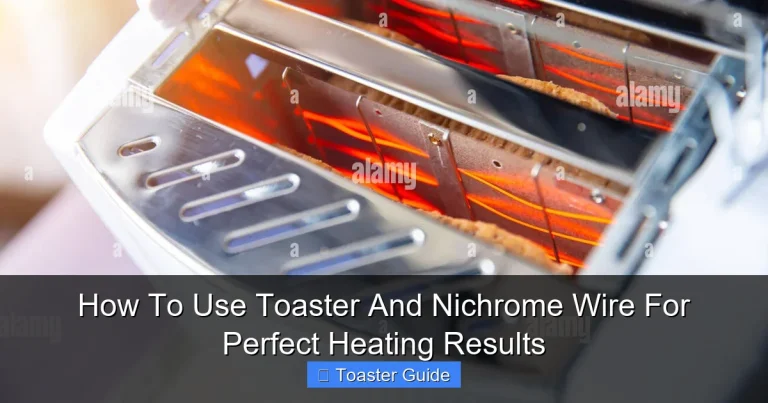
Many modern toasters come with a defrost function designed specifically for frozen bread. This feature gently thaws the bread before applying full heat for toasting. Always check if your toaster has this option and use it for frozen slices to avoid burnt exteriors and cold centers.
2. Adjust Your Toaster Settings: Lower and Longer
If your toaster lacks a defrost mode, try lowering the heat setting and increasing the toasting duration. This slower approach allows the bread to warm through gradually, reducing the risk of burning outside while the inside remains frozen.
3. Double Toasting Technique
A handy trick is to toast frozen bread twice. First, toast it on a low setting just until the bread thaws. Then, toast it again on a higher setting to get that perfect golden-brown crispiness. This method works wonders for thick slices or artisanal bread that tends to toast unevenly.
4. Slightly Thaw Before Toasting
Whenever possible, let frozen bread sit out at room temperature for 5-10 minutes before toasting. This short thaw reduces ice crystals and helps your toaster work more efficiently. If you’re in a rush, microwaving for 10-15 seconds on low power can also help without drying the bread out.
5. Toast One Slice at a Time
To ensure even heat distribution, toast one slice at a time, especially if your toaster slots are narrow or unevenly heated. This prevents overcrowding, allowing each slice to toast uniformly and prevents the toaster from working harder and unevenly.
Tips for Different Types of Frozen Bread
Whole Wheat and Multigrain Breads
These breads tend to be denser and moister. Use the defrost function or the double toasting trick to avoid soggy centers. Lower the heat slightly compared to white bread to prevent burning the grains.
Sourdough and Artisan Breads
Thick crusts on these breads can brown quickly. Pre-thawing or toasting on a lower setting helps warm the inside. Be mindful of uneven thickness; rotating the slice halfway through toasting can improve results.
Bagels and Buns
Bagels and buns often require different treatment since they are denser and sometimes buttered. Refer to our detailed guide on toasting bagels in a toaster for safe and perfect results with frozen varieties.
Thick Slices and Specialty Breads
Thick slices like Texas toast or focaccia need extra time to thaw inside. Use the double toasting method and consider slightly lowering the toaster setting to avoid burning the outside.
Common Mistakes to Avoid When Toasting Frozen Bread
Putting Buttered or Wet Bread Directly in Toaster
Butter or moisture can drip and cause smoke or even damage your toaster. Let frozen bread thaw first before spreading butter or toppings. For more on this, check our guide on putting buttered bread in the toaster.
Using High Heat Settings Immediately
High heat burns the outside too quickly. Start on lower heat or use the defrost setting to warm the bread gradually.
Ignoring Toaster Maintenance
Crumbs and residue build-up can cause uneven heating and fire risks. Regular cleaning is essential for safety and better toasting. Learn how to keep your toaster crumb-free with our toaster cleaning guide.
Overloading Toaster Slots
Don’t jam oversized frozen bread slices or multiple slices together. This can cause uneven toasting and even damage your toaster.
Extra Hacks and Tips for Frozen Bread Lovers
Use a Toaster Oven for Larger or Thicker Slices
If your bread is too thick or irregularly shaped, a toaster oven can give better results because of its adjustable temperature and space. Toast on a lower temperature to let the bread thaw and toast evenly.
Toast Then Freeze Again for Crispy Croutons or Breadcrumbs
Turn leftover frozen bread into crunchy croutons or breadcrumbs by toasting twice and then refreezing if needed. This is a great way to reduce waste.
Experiment with Toppings After Toasting
Once your frozen bread is toasted perfectly, add your favorite spreads or toppings. Remember to add butter, jam, or avocado after toasting for the best texture and flavor.
Use High-Quality Frozen Bread
Not all frozen bread is created equal. Freshly frozen artisanal or bakery bread often toasts better than pre-packaged frozen bread from the supermarket. When possible, freeze your own bread at home for optimal freshness.
Conclusion: Make Frozen Bread Your New Toasting Favorite
Toasting frozen bread doesn’t have to be a frustrating experience. With these simple toaster tricks—like using the defrost function, adjusting settings, double toasting, and knowing your bread type—you can enjoy perfectly toasted slices that taste fresh and delicious every time. Remember to avoid common mistakes like using high heat immediately or putting buttered bread directly in the toaster, and always keep your toaster clean and well-maintained.
Frozen bread is a convenient and practical kitchen staple, and mastering these tricks will save you time, money, and disappointment. For more expert toaster tips, including what not to put in your toaster or how to keep it clean, explore our related guides linked throughout this article.
Now, go ahead—grab that frozen bread and put these tricks to the test. Your perfect toast awaits!
🎥 Related Video: How to use a toaster #breakfast #bread #shorts
📺 VIE RECIPE
Frequently Asked Questions
Can you put frozen bread directly into a toaster?
Yes, you can put frozen bread directly into a toaster, but it’s best to use the defrost setting or adjust the heat to a lower level for longer toasting. This helps ensure the bread thaws and toasts evenly without burning.
What is the best toaster setting for frozen bread?
Using a medium to low heat setting or the defrost function is ideal for frozen bread. This allows the bread to thaw inside before the outside crisps up, preventing burnt edges and cold centers.
Is it better to thaw frozen bread before toasting?
Thawing frozen bread for a few minutes at room temperature or microwaving briefly can improve toasting results. It helps the bread heat more evenly and reduces the risk of burning the crust while the inside remains cold.
Can I toast buttered frozen bread?
It’s not recommended to toast buttered frozen bread directly because the butter can melt and drip inside the toaster, causing smoke or fire hazards. Instead, toast the bread first, then add butter or toppings.
How do I prevent frozen bread from getting soggy after toasting?
Ensure your bread is fully toasted and crisp by using the double toasting method or higher heat in the second cycle. Avoid covering the toast immediately after toasting so steam doesn’t make it soggy.
Why does my frozen bread burn on the outside but stay cold inside?
This happens when the toaster heats too quickly, burning the crust before the inside thaws. Using the defrost function, lowering the heat, or toasting in two stages can solve this issue by allowing even heating.