What Is Tex-Mex Paste A Simple Guide to This Flavor Boost

Tex-Mex paste is a thick, concentrated flavor base made with chilies, spices, and often tomato. It’s a fast way to add bold, savory taste to pasta, tacos, soups, and more.
Tex-Mex paste is a thick, bold seasoning base made to add fast flavor to food. It usually blends chili, tomato, garlic, onion, spices, and sometimes oil or vinegar. Home cooks use it to make pasta, tacos, soups, and casseroles taste richer with less effort.
- Simple definition: It’s a thick paste used to add fast Tex-Mex flavor.
- Best use: It works well in pasta sauces, fillings, soups, and casseroles.
- Buying tip: Check heat, salt, and ingredient balance before you buy.
- Storage tip: Refrigerate after opening if the label says to, and use clean spoons.
What Is Tex-Mex Paste? A Simple Definition for Home Cooks
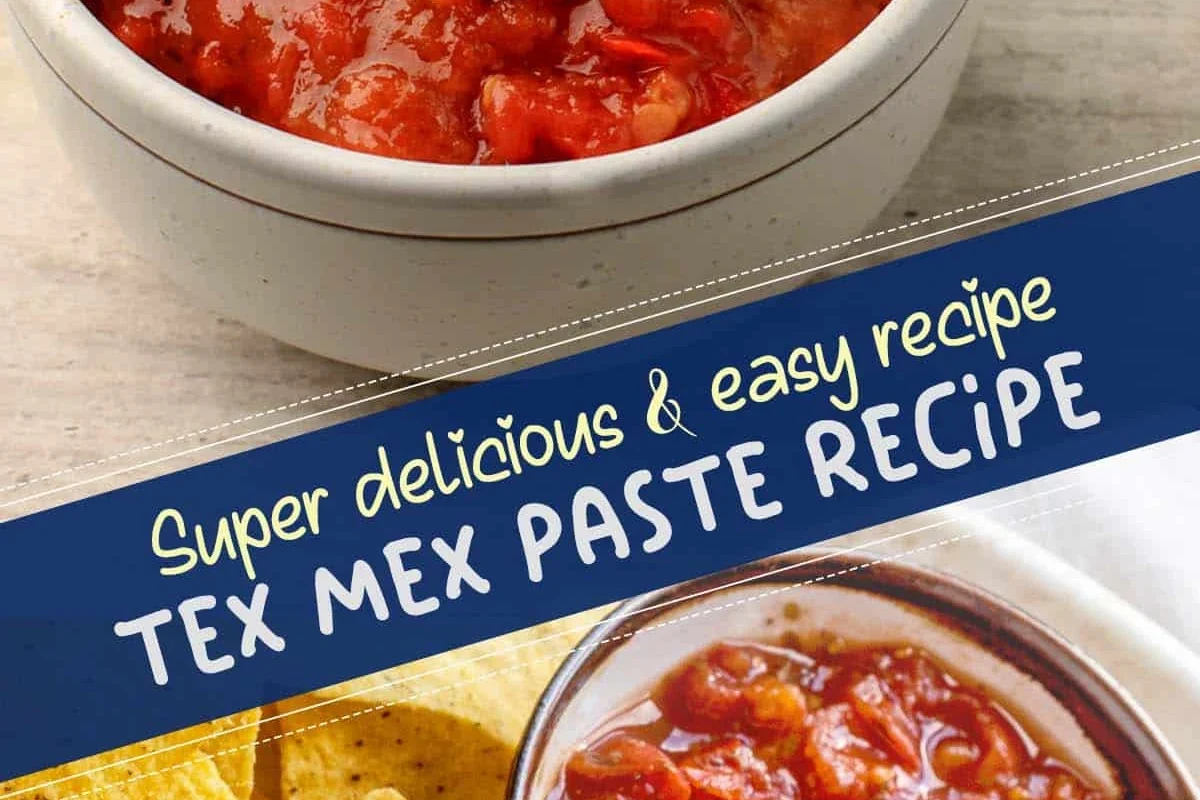
At its core, Tex-Mex paste is a concentrated flavor paste. Think of it as a shortcut that brings warm, smoky, tangy, and savory notes to a dish.
It sits somewhere between a sauce and a seasoning. But it is not quite either one.
You can stir it into hot food, spread it through fillings, or thin it with broth, water, or cream. That makes it handy when you want a lot of flavor without building it from scratch.
How Tex-Mex Paste Differs From Sauce, Salsa, and Seasoning
Tex-Mex paste is thicker than sauce and smoother than salsa. It clings to food instead of running off.
Sauce usually has more liquid. Salsa often has chunks and a fresher taste. Dry seasoning gives flavor too, but it needs liquid and time to bloom.
Paste can act like a bridge between them. It gives the punch of seasoning with the body of a sauce base.
Recipes and store brands vary a lot. Some pastes lean smoky and mild. Others taste sharp, salty, or quite hot.
What Searchers Usually Mean When They Ask This Question
Most people asking “what is Tex-Mex paste” want a plain answer and a practical use. They may have seen it in a recipe and want to know if they can substitute it.
Others want to know if it tastes like taco seasoning, enchilada sauce, or salsa. The short answer is that it borrows from all three, but it acts like a paste.
If you’re cooking at home, the real question is simple. Can it save time and still make food taste good? Usually, yes.
Can you use Tex-Mex paste in pasta?
Yes. It works well in creamy sauces, tomato sauces, and baked pasta when you want a bold, savory twist.
What’s Inside Tex-Mex Paste?
The exact mix depends on the brand or recipe. Still, most versions follow the same flavor pattern.
You’ll often see chili peppers, tomato, onion, garlic, cumin, paprika, and salt. Some versions also include oil, vinegar, sugar, or starch for body and balance.
Common Ingredients and Flavor Builders
These ingredients do the heavy lifting:
- Chili peppers bring heat and depth.
- Tomato adds body and a mild tang.
- Garlic and onion build a savory base.
- Cumin adds earthy, warm flavor.
- Paprika adds color and gentle smoke.
- Vinegar or lime notes add brightness.
Some pastes also include spices like oregano or coriander. A few use sweeteners to round out sharp heat.
That balance matters. Without it, the paste can taste flat or too sharp.
Texture, Color, and Thickness Explained
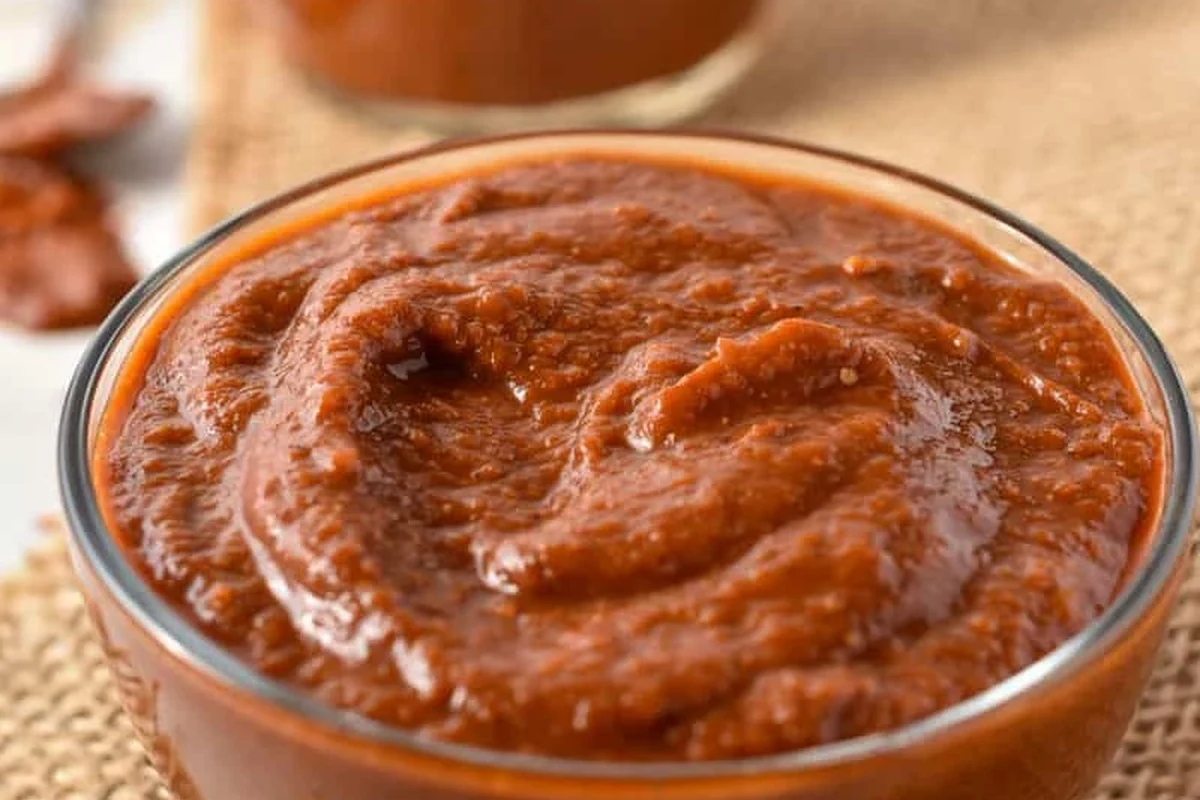
Tex-Mex paste is thick enough to scoop with a spoon. It should hold its shape better than salsa.
Color usually ranges from deep red to brick orange or dark rust. The shade depends on the chilies, tomato, and spices used.
The thickness helps it spread through food evenly. It also lets the flavor stick to meat, vegetables, and pasta.
Thicker flavor bases often taste stronger because they coat food instead of sinking to the bottom.
Store-Bought vs. Homemade Versions
Store-bought paste is the easiest choice. It saves time and gives you a steady flavor from jar to jar.
Homemade paste gives you more control. You can change the heat, salt, and smoke level to fit your meal.
Store-bought versions may contain more salt or preservatives. Homemade versions may not keep as long and often need refrigeration.
- Fast to use on busy nights
- Easy to store in the pantry
- Works in many savory dishes
- Flavor can vary by brand
- Some versions are salty
- Heat level may surprise you
How Tex-Mex Paste Works in Cooking
Tex-Mex paste works because it packs several flavor layers into one spoonful. You get heat, salt, acid, and spice in a single step.
That makes it useful when you want dinner to taste like it simmered for a long time. In reality, it can come together fast.
Why It Adds Fast Flavor to Pasta and More
Paste spreads through warm fat and liquid quickly. Once it hits the pan, the flavors open up.
That means it can wake up a plain sauce, broth, or filling in minutes. It’s a good fit for pasta because pasta needs bold seasoning to stand out.
It also helps when dinner feels bland. A spoonful can make a simple skillet meal taste more complete.
Warm the paste in oil for a minute before adding liquid. That helps the spices taste fuller and less raw.
Best Ways to Stir It Into Sauces, Fillings, and Marinades
Start small. A little paste can go a long way.
Try it in these ways:
- Stir it into tomato sauce for pasta.
- Mix it into cream sauce for a smoky finish.
- Blend it into taco meat or bean fillings.
- Whisk it into broth for soup or chili.
- Use it in marinades for chicken, tofu, or vegetables.
If the paste is very thick, loosen it with a splash of water, broth, or oil first. That helps it mix more evenly.
When to Add It During Cooking
Most of the time, add Tex-Mex paste early. Let it cook briefly in oil or with onions and garlic.
That step softens sharp edges and deepens the flavor. After that, add liquid, tomatoes, cream, or broth.
You can also add a little near the end. That works if you want a brighter, stronger finish.
Always taste before adding more salt. Many pastes already contain a lot of sodium.
Best Uses for Tex-Mex Paste in the Kitchen
Tex-Mex paste is flexible. It fits more than tacos, and that’s part of its appeal.
It can help you turn a plain pantry meal into something more exciting. That’s useful on nights when you don’t want a long ingredient list.
Pasta Dishes, Baked Pasta, and One-Pan Meals
This is where the paste really shines for Pasta Blog readers. It can give red sauces a deeper, warmer taste.
Try it in baked ziti, skillet pasta, or creamy noodle dishes. It also works in one-pan meals with chicken, beans, or vegetables.
For a fast dinner, stir it into cooked pasta with a little butter, cheese, and pasta water. That makes a simple, bold sauce.
Tacos, Bowls, Soups, and Casseroles
Tex-Mex paste is a natural fit for tacos and burrito bowls. It gives ground meat, beans, and rice a fuller flavor.
It also works well in soups and casseroles. A spoonful can make a bean soup taste richer and more layered.
If you make casseroles often, it can save time. You get a stronger base without mixing many spices.
Easy Recipe Ideas for Busy Weeknights
Here are a few simple ways to use it:
- Stir into jarred tomato sauce for quick Tex-Mex pasta.
- Mix with sour cream for a fast dip or drizzle.
- Cook with ground turkey, onions, and beans for taco filling.
- Blend with broth and corn for a quick soup base.
- Toss with roasted vegetables and rice for a fast bowl.
These ideas work because they keep the process simple. You do not need a long spice shelf.
- Use less paste than you think at first.
- Add acid or cream to balance strong heat.
- Save some pasta water to help sauces loosen.
What to Look For When Buying Tex-Mex Paste
Buying a good paste is mostly about balance. You want bold flavor, but not so much salt or heat that it takes over the dish.
Ingredient lists can tell you a lot before you open the jar.
Ingredient Quality and Flavor Balance
Look for a short, clear ingredient list when possible. Real peppers, tomato, garlic, and spices are a good sign.
If sugar or starch appears near the top, the paste may taste sweeter or thicker than you want. That’s not always bad, but it changes the result.
Choose a paste that matches your cooking style. Mild, smoky, bright, or hot all serve different meals.
- Check the heat level.
- Check the salt content.
- Check the ingredient list.
- Check the jar size.
- Check storage directions.
Heat Level, Salt, and Sugar Content
Heat level is the first thing many people notice. If you cook for kids or mild eaters, choose a gentle version.
Salt matters too. A salty paste can push a dish over the edge fast.
Sugar can help balance acidity and heat. Still, too much can make the paste taste more like a sweet sauce than a savory base.
Jar Size, Shelf Life, and Value for Money
Jar size should match how often you’ll use it. A large jar can be a good value if you cook Tex-Mex meals often.
If you only use it once in a while, a smaller jar may make more sense. That helps avoid waste after opening.
Shelf life varies by product and storage method. Always follow the label and keep the lid clean.
Benefits and Limits of Tex-Mex Paste
Tex-Mex paste is useful, but it is not magic. It can make cooking easier, yet it still needs balance and care.
Knowing the limits helps you use it well.
Why It’s Handy for Quick, Bold Meals
It saves time. That’s the biggest win.
You can build a strong base without measuring many spices. It also helps when you want your food to taste layered and rich.
For busy cooks, that kind of shortcut can be a real relief.
- Fast flavor in one spoonful
- Works in many dishes
- Helps plain food taste fuller
Where It Can Fall Short in Flavor or Use
Some pastes taste too salty or too sharp. Others may be too mild for people who want real heat.
It can also clash with delicate dishes. A light cream sauce or mild vegetable dish may get overwhelmed.
And if the jar is old or poorly sealed, the flavor can fade. Smell and look matter.
Who Will Like It Most
Tex-Mex paste is best for home cooks who want fast, bold flavor. It’s great for people who make pasta, bowls, tacos, or skillet meals often.
It also suits cooks who like pantry shortcuts. If you enjoy simple weeknight cooking, you’ll probably use it often.
Busy cooks who want fast flavor in many meals.
People who want very light or delicate seasoning.
Common Mistakes, Safety Tips, and Storage Advice
Most mistakes with Tex-Mex paste are easy to fix. The big ones are using too much, forgetting salt, and storing it badly.
A little care goes a long way here.
How to Avoid Overusing It or Making Food Too Salty
Start with a small spoonful. You can always add more.
Let the dish simmer, then taste again. Heat and salt often feel stronger after the food rests for a few minutes.
If the dish gets too intense, add more liquid, beans, rice, pasta, or dairy. Those ingredients can soften the flavor.
- Add paste in small amounts.
- Taste before salting again.
- Balance with liquid or dairy.
- Dumping in a full spoon without tasting.
- Using it in every dish the same way.
- Ignoring how salty the jar already is.
How to Store Opened Paste Safely
Follow the label first. Some pastes need refrigeration after opening.
Use a clean spoon each time. That helps keep the jar fresh longer.
Close the lid tightly and keep the paste away from heat and moisture. If you see mold, odd smells, or a bad color change, throw it out.
Stop using any paste that smells off, looks moldy, or has changed in a worrying way.
Cleaning Tips for Jars, Spoons, and Prep Tools
Wipe the rim before sealing the jar. That helps keep dried paste from building up.
Wash spoons, measuring tools, and cutting boards soon after use. Dried paste can stain and stick.
If the paste is oily, use warm water and dish soap. That usually lifts residue faster.
Wipe the jar rim, wash tools, and seal the lid tightly.
Check the jar for spoilage, drying, or lid damage.
Final Verdict: Is Tex-Mex Paste Worth Keeping in Your Pantry?
Yes, for most home cooks, Tex-Mex paste is worth keeping around. It gives you fast, bold flavor with very little effort.
It works especially well in pasta, tacos, soups, bowls, and casseroles. If you like easy weeknight cooking, it can become a real pantry helper.
Best Use Cases and Final Recommendation from Red Kitchen Project
Red Kitchen Project recommends Tex-Mex paste for cooks who want a simple flavor boost. It’s best when you need a quick base for savory meals.
Choose a mild or medium version if you cook for mixed tastes. Choose a stronger version if you want a bigger kick.
If you prefer delicate food, you may not reach for it often. But for bold, practical cooking, it earns its shelf space.
Simple Takeaway for Readers Who Want More Flavor Fast
Tex-Mex paste is a thick seasoning base that makes food taste deeper and more complete. Use it like a shortcut, but start small and taste as you go.
If you want more flavor fast, it’s a smart pantry staple. For many home cooks, that’s the whole point.
Frequently Asked Questions
Yes, it works well in tomato, cream, and baked pasta sauces. Start with a small amount and taste before adding more salt.
Tex-Mex paste is thicker and more concentrated than salsa. Salsa is usually looser and often has a fresher, chunkier feel.
Most versions include chili peppers, tomato, garlic, onion, cumin, paprika, and salt. Some also include oil, vinegar, sugar, or starch.
Start with a small spoonful, then taste and adjust. The right amount depends on the brand, the dish, and how strong you want the flavor.
Follow the label, and refrigerate it if the jar says to do so. Use a clean spoon each time and discard it if it smells off or looks moldy.
Check the heat level, salt content, ingredient list, and jar size. Choose a flavor balance that fits the meals you cook most often.