How to Make Pasta Without a Machine Easy Homemade Guide

You can make fresh pasta without a machine using just a rolling pin and a knife. The key is to rest the dough, roll it thin, and cook it quickly.
If you want fresh pasta but don’t own a machine, you can still make it at home. The basic process is simple: mix a dough, rest it, roll it thin, then cut it by hand.
It takes a little patience, but the result can be great. Hand-rolled pasta works well for weeknight dinners, special meals, and anyone who likes a more hands-on kitchen project.
- Simple tools: A rolling pin and sharp knife are enough.
- Rest matters: Let the dough relax before rolling it out.
- Thin and even: Roll the dough evenly for better texture.
- Cook fast: Fresh pasta boils much faster than dried pasta.
- Best for small batches: Hand-making works well for home cooks.
How to Make Pasta Without a Machine: The Simple Answer

You do not need a pasta machine to make fresh pasta. You only need a simple dough, a rolling pin, and a sharp knife or pizza cutter.
The main goal is to roll the dough thin and keep it even. Once you do that, you can cut noodles, sheets, or stuffed pasta shapes.
Dust the work surface lightly with flour. Too much flour can make the dough dry and hard to roll.
What You Need Before You Start

Fresh pasta starts with a short list of basic ingredients and tools. Most home cooks already have what they need.
Basic ingredients for fresh pasta dough
Classic pasta dough usually uses flour, eggs, and a little salt. Some recipes also add a small splash of water or olive oil.
Use what your recipe calls for, since flour type and egg size can change the dough texture. If the dough feels too stiff or too wet, small changes help more than big ones.
Flour choice changes the feel of the dough. Softer flour gives a silkier bite, while all-purpose flour is easier to find.
Helpful tools you likely already own
A rolling pin does most of the work. If you do not have one, a clean wine bottle can help in a pinch.
You will also want a bench scraper, a fork, and a clean towel. A ruler is optional, but it helps if you want even strips.
Step-by-Step Guide to Rolling and Cutting Pasta by Hand
The process is easy once you break it into small steps. Work slowly, and don’t rush the resting time.
Combine the ingredients until a shaggy dough forms. Knead until it feels smooth and firm.
Wrap it or cover it well. Let it rest so the gluten relaxes.
Flatten the dough with a pin. Keep turning it so it stays even.
Slice the dough into noodles or sheets. Separate the pieces before cooking.
Mixing and resting the dough
Start by mixing until the dough comes together. At first, it may look rough or dry, and that’s normal.
Knead until the dough feels smooth and elastic. Then let it rest, covered, for at least 20 to 30 minutes.
Resting matters because it makes rolling easier. If you skip it, the dough may spring back and fight you.
Rolling the dough thin enough
Cut the dough into smaller pieces before rolling. Smaller pieces are easier to control and roll more evenly.
Press each piece into a flat oval first. Then roll from the center outward, turning the dough often.
You want the sheet thin enough to almost see your hand through it. For many pasta shapes, that thinness gives the best bite after cooking.
- Keep unused dough covered so it does not dry out.
- Use light, even pressure instead of pushing hard.
- If the dough shrinks, let it rest for a few more minutes.
Cutting shapes like fettuccine, pappardelle, and sheets
For fettuccine, fold the sheet loosely and slice strips with a sharp knife. Unfold the strips right away so they do not stick together.
For pappardelle, cut wider ribbons. For lasagna or baked dishes, leave the dough in flat sheets.
After cutting, dust the pasta lightly with flour. Then lay it on a tray or clean towel in a loose layer.
Best Pasta Shapes to Make Without a Machine
Some shapes are much easier by hand than others. If you’re new to pasta, start simple.
Long noodles for easy weeknight meals
Long noodles are the best choice for hand-rolled pasta. Fettuccine, tagliatelle, and pappardelle all work well.
These shapes do not need perfect edges. A little variation actually adds charm and helps the sauce cling.
Fresh pasta usually cooks much faster than dried pasta because it contains more moisture.
Filled pasta and sheet pasta for special dishes
Hand-rolled sheets also work well for ravioli, tortellini, and lasagna. These shapes need thin, even dough, but they do not require a machine.
Filled pasta takes more time, though. If you want a calmer first try, make noodles before moving on to stuffed shapes.
Common Mistakes and How to Fix Them
Most pasta problems are easy to solve. The key is to notice the dough’s feel and adjust in small steps.
Dough that feels too dry or too sticky
If the dough feels dry, add a tiny bit of water or beaten egg. Add only a few drops at a time.
If it feels sticky, dust it with a little flour and knead again. Too much flour can make the dough tough, so go slowly.
The dough cracks when you roll it.
Let it rest longer and add a small amount of moisture if needed.
Pasta that tears, sticks, or cooks unevenly
Tearing often means the dough is too dry or too thin in one spot. Uneven cooking usually comes from uneven rolling or clumped noodles.
To fix sticking, dust the pasta lightly and separate the strands before cooking. If one batch cooks faster, the pieces were likely cut at different thicknesses.
Benefits, Limits, and When Hand-Made Pasta Makes Sense
Making pasta by hand has real benefits, but it is not perfect for every kitchen. Knowing the trade-offs helps you decide when it’s worth the effort.
Why hand-rolled pasta works well for home cooks
Hand-rolled pasta needs little equipment and very little storage space. That makes it a strong choice for small kitchens.
It also gives you more control over the dough. You can stop when the texture looks right instead of relying on a machine setting.
You can start with basic tools you likely already own.
Roll noodles, sheets, or filled pasta with the same dough.
When a machine might still be worth it
A machine can help if you make pasta often or want very even sheets with less effort. It can also save time for larger batches.
Still, a machine is not required. If you make pasta once in a while, hand rolling is often enough.
- Cheap to start
- Easy to store
- Good for small batches
- Takes more elbow grease
- Sheets may be less even
- Slower for big batches
Cooking, Storing, and Cleaning Up After Fresh Pasta
Fresh pasta cooks fast, stores well for a short time, and cleans up easily if you stay organized. A little planning makes the whole process smoother.
How to cook fresh pasta the right way
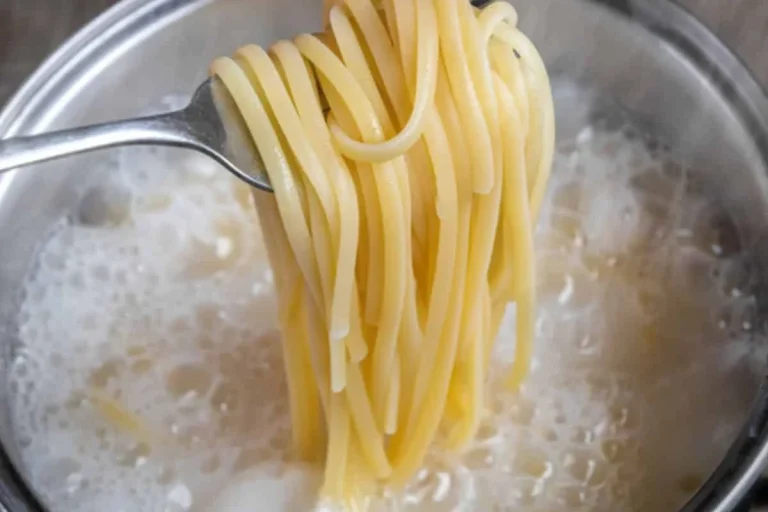
Bring a large pot of salted water to a boil. Add the pasta and stir right away so it does not clump.
Fresh pasta cooks much faster than dried pasta. Start checking it early, since it can go from tender to overdone fast.
When it floats and tastes tender, it is usually ready. Drain it and toss it with sauce right away.
Use caution around boiling water and hot steam. Keep children away from the stove and drain pasta carefully.
How to dry, store, and clean your tools
If you are not cooking the pasta right away, let it dry a little first. Then store it in a single layer or dusted nest shape.
For short storage, refrigerate it if your recipe and local food-safety guidance allow it. For longer storage, freezing is often easier than drying fully at home.
Clean flour and dough bits from your tools before they harden. A dry brush or bench scraper helps, and most surfaces wipe clean with warm soapy water.
Brush off flour, wipe the counter, and wash cutting tools.
Check rolling pins, boards, and storage containers for wear or leftover moisture.
Final Recommendation: Is Homemade Pasta Without a Machine Worth It?
Yes, for most home cooks, it’s absolutely worth trying. If you want fresh pasta with simple tools, hand rolling gets the job done.
It works best for small batches, simple shapes, and cooks who like a relaxed kitchen project. If you make pasta often or need perfect sheets every time, a machine may still be useful.
Hand-made pasta is a smart, low-cost way to make fresh noodles at home. It’s the best choice for small kitchens and casual cooks, while a machine makes more sense for frequent, high-volume pasta making.
- Mix, rest, roll, and cut with simple tools.
- Keep the dough thin and evenly shaped.
- Start with noodles before trying stuffed pasta.
- Cook fresh pasta quickly and watch it closely.
Frequently Asked Questions
Fresh pasta cooks much faster than dried pasta. Start checking it early, since timing changes with thickness and shape.
Add a few drops of water or a little beaten egg if the dough is dry. If it feels sticky, dust it lightly with flour and knead again.
Yes, hand-rolled sheets work well for ravioli, lasagna, and other filled pasta. You just need to roll the dough thin and keep it even.
You can dry it briefly, then refrigerate or freeze it based on your recipe and food-safety guidance. Keep the pieces separated so they do not stick together.
The biggest mistake is rushing the dough. Resting it helps the gluten relax, which makes rolling much easier.
No, you only need basic kitchen tools. A rolling pin, a sharp knife, and a clean work surface are enough for most shapes.