Is Pasta Salad Healthy What You Need to Know

Pasta salad can be healthy when it includes vegetables, protein, and a lighter dressing. It gets less healthy when it is mostly refined pasta with creamy sauce and large portions.
Yes, pasta salad can be healthy. It depends on the pasta, the mix-ins, the dressing, and the portion size.
Some versions give you fiber, protein, and plenty of vegetables. Others turn into a heavy side dish with lots of refined carbs, creamy dressing, and extra salt.
- Healthy depends on balance: Pasta salad works best with vegetables and protein.
- Fiber matters: Whole grain or bean pasta can help you stay full longer.
- Dressing changes everything: Creamy sauces can add lots of calories fast.
- Portion size counts: Big bowls of pasta salad can turn into a heavy meal.
Is Pasta Salad Healthy? The Short Answer
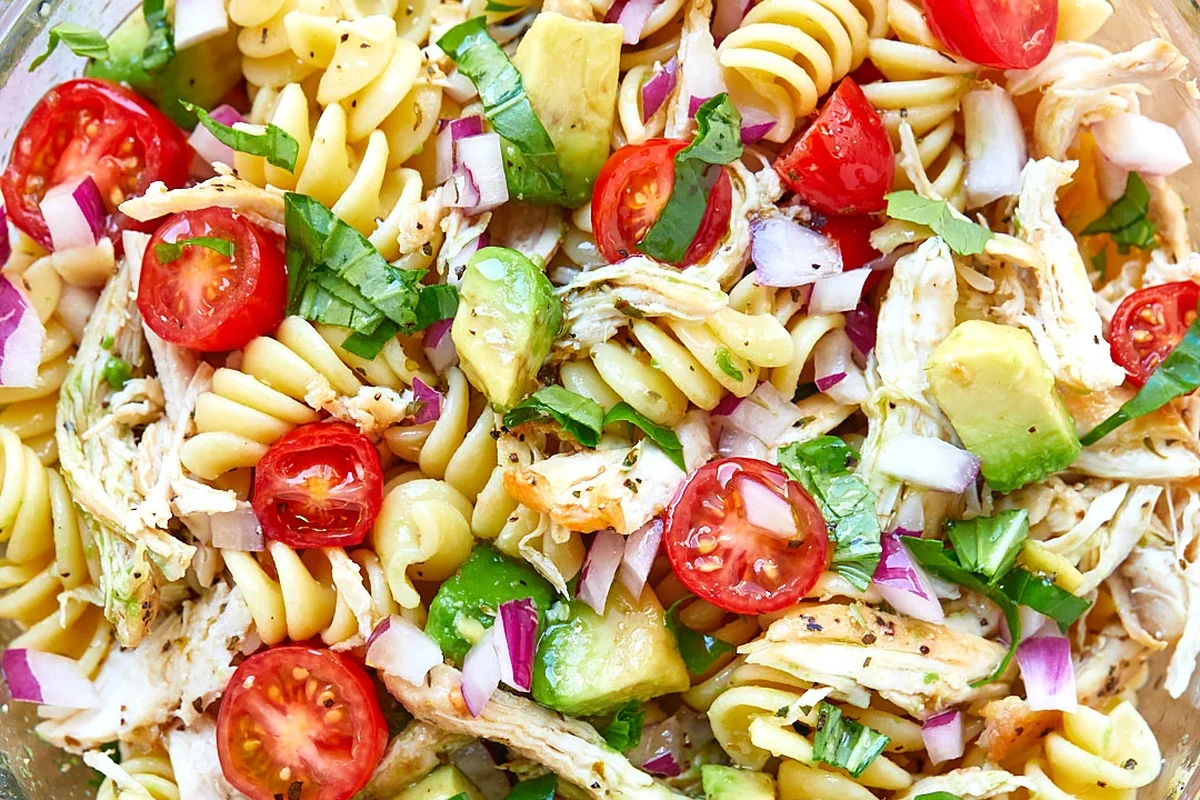
Pasta salad is healthy when it helps you build a balanced meal. It gets less healthy when it turns into mostly pasta plus rich dressing.
The good news is that you can shape it either way. That makes it a useful dish for busy weeks, picnics, and meal prep.
What makes pasta salad healthy or not
The biggest factor is balance. A healthy pasta salad usually has vegetables, some protein, and a dressing that adds flavor without going overboard.
If the bowl is mostly white pasta and creamy sauce, it will fill you up fast. It may also leave you hungry again soon after.
Can pasta salad be a full meal?
Yes, if you add protein, vegetables, and a sensible portion of pasta.
When pasta salad fits a balanced meal
Pasta salad works well when you want one dish that covers several food groups. For example, you can pair pasta with beans, chicken, tuna, tofu, or eggs.
It also fits well beside grilled meat, soup, or a sandwich. In that case, keep the portion smaller and let the rest of the meal carry the balance.
What’s in Pasta Salad and Why It Matters
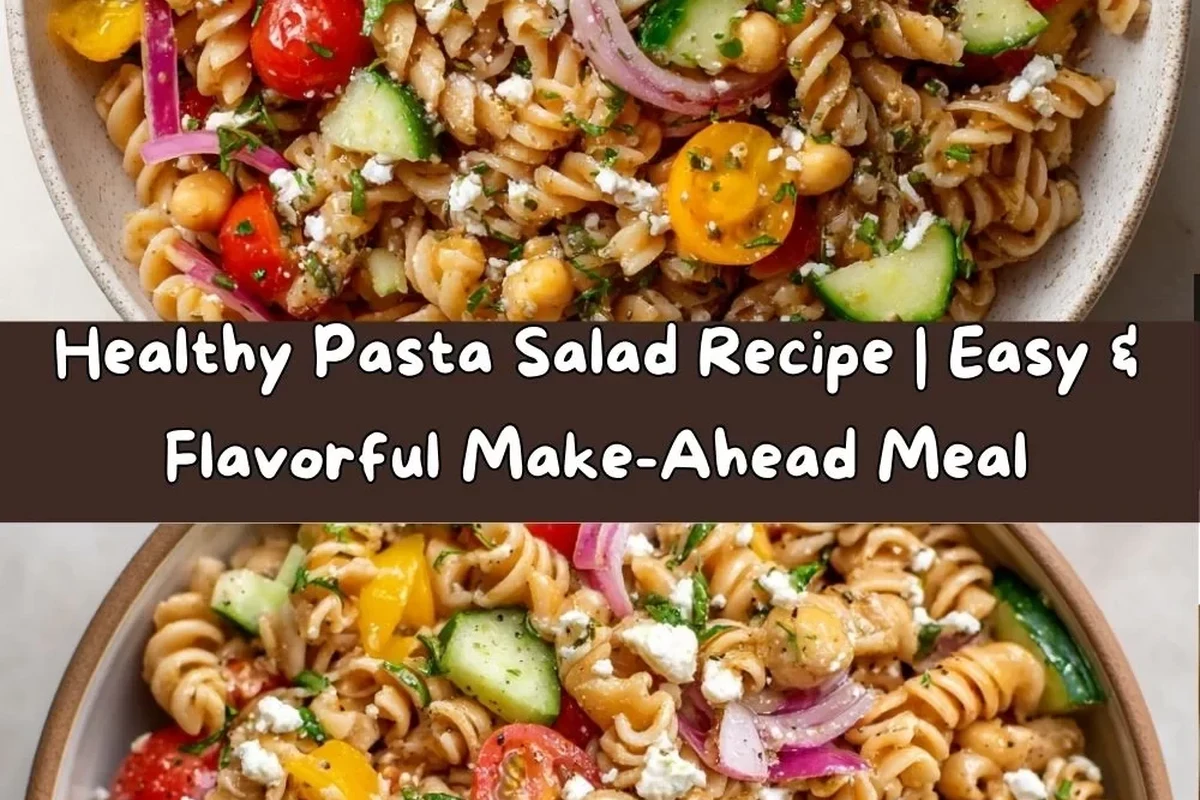
The nutrition in pasta salad depends on each part of the bowl. A few smart choices can change the whole dish.
Common pasta types and their impact
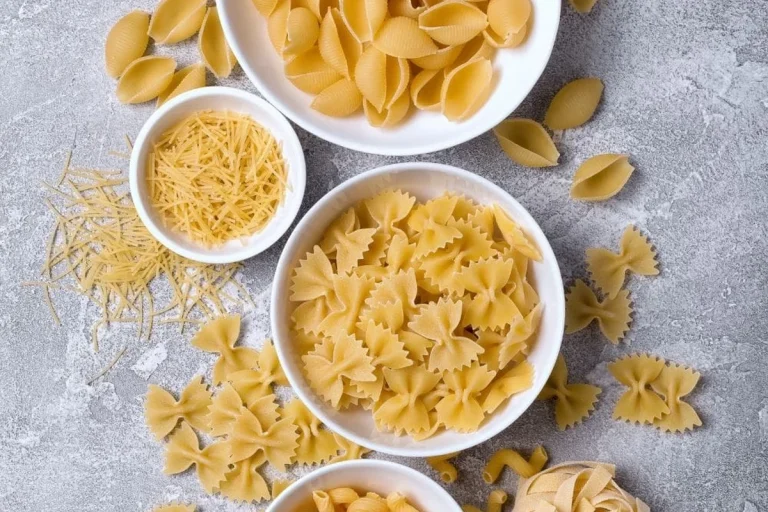
Regular white pasta is common because it tastes mild and cooks fast. It gives quick energy, but it has less fiber than whole grain pasta.
Whole wheat pasta often brings more fiber and a firmer bite. Chickpea, lentil, and bean-based pasta can add more protein too.
Nutrition varies by brand and recipe. Always check the label if you want more fiber, protein, or less sodium.
Veggies, protein, and healthy fats
Vegetables add color, crunch, and vitamins. They also help make the dish more filling without adding many calories.
Protein helps the salad feel like a real meal. Healthy fats from olives, avocado, nuts, or seeds can also improve taste and satisfaction.
Dressings, cheese, and high-calorie add-ins
Dressing can make or break the dish. A little olive oil and vinegar can keep things light, while creamy dressings can raise the calorie count fast.
Cheese, bacon, pepperoni, and croutons can taste great. Still, they can also push the salad toward a heavier side dish.
- Use strong flavors so you need less dressing.
- Mix in crunchy vegetables for better texture.
- Add protein before adding extra cheese.
How Pasta Salad Affects Nutrition
Pasta salad can support energy and fullness. It can also swing the other way if the mix is unbalanced.
Carbs, fiber, and fullness
Pasta gives your body carbohydrates, which are a main energy source. That can be helpful after a long day or before an active afternoon.
Fiber changes the picture. More fiber usually means better fullness and steadier digestion, especially when you use whole grains or beans.
Protein balance for steady energy
Protein helps slow digestion and can keep hunger in check. That matters if you want your pasta salad to carry you through lunch.
Without protein, the meal may feel incomplete. You may end up snacking soon after, even if the bowl looked large.
Sodium, sugar, and hidden calories
Store-bought dressings, cured meats, olives, and cheese can add a lot of sodium. That may matter if you watch your salt intake.
Some bottled dressings also contain added sugar. The calories can climb quickly when you use a heavy hand with oil, mayo, or cheese.
Health Benefits of Pasta Salad
When you build it well, pasta salad can be a smart, flexible meal. It works for lunch, dinner, or a side dish at a cookout.
Easy way to pack in vegetables
Pasta salad makes it easy to use up vegetables you already have. Tomatoes, cucumbers, peppers, spinach, broccoli, and carrots all work well.
That can help you eat more plants without feeling like you are forcing a salad. The pasta gives the bowl a familiar, comforting base.
Good for meal prep and busy days
Pasta salad is easy to make ahead. It often tastes even better after the flavors have had time to mingle in the fridge.
That makes it handy for work lunches, school meals, or quick dinners. You can prep one batch and use it for a few days.
Flexible for many diets
Pasta salad can fit many eating styles. You can make it vegetarian, vegan, high protein, dairy free, or gluten free.
That flexibility is one reason people keep coming back to it. You can adjust it for the season, the budget, or what’s already in the fridge.
Pasta salad often tastes better after chilling, because the dressing soaks into the pasta.
Common Problems That Make Pasta Salad Less Healthy
Even a simple recipe can get heavy fast. A few common habits are usually the reason.
Too much creamy dressing
Creamy dressings can make pasta salad rich and smooth. They can also add a lot of fat and calories in a short time.
If the dressing coats every piece and pools at the bottom, the salad may be too heavy. It can also hide the flavor of the vegetables.
Large portions and extra starch
Pasta salad is easy to overeat. Cold pasta goes down quickly, especially at parties or potlucks.
When the bowl has mostly pasta, you get a lot of starch and not much else. That can leave the meal less balanced than it looks.
Low protein and low fiber versions
Some recipes skip protein and use refined pasta only. Those versions may taste fine, but they often do not keep you full for long.
If you want better nutrition, think beyond the pasta. Add beans, vegetables, seeds, or a lean protein source.
If you use seafood, eggs, or dairy in pasta salad, keep it cold and follow food safety rules closely.
How to Make Pasta Salad Healthier
You do not need a full recipe overhaul. Small changes can improve the bowl a lot.
Choose better pasta and mix-ins
Start with whole wheat, bean, or lentil pasta when you can. These choices often bring more fiber or protein than standard pasta.
Then add lots of vegetables. Aim for color and crunch so the pasta is not doing all the work.
Use lighter dressings with flavor
A light dressing can still taste bold. Try olive oil, lemon juice, vinegar, herbs, garlic, mustard, or a little yogurt.
You can also use less dressing and let the ingredients shine. That often works better than drowning the salad.
Dress the salad in stages. Add some, toss, then taste before adding more.
Add protein for a more filling bowl
Protein makes pasta salad more useful as a meal. Chicken, tuna, salmon, shrimp, chickpeas, white beans, tofu, and hard-boiled eggs all work.
If you want a vegetarian bowl, beans are one of the easiest upgrades. They also pair well with fresh herbs and lemon.
Simple swaps that improve nutrition fast
A few easy swaps can make a big difference.
Use whole grain or legume pasta for more fiber.
Use vinaigrette or a light yogurt-based sauce.
Use more vegetables and fewer processed add-ins.
These changes do not make pasta salad perfect. They do make it more balanced and easier to enjoy often.
Buying, Storing, and Food Safety Tips
Good pasta salad also depends on safe handling. This matters most when you pack it for lunch or a picnic.
How long pasta salad lasts in the fridge
How long it lasts depends on the ingredients. Pasta salad with vegetables and vinaigrette often keeps longer than versions with mayo, eggs, or seafood.
As a general rule, use your recipe, ingredients, and fridge conditions as the guide. When in doubt, follow the most cautious storage advice for the most delicate ingredient.
Safe handling for picnic and lunch use
Keep pasta salad cold until serving time. Use an insulated bag or cooler if it will sit out during travel or outdoor meals.
If the salad sits in warm weather for too long, food safety gets risky. That is especially true for dairy, eggs, chicken, tuna, and seafood.
Follow the recipe and official food safety guidance. Toss pasta salad if it has been held warm too long.
Signs pasta salad should be tossed
Throw it out if it smells sour, looks slimy, or has an odd color. A broken texture can also be a bad sign.
When the salad has dairy, meat, eggs, or seafood, be extra careful. If you are unsure, it is safer to discard it.
Final Verdict: Is Pasta Salad Healthy for You?
Pasta salad can be a healthy choice when you build it with care. The best versions use sensible pasta portions, lots of vegetables, and enough protein to make the meal satisfying.
Best cases for enjoying it often
It works well for meal prep, quick lunches, and warm-weather meals. It is also a smart way to use leftovers and reduce food waste.
If you keep the dressing light and the mix-ins balanced, you can enjoy it often. That is especially true when you use whole grain or bean-based pasta.
When to treat it as an occasional side
If your pasta salad is heavy on creamy dressing, cheese, and cured meat, treat it more like a side dish. The same goes for large portions of refined pasta with little fiber.
That does not make it bad. It just means the bowl is more of a treat than a balanced main meal.
Simple recommendation from Red Kitchen Project
Our simple take is this. Pasta salad is healthy when it looks more like a grain bowl with vegetables than a pile of pasta with sauce.
Build it that way, and it can be a smart, easy dish for real life. Keep it cold, keep the portions in check, and choose ingredients that give you more than just starch.
- Yes, pasta salad can be healthy.
- Vegetables, protein, and fiber make the biggest difference.
- Creamy dressings and large portions make it less healthy.
- Food safety matters, especially with mayo, eggs, meat, or seafood.
Frequently Asked Questions
Pasta salad is healthier when it includes vegetables, protein, and a lighter dressing. It becomes less healthy when it relies on large amounts of refined pasta, creamy sauce, and salty add-ins.
It can be, if you keep portions reasonable and add fiber and protein. Heavy dressings and oversized servings can make it much more calorie dense.
Whole wheat, bean, and lentil pastas usually add more fiber or protein than regular white pasta. The best choice depends on taste, texture, and any dietary needs.
Add protein like chicken, beans, tuna, tofu, or eggs. Vegetables and high-fiber pasta also help the meal feel more satisfying.
Storage time depends on the ingredients, especially dairy, meat, eggs, or seafood. Follow the recipe and food safety guidance, and discard it if it smells off or looks spoiled.
Yes, but keep it cold in an insulated bag or cooler. Do not leave it out too long, especially if it contains mayo, eggs, meat, or seafood.