How to Thicken Pasta Sauce Fast and Easy at Home

The fastest way to thicken pasta sauce is to simmer it uncovered until extra liquid cooks off. If you need a quicker fix, tomato paste, cheese, or a small starch slurry can help.
If your pasta sauce looks thin, don’t worry. You can fix it fast with simmering, tomato paste, cheese, or a simple starch slurry. The best method depends on the sauce type and how much time you have.
- Reduce first: A gentle simmer gives the best flavor and texture.
- Match the sauce: Tomato, cream, and meat sauces need different fixes.
- Add slowly: Use paste, cheese, or starch in small amounts.
- Watch the heat: Low heat prevents scorching and broken cream sauce.
Why Pasta Sauce Gets Thin and Watery
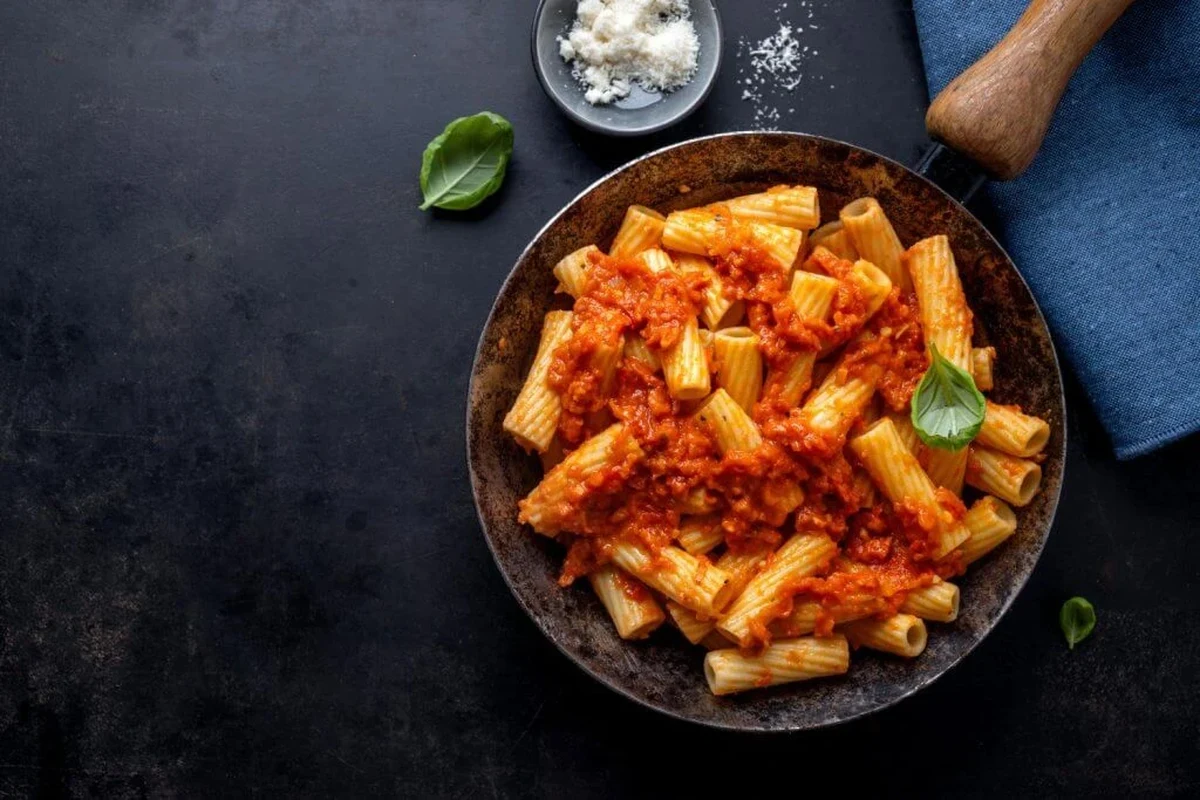
Thin sauce usually starts with too much liquid or not enough time on the stove. It can also happen when you add pasta water, broth, or wet ingredients without balancing them.
In short: watery sauce is normal, and it usually has a simple fix.
Common causes in tomato, cream, and meat sauces
Tomato sauces often stay thin when the tomatoes hold a lot of juice. Crushed tomatoes, canned tomatoes, and fresh tomatoes can all vary a lot.
Cream sauces can turn loose if the dairy is added too fast or heated too hard. Meat sauces can look watery when the meat releases liquid and the pan never gets a good simmer.
In short: each sauce type loses thickness for a different reason.
How cooking time, pasta water, and heat affect texture
Time matters because water needs a chance to cook off. Gentle simmering lets sauce thicken without burning.
Pasta water can help sauce cling to noodles, but too much makes it thin. High heat can reduce sauce faster, but it can also scorch the bottom or split dairy.
Some sauces thicken as they cool. If your sauce is close, wait a minute before adding more thickener.
Quick Answer: The Fastest Ways to Thicken Pasta Sauce
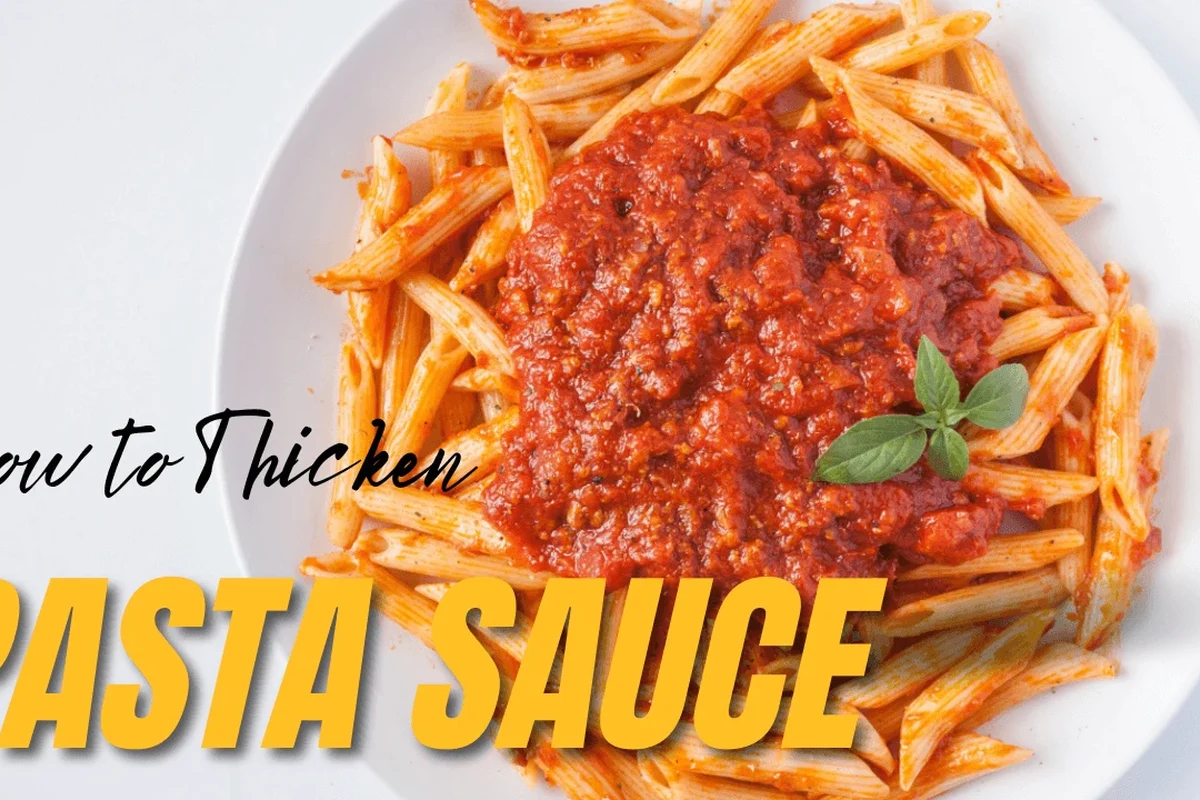
The fastest all-around fix is to simmer the sauce uncovered until extra water cooks off. If you need speed, tomato paste, grated cheese, or a small starch slurry can help right away.
In short: reduce first when you can, then use a helper if needed.
Reduce it on the stove for the best all-around fix
Reduction gives the best flavor because it keeps the sauce ingredients in balance. It also works for tomato, meat, and many cream sauces.
Use medium-low heat and stir often. This keeps the sauce from sticking while water slowly evaporates.
Add tomato paste, cheese, or a starch slurry for speed
Tomato paste adds body and deep tomato flavor. Grated Parmesan or similar hard cheese can also tighten the sauce.
If you need a quick emergency fix, use a slurry made from starch and cold water. Add it slowly and stir well so it does not clump.
Start with a small amount of thickener. It’s much easier to add more than to fix sauce that got too heavy.
Pick the right method based on your sauce type
Tomato sauce usually does best with simmering or tomato paste. Cream sauce responds better to gentle heat, cheese, or a light roux.
Meat sauce often needs more time on the stove because the meat and vegetables add extra moisture.
Best Thickening Methods for Different Pasta Sauces
There is no single best fix for every sauce. The right choice depends on flavor, texture, and how much time you have before dinner.
Tomato sauce: simmering, paste, and grated cheese
For tomato sauce, simmering is the cleanest fix. It keeps the bright tomato taste while slowly building a richer body.
Tomato paste works well when you want a faster result. A little grated cheese can also help if the sauce needs more grip.
Cream sauce: cheese, roux, and gentle heat
Cream sauce needs a soft touch. Keep the heat low so the dairy stays smooth.
Cheese can thicken the sauce, but add it slowly. A roux, which is flour cooked with fat, also works well when you want a steadier finish.
Meat sauce: reduction, tomato paste, and extra simmer time
Meat sauce usually benefits from more simmer time. That gives the liquid time to cook down and the flavors time to blend.
Tomato paste helps deepen the sauce and add body. If the pan looks crowded, move to a wider pot for better evaporation.
A Better Texture Starts With the Right Pan
A wide pan helps sauce reduce faster. It also gives you more control over heat and stirring.
Lets water cook off faster during simmering.
Helps prevent hot spots and scorched sauce.
Step-by-Step Guide to Thicken Pasta Sauce at Home
You can fix thin sauce in a few simple steps. The key is to add thickness slowly and keep tasting as you go.
How to reduce sauce without burning it
More surface area helps moisture escape faster.
Small bubbles are enough. A hard boil can scorch the sauce.
Scrape the bottom and sides so nothing sticks.
Flavors get stronger as water leaves the pan.
For tomato and meat sauces, this is usually the safest and best-tasting method. It takes longer, but it gives you better control.
How to use cornstarch, flour, or arrowroot the right way
Mix starch with cold water before adding it to hot sauce. This helps prevent lumps.
Add a little at a time and stir constantly. Cornstarch thickens quickly, flour gives a more cooked flavor, and arrowroot works best with gentle heat.
How to fix sauce that turned too thick
If the sauce gets too thick, add a splash of broth, water, or milk, depending on the sauce type. Add liquid slowly so you do not undo the texture.
Stir well and let it warm through before adding more. That helps you see the real thickness.
The sauce feels stiff, pasty, or hard to coat the pasta.
Add a small amount of liquid and stir over low heat until it loosens.
Ingredients and Tools That Help You Get the Right Texture
Good sauce texture starts with the pot, the heat, and a few simple pantry helpers. You do not need fancy gear to get it right.
Pan size, heat level, and stirring tools
A wide, heavy pan is easier to manage than a deep pot. It spreads heat more evenly and helps liquid cook off.
A wooden spoon or heat-safe spatula works well for stirring. A whisk is useful when you add starch or dairy.
Tomato paste, cheese, starches, and broth as thickening helpers
Tomato paste adds body and a stronger tomato taste. Cheese adds richness and helps sauce cling to pasta.
Starches work fast, but they can mute flavor if you use too much. Broth can help loosen sauce that got too thick without making it bland.
What to keep on hand for quick weeknight cooking
For easy dinners, keep tomato paste, Parmesan, cornstarch, and broth in your kitchen. Those basics cover most sauce problems.
That small pantry setup can save a thin sauce on a busy night.
Common Mistakes When Thickening Pasta Sauce
Most sauce problems come from rushing. A few small habits can make a big difference.
Adding too much starch or cheese at once
Too much starch can make sauce gluey. Too much cheese can make it heavy or stringy.
Add both in small amounts. Then give the sauce a moment before deciding if it needs more.
Using high heat and causing scorching or splitting
High heat can burn tomato sauce and break cream sauce. That often leaves you with a gritty or oily texture.
Keep the heat gentle unless you are reducing a tomato-based sauce in a wide pan.
Forgetting to taste and rebalance salt, acid, and fat
As sauce thickens, the flavor gets stronger. It may need a little salt, a touch of acid, or more fat to feel balanced.
Always taste before serving. A thicker sauce should still taste bright and smooth.
- Add thickener slowly and stir well
- Use low or medium-low heat for dairy sauces
- Taste before serving and adjust the seasoning
- Dumping in starch or cheese all at once
- Boiling cream sauces hard
- Leaving sauce unattended on the stove
Safety, Storage, and Reheating Tips
Thickening sauce is simple, but safe handling still matters. Hot sauce can burn, and stored sauce needs proper cooling.
How to cool sauce safely before storing
Let the sauce cool a bit before putting it in the fridge. Use shallow containers so it cools faster and more evenly.
Do not leave cooked sauce out for too long. Follow basic food safety guidance and refrigerate it promptly.
Never store hot sauce in a sealed container right away. Steam can build up and raise the risk of burns or spoilage.
How to reheat without breaking the texture
Reheat sauce slowly over low to medium-low heat. Stir often so the bottom does not scorch.
If the sauce has thickened too much in the fridge, add a small splash of water, broth, or milk as needed.
When to discard sauce that smells or looks off
Throw it out if it smells sour, looks moldy, or has an odd color or slimy feel. When in doubt, it is safer to discard it.
That rule matters most for dairy sauces and meat sauces.
Follow the appliance manual and stop using damaged equipment.
Final Recommendation: The Best Method for Most Home Cooks
For most people, the best way to thicken pasta sauce is a slow simmer in a wide pan. It gives you the best flavor and the most control.
If you need a fast fix, tomato paste works best for tomato sauce, while cheese or a light slurry can help in a hurry.
Which thickening method gives the best flavor and control
Reduction wins for flavor. It deepens the sauce instead of masking it.
Tomato paste is the best fast helper for tomato-based sauces. Cheese is great for creamy or rich sauces, but it can change the flavor more.
When to use a fast fix versus a slow simmer
Use a fast fix when dinner is already on the table and the sauce needs help now. Use a slow simmer when you want the best final texture.
In short: simmer for quality, use a quick thickener for speed.
Simple takeaway for better pasta sauce every time
Start with less liquid, cook uncovered when needed, and add thickener in small steps. Taste often so you can stop at the right point.
That simple approach works for most homemade pasta sauces and saves a lot of weeknight stress.
- Reduce sauce first for the best flavor.
- Use tomato paste, cheese, or starch for faster fixes.
- Match the thickening method to the sauce type.
- Keep heat gentle to avoid scorching or splitting.
Frequently Asked Questions
A gentle simmer is the best all-around fix. If you need speed, tomato paste, cheese, or a small starch slurry can help right away.
Simmer it uncovered first, since that keeps the tomato taste balanced. If needed, add a little tomato paste for body and depth.
Yes, both can work if you mix them with cold water first. Add them slowly so the sauce does not turn lumpy or gluey.
Add a small splash of water, broth, or milk, depending on the sauce type. Stir over low heat until it loosens.
High heat often causes cream sauce to break. Keep the heat low and add dairy or cheese slowly.
Cool it promptly, store it in the fridge, and reheat it gently. If it smells off, looks moldy, or feels slimy, discard it.