How to Keep Pasta from Sticking Every Time You Cook

Use plenty of boiling water, stir early, and drain pasta as soon as it’s done. Toss it with sauce right away to keep the noodles separate.
If you want pasta that stays separate, the fix is simple. Use enough water, stir early, and sauce it soon after draining.
- Big pot, more water: Pasta needs room to move and release starch.
- Early stirring matters: The first few minutes are the key time.
- Sauce fast after draining: Dry pasta sticks more as it cools.
- Skip oil in the water: It usually won’t stop sticking and can hurt sauce cling.
Why Pasta Sticks and What Actually Stops It
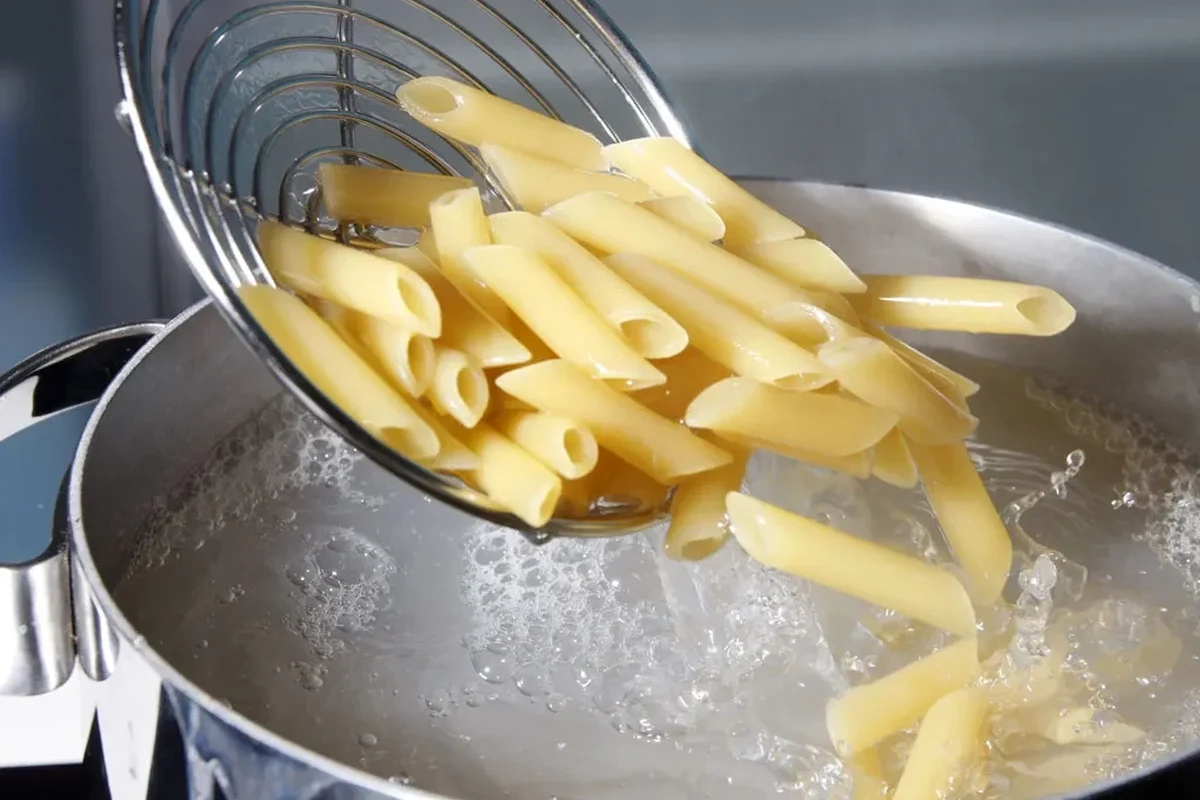
Pasta sticks when starch leaks into the water and coats the noodles. If the pasta sits still, those coated surfaces glue together fast.
The good news is that you do not need a fancy trick. You need movement, enough water, and a fast finish after draining.
The simple science behind sticky pasta
When pasta cooks, it releases starch. That starch thickens the water and makes the noodles tacky.
If the pot is crowded, the noodles rub together more. That gives the starch more time to bind the pasta into clumps.
Pasta water gets starchier as it cooks. That starch helps sauce cling later.
The fastest answer for busy home cooks
Use a big pot, plenty of water, and a good stir in the first few minutes. Then drain the pasta and toss it with sauce right away.
If dinner is running late, save a little pasta water before draining. It helps loosen sauce and keep noodles separate.
The Best Water, Pot, and Salt Setup for Pasta
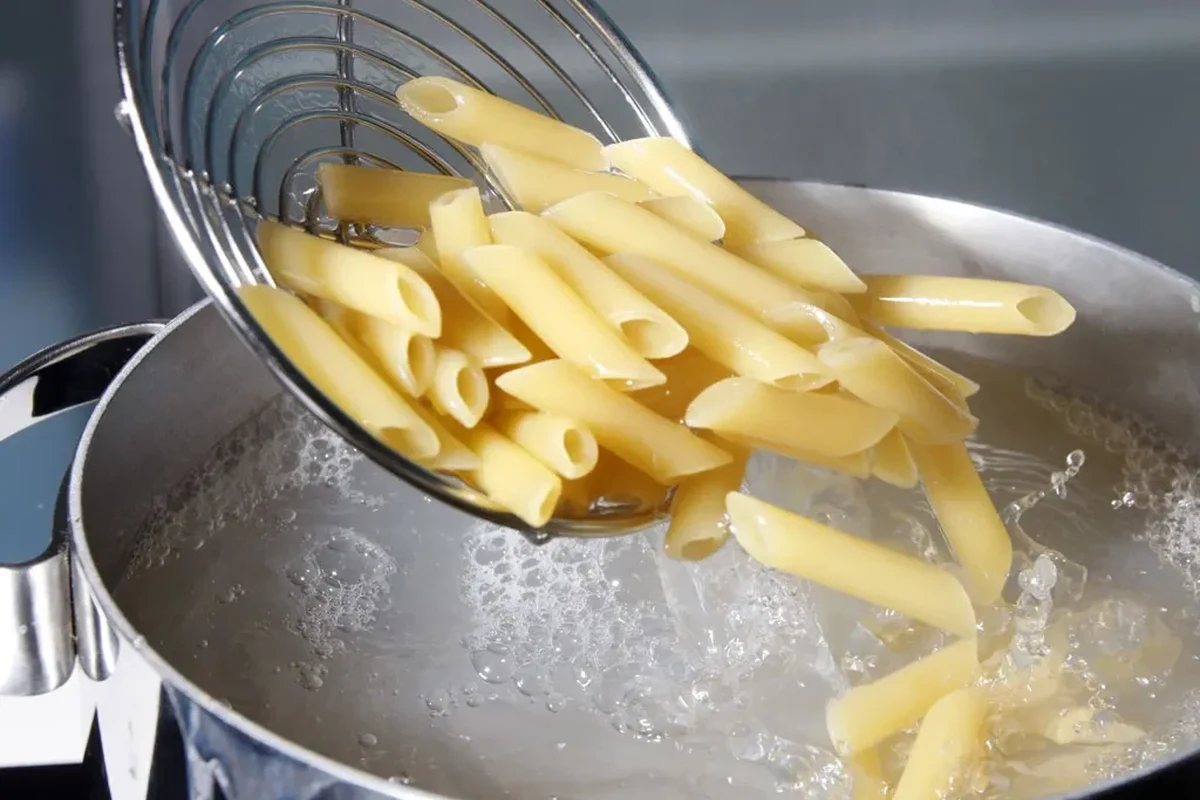
The setup matters more than many cooks think. A roomy pot gives pasta space to move, and salt improves flavor without making the noodles stick less by itself.
How much water to use for better movement
Use enough water so the pasta can move freely. A crowded pot makes noodles rub together and clump.
You do not need to measure perfectly every time. Just avoid a shallow pot where the pasta sits in a tight pile.
Why pot size matters more than most people think
A wider pot often works better than a narrow one. It gives the water more surface area and helps the pasta spread out.
For long pasta like spaghetti, a tall pot can still work. But the pot must be large enough that the noodles soften without packing together.
Pot shape, burner size, and pasta type all affect how much room you need. Bigger batches need more space.
Salt amounts that help without making pasta too salty
Salt the water once it comes to a boil. This improves the pasta’s taste and helps build a better base for sauce.
Start with a moderate amount and adjust to your taste. The goal is seasoned water, not a salty soup.
Always handle boiling water with care. Keep pot handles turned inward to help prevent spills.
Step-by-Step Method for Keeping Pasta Separate
Here’s the easiest routine. It works for most dried pasta shapes and keeps the noodles from sticking together.
Wait until the water is at a steady boil before adding pasta.
Drop it in, then give it a quick stir right away.
Keep the noodles moving while the starch is most active.
Mix with sauce or oil-free toppings right after draining.
When to add pasta to the water
Add pasta only after the water boils hard. That helps the noodles separate right away instead of sitting in warm water and softening unevenly.
If you add pasta too early, the starch can build up before the noodles move enough. That often leads to clumps.
How often to stir in the first few minutes
Stir right after the pasta goes in. Then stir again a few times during the first two to three minutes.
That early movement matters most. Once the noodles loosen, they are less likely to glue together.
When to test for doneness and drain
Check the package guide, then taste a noodle near the end. You want it tender but still a little firm if you plan to sauce it.
Drain as soon as it reaches the texture you want. If it sits in hot water too long, it can go soft and sticky.
What to Do After Draining Pasta
The job is not done when the water leaves the pot. Pasta can stick fast once it cools and loses that moving water around it.
How sauce helps stop sticking
Sauce coats the noodles and keeps them from touching each other as much. It also adds moisture, which helps the pasta stay loose.
For best results, toss the pasta with sauce while it is still hot. That helps the sauce spread evenly.
When a little pasta water makes a big difference
Save a small cup of pasta water before draining. A splash can thin sauce and help it cling to the noodles.
Use a little at a time. Too much can make the sauce runny.
- Stir pasta into sauce instead of pouring sauce on top.
- Use a spoonful of pasta water to help the sauce coat better.
- Finish pasta in the pan for a minute if the sauce needs help.
How to handle pasta if you are not serving it right away
If you need to wait, toss the pasta with a little sauce or a small splash of cooking water. That keeps the noodles from drying out.
For plain pasta, spread it in a shallow bowl instead of leaving it in a hot pot. Less pile-up means less sticking.
Common Mistakes That Make Pasta Stick
Most sticky pasta problems come from a few easy-to-fix habits. Once you spot them, the fix is usually simple.
Using too little water
Too little water makes the pot crowded and starchy. The noodles rub together and clump more easily.
Use a larger amount of water when you can. It gives the pasta more room to move.
Skipping the first stir
The first stir is one of the most important steps. It breaks up the early clumps before they set.
If you forget it, the noodles can lock together fast. That is especially true for thin pasta.
Adding oil to the cooking water
Oil in the water does not stop pasta from sticking in a useful way. It mostly floats on top and does little for the noodles themselves.
Worse, it can make sauce cling less later. Sauce works best when it can grab the pasta surface.
Do not add too much oil to boiling water. It can splash and make cleanup harder.
Letting drained pasta sit too long
Once pasta drains, it starts to cool and dry. That is when sticking gets worse.
Move fast. Sauce it, serve it, or toss it with a small amount of reserved water.
Special Cases: Fresh Pasta, Gluten-Free Pasta, and Leftovers
Not all pasta behaves the same. Fresh noodles, gluten-free pasta, and leftovers each need a slightly different approach.
How fresh pasta needs a gentler approach
Fresh pasta cooks quickly and can turn soft fast. It also needs less time in the water, so timing matters more.
Use a gentle boil and watch it closely. A quick drain and immediate sauce help keep it from clumping.
Why gluten-free pasta can clump faster
Gluten-free pasta often releases starch in a different way. Some brands also break down faster if they cook too long.
Stir early and often. Also follow the package directions closely, since brand differences can be large.
Gluten-free pasta varies a lot by brand and base ingredient. Rice, corn, lentil, and chickpea pastas may need different timing.
Best ways to reheat leftover pasta without a mess
Leftovers stick when they dry out in the fridge. Reheat them with moisture to bring the noodles back together.
Add a splash of water or sauce before warming. Then heat gently and stir until the pasta loosens.
Tools and Ingredients That Help, and What They Cost
You do not need much gear to keep pasta from sticking. A few basic kitchen tools make the job easier and cleaner.
Helpful basics that are worth buying
A sturdy pot and a colander are the main items. A long spoon also helps you stir without reaching too close to the steam.
If you cook pasta often, a wide pot can make life easier. It gives the noodles more room and helps reduce clumps.
What you can skip if you cook pasta often
You can skip special pasta gadgets. Most home cooks only need basic cookware and a good routine.
Fancy tools may look helpful, but they do not replace enough water and early stirring.
Value tips for everyday kitchen budgets
Spend first on a pot that heats evenly and feels stable. After that, focus on tools you will use for many meals.
For most homes, simple cookware gives the best value. The method matters more than the price tag.
Final Recommendation: The Easiest Way to Keep Pasta From Sticking
The best routine is simple. Boil plenty of water, stir early, drain on time, and toss the pasta with sauce right away.
The best simple routine for most cooks
If you want one method to remember, make it this one. Use a big pot, stir in the first few minutes, and finish the pasta fast.
That approach works for most dried pasta and most weeknight meals. It is the easiest way to keep noodles separate.
For most home cooks, the best fix is more water, early stirring, and quick saucing. The main limit is that fresh and gluten-free pasta may need closer timing.
When to change the method for better results
Adjust the method if you use fresh pasta, gluten-free pasta, or a very small pot. Those cases can need more attention and faster timing.
If the pasta still sticks, check the basics first. Water amount, pot size, and the first stir usually explain the problem.
- Use enough water and a roomy pot.
- Stir early, then drain and sauce fast.
- Save a little pasta water for better coating.
- Watch fresh, gluten-free, and leftover pasta more closely.
Frequently Asked Questions
Pasta releases starch as it cooks, and that starch makes the surface tacky. If the noodles sit still, they can glue together fast.
Usually, no. Oil floats on top and does little to stop sticking, and it can make sauce cling less later.
Stir right after adding the pasta, then stir a few more times in the first minutes. That is when clumps form most easily.
Toss it with sauce or a little reserved pasta water to keep it moist. If it’s plain, spread it out so it does not sit in a tight pile.
It often can, but the exact result depends on the brand. Follow the package timing closely and stir early.
Add a splash of water or sauce before reheating so the noodles loosen. Warm it gently and stir until it’s hot and separated.