How to Use a French Press Coffee Maker Guide for Better Coffee

A French press makes rich coffee with just hot water, coarse grounds, and a slow press. Use the right grind and timing, and you’ll get a better cup with less guesswork.
If you want richer coffee with simple gear, a French press is a great place to start. This guide shows you how to use one, avoid common mistakes, and get a better cup at home.
- Use coarse grind: It helps reduce sludge and makes pressing easier.
- Start with a steady ratio: Keep coffee and water consistent, then adjust taste.
- Press slowly: Fast pressure can stir up grit and cause trouble.
- Clean right away: Fresh cleanup helps prevent oily buildup and stale taste.
What a French Press Coffee Maker Is and Why It Still Matters
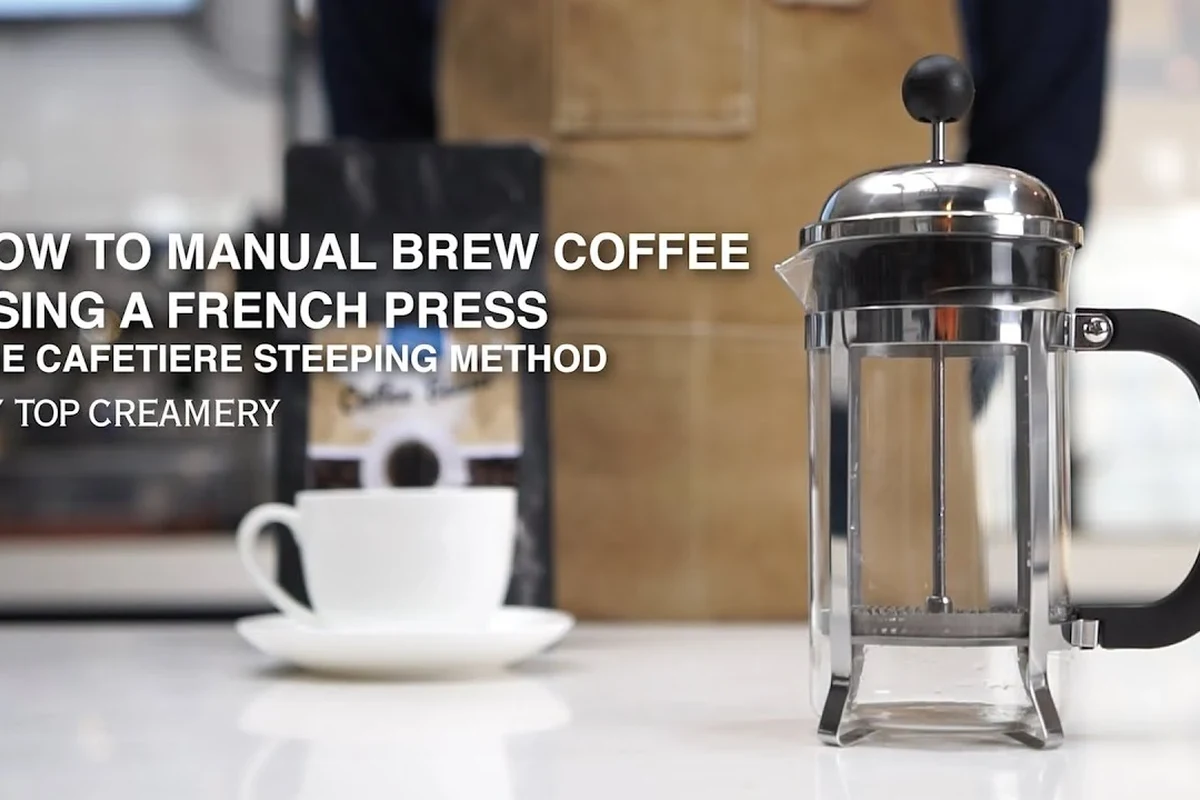
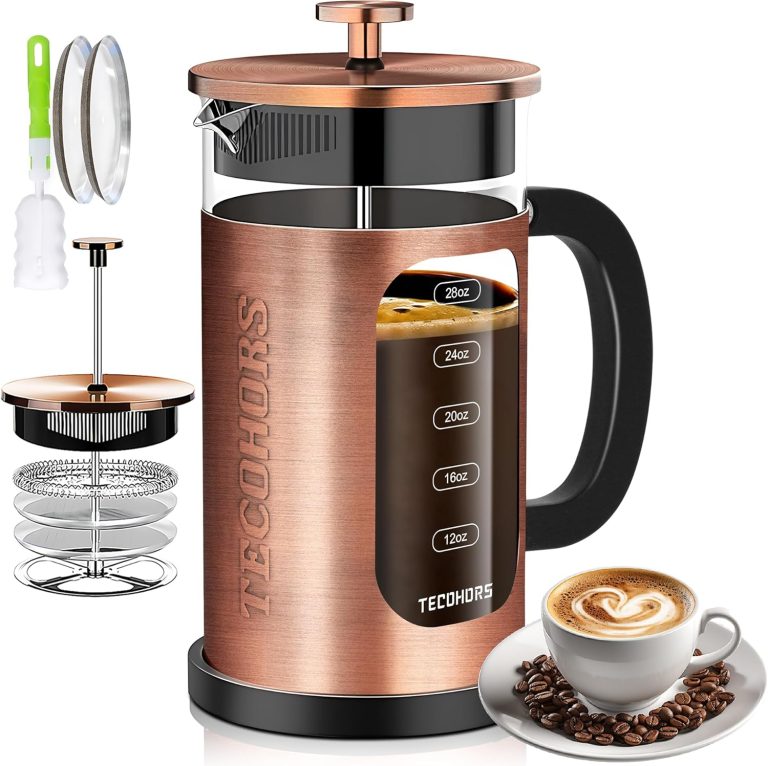
A French press is a simple coffee maker with a jar, a lid, and a mesh plunger. You add coffee and hot water, let it steep, then press the filter down and pour.
It still matters because it gives you a lot of control. You can change the grind, water, and steep time to shape the taste.
How this simple brew method works
The brew is full immersion. That means the coffee grounds stay in the water for the whole steep.
The mesh filter catches most grounds, but not all of them. That is why French press coffee often feels fuller and heavier than drip coffee.
French press coffee often keeps more natural oils in the cup than paper-filter drip coffee.
Why many coffee fans still choose it in 2026
People still like the French press because it is easy to use and does not need power. It also works well in small kitchens and travel setups.
In short, it gives strong flavor without a lot of parts or settings.
How to Use a French Press Coffee Maker Step by Step
Once you learn the basic method, the process feels quick and repeatable. The main goal is to keep your grind, water, and timing steady.
What you need before you start
Coarse ground coffee
Hot water
Kettle
Spoon or stirrer
Timer
You may also want a mug and a scale. A scale helps you repeat the same taste more easily.
How to measure coffee and water
A common starting point is about 1 part coffee to 15 or 16 parts water by weight. If you do not use a scale, start with a heaping tablespoon per small cup and adjust from there.
Use the same ratio each time until you find your taste. Then change one thing at a time.
Start with coarse grounds, hot water, and a steady steep time.
How to steep, press, and pour
Put the grounds in the empty press first.
Pour evenly so all the grounds get wet.
Break up dry clumps without rough mixing.
Wait for the brew time you choose.
Push the plunger down with steady, even pressure.
Serve the coffee soon after pressing.
Do not leave brewed coffee sitting in the press too long. It can keep extracting and taste harsh.
- Press slowly and keep the lid steady.
- Pour soon after brewing.
- Do not force the plunger down fast.
- Do not use very fine coffee grounds.
Best Coffee Grind, Water, and Brew Time for Better Results
These three choices shape most of the flavor. If your coffee tastes off, one of them is usually the reason.
Why coarse grind size matters
French press coffee needs a coarse grind. Fine grounds slip through the mesh and can make the cup muddy.
They can also make the press harder to push. That extra resistance is a clue that the grind may be too fine.
Ideal water temperature and ratio
Use water that is hot, but not boiling hard. Many coffee drinkers aim for water just off the boil.
That helps pull flavor without burning the grounds. The right ratio also matters, since too much coffee can taste bitter and too little can taste thin.
- Use fresh beans for better aroma and taste.
- Preheat the press with hot water first.
- Grind right before brewing when possible.
How brew time changes taste
Shorter steep times usually make a lighter cup. Longer steep times can bring more body, but they can also add bitterness.
A steady brew time helps you compare cups. If you change the time, change only a little at once.
Exact brew time can vary by bean, roast, grind, and press size. Taste is the best guide.
Common French Press Mistakes and How to Fix Them
Most French press problems are easy to spot. The good news is that small changes often fix them fast.
Why coffee tastes bitter or weak
The coffee tastes sharp, bitter, or thin.
Adjust one factor at a time. Try a coarser grind, a shorter steep, or a better coffee-to-water ratio.
Bitter coffee often comes from over-extraction. Weak coffee often needs more grounds or a shorter water ratio.
How to avoid sludge in the cup
Use a coarse grind and press slowly. Then pour carefully and leave the last bit in the press.
Some fine sediment is normal with this brew style. If you want a cleaner cup, pour through a paper filter after brewing.
What to do if the plunger feels stuck
Stop pressing if the plunger resists hard. A stuck plunger often means the grind is too fine or the coffee bed is packed too tight.
Lift the plunger slightly and check the grind for the next brew. Never force it with sudden pressure.
Never force a jammed plunger. If the press cracks, leaks, or feels unstable, stop using it.
French Press Coffee Maker Benefits and Limits
The French press has clear strengths. It also has a few limits you should know before you buy or brew.
Flavor, body, and control advantages
- Richer body than many paper-filter brewers
- Simple gear with no power needed
- Easy to change strength and taste
- Good for one cup or a small batch
Many people like the deeper, heavier taste. It also gives you direct control over the brew.
Cleanup, grit, and heat loss drawbacks
- Simple brewing process
- Low equipment cost in many cases
- Good flavor control
- Some sediment may remain in the cup
- Coffee can cool while it steeps
- Cleaning takes a little more effort than drip
Heat loss can matter, especially with thin glass or a cold room. Cleanup also takes a few extra minutes because you must remove the grounds.
Who this brewing style suits best
You want rich coffee and simple steps
It works well for home brewers who like hands-on control.
You want the cleanest cup with less cleanup
A drip brewer or pour-over may fit you better.
Safety Tips and Care for Daily Use
A French press is simple, but hot water and glass still need care. A little caution helps you avoid burns and broken parts.
How to handle hot water and glass parts safely
Follow the appliance manual and stop using damaged equipment.
Keep the press on a flat surface before pouring. If the body is glass, avoid sudden temperature changes that could stress it.
How to clean the press after each brew
Discard the grounds, rinse the parts, and wash with warm soapy water.
Check the mesh and plunger for trapped grounds before reassembly.
Clean parts dry faster when you separate them. That also helps keep old coffee oils from building up.
How to deep clean and maintain the filter
Over time, oils and fine grounds can clog the mesh. A deeper wash helps restore smoother pressing and cleaner taste.
Follow the maker’s care instructions for your model. Some parts may be dishwasher safe, but that varies by design.
- Capacity and dimensions
- Controls, cleaning, warranty, and safety
- Glass, steel, or travel-friendly build
- Filter quality and replacement part access
What to Look for When Buying a French Press in 2026
The best French press for you depends on your kitchen, your routine, and how much cleanup you want. Build quality matters, but so does daily convenience.
Glass, stainless steel, and travel-friendly options
Good if you want to see the brew and prefer a classic look.
Better if you want stronger insulation and more durability.
Useful if you need a lighter, tougher option for trips or work.
Each style has trade-offs. Glass can feel elegant, while steel often holds heat better.
Key specs that affect value and use
Check the lid fit, handle comfort, and replacement part support. Those details affect daily use more than fancy extras.
How to choose the right size for your routine
Buy for the amount you brew most often, not your rare biggest batch. A press that is too large can make small batches harder to brew well.
If you usually make coffee for one or two people, a smaller press often feels easier to manage.
How to Choose the Right French Press Size
Match the press to your daily routine, not just the biggest crowd you might serve.
Final Recommendation: Is a French Press Right for You?
A French press is a smart choice if you want simple brewing, rich flavor, and low setup hassle. It is less ideal if you want the cleanest cup or the fastest cleanup.
Best use cases for beginners and home brewers
Beginners often do well with a French press because the method is easy to learn. Home brewers also like the control it gives over strength and taste.
If you enjoy small kitchen tools that do one job well, this brewer fits that style nicely.
When to pick another coffee maker instead
Choose another brewer if you want a cleaner cup with almost no sediment. You may also prefer drip or pod machines if speed matters more than body.
For many people, the French press is a great everyday option. For others, it is best as one tool in a larger coffee setup.
A French press is one of the easiest ways to make rich coffee at home. It works best for people who value flavor, control, and simple gear, but it does ask for a little cleanup and care.
- Use coarse grounds and hot water for the best results.
- Steep, press slowly, and pour soon after brewing.
- Expect some sediment and a little extra cleanup.
- Choose glass, steel, or travel style based on your routine.
Frequently Asked Questions
A common starting point is 1 part coffee to 15 or 16 parts water by weight. If you do not use a scale, start simple and adjust the next brew.
You can, but coarse grind usually works better. Medium grind may create more sediment and make the press harder to push.
Bitter coffee often means the brew pulled too much from the grounds. Try a shorter steep, a coarser grind, or slightly less coffee.
Use a coarse grind and pour slowly, leaving the last bit in the press. If you want an even cleaner cup, pour through a paper filter.
Glass lets you see the brew, while stainless steel often holds heat better and feels tougher. The best choice depends on your kitchen and routine.
Replace it if the glass cracks, the filter wears out, or the plunger no longer works well. Follow the maker’s care and safety guidance for your model.