Is Al Dente Pasta Healthier Than Soft Pasta

Yes, al dente pasta is usually healthier than soft pasta for most people. It often digests more slowly and may help with fullness and steadier energy.
Yes, al dente pasta is often the healthier choice than very soft pasta. It usually digests a bit more slowly, which can help with steadier energy and better fullness.
That said, the healthiest choice still depends on the whole meal. Sauce, portion size, pasta type, and your own digestion matter just as much.
- Health edge: Al dente pasta often supports steadier blood sugar.
- Fullness factor: Firmer pasta can feel more satisfying at normal portions.
- Soft pasta use: Softer pasta still works for comfort and certain recipes.
- Cooking tip: Taste early, because pasta keeps cooking after draining.
Is Al Dente Pasta Healthier Than Soft Pasta? The Short Answer
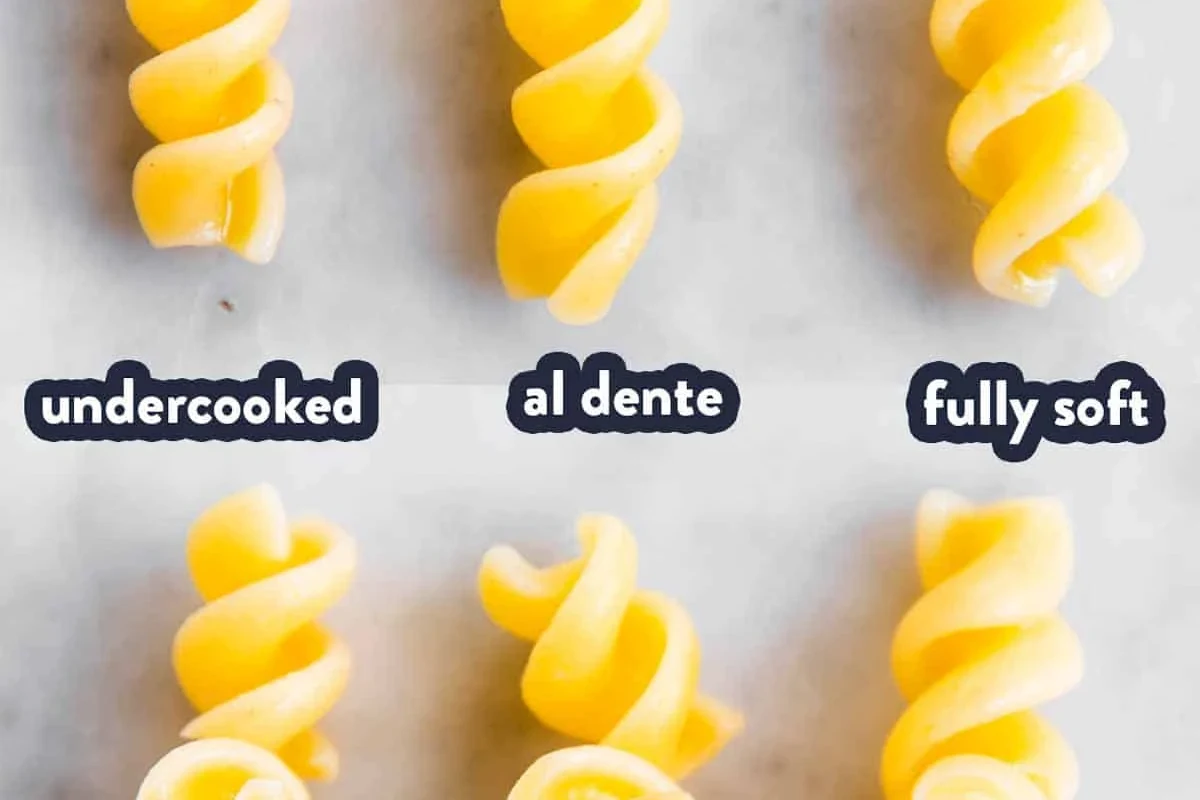
In most cases, yes. Al dente pasta can be a better pick because it keeps more bite, may raise blood sugar more slowly, and can help you feel full longer.
Soft pasta is not “bad.” It just cooks longer, so it usually breaks down faster in your body.
If you enjoy softer pasta, you can still make a healthy meal. The key is balance.
What Al Dente Means and Why It Changes Pasta
Al dente means “to the tooth.” The pasta should feel firm, but not hard. It should have a little bite in the center.
Soft pasta cooks longer. It loses that firm center and turns more tender all the way through.
How texture changes during cooking
As pasta cooks, heat and water move into the starch and protein structure. The noodles get softer as that structure loosens.
At the al dente stage, the outside is cooked, but the center still has some firmness. That is why the texture feels springy instead of mushy.
With extra cooking, the pasta keeps absorbing water. Then it becomes softer and easier to break apart.
Pasta keeps cooking a little after you drain it. That is why timing matters so much.
What happens to starch and digestion
Pasta contains starch, which your body breaks down into glucose. When pasta is cooked softer, the starch is often easier and faster to digest.
Al dente pasta may digest more slowly. That can help slow the rise in blood sugar after a meal.
This effect is not magic. It is one reason many nutrition guides prefer firmer pasta, especially in balanced meals.
Health Benefits of Al Dente Pasta
Al dente pasta can fit well into a healthy diet. It offers a few practical benefits that many home cooks notice.
- May support steadier blood sugar after eating
- Can help you feel full with a normal portion
- Often holds sauce better than very soft pasta
Blood sugar impact and energy release
One common reason people ask is al dente pasta healthier is blood sugar control. Firmer pasta often breaks down more slowly during digestion.
That can mean a gentler energy rise after the meal. For many people, that feels better than a quick spike and drop.
This matters most when pasta is part of a larger meal. Protein, fiber, and fat also shape how fast you digest the food.
Blood sugar response can vary a lot by sauce, portion size, and the type of pasta you use.
Satiety and portion control
Al dente pasta can help with fullness. The firmer texture may slow how fast you eat, which gives your body time to catch up.
That can make a normal serving feel more satisfying. In real life, that may help some people avoid going back for seconds too soon.
It also works well with hearty sauces and vegetables. You get more texture, which often makes the meal feel complete.
- Add vegetables or beans to increase fiber.
- Pair pasta with protein for better balance.
- Use a measured portion when you want control.
Where Soft Pasta Can Still Make Sense
Soft pasta still has a place in the kitchen. It can be a better fit for some meals and some eaters.
Health is not only about firmness. Comfort, digestibility, and food needs matter too.
Best uses for soft pasta in everyday meals
Soft pasta works well in baked dishes, soups, and casseroles. Those recipes often need a more tender noodle.
It can also suit creamy sauces. A softer bite can feel more comforting in a rich dish.
If you are making leftovers, a slightly softer cook may help the pasta hold up after reheating.
Who may prefer softer pasta for comfort or health reasons
Some people digest softer foods more easily. Others simply like the taste and texture better.
Children, older adults, and people with chewing trouble may prefer softer pasta. That can make meals easier and more pleasant.
If you have a medical diet or a digestive condition, follow your clinician’s advice. Personal needs should come first.
If a food texture causes pain, choking risk, or major digestive trouble, choose the safest option and ask a professional for guidance.
How to Cook Pasta Al Dente the Right Way
Cooking pasta al dente is simple, but timing matters. A few small habits can make a big difference.
Timing, water, and salt basics
Use a large pot with plenty of water. Pasta needs room to move so it cooks evenly.
Salt the water well. This helps season the pasta from the inside out.
Start checking the package time a minute or two early. Different shapes and brands cook at different speeds.
How to test doneness without overcooking
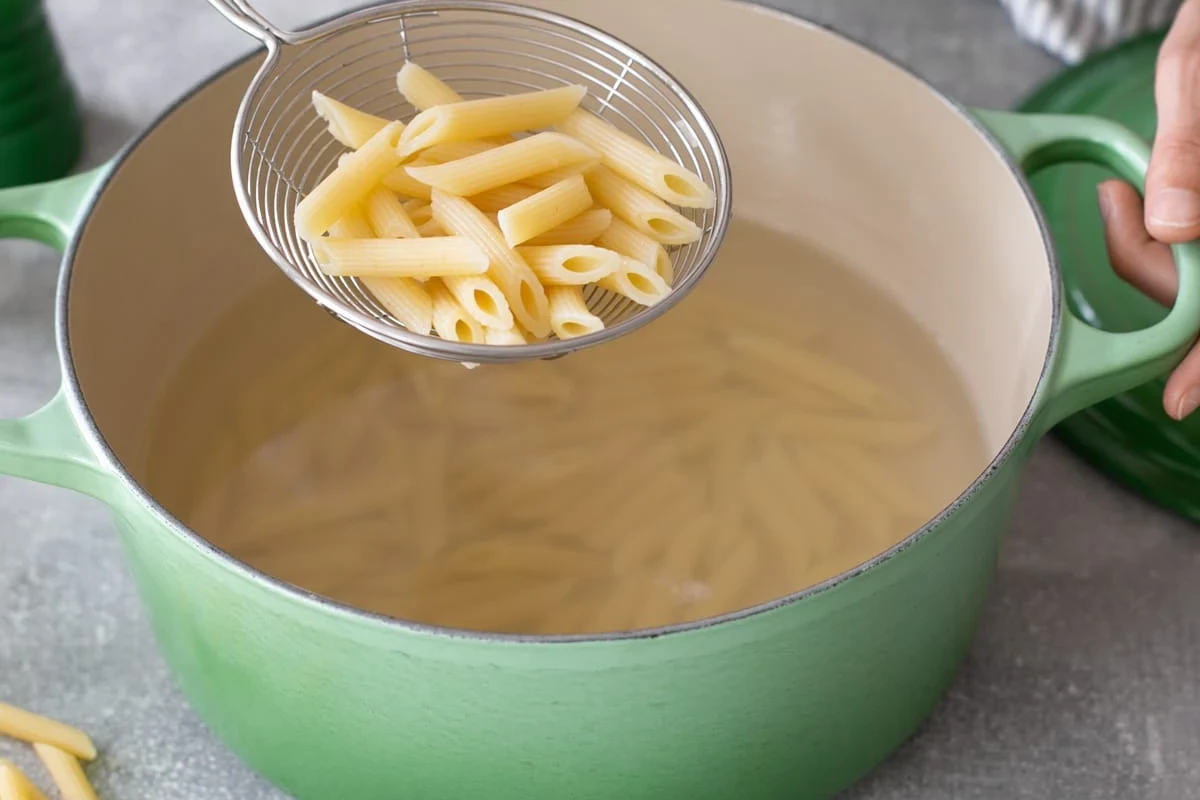
Take out a piece and bite it. You want it tender on the outside with a small firm center.
Do not wait until it feels soft all the way through in the pot. It will keep cooking after draining.
If you plan to toss it with hot sauce, pull it a little earlier. That helps prevent mushy pasta.
Use a big pot and let the water reach a full boil.
Salt the water, then add the pasta and stir right away.
Taste a piece before the package time ends.
Common Mistakes That Make Pasta Too Soft
Most mushy pasta comes from a few easy-to-fix mistakes. Once you know them, al dente gets much easier.
Overboiling and carryover cooking
One common mistake is boiling pasta too long. Even one extra minute can change the texture a lot.
Another issue is carryover cooking. Hot pasta keeps softening after you drain it.
If you are mixing it with sauce, stop the boil a little early. Then finish it in the pan if needed.
Pasta feels soft and loses its bite after draining.
Drain it earlier next time and finish cooking it in sauce for a short time.
Using the wrong pasta shape or heat level
Some shapes need more care than others. Thin pasta can overcook fast, while thick shapes may need more time.
Very low heat can also lead to uneven texture. Keep the water at a steady boil so the pasta cooks evenly.
Always check the package, but trust your bite test more than the clock alone.
Safety, Digestion, and Special Diet Considerations
For most healthy adults, either pasta style can work. The better choice depends on digestion, comfort, and the rest of the meal.
When al dente may be better for some people
Al dente pasta may suit people who want steadier energy after meals. It can also work well for those who prefer firmer texture and better portion control.
Many people find it more satisfying in simple dishes with vegetables, olive oil, or lean protein.
If you are watching blood sugar, it may be a smarter default than soft pasta.
When softer pasta may be easier to handle
Softer pasta may help if chewing is hard or if you need a very gentle texture. It can also feel better in soups and baked dishes.
Some stomachs simply tolerate softer foods more easily. In that case, comfort may matter more than firmness.
Choose the texture that helps you eat well and safely.
Follow package directions and your own food safety needs. If pasta sits out too long, cool and store it safely.
Final Verdict: Which Pasta Style Is Better for You?
For most people, al dente pasta is the better everyday choice. It often gives you better texture, steadier digestion, and more satisfying meals.
Soft pasta still makes sense when comfort matters more, or when a recipe needs a tender finish. The best choice is the one that fits your health needs and your meal.
Best choice for health, taste, and everyday cooking
If you want the healthiest all-around option, start with al dente. It usually gives you the best mix of taste, texture, and smart eating.
If you need softer food for comfort or digestion, that is a valid choice too. In the end, the healthiest pasta is the one you can enjoy in a balanced meal.
Al dente pasta is usually the better pick for health, especially for blood sugar and fullness. Choose softer pasta when comfort, chewing ease, or recipe style matters more.
- Al dente pasta often digests more slowly than soft pasta.
- It may help with steadier energy and better fullness.
- Soft pasta still works well for comfort and certain recipes.
- Timing, portion size, and sauce matter just as much.
Frequently Asked Questions
Often, yes. Al dente pasta may digest more slowly and can help with steadier energy and fullness.
Its firmer texture can slow digestion a bit. That may lead to a gentler rise in blood sugar after a meal.
Taste a piece near the end of the cook time. It should feel tender outside with a small firm center.
Yes. Soft pasta can still fit well if portions are balanced and the meal includes protein, fiber, and vegetables.
Many shapes work well, but thin pasta overcooks faster. Always check the package and taste early.
Choose softer pasta if chewing is hard, texture comfort matters, or a recipe like soup or casserole calls for it.