Is Cold Brew Coffee Made With Cold Water Yes or No

Yes, cold brew coffee is made with cold or room temperature water. The drink gets its flavor from long steeping, not heat.
Yes. Cold brew coffee is made with cold water, or sometimes room temperature water. The coffee steeps for hours, which pulls flavor from the grounds without heat.
- Yes: Cold brew uses cold or cool water, not hot water.
- Time matters: Long steeping does the work that heat would do.
- Grind matters: Coarse grounds help avoid grit and cloudy coffee.
- Storage matters: Keep finished cold brew chilled and clean.
Is Cold Brew Coffee Made With Cold Water? The Short Answer
The short answer is yes. Cold brew uses cold or cool water, not hot water.
That slow soak is what gives cold brew its smooth taste. It also makes the drink feel less sharp than hot coffee.
Does cold brew need ice-cold water?
No. Cold water from the tap or chilled water both work well. The main goal is to avoid heat.
How Cold Brew Actually Works
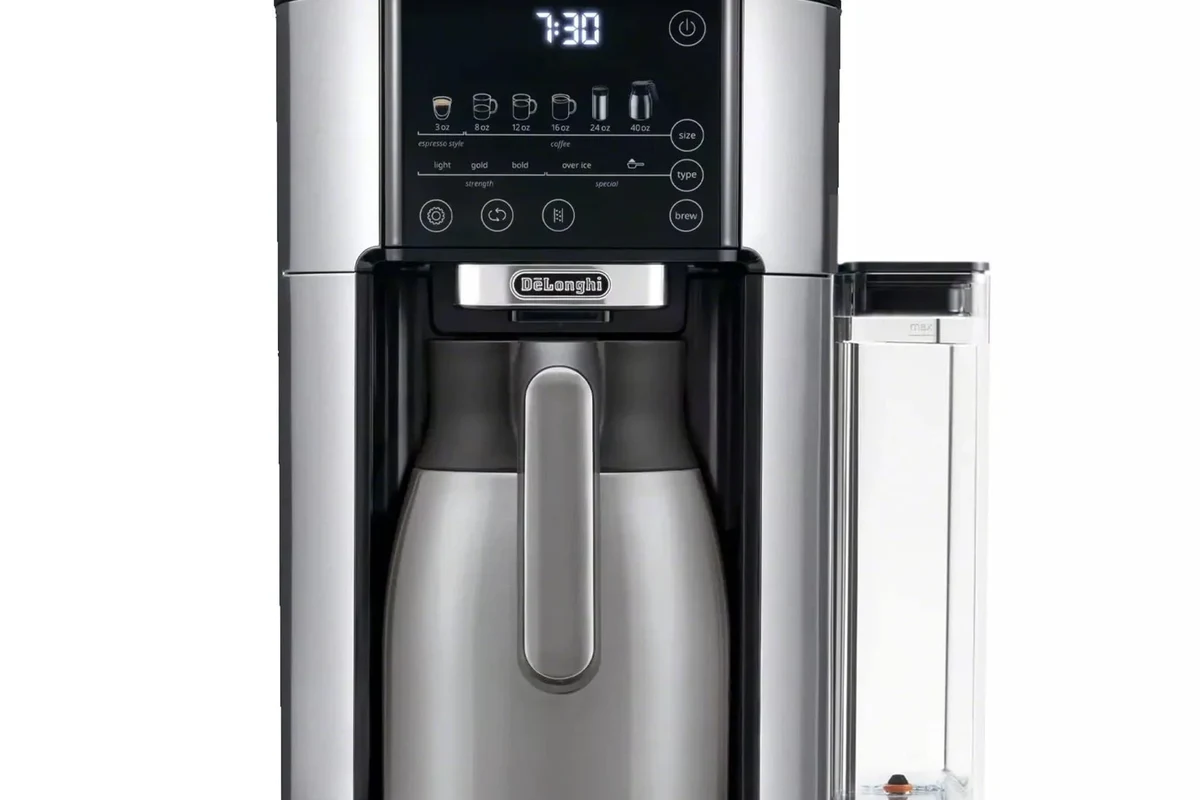
Cold brew works through time, not heat. Water slowly draws flavor, color, and caffeine from the coffee grounds.
Because the water stays cool, the drink tastes softer and less acidic to many people. That does not mean it is weak. It just extracts in a different way.
Cold Water vs Room Temperature Water
Both cold water and room temperature water can make cold brew. Many home brewers use whichever is easiest.
Cold water may slow the process a little. Room temperature water can move flavor into the drink a bit faster. In real kitchens, both methods can work well.
Brewers, jars, and recipes can vary. Always check your manual or recipe guide if it gives a specific water temperature.
Why Steeping Time Matters More Than Heat
With cold brew, steep time matters more than water temperature. The grounds need enough time to release flavor.
If you rush it, the coffee can taste thin. If you steep too long, it can turn bitter or muddy.
What You Need to Make Cold Brew at Home
You do not need fancy gear to make cold brew. A jar, a pitcher, or a simple cold brew maker can do the job.
The biggest choice is how easy you want cleanup to be. That matters more than most people expect.
Basic Ingredients and Tools
Start with coffee and water. That is the base of every cold brew batch.
You will also need a way to strain the grounds. A fine mesh strainer, paper filter, or built-in brewer filter can all work.
Cold brew often tastes smoother because heat pulls out more sharp notes from coffee.
Best Coffee Grind and Water Ratio
A coarse grind usually works best. Fine grounds can slip through filters and make the drink gritty.
Water ratio depends on how strong you like your coffee. Many home recipes use a stronger concentrate, then dilute it later with water, milk, or ice.
Step-by-Step Cold Brew Method
Cold brew is simple once you know the flow. Mix, steep, strain, and chill.
If you keep the steps clean and steady, you get better flavor and less mess.
Use a coarse grind and measure it carefully.
Cover all the grounds evenly and stir gently.
Set it aside in the fridge or on the counter, based on the recipe.
Filter out the grounds before serving or storing.
Simple Brewing Process
Cold brew does not need boiling water or a machine with heat. That makes it easy for small kitchens.
Just make sure the grounds stay fully wet. Dry spots can lead to uneven flavor.
How Long to Steep for Best Taste
Most cold brew recipes steep for many hours. The exact time depends on the grind, ratio, and brewer.
Some batches taste best after a shorter steep. Others need more time. Taste is the best guide here.
- Stir once at the start for even wetting.
- Use the fridge if your kitchen runs warm.
- Taste before diluting the whole batch.
Benefits and Limits of Using Cold Water
Cold water gives cold brew its signature style. It also creates a few trade-offs.
Knowing both sides helps you decide if it fits your routine.
Why Many People Like Cold Brew
Many people like cold brew because it tastes smooth and easy to drink. It often feels less bitter than hot-brewed coffee.
It also works well for make-ahead prep. You can brew one batch and keep it ready for later.
- Smoother taste for many drinkers
- Simple make-ahead brewing
- Works with basic kitchen tools
When Cold Water Can Be a Problem
Cold water can make the process slow. If you want coffee fast, cold brew is not the best choice.
It can also taste weak if you use too little coffee or strain too soon. That is why ratio and time matter so much.
Do not leave coffee sitting out too long in a warm kitchen. Follow safe storage steps and chill the batch if your recipe calls for it.
Common Mistakes to Avoid
Most bad cold brew comes from a few simple mistakes. The good news is that they are easy to fix.
Small changes can make a big difference in taste and texture.
Wrong Grind Size
A grind that is too fine can create sludge. It can also make filtering slow and messy.
A grind that is too coarse may make the coffee taste thin. Coarse is usually the safer starting point.
The coffee tastes gritty or cloudy.
Use a coarser grind and a better filter or strainer.
Bad Brew Time or Weak Filtering
Too short a steep gives weak coffee. Too long can bring out harsh notes.
Weak filtering lets fine grounds slip into the cup. That hurts both taste and texture.
Cleaning, Storage, and Safety Tips
Cold brew is easy to make, but cleanup still matters. A clean brewer helps your coffee taste better.
Good storage also helps protect flavor and safety.
Follow the appliance manual and stop using damaged equipment.
How to Clean Your Brewer
Rinse the brewer soon after use. Grounds can dry hard and become harder to remove later.
Wash removable parts with warm, soapy water if the manual allows it. Let everything dry fully before storage.
Empty grounds, rinse parts, and wash filters or mesh pieces.
Check seals, screens, and lids for wear or buildup.
How Long Cold Brew Keeps in the Fridge
Cold brew usually keeps best in the fridge for a short time. Exact storage time can vary by recipe and container.
If it smells off, tastes strange, or shows signs of spoilage, throw it out. When in doubt, make a fresh batch.
Final Verdict: Should You Use Cold Water for Cold Brew?
Yes, you should use cold water for cold brew. That is what makes it cold brew instead of hot coffee.
If you want a smooth, make-ahead coffee drink, cold water is the right choice. If you want speed, hot coffee is better.
For most home brewers, cold or room temperature water is the best choice for cold brew. It gives you the classic smooth taste, simple prep, and easy storage. If you want a faster cup, choose another brew style instead.
Best Choice for Most Home Brewers
For most people, the best setup is simple. Use cold water, a coarse grind, and a clean filter.
Then adjust the steep time and ratio until the flavor fits your taste. That is the real secret to better cold brew.
- Cold brew is made with cold or room temperature water.
- Steep time matters more than heat.
- Coarse grind and good filtering improve the result.
- Fresh storage and cleanup help keep flavor clean.
Frequently Asked Questions
Yes, cold brew uses cold or room temperature water. Heat is what separates it from hot coffee.
Yes, room temperature water works for many cold brew recipes. The steep time and grind size still matter most.
A coarse grind usually works best. Fine grounds can make the coffee gritty and harder to filter.
Many recipes steep for several hours, but the exact time varies. Taste, strength, and brewer design all affect the result.
Use more coffee for a stronger batch or steep a little longer. If it tastes harsh, shorten the steep time or dilute the final drink.
Rinse parts soon after use and wash them as your manual allows. Store finished cold brew in the fridge and discard it if it smells or tastes off.