How to Cook Pasta in an Instant Pot Fast and Easy

Cook pasta in an Instant Pot with enough liquid, a short pressure time, and a quick release. Short pasta shapes usually give the best results.
Cooking pasta in an Instant Pot is fast, simple, and great for busy nights. The short version is this: use less liquid than you would on the stovetop, choose the right pasta shape, and follow the cook time closely.
It works best when you want one pot, less watching, and easy cleanup. It also helps when you’re making pasta with sauce, since the pasta and sauce can cook together.
- Best shapes: Short pasta like penne, rotini, and shells cook most evenly.
- Liquid matters: Use enough liquid to avoid burn warnings and dry spots.
- Timing matters: Start with short cook times and taste right away.
- Release fast: Quick release helps keep pasta from turning mushy.
- Cleanup is easy: Soak the insert soon after cooking to loosen starch and sauce.
How to Cook Pasta in an Instant Pot Fast and Easy
If you want the easiest path, start with a basic ratio, a short pressure cook, and a quick release. That gives you tender pasta without much fuss.
The exact result depends on the pasta shape, the brand, and how full your pot is. So think of Instant Pot pasta as a flexible method, not a fixed rule.
In short: the method is easy, but small changes matter.
What You Need Before You Start
You do not need many ingredients or tools. A few smart choices make the process smoother and help avoid mushy pasta or a burn warning.
Best pasta shapes for pressure cooking
Short pasta shapes usually work best. They cook more evenly and are less likely to clump.
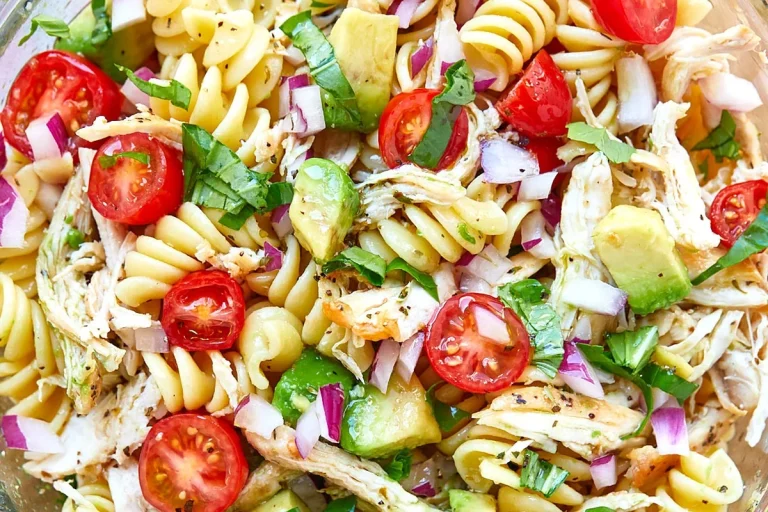
- Penne
- Rotini
- Fusilli
- Ziti
- Shells
- Macaroni
Long pasta can work, but it needs more care. Spaghetti and linguine may break or stick if you force them down.
Whole wheat, gluten-free, and fresh pasta can cook very differently. Check the package and watch the texture closely.
Simple ingredient ratios that work well
A good starting point is enough liquid to cover the pasta well without drowning it. For plain pasta, many cooks use water and a little salt.
For sauced pasta, use sauce plus added liquid if needed. The sauce must be thin enough to help the pot pressurize.
- Dry pasta
- Water or broth
- Salt, if desired
- Sauce, if making one-pot pasta
- Optional oil, though it is not always needed
Tools and add-ins that make it easier
You only need the Instant Pot, a measuring cup, and a spoon. A strainer helps if you plan to drain the pasta after cooking.
Some cooks also keep cheese, herbs, and cooked protein nearby for the finish. That keeps the final step quick.
In short: short pasta, enough liquid, and a simple tool set are enough.
How Instant Pot Pasta Cooking Works
Instant Pot pasta cooks under pressure, so heat moves fast. That changes the timing and makes the pasta soften quicker than on the stove.
Why pressure cooking changes the cook time
Pressure raises the boiling point of the liquid inside the pot. That means the pasta cooks in hot steam and hot liquid at the same time.
Because of that, cook times are much shorter than stovetop times. Even a minute or two can make a big difference.
Pasta keeps softening after pressure cooking ends, especially if it sits in hot liquid.
How water, sauce, and pasta interact
Dry pasta absorbs liquid as it cooks. If you use too little liquid, the pasta may cook unevenly and trigger a burn warning.
If you use too much liquid, the pasta may turn soft and watery. Sauce also thickens as starch moves into the liquid.
Thick sauces can stick to the bottom of the pot. Stir well and follow your model’s manual to reduce burn risk.
When to use quick release or natural release
Quick release stops cooking fast. That helps keep pasta from going too soft.
Natural release lets pressure drop on its own. It can be useful for thick sauces, but it may overcook delicate pasta.
For most pasta dishes, quick release is the safer default. However, always follow your model’s manual and your recipe’s timing.
- Use quick release for firmer pasta.
- Use natural release only when the recipe needs extra sauce time.
- Stir right after opening the lid.
Step-by-Step Guide to Cooking Pasta in an Instant Pot
Here’s the basic method for plain pasta and a simple one-pot version with sauce. Both are easy once you learn the timing.
Basic method for plain pasta
Place dry pasta in the pot and add enough water to cover it well.
Add salt if you want, then stir so the pasta does not clump.
Use a short cook time based on the pasta type and package guidance.
Do a quick release when the cook cycle ends, then open the lid carefully.
Stir and taste a piece. Cook a little longer only if needed.
If you plan to drain it, do that right away. Pasta sits in hot water and keeps softening.
One-pot method for pasta with sauce
This method is popular because it saves time and dishes. It also gives the pasta a chance to soak up flavor.
Add sauce, water or broth, and dry pasta to the insert.
Press the pasta under the liquid as much as you can.
Set a short time that matches the pasta shape and thickness.
Quick release the pressure, then stir well to blend the sauce.
Add cheese, herbs, or protein after cooking, not before.
One-pot pasta is handy for weeknights. It also works well with jarred sauce, though the final texture may vary.
How to adjust for different pasta types
Not all pasta behaves the same way. Small or thin shapes need less time, while thick shapes may need more liquid and care.
- Small pasta cooks fast and can turn soft quickly.
- Thick pasta may need extra stirring after cooking.
- Gluten-free pasta can break down faster than wheat pasta.
- Fresh pasta often needs very little time.
When in doubt, start with less time. You can always cook a bit longer, but you cannot undo overcooked pasta.
- Use short pasta when possible.
- Keep enough liquid in the pot.
- Quick release helps protect texture.
Common Mistakes to Avoid
Most Instant Pot pasta problems come from liquid, shape, or timing. The good news is that each one is easy to manage.
Using too much or too little liquid
Too little liquid can leave hard spots and trigger a burn warning. Too much liquid can make the pasta bland and soft.
Use the recipe and your model’s manual as your guide. Different pot sizes and sauce types can change the right amount.
The pasta sticks, scorches, or stays partly hard.
Add enough liquid to pressure cook safely and stir before cooking.
Choosing the wrong pasta shape
Very delicate pasta can get mushy fast. Long noodles can also clump if they are not arranged well.
Short, sturdy shapes are easier for most home cooks. They give more even results with less effort.
Overcooking from poor timing
Pressure cooking is quick, so timing matters a lot. A small timing error can change the texture.
Use the shortest time that seems reasonable, then check the pasta. If you want firmer pasta, stop early.
- Start with short cook times.
- Stir after pressure cooking.
- Taste before serving.
- Walking away from the pot after release.
- Using fragile pasta without care.
- Adding too much sauce at the start.
Safety Tips, Cleaning, and Easy Maintenance
Instant Pot pasta is simple, but hot steam and thick sauce still need care. A few small habits can help keep cooking safe and cleanup easy.
How to avoid burn warnings and steam issues
Keep the bottom of the pot covered with enough liquid. Thick sauce should not sit dry on the base.
Scrape the bottom well before you start pressure cooking. Also make sure the sealing ring and lid are seated correctly.
Follow the appliance manual and stop using damaged equipment.
If steam escapes where it should not, stop and check the lid setup. If the pot shows repeated error messages, consult the manual before trying again.
Best cleanup steps after pasta cooking
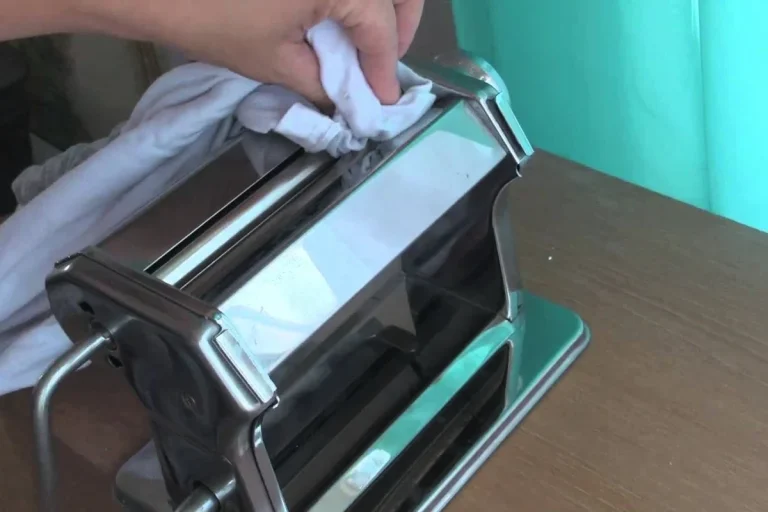
Let the insert cool a little before washing it. That helps prevent sudden temperature changes and makes cleanup safer.
Soak stuck starch or sauce with warm water. Then wipe gently with a soft sponge.
Wash the insert, lid parts, and sealing ring if the manual allows it.
Check the sealing ring, float valve, and steam path for residue.
Simple care tips for the Instant Pot insert
Avoid scraping the insert with sharp tools. That can damage the surface and make food stick more often.
Dry all parts fully before storing them. That helps reduce smells and keeps the cooker ready for the next meal.
Benefits, Limits, and When This Method Makes Sense
Instant Pot pasta can be a great fit for some cooks and a poor fit for others. It depends on what you want from dinner.
Why busy cooks like this method
It saves time because you do not need to watch a boiling pot. It also cuts down on dishes when you make a full one-pot meal.
That makes it useful for weeknights, small kitchens, and simple meal prep. It’s also nice when you want hands-off cooking.
- Fast dinner with less watching
- Easy one-pot cleanup
- Works well for sauce-based meals
When stovetop pasta may still be better
Stovetop pasta gives you more control over texture. That can matter for delicate noodles or dishes that need exact doneness.
It may also be better when you want to finish pasta in a pan sauce. Some classic recipes still taste best that way.
Cost, value, and weeknight convenience
The value here is mostly about time and convenience, not fancy results. If you already own an Instant Pot, pasta is one more useful job for it.
For many homes, that makes sense on busy nights. If you rarely use pressure cooking, the stovetop may still be simpler.
Final Recommendation for Red Kitchen Project Readers
For most home cooks, Instant Pot pasta makes sense when you want speed, simple cleanup, and a one-pot meal. It works best with short pasta and a light, well-balanced sauce.
If you care most about exact texture, the stovetop may still be the better choice. But for easy weeknight cooking, this method is hard to beat.
Who should use this method most often
This method is a strong fit for busy families, small kitchens, and anyone who likes hands-off cooking. It also works well for cooks who want fewer dishes.
It is less ideal for very delicate pasta or recipes that need tight control. In those cases, the stovetop gives you more room to adjust.
Best next step for getting reliable results
Start with a simple pasta shape and a basic recipe from your machine’s manual or a trusted source. Then adjust the time a little based on your taste.
That small habit will help you find the sweet spot fast. Once you do, Instant Pot pasta can become one of your easiest dinners.
Instant Pot pasta is a smart choice for fast, low-mess meals, especially with short pasta and sauce-based recipes. If you want the most control over texture, the stovetop still wins.
Frequently Asked Questions
Short shapes like penne, rotini, shells, and ziti usually work best. They cook more evenly and are less likely to clump than long noodles.
Use enough liquid to cook the pasta safely and follow your recipe or manual. Too little can cause a burn warning, while too much can make the pasta soft.
Quick release usually works best for pasta because it stops cooking fast. Natural release can overcook delicate pasta, though some saucy recipes may use a short natural release.
Stir and taste a piece right after pressure release. If it still feels too firm, cook it a little longer, but check often because it softens fast.
Yes, one-pot pasta works well when the sauce has enough liquid to help the pot pressurize. Stir well before cooking and again after cooking for the best texture.
Cool leftovers quickly, then store them in a sealed container in the fridge. Reheat gently with a splash of water or sauce so the pasta does not dry out.