Is Italian Pasta Healthier Than American Heres the Truth

Italian pasta is not automatically healthier than American pasta. The healthier choice depends on flour, fiber, portion size, and sauce.
Yes, sometimes. But “Italian pasta” is not always healthier than “American pasta.” The real difference comes down to the flour, the fiber, the portion size, and what you put on top.
In most home kitchens, the healthiest choice is the pasta with the best ingredient list and the right serving size. That could be Italian-made pasta, American-made pasta, whole wheat pasta, or even a legume pasta.
- Flour matters: Whole grain and legume pasta usually offer more fiber.
- Portions matter: A smaller serving often beats a “healthier” pasta in a huge bowl.
- Sauce matters: Tomato and vegetable sauces usually keep meals lighter.
- Labels matter: Check ingredients, fiber, protein, and sodium before you buy.
Is Italian Pasta Healthier Than American Pasta? The Short Answer

The short answer is no, not by default. Pasta from Italy can have a better reputation because many brands use durum wheat semolina and simple ingredients.
American pasta can be just as healthy. Some American brands use the same wheat, the same style of drying, and the same basic recipe.
So the label alone does not tell the full story. You need to look at the flour, the fiber, and the serving size.
What Makes Pasta “Italian” or “American” in the First Place

People often use those words in a loose way. They may mean where the pasta was made, how it was made, or what style of wheat it uses.
Italian pasta often means pasta made with durum wheat semolina and a simple ingredient list. American pasta can use the same base, but it may also include different flour blends or enrichment.
Common flour types and how they change nutrition
Flour choice changes the nutrition more than the country name does. Durum wheat semolina gives pasta a firm bite and decent protein.
Refined wheat flour makes a softer pasta, but it often has less fiber. Whole wheat keeps more of the grain, so it usually gives you more fiber and a fuller feel.
Durum wheat is naturally high in gluten strength, which helps pasta hold its shape while cooking.
How processing, drying, and milling affect the final pasta
Processing can change texture and cooking quality. Slow drying can help some pasta keep a firmer texture, while faster drying may be more common in mass production.
Milling also matters. More refined milling removes more bran and germ, which can lower fiber. That does not make pasta bad, but it can make it less filling.
Processing methods vary by brand, region, and product line. Always check the package if you want the most accurate comparison.
Nutrition Breakdown: Calories, Protein, Fiber, and Carbs
When people ask if one pasta is healthier, they usually mean the nutrition facts. The main numbers to compare are calories, protein, fiber, and total carbs.
Most dry pasta looks similar at first glance. But the details can shift a lot once you compare refined, whole wheat, and legume-based options.
What to compare on the label before you buy
Start with the serving size. Then look at fiber and protein, because those help with fullness and meal balance.
- Serving size and servings per box
- Fiber and protein per serving
- Ingredient list and flour type
- Sodium, if the pasta is flavored or seasoned
Also check whether the pasta is enriched or whole grain. Enriched pasta adds back some nutrients, but it still may not match the fiber of whole grain pasta.
Why portion size matters more than most people think
A big bowl of pasta can turn a balanced food into a heavy meal. Even a healthy pasta can become less helpful if the serving is too large.
For most people, the sauce and sides matter as much as the pasta itself. A modest portion with vegetables and protein usually works better than a huge plain pile.
- Measure dry pasta once or twice to learn a normal portion.
- Fill half the plate with vegetables when you serve pasta.
- Add beans, chicken, tuna, or tofu for more staying power.
Ingredients That Can Make One Pasta Healthier Than Another
The ingredient list often tells you more than the country of origin. Short lists usually mean less processing and fewer extras.
That said, some added nutrients can be useful. The best choice depends on your goals.
Semolina, durum wheat, and enriched flour
Semolina made from durum wheat is the classic pasta base. It gives pasta a firm texture and a familiar taste.
Enriched flour pasta can still be a fine choice. It may add iron and B vitamins, which can help if your diet needs them.
Is semolina pasta always better than regular pasta?
Not always. Semolina pasta often has a better bite, but whole grain or legume pasta may offer more fiber.
Whole wheat, legume, and gluten-free options
Whole wheat pasta usually gives you more fiber. That can help you feel full longer and may support steadier blood sugar.
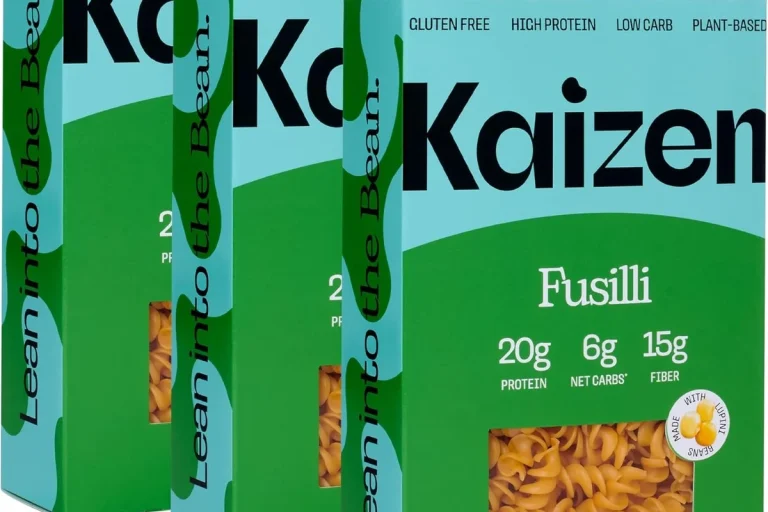
Legume pasta, such as chickpea or lentil pasta, often brings more protein and fiber. Gluten-free pasta can work well too, but the nutrition can vary a lot by brand.
Best when you want more fiber and a heartier meal.
Best when you want more protein and a slower carb rise.
Additives, sodium, and fortification
Plain dried pasta usually has very little sodium. But flavored or instant pasta products can have much more.
Additives are not always a bad thing. Still, a short ingredient list makes it easier to know what you are eating.
If you have food allergies or celiac disease, always check the full label. Pasta recipes and factory lines can change.
How Italian Eating Style Changes the Health Picture
Here’s the part many people miss. Italian pasta meals often look healthier because of how they are served.
A simple sauce, a smaller portion, and more vegetables can make a big difference. The meal matters more than the passport on the box.
Simple sauces, vegetables, and olive oil
Tomato sauce, olive oil, garlic, herbs, and vegetables can keep a pasta meal light and balanced. These add flavor without piling on too much fat or sugar.
That style also makes it easier to stop eating when you feel full. The meal tastes complete without needing a huge amount of cheese.
Big portions, heavy sauces, and extra cheese
American-style pasta meals often get bigger. They may also include creamy sauce, lots of cheese, and larger portions.
That does not make them bad. It just makes them easier to overdo. A rich sauce can raise calories fast.
Use pasta as the base, not the whole meal. Add vegetables first, then protein, then sauce.
Best Pasta Choices for Different Goals
The best pasta depends on what you want most. Weight control, blood sugar support, and budget meals all point to slightly different choices.
Best for weight control
For weight control, choose a pasta with more fiber and pair it with vegetables. Whole wheat or legume pasta can help you feel full with less food.
Also keep the sauce light. A tomato-based sauce usually works better than a creamy one.
Best for blood sugar support
If blood sugar support matters to you, look for more fiber and protein. Whole wheat and legume pasta often work better than refined pasta.
Cooking pasta al dente may also help some people feel a slower rise than overcooked pasta. Still, your whole meal matters most.
Best for family meals on a budget
For budget meals, plain enriched pasta is often a smart pick. It is cheap, filling, and easy to pair with pantry foods.
To make it healthier, add frozen vegetables, beans, or canned tomatoes. That keeps cost down and boosts nutrition.
Common Mistakes That Make Pasta Less Healthy
Many pasta problems come from cooking habits, not the pasta itself. A few small changes can make a big difference.
Overcooking and oversized servings
Overcooked pasta can taste softer and feel less filling. Oversized servings can also push the meal into heavy territory.
Try to keep the pasta firm and serve it in a balanced bowl. That makes it easier to enjoy without going overboard.
Choosing sauces with too much sugar or cream
Some jarred sauces hide a lot of sugar. Cream sauces can also add a lot of calories quickly.
Check the label when you can. A simple tomato sauce with herbs is often the easier everyday choice.
Ignoring fiber and protein balance
Pasta on its own is mostly carbs. If you skip fiber and protein, you may feel hungry again soon.
Pair pasta with chicken, fish, beans, lentils, or cheese in a modest amount. Add vegetables for more volume and color.
- Build the meal around vegetables and protein
- Choose whole grain when you want more fiber
- Watch sauce portions
- Using pasta as a huge main pile
- Relying on creamy sauce every time
- Ignoring the serving size on the label
Final Verdict: Which Pasta Is the Better Choice in 2026
In 2026, the better choice is not simply Italian pasta or American pasta. The healthier option is the one with simple ingredients, more fiber, and a balanced meal around it.
If two pastas look similar, choose the one with the better label and the better fit for your meal plan. That is the most practical way to shop.
Who should choose Italian-style pasta
Choose Italian-style pasta if you like a firmer bite and a simple ingredient list. It can be a good fit for classic olive oil or tomato-based meals.
It also makes sense if you want a traditional pasta texture and you plan to keep portions moderate.
Who may prefer American-style pasta
Choose American-style pasta if it fits your budget, your pantry, or your family’s taste. Many American brands are perfectly fine for everyday meals.
Some American brands also offer whole wheat, high-protein, or gluten-free choices. Those can be great if they match your needs better.
Best overall recommendation for everyday meals
For most people, the best everyday pasta is whole grain or legume pasta with a simple sauce. If you prefer classic pasta, pick a plain durum wheat version and keep the portion sensible.
So, is Italian pasta healthier than American? Not automatically. The healthiest pasta is the one that fits your goals, tastes good, and works well in a balanced meal.
Italian pasta is not always healthier than American pasta. For most homes, the best choice is simple pasta with more fiber, a modest portion, and a smart sauce.
Frequently Asked Questions
No. Health depends more on the flour, fiber, portion size, and sauce than the country name.
Check the serving size, fiber, protein, ingredient list, and whether the pasta is whole grain or enriched.
Often yes, because it usually has more fiber. That can help with fullness and meal balance.
Yes. Heavy cream sauces and large portions can make any pasta meal less healthy.
It can be a great choice if you want more protein and fiber. Taste and texture vary by brand.
A simple whole grain or durum wheat pasta with vegetables and protein is a strong everyday option.