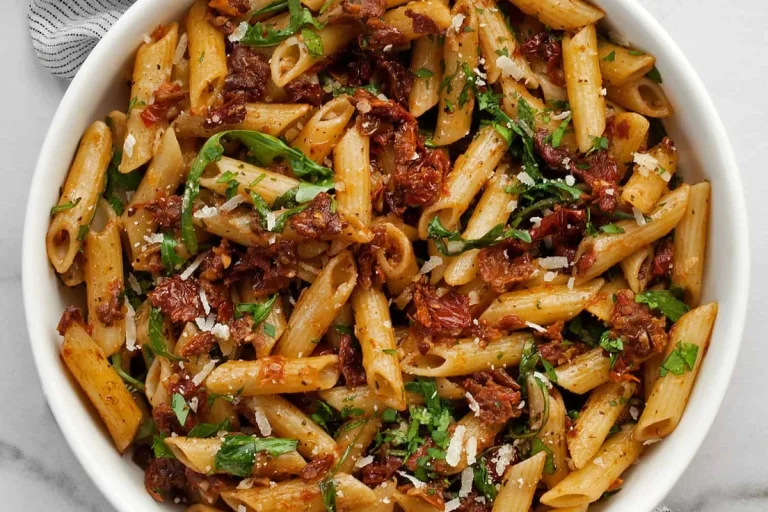
Is Italian Pasta Salad Healthy What You Need to Know

Italian pasta salad can be healthy when you use more vegetables, a lighter dressing, and sensible portions. It gets less healthy when it leans too hard on cheese, salty meat, and refined pasta.
Yes, Italian pasta salad can be healthy. It depends on the pasta, dressing, vegetables, cheese, and portion size.
Some versions are light and balanced. Others turn into a high-calorie side dish with lots of salt, fat, and refined carbs.
- Main point: The recipe matters more than the name.
- Best upgrade: Add vegetables, protein, and whole grain pasta.
- Main limit: Dressing, cheese, and cured meat can raise calories fast.
- Best use: It often works well as a balanced lunch or side dish.
Is Italian Pasta Salad Healthy? The Short Answer
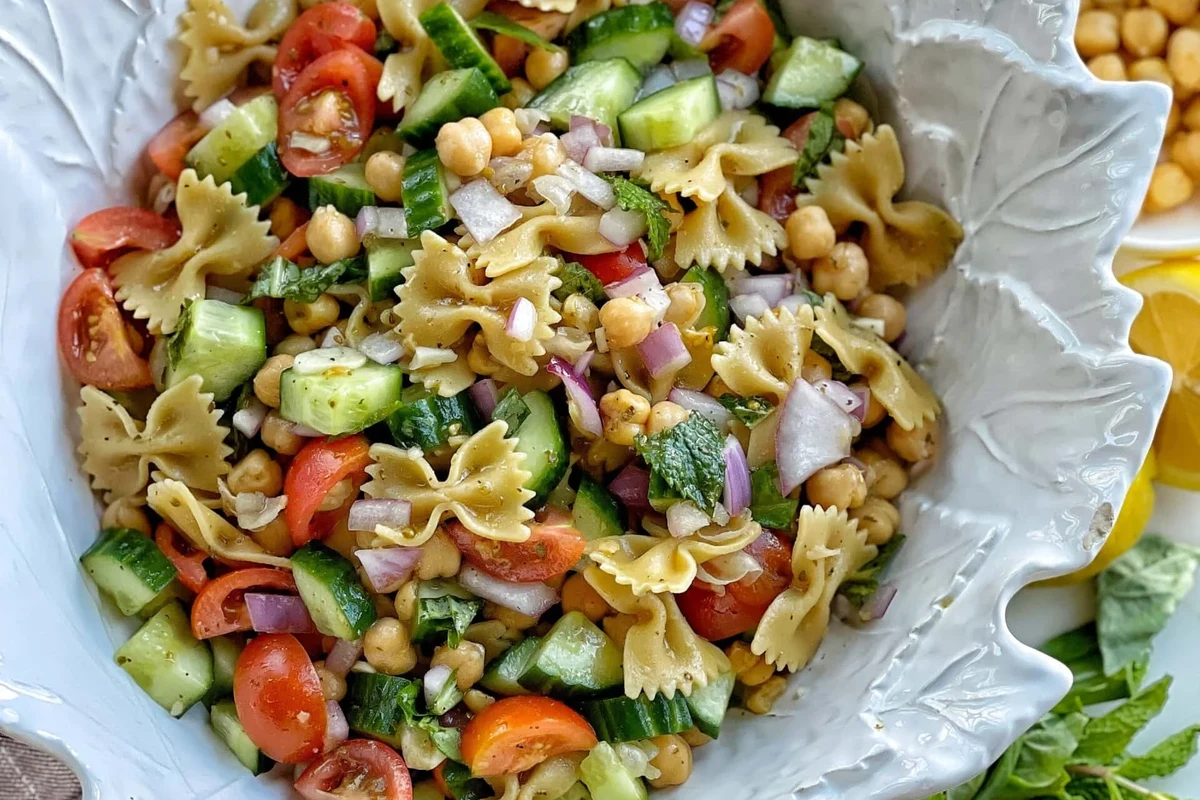
Italian pasta salad can fit a healthy diet, but it is not healthy by default. The final nutrition depends on what goes in the bowl and how much you eat.
If you use whole grains, plenty of vegetables, and a lighter dressing, it can be a smart meal or side. If you load it with creamy dressing, salami, and lots of cheese, it gets heavy fast.
In short: the same dish can be a good choice or a rich one. The ingredients decide the answer.
What Goes Into Italian Pasta Salad
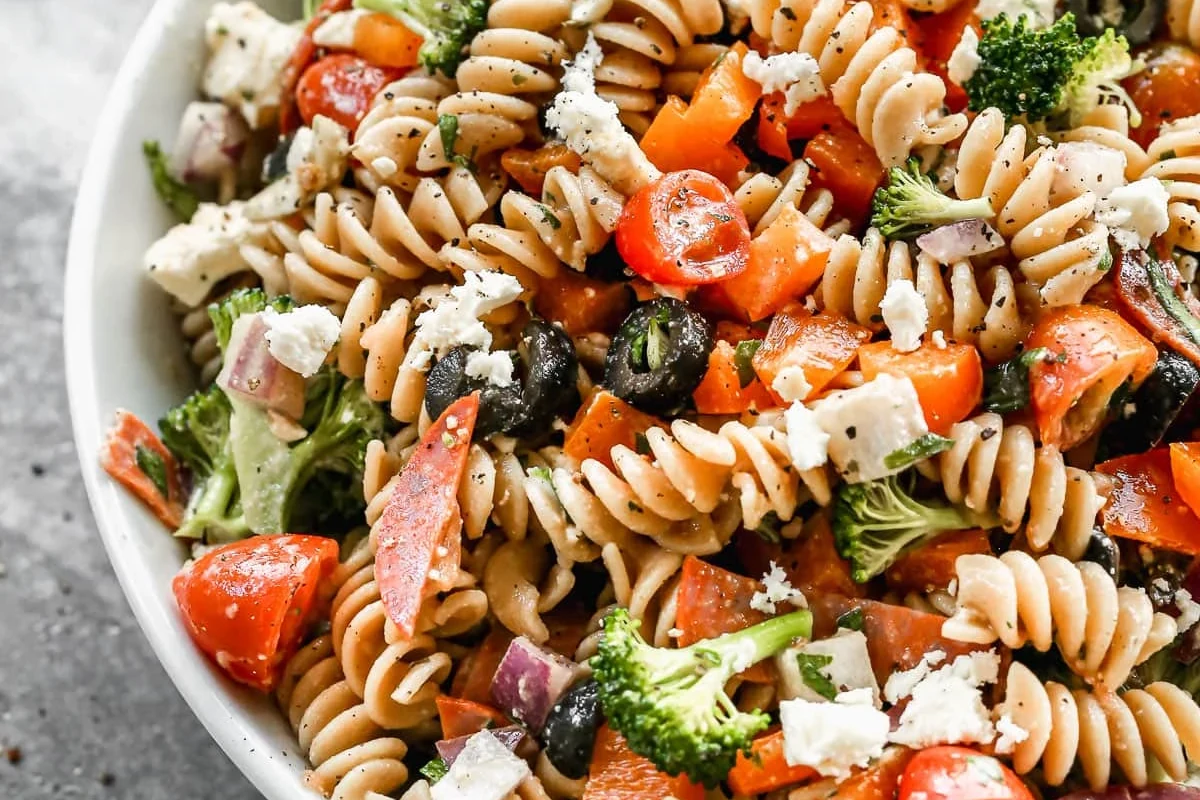
Italian pasta salad usually starts with cooked pasta and a tangy dressing. Then cooks add vegetables, cheese, olives, herbs, and sometimes meat.
That mix can bring flavor and useful nutrients. It can also push calories and sodium higher than people expect.
Common pasta choices and why they matter
The pasta type changes the nutrition more than many people think. Regular white pasta is common, but whole wheat or legume pasta can give more fiber and protein.
Smaller shapes like rotini, bow ties, and penne hold dressing well. That makes the salad taste better, but it can also mean more dressing clings to each bite.
Nutrition varies by brand and pasta type. Check the label if you want more fiber or less sodium.
In short: pasta shape affects texture, while pasta type affects nutrition.
Typical dressings, cheese, and add-ins
Italian pasta salad often uses bottled Italian dressing or a homemade oil and vinegar mix. Some versions add mozzarella, parmesan, pepperoni, salami, olives, or artichokes.
Vegetables like tomatoes, cucumbers, peppers, onions, and spinach can boost the meal. Meat and cheese add protein, but they also raise fat and salt.
Vegetables add volume fast, so the salad can feel bigger without adding many calories.
In short: the add-ins can make the salad fresher, richer, or both.
How portion size changes the nutrition
Portion size matters a lot with pasta salad. A small bowl can work well, but a heaping plate can turn into a full meal with more calories than expected.
Dressing also spreads easily through pasta. That means a little extra can add up fast.
Serve pasta salad with a spoon, not a large scoop. It helps you keep portions more even.
In short: a modest serving can fit many meal plans. A large serving can change the whole nutrition picture.
How Italian Pasta Salad Fits a Healthy Diet
Italian pasta salad can work in different ways. It can be a main dish, a side dish, or a potluck food that you keep light.
The best fit depends on what else is on the table and what your body needs that day.
When it works as a balanced meal
It works best as a meal when it includes protein, fiber, and vegetables. Think whole grain pasta, chickpeas, grilled chicken, tomatoes, peppers, and a lighter dressing.
That mix gives you carbs for energy, plus enough protein and fiber to help you stay full.
Helps slow digestion and supports fullness.
Helps the salad feel more like a real meal.
In short: a few smart adds can turn pasta salad into lunch or dinner.
When it works better as a side dish
If the salad uses rich dressing, cheese, or meat, it may fit better as a side. That is especially true when the main meal already has protein and starch.
At a cookout, pasta salad often sits beside burgers, chicken, or grilled fish. In that case, a smaller serving makes more sense.
In short: side dish portions are often the easiest way to keep it balanced.
Who may need to watch ingredients more closely
People watching sodium, saturated fat, or blood sugar may want to look closely at the recipe. This is also true for anyone managing calories for weight goals.
If you have food allergies or special diet needs, check labels and ingredients carefully. Store-bought dressings and deli meats can hide extra salt or allergens.
If you have a medical diet plan, follow your clinician’s advice first. Recipes can vary a lot, so labels matter.
In short: the healthiest version depends on your own needs, not just the recipe name.
The Good Parts: Nutrition Benefits of Italian Pasta Salad
Italian pasta salad can bring more than just taste. With the right mix, it can offer energy, fiber, and useful nutrients from vegetables and protein.
Why it can offer energy and fiber
Pasta gives carbs, which your body uses for fuel. That can be helpful for active days, school lunches, or a quick meal after work.
Whole grain pasta adds more fiber than refined pasta. Fiber helps slow digestion and can make the meal feel more steady and filling.
In short: pasta gives energy, and whole grains can give more staying power.
How vegetables improve the meal
Vegetables make Italian pasta salad brighter, fresher, and more filling. They also add vitamins, minerals, and crunch.
Tomatoes, peppers, cucumbers, broccoli, and spinach all work well. The more color you add, the more likely you are to get a wider mix of nutrients.
- More volume with fewer calories
- Better color, texture, and freshness
- More vitamins and minerals from plants
In short: vegetables are one of the easiest ways to make the salad healthier.
Ways protein can make it more filling
Protein helps pasta salad feel satisfying for longer. Good choices include chicken, tuna, beans, chickpeas, eggs, tofu, or a modest amount of cheese.
Protein also helps balance the carbs from pasta. That can make the meal feel less like a quick snack and more like a full plate.
In short: protein helps the salad work harder as a meal.
The Limits: When Italian Pasta Salad Gets Less Healthy
The same dish can go from light to heavy with a few changes. Rich dressing, lots of cheese, and big portions often cause the problem.
High-calorie dressings and heavy cheese
Creamy dressings and oil-heavy mixes can add a lot of calories. They can also make the salad taste richer than it looks.
Cheese adds flavor and protein, but it adds fat too. A little can help, while a lot can make the dish feel dense.
In short: dressing and cheese can improve taste, but they also raise the calorie count fast.
Too much refined pasta and too little produce
If the bowl is mostly white pasta, the salad loses balance. You get more starch and fewer vitamins, minerals, and fiber.
That version can still taste good, but it may not keep you full for long. You may feel hungry again sooner.
- Fast, easy, and familiar
- Works well with many add-ins
- Can become low in fiber
- Can feel less filling
In short: more pasta and fewer vegetables usually means a weaker meal.
Sodium, fat, and portion creep
Italian-style dressings, olives, cured meats, and cheese can all raise sodium. That matters if you eat pasta salad often.
Portion creep is another issue. It’s easy to keep scooping, especially at parties or meal prep time.
- Taste before adding more dressing.
- Mix in vegetables before adding extra cheese.
- Use smaller bowls to slow down serving size.
In short: the bowl can get less healthy in small, sneaky steps.
How to Make Italian Pasta Salad Healthier
You do not need to give up the dish to make it healthier. A few simple swaps can improve the balance without hurting the flavor.
Better pasta picks for everyday eating
Whole wheat pasta is a strong everyday choice. It usually gives more fiber than regular pasta.
Legume-based pasta can also work well if you want more protein. Just know the texture and taste may feel different from classic pasta.
- Look for more fiber per serving
- Check whether the pasta holds its shape well
- Choose a type your family will actually eat
In short: the best pasta is the one you’ll keep using.
Smarter dressing and topping choices
Use enough dressing to coat the salad, not drown it. A lighter vinaigrette often works well.
Try fresh herbs, lemon, black pepper, roasted garlic, or a little parmesan for flavor. These can add taste without piling on too much fat or salt.
- Add dressing slowly and taste as you go
- Use herbs and vegetables for extra flavor
- Pouring on dressing all at once
- Using cheese as the main flavor source
In short: light hands with dressing usually give the best results.
Easy swaps for more protein and fiber
Add chickpeas, white beans, grilled chicken, tuna, or tofu for protein. For more fiber, use extra vegetables and whole grain pasta.
You can also mix in leafy greens right before serving. That adds volume and freshness with very little effort.
In short: protein and fiber are the easiest upgrades.
Common Mistakes People Make With Italian Pasta Salad
Most problems come from simple habits, not bad ingredients. A few common mistakes can change the dish a lot.
Using too much dressing
Too much dressing makes the salad greasy and heavy. It can also hide the taste of fresh vegetables.
Start with less than you think you need. You can always add more after mixing.
In short: it’s easier to add dressing than to take it away.
Skipping vegetables and protein
A pasta-only bowl is more like a starch side than a balanced meal. It may taste fine, but it often lacks staying power.
Vegetables and protein help the salad feel complete. They also improve the nutrition without making the dish complicated.
In short: pasta is the base, not the whole plan.
Serving it in portions that are too large
Big servings are one of the fastest ways to turn a decent dish into a heavy one. This happens a lot at parties and buffets.
Use a smaller scoop and add a side salad or fruit if you want a fuller plate.
In short: a smaller serving can still feel satisfying when the rest of the meal is balanced.
Final Verdict: Is Italian Pasta Salad Healthy for You?
Italian pasta salad can be healthy when you build it with care. It works best with whole grain or legume pasta, plenty of vegetables, and a lighter dressing.
If your version is heavy on cheese, cured meat, and creamy dressing, it’s better as an occasional treat. That does not make it bad. It just means the balance has shifted.
Best use cases and simple takeaways
Use Italian pasta salad as a balanced lunch, a light dinner, or a side dish at a cookout. Keep the portions sensible and let vegetables do more of the work.
If you want a healthier bowl, focus on three things. Choose better pasta, add more produce, and go easy on dressing.
- Italian pasta salad can be healthy, but the recipe matters.
- Vegetables, fiber, and protein make it more balanced.
- Heavy dressing, cheese, and large portions make it less healthy.
Practical recommendation from the Red Kitchen Project Editorial Team
Our practical take is simple. If you make Italian pasta salad at home, build it like a balanced bowl, not a heavy side.
For most people, that means more vegetables, a sensible amount of dressing, and enough protein to keep it filling. If you need to watch sodium or calories, check labels and keep portions modest.
Italian pasta salad can absolutely fit a healthy diet when you keep the dressing light, add vegetables, and watch portions. If you want the healthiest version, treat pasta as the base and let produce and protein do the rest.
Frequently Asked Questions
Yes, it can be healthy when you use whole grain pasta, plenty of vegetables, and a lighter dressing. Heavy cheese, cured meat, and large portions can make it less healthy.
Creamy dressing, lots of cheese, salty meats, and too much refined pasta are the biggest issues. Large servings can also push calories and sodium higher.
Use whole wheat or legume pasta, add more vegetables, and choose a lighter vinaigrette. Add beans, chicken, or tofu for more protein.
It can be either one. It works as a meal when it includes protein and lots of vegetables, and as a side dish when the recipe is richer.
Whole wheat pasta is a strong everyday choice because it usually gives more fiber. Legume-based pasta can also work well if you want more protein.
Add dressing slowly, use smaller portions, and let vegetables make up more of the bowl. Taste as you go so you do not overdo the rich ingredients.