Is Alfredo Pasta Healthy What You Need to Know

Alfredo pasta can fit a healthy diet, but it is usually best as an occasional meal. It becomes much better for you when you keep the portion small and add vegetables or lean protein.
Alfredo pasta can be part of a healthy diet, but it is not usually a light meal. The answer depends on your portion size, sauce recipe, and what you serve with it.
- Rich sauce: Butter, cream, and cheese make Alfredo high in calories.
- Portion matters: A smaller serving can fit a balanced meal.
- Add balance: Vegetables and lean protein improve the meal.
- Homemade helps: You can control salt and fat more easily.
- Best use: Treat Alfredo as an occasional comfort food.
Is Alfredo Pasta Healthy? The Short Answer
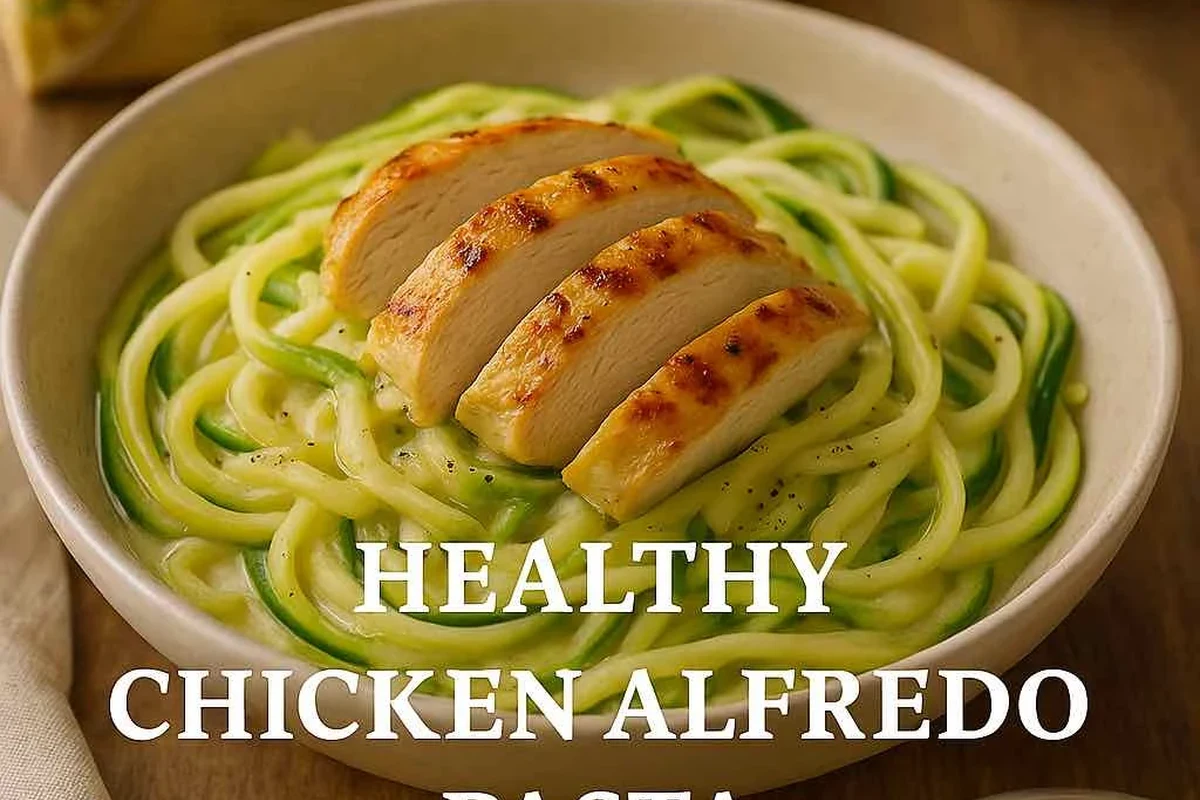
Alfredo pasta is best seen as an occasional comfort food, not an everyday health food. It can fit into a balanced diet if you keep portions moderate and add lean protein or vegetables.
The dish gets its rich taste from cream, butter, and cheese. Those ingredients make it filling, but they also raise calories, fat, and sodium fast.
What Alfredo Pasta Is Made Of

Classic Alfredo is simple, but that does not mean it is light. The sauce often uses a few rich ingredients that add up quickly.
Classic Ingredients in a Traditional Alfredo Sauce
Traditional Alfredo sauce usually includes butter, Parmesan cheese, and pasta water. Some home cooks also add cream, garlic, or black pepper.
That mix creates a smooth sauce that clings to noodles well. It also makes the dish dense in calories and saturated fat.
Recipes vary a lot. Some versions use only butter and cheese, while others add cream or milk for a thicker sauce.
How Store-Bought Alfredo Differs From Homemade
Store-bought Alfredo sauce often uses cream, oil, starch, and extra salt to stay shelf-stable and smooth. Homemade sauce gives you more control over the ingredients.
That said, homemade Alfredo is not always lighter. If you pour in lots of butter, cream, and cheese, it can be just as rich.
Parmesan adds flavor fast, so a little can go a long way in pasta sauce.
How Alfredo Pasta Fits Into a Balanced Diet
Alfredo pasta works best when you treat it like one part of a full meal. It should not carry the whole plate by itself.
Calories, Fat, and Carbs at a Glance
Alfredo pasta usually brings a mix of refined carbs from pasta and fat from the sauce. The exact numbers depend on the recipe and serving size.
A small bowl may fit well into a normal meal plan. A large restaurant portion can take up most of your daily calorie budget.
- Use a smaller bowl to help keep portions in check.
- Pair Alfredo with vegetables to balance the plate.
- Choose grilled chicken or shrimp for extra protein.
What Portion Size Means for Everyday Eating
Portion size matters more than many people think. A modest serving can work for dinner, but a heaping plate can be too much for most adults.
If you eat Alfredo often, keep the serving smaller and add a side salad or steamed vegetables. That helps make the meal more balanced and more filling.
Health Benefits and Nutritional Upsides
Alfredo pasta does have some upsides. It can be comforting, satisfying, and easy to turn into a full meal.
When Alfredo Can Still Be a Smart Meal Choice
Alfredo can make sense when you need a filling dinner after a long day. It can also work well for picky eaters who need a familiar, easy meal.
If you build the plate well, the pasta can support energy and satiety. The key is to avoid letting the sauce do all the work.
Ways It Can Support a Filling Dinner
Fat and protein help meals feel satisfying. Alfredo sauce brings fat, and added chicken, shrimp, or beans can raise the protein.
That mix can keep you from getting hungry again too soon. For many families, that matters just as much as the calorie count.
- Very filling when served with protein and vegetables
- Easy to adapt for quick weeknight meals
- Comforting flavor can help reduce food waste
Health Limits and Common Concerns
Alfredo pasta is not a top choice if you want a lighter meal. The sauce can be heavy, salty, and high in saturated fat.
Why Alfredo Can Be Heavy for Some People
Some people feel full or sluggish after a rich cream sauce. Others may find it hard to digest, especially if they are sensitive to dairy.
If you have lactose issues or need to watch fat intake, Alfredo may not sit well. In that case, a lighter sauce can be a better pick.
If you have a dairy allergy or lactose intolerance, check every ingredient label. Restaurant sauces may include hidden dairy, butter, or cheese.
How Sodium, Saturated Fat, and Calories Add Up
Cheese, butter, and packaged sauce can all raise sodium and saturated fat. Those add up quickly, even before you add extra cheese on top.
Restaurant servings can be especially rich. One large plate may contain more sauce than most home cooks would use in two meals.
Follow the sauce package and pasta cooking directions. Stop using any package that smells off, looks damaged, or shows swelling.
Healthier Ways to Make Alfredo Pasta
You do not have to give up Alfredo to make it a little lighter. Small swaps can change the meal a lot.
Simple Ingredient Swaps That Lower Calories
Try using less butter and cheese, then build flavor with garlic, pepper, and herbs. You can also use milk or a lighter cream base instead of heavy cream.
Another easy move is to thin the sauce with pasta water. That helps it coat the noodles without making the dish so rich.
- Use pasta water to loosen thick sauce
- Add herbs for flavor without extra fat
- Measure cheese instead of pouring freely
- Adding extra butter just for taste
- Using sauce until the pasta swims in it
- Doubling cheese without checking the portion
Better Pasta, Protein, and Veggie Add-Ins
Whole wheat pasta can add more fiber than regular pasta. That may help you feel fuller for longer.
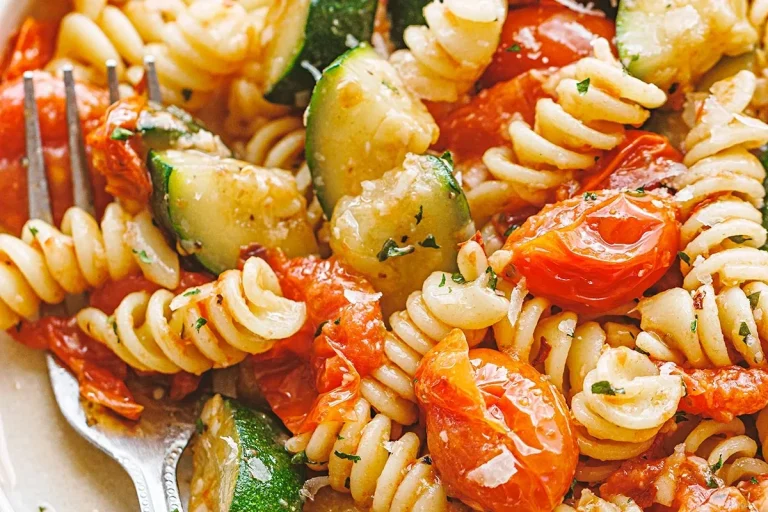
Great add-ins include broccoli, spinach, peas, mushrooms, chicken, shrimp, or white beans. These ingredients make the meal more balanced without losing the creamy feel.
Best for a lighter plate with fewer rich add-ins.
Best for big batches with vegetables and protein.
Common Mistakes People Make With Alfredo Pasta
Most problems with Alfredo come from how people serve it, not just from the recipe itself. A few habits can turn a decent meal into a very heavy one.
Oversized Portions and Rich Add-Ons
Big bowls of pasta can hide a lot of calories. Extra chicken Alfredo, bacon, sausage, and more cheese can push the meal much higher.
That does not make the dish bad. It just means the meal can become more of a splurge than a normal dinner.
Skipping Balance on the Plate
If your plate has only pasta and sauce, it may not keep you full for long. It also misses the fiber and vitamins from vegetables.
Try to fill at least part of the plate with greens or other vegetables. That simple step makes a big difference.
- Alfredo pasta can fit a healthy diet in small portions.
- The sauce is rich, so balance matters.
- Vegetables and lean protein make it a better meal.
Final Verdict: Should You Eat Alfredo Pasta Often?
Alfredo pasta is fine now and then, but it is not the best everyday choice for most people. It works best when you keep portions modest and build a balanced plate.
Best For Occasional Comfort Meals
Choose Alfredo when you want a rich, filling dinner. It is a good fit for a cozy night in or a simple family meal.
If you enjoy it, there is no need to cut it out completely. Just keep it in the rotation as a treat, not a staple.
Best For Readers Looking for Lighter Alternatives
If you want a lighter version, use less sauce, more vegetables, and lean protein. You can also try a milk-based sauce or a veggie-forward pasta dish.
In short, Alfredo pasta can be healthy enough in the right setting. The smartest move is to enjoy it with balance, not excess.
Frequently Asked Questions
It can be part of a balanced dinner, but the sauce is rich. Keep the portion moderate and add vegetables or lean protein.
Butter, cream, and cheese are the main reasons. Restaurant portions can make the calorie count rise even more.
Use less butter and cheese, then thin the sauce with pasta water. Add vegetables and lean protein to improve balance.
It can be, because you control the ingredients. But homemade Alfredo is still rich if you use a lot of cream, butter, and cheese.
A salad, steamed vegetables, or roasted vegetables work well. Lean protein like chicken, shrimp, or beans also helps.
It can fit now and then, but it is usually best as an occasional comfort meal. Lighter pasta dishes are a better everyday choice.