Is Pasta Sauce Healthy What You Need to Know

Yes, pasta sauce can be healthy, especially when it’s tomato-based and not loaded with sugar or salt. The healthiest choice for most people is a simple sauce used in a sensible portion.
Yes, pasta sauce can be healthy. It depends on the ingredients, the portion size, and what you serve it with.
Simple tomato sauce often fits a balanced meal well. Rich cream sauces, salty jars, and big servings can push calories, sugar, and sodium much higher.
- Tomato-based sauces: Usually the best everyday choice for balance and flavor.
- Watch the label: Sugar, sodium, and serving size matter most.
- Homemade helps: You control salt, oil, and sweeteners.
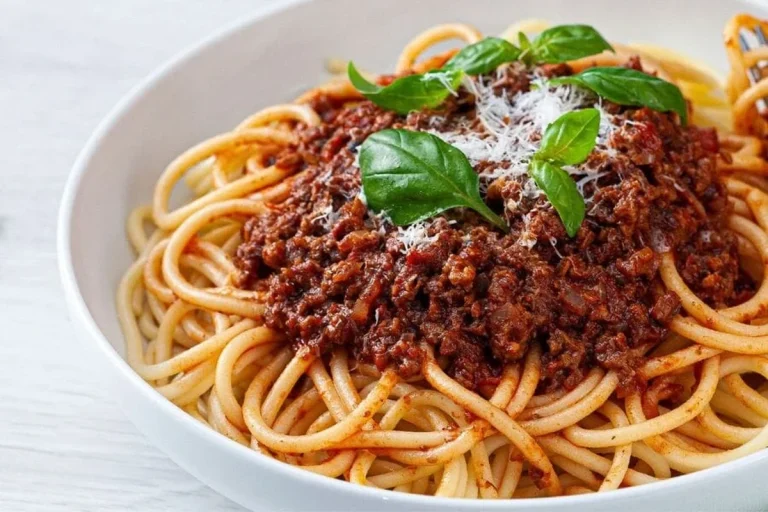
- Rich sauces add more: Cream, cheese, and meat raise calories and fat.
- Portion size counts: A modest scoop keeps the meal more balanced.
Is Pasta Sauce Healthy? The Short Answer and What It Depends On

The short answer is yes, pasta sauce can be a healthy choice. The best sauces are usually simple, tomato based, and not packed with sugar or salt.
That said, not every sauce earns the same health score. A light marinara and a heavy Alfredo-style sauce do very different jobs on your plate.
What makes one sauce healthy and another less so
A healthier sauce usually starts with tomatoes, herbs, garlic, onion, and a modest amount of oil. Those ingredients bring flavor without a lot of extra calories.
Less healthy sauces often rely on added sugar, lots of salt, cream, cheese, or fatty meat. Those can make the sauce taste rich, but they also make it heavier.
In short: the ingredient list tells you most of what you need to know.
Why the same sauce can fit one diet but not another
A sauce can work well for one person and not another. Someone watching sodium may need a different jar than someone focused on calories.
If you need more protein, a meat sauce may help. If you want a lighter meal, a plain tomato sauce may fit better.
Health needs vary by person, so it helps to match the sauce to your own goals and diet limits.
What’s in Pasta Sauce: Key Ingredients That Change the Health Value

Pasta sauce can look simple, but small ingredient changes make a big difference. A few extra spoonfuls of sugar or salt can shift the whole meal.
Tomatoes, oil, sugar, salt, and herbs
Tomatoes are the base of many sauces. They add flavor, color, and useful nutrients.
Oil helps carry flavor and can make sauce taste smoother. A little is fine, but too much raises calories fast.
Sugar can balance sharp tomato taste, but it should stay low. Salt boosts flavor too, yet high sodium can be a concern for many people.
Herbs like basil, oregano, and parsley add taste without much added fat or sugar.
Tomatoes contain lycopene, a natural plant compound that gives them their red color.
Store-bought sauce versus homemade sauce
Store-bought sauce saves time and can still be a smart choice. Many jars offer solid flavor with little effort.
Homemade sauce gives you more control. You decide how much salt, oil, and sugar go in.
The trade-off is time. Homemade sauce usually takes more planning and cleanup.
How cream, cheese, and meat change calories and fat
Cream and cheese make sauce richer and thicker. They also raise saturated fat and calories.
Meat can add protein, which helps some meals feel more filling. Still, fatty meat can make the sauce heavier.
If you want a lighter bowl, keep these add-ins modest or use them less often.
Health Benefits of Pasta Sauce When You Pick the Right Kind
The right pasta sauce can do more than add flavor. It can help you build a meal that feels satisfying and balanced.
Vitamins, antioxidants, and fiber from tomatoes
Tomato sauce can bring in vitamins and plant compounds from the tomatoes themselves. Those nutrients are one reason tomato-based sauces often get a better health reputation.
If the sauce includes tomato pieces, onions, or peppers, it may also add a little fiber. That helps the meal feel more complete.
How sauce can help you eat more vegetables
Sauce makes vegetables easier to enjoy for many people. It can soften the taste of bitter greens or plain vegetables.
For example, a simple sauce can help you eat zucchini, spinach, mushrooms, or eggplant with less fuss.
- Add chopped vegetables to sauce for more volume.
- Use sauce as a base, not the whole meal.
- Choose tomato sauces when you want a lighter plate.
Why simple sauces can support balanced meals
Simple sauces leave room for the rest of the plate. That matters if you want pasta, protein, and vegetables in one bowl.
When sauce stays light, it supports the meal instead of taking it over. That balance is often the healthiest path.
Common Downsides to Watch For in Pasta Sauce
Pasta sauce can be healthy, but some common problems show up often. The biggest ones are sugar, sodium, and oversized portions.
Added sugar and high sodium
Some sauces taste a little sweet because they contain added sugar. That can add up fast if you use a lot of sauce.
Salt is another big issue. A sauce can taste great and still be very high in sodium.
If you eat sauce often, these numbers matter more than you might think.
Large portions and hidden calories
Even a healthy sauce can become less healthy in a big serving. A large ladle can add more calories than you expect.
Cheese, oil, and meat also hide extra energy in the bowl. It’s easy to overlook them because they taste so good.
Heavy sauces that can make meals less balanced
Rich sauces can crowd out other foods. If the sauce is very creamy or cheesy, the meal may lose some balance.
That does not mean you can never eat them. It just means they work best as an occasional choice.
If you have a medical reason to limit sodium, fat, or sugar, check labels carefully and follow your care plan.
How to Choose a Healthier Pasta Sauce at the Store
Picking a better jar gets much easier once you know what to look for. The label usually tells you most of the story.
Reading the nutrition label the smart way
Start with serving size. Some jars make the numbers look smaller by using a very small serving.
Then check sugar, sodium, and total calories. These three numbers matter most for many shoppers.
Also look at fiber and protein if you want a more filling sauce.
Ingredient list clues that matter most
Short ingredient lists often point to a simpler sauce. That usually means fewer extras and less hidden sugar.
Look for tomato, herbs, onion, garlic, and olive oil near the top. Be cautious when sugar, syrup, or lots of salt show up early.
- Check serving size first.
- Compare sugar and sodium per serving.
- Scan the ingredient list for added sweeteners.
- Choose a sauce you can use in real meals.
Best picks for low sugar, low salt, and clean flavor
For most home cooks, the best pick is a plain tomato sauce with low added sugar and moderate sodium. That gives you more control at the table.
If you want bold taste without extra heaviness, choose sauces built on herbs, garlic, and tomato. Those flavors go a long way.
Is Homemade Pasta Sauce Healthier Than Jarred Sauce?
Homemade sauce can be healthier because you control the recipe. Still, jarred sauce can absolutely be part of a healthy kitchen.
What you control when you make it yourself
When you cook it yourself, you decide the salt, oil, and sugar. You can also add more vegetables if you want.
That control helps if you need a lower-sodium or lower-sugar meal.
Of course, homemade sauce still depends on the recipe. A heavy homemade sauce is still a heavy sauce.
When jarred sauce is still a good choice
Jarred sauce works well on busy nights. It saves time and cuts down on prep.
It can also be a good backup when you want dinner fast. The key is to choose a better jar and keep the portion reasonable.
Cost, time, and convenience compared
Homemade sauce usually takes more time, more ingredients, and more cleanup. Jarred sauce wins for speed almost every time.
If you cook often, a jar can be a practical helper. If you cook for a special meal, homemade sauce may be worth the extra effort.
How to Make Pasta Sauce Healthier in Everyday Cooking
You do not need a perfect recipe to make sauce better. Small changes can improve the meal right away.
Easy swaps for less sugar and salt
Use herbs, garlic, onion, and a splash of olive oil for flavor. These can reduce the need for extra sugar and salt.
If a sauce tastes too sharp, try adding more vegetables instead of more sugar. Carrots or onions can soften the flavor naturally.
Ways to add protein, fiber, and vegetables
Add beans, lentils, chicken, turkey, or tofu for more protein. That can make the meal more filling.
Stir in spinach, mushrooms, peppers, or zucchini for more fiber and volume. It’s an easy way to stretch the sauce.
Boosts volume without making the bowl too heavy.
Helps the meal feel fuller for longer.
Portion tips for a more balanced bowl
Use sauce to coat the pasta, not drown it. That small shift helps keep calories in check.
Then fill the rest of the bowl with vegetables and a protein source. This keeps the meal more balanced and more satisfying.
- Start with a modest scoop of sauce.
- Add vegetables to make the meal bigger.
- Balance pasta with protein and greens.
- Pouring on sauce until the pasta is swimming.
- Using creamy sauces as an everyday default.
- Ignoring serving size on the label.
Final Verdict: The Healthiest Way to Enjoy Pasta Sauce
Pasta sauce is healthy when you choose a simple one and use a sensible amount. Tomato-based sauces with low sugar and moderate sodium are the safest everyday bet.
Best choice for most home cooks
For most people, a plain tomato sauce is the best choice. It gives you good flavor, useful nutrients, and easy meal flexibility.
It also works well with vegetables, lean protein, and whole-grain pasta.
When to limit sauce or choose another option
Limit heavy cream sauces if you want a lighter meal. You may also want to cut back if you need to watch sodium, sugar, or saturated fat.
If a jar tastes very sweet or very salty, it may not be your best everyday pick.
Simple recommendation from the Red Kitchen Project Editorial Team
Choose the simplest sauce you’ll actually enjoy eating. Then build the rest of the meal with vegetables, protein, and a fair portion of pasta.
For most home cooks, a plain tomato sauce is the healthiest and most flexible choice. Save rich cream or meat-heavy sauces for occasional meals, or use them in smaller portions.
Frequently Asked Questions
Yes, it can be. Tomato-based sauces with low sugar and moderate sodium are often a good everyday choice.
Ingredients matter most. Look for simple tomato, herb, and garlic sauces, and limit added sugar, salt, cream, and heavy cheese.
It can be, because you control the salt, sugar, and oil. Still, a good jarred sauce can also fit a healthy meal.
Check serving size, sugar, sodium, and the ingredient list. Shorter lists with tomato, herbs, onion, and garlic are often better.
They are usually higher in calories, fat, and sometimes sodium. They can still fit sometimes, but they are not the lightest choice.
Use more vegetables, keep sugar and salt low, and add lean protein if you want a fuller meal. Also watch portion size so the sauce does not overwhelm the bowl.