Is Pasta Fagioli Healthy A Simple Nutrition Guide

Yes, pasta fagioli can be healthy, especially when it uses beans, vegetables, and low-sodium broth. It becomes less healthy when the portion is large or the recipe is heavy with salt, oil, or meat.
Yes, pasta fagioli can be healthy. It often gives you fiber, protein, and steady energy in one bowl. But the health value depends on the recipe, the salt level, and the portion size.
In short, pasta fagioli is usually a smart meal when it leans on beans, vegetables, and broth. It gets less healthy when it turns heavy, salty, or pasta-packed.
- Healthy base: Beans, vegetables, and broth make it filling and useful.
- Main concern: Sodium often rises fast in canned or restaurant versions.
- Best swap: Whole wheat pasta adds more fiber than refined pasta.
- Portion matters: A moderate bowl is usually a better fit than a huge one.
Is Pasta Fagioli Healthy? The Short Answer
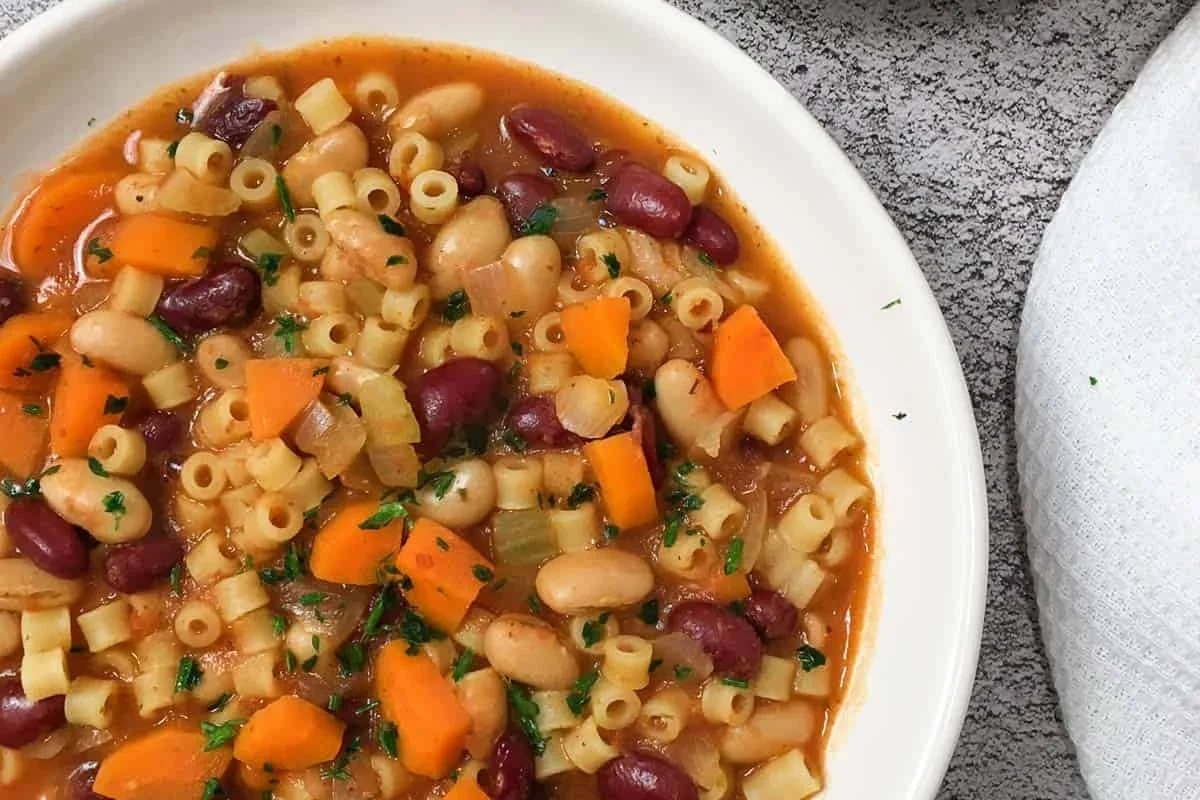
Pasta fagioli can fit a healthy diet very well. It is a bean and pasta soup that often includes vegetables, garlic, herbs, and broth. That mix can make a filling meal without a lot of fuss.
The catch is that not every bowl is the same. A light homemade version and a rich restaurant version can have very different nutrition.
Pasta fagioli is often a healthy choice when it uses beans, vegetables, and moderate pasta. Watch the salt, oil, and portion size if you want the best balance.
What Pasta Fagioli Is Made Of
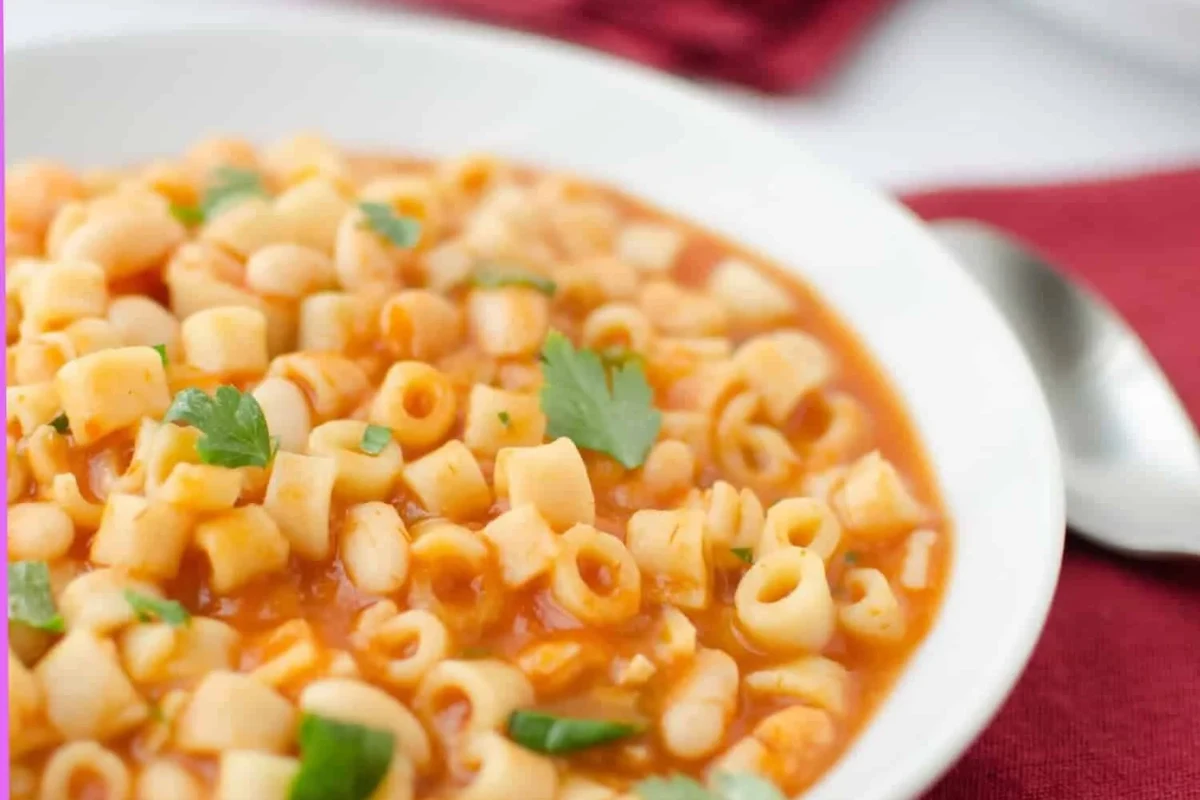
Pasta fagioli means pasta and beans. That simple base is a big reason the dish can be so satisfying. Many versions also include onions, carrots, celery, tomatoes, garlic, and herbs.
In short, the ingredients matter more than the name on the bowl.
Beans, Pasta, Vegetables, and Broth
Beans bring protein, fiber, and a creamy feel. Pasta adds starch and makes the soup more filling. Vegetables add color, taste, and extra nutrients.
Broth ties it all together. A thin broth keeps the dish lighter. A thick broth or sauce can raise the calorie count fast.
How Ingredients Change the Nutrition
Small changes can shift the whole meal. White beans and vegetable broth make a lighter bowl. Sausage, bacon, cream, or lots of cheese make it richer.
Even pasta choice matters. Whole wheat pasta usually adds more fiber than refined pasta. That can help with fullness and blood sugar control.
Nutrition Breakdown and What It Means
The exact nutrition depends on the recipe. Still, the core foods in pasta fagioli give a useful pattern. Beans and vegetables help. Large amounts of pasta, oil, and salt can work against that.
In short, the dish can be balanced, but only if the recipe stays modest.
Calories, Protein, Fiber, and Carbs
Beans provide plant protein and fiber. That helps the meal feel more filling. Pasta adds carbs, which give quick energy and help round out the bowl.
This mix can work well for lunch or dinner. It may be especially useful if you want a meatless meal that still feels hearty.
Here’s the simple nutrition picture:
- Protein comes mainly from beans and sometimes meat.
- Fiber comes mainly from beans and vegetables.
- Carbs come mainly from pasta and beans.
- Calories rise with oil, cheese, and meat.
Sodium, Fat, and Added Ingredients
Sodium is one of the biggest concerns. Canned broth, canned beans, and packaged seasoning can all add salt. Restaurant servings often go even higher.
Fat can stay reasonable in a simple recipe. But it climbs when cooks add sausage, pancetta, butter, or extra olive oil.
Nutrition values vary a lot by recipe, brand, and serving size. If you track sodium or carbs, check the label or recipe closely.
Health Benefits of Pasta Fagioli
Pasta fagioli has a few real strengths. It can be warm, filling, and easy to build into a balanced plate. It also works well for home cooks who want one pot and less cleanup.
In short, it’s comfort food that can still support healthy eating.
Why It Can Be Filling and Balanced
Beans slow digestion and help you stay full longer. Vegetables add volume without many calories. Pasta adds enough starch to make the meal feel complete.
That balance can help prevent snacky hunger later. For many people, that is one of the best parts of the dish.
When It Fits Well in a Healthy Diet
Pasta fagioli fits well on busy weeknights. It also works for lunch prep, meatless meals, and cool weather comfort food. If you pair it with a salad or fruit, the meal can feel even more rounded.
Beans are one of the easiest ways to add fiber and plant protein to a soup.
Limits and Common Health Concerns
Even good foods have limits. Pasta fagioli can become less healthy when the serving gets too large or the recipe gets too rich. That happens more often than people think.
In short, the danger is not the dish itself. It’s the extras.
High Sodium and Heavy Portions
A big bowl can pack in a lot of salt and carbs at once. That may be a problem if you watch blood pressure or portion sizes. Restaurant portions can be especially large.
If you eat it with bread, cheese, or a side dish, the meal can get heavy fast. That’s fine sometimes, but it may not fit every day.
Refined Pasta, Meat, and Extra Oil
Refined pasta has less fiber than whole grain pasta. That means it may not keep you full as long. Meat adds protein, but fatty cuts also add more saturated fat and calories.
Extra oil can also sneak up on you. A little helps flavor. Too much can make the soup much richer than needed.
If you need to limit sodium, check broth, canned beans, and seasoning blends. These are common salt sources in pasta fagioli.
How to Make Pasta Fagioli Healthier
You do not need to give up the dish to make it better for you. A few simple swaps can cut salt and boost fiber. Small changes often matter more than a full recipe overhaul.
In short, the healthiest version is usually the simplest one.
Simple Ingredient Swaps That Help
Try these easy upgrades:
- Use low-sodium broth or make your own broth.
- Rinse canned beans before adding them.
- Choose whole wheat pasta when you can.
- Add more carrots, celery, spinach, or kale.
- Use lean meat, or skip it for a bean-only version.
- Finish with herbs instead of lots of cheese.
These swaps keep the comfort but trim the heavy parts. They also make the soup feel fresher.
Portion Tips for Everyday Meals
Portion size matters just as much as ingredients. A medium bowl with a salad can work better than a huge bowl alone. That helps keep calories and carbs in a better range.
If you want more protein, add beans before adding meat. If you want more volume, add more vegetables. That way, the meal stays filling without getting too dense.
- Serve it with a side salad for more volume.
- Use beans and vegetables first, then add pasta.
- Keep cheese and oil as small finishers, not main ingredients.
Who Should Be Careful With Pasta Fagioli
Most people can enjoy pasta fagioli in some form. Still, a few groups should pay closer attention to the recipe. The main concerns are salt, carbs, calories, and digestion.
In short, the dish is flexible, but not one-size-fits-all.
People Watching Salt, Carbs, or Calories
If you need to limit sodium, choose low-salt ingredients and smaller portions. If you watch carbs, use less pasta and more beans and vegetables. If you count calories, go easy on oil, cheese, and sausage.
People with diabetes or heart concerns may want to look closely at the full meal, not just the soup. A dietitian can help if you need a more exact plan.
Allergy and Digestive Concerns
Pasta fagioli may not work for everyone. Wheat pasta is a problem for people with gluten issues. Beans can also cause gas or bloating for some people.
If beans bother your stomach, start with a smaller serving. You can also use well-cooked beans and add them slowly over time.
For allergy or special diet needs, check ingredient labels and the recipe carefully before serving.
Final Verdict: Is Pasta Fagioli Healthy for You?
Yes, pasta fagioli can be healthy for most people. It is often a smart mix of beans, pasta, vegetables, and broth. The dish shines when it stays simple and not too salty.
If you want the healthiest version, focus on beans, vegetables, and low-sodium broth. Use a modest amount of pasta, and keep rich add-ins small. That way, you get a bowl that feels comforting and still supports your goals.
- Beans make pasta fagioli filling and nutrient-rich.
- Salt, oil, and heavy meat can lower its health value.
- Simple swaps can make it a better everyday meal.
Frequently Asked Questions
Yes, it can be. A version with beans, vegetables, and moderate pasta can fit a healthy diet well.
High sodium, large portions, lots of oil, sausage, or cheese can make it heavier. Refined pasta can also lower the fiber value.
Yes. Use low-sodium broth, rinse canned beans, add more vegetables, and choose whole wheat pasta when possible.
It can be, if you keep portions moderate. The beans and vegetables help you feel full, but big servings can add up fast.
It can be. Pasta and beans both add carbs, so the total depends on how much pasta the recipe uses.
People watching sodium, carbs, calories, gluten, or bean-related digestive issues should pay close attention to the recipe and serving size.