Is Red Lentil Pasta Healthy Nutrition Facts and Benefits

Yes, red lentil pasta is a healthy choice for many people. It usually gives you more protein and fiber than regular pasta.
Yes, red lentil pasta can be a healthy choice for many people. It usually gives you more protein and fiber than regular white pasta, and it can work well in a balanced meal.
That said, it’s not magic food. The health value depends on the brand, the serving size, and what you serve with it.
- More filling: Protein and fiber can help you feel satisfied longer.
- Gluten-free option: Many brands fit gluten-free diets, but labels matter.
- Watch digestion: High fiber can bother some stomachs.
- Cook carefully: Overcooking can make the pasta mushy fast.
Is Red Lentil Pasta Healthy? The Short Answer
For most home cooks, red lentil pasta is a smart swap when you want more nutrition in a familiar meal. It often has more protein and fiber than standard refined pasta.
It can also fit gluten-free eating, which helps many shoppers. Still, it is best seen as one part of a meal, not the whole answer.
Red lentil pasta is healthy for many people when you watch the portion size and build a balanced plate. It is less ideal if you need a very smooth texture or have a sensitive stomach.
What Red Lentil Pasta Is Made From
Red lentil pasta usually starts with red lentil flour. Some brands use only lentil flour, while others mix in a second ingredient to improve texture.
That simple base is what makes it different from regular pasta. You’re getting a legume-based food instead of a wheat-based one.
Red Lentil Flour and Common Add-Ins
Many products use just red lentil flour and water. Others add pea protein, rice flour, or another grain to help the pasta hold its shape.
Those add-ins can change the nutrition and the cooking feel. So the ingredient list matters more than the front label.
Ingredient lists vary by brand. Always check the package if you want a strict gluten-free product or a single-ingredient pasta.
How It Differs From Wheat Pasta
Wheat pasta comes from semolina or refined wheat flour. Red lentil pasta comes from lentils, which naturally bring more protein and fiber.
That difference can help with fullness and blood sugar response. But wheat pasta often has a softer bite and a more familiar taste.
Nutrition Facts You Should Know
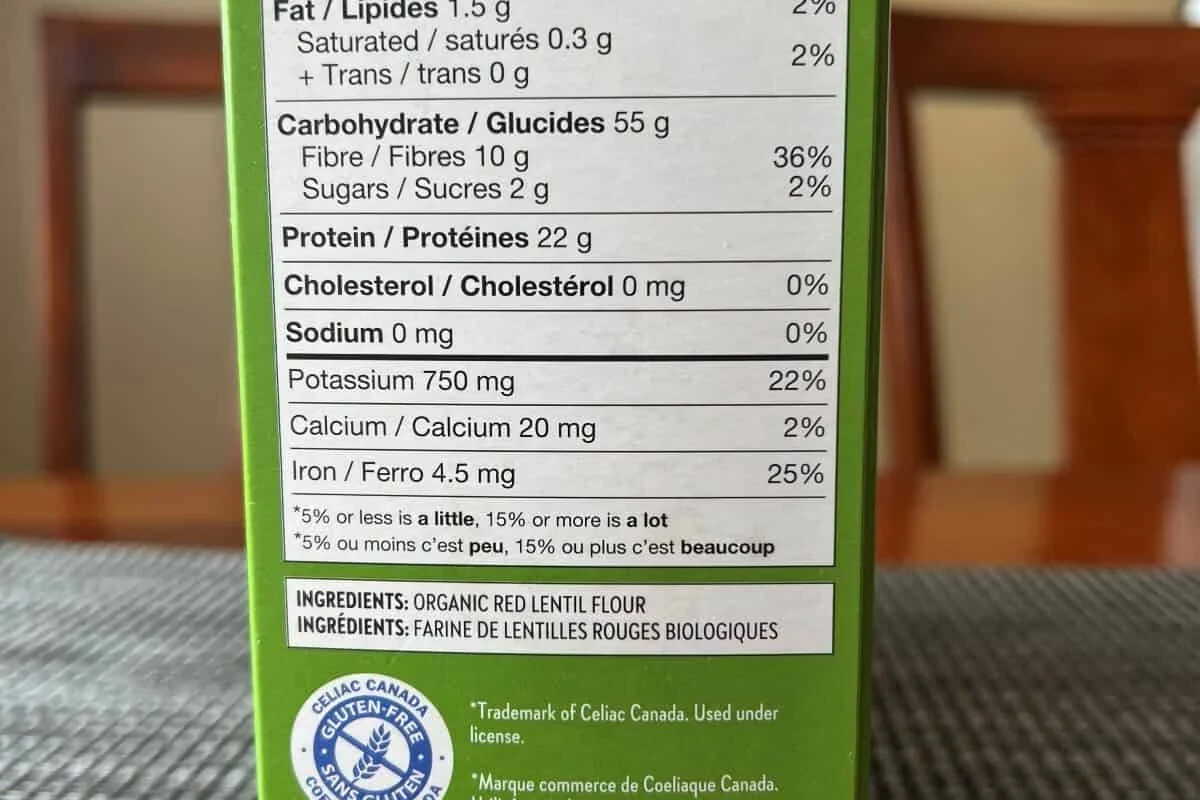
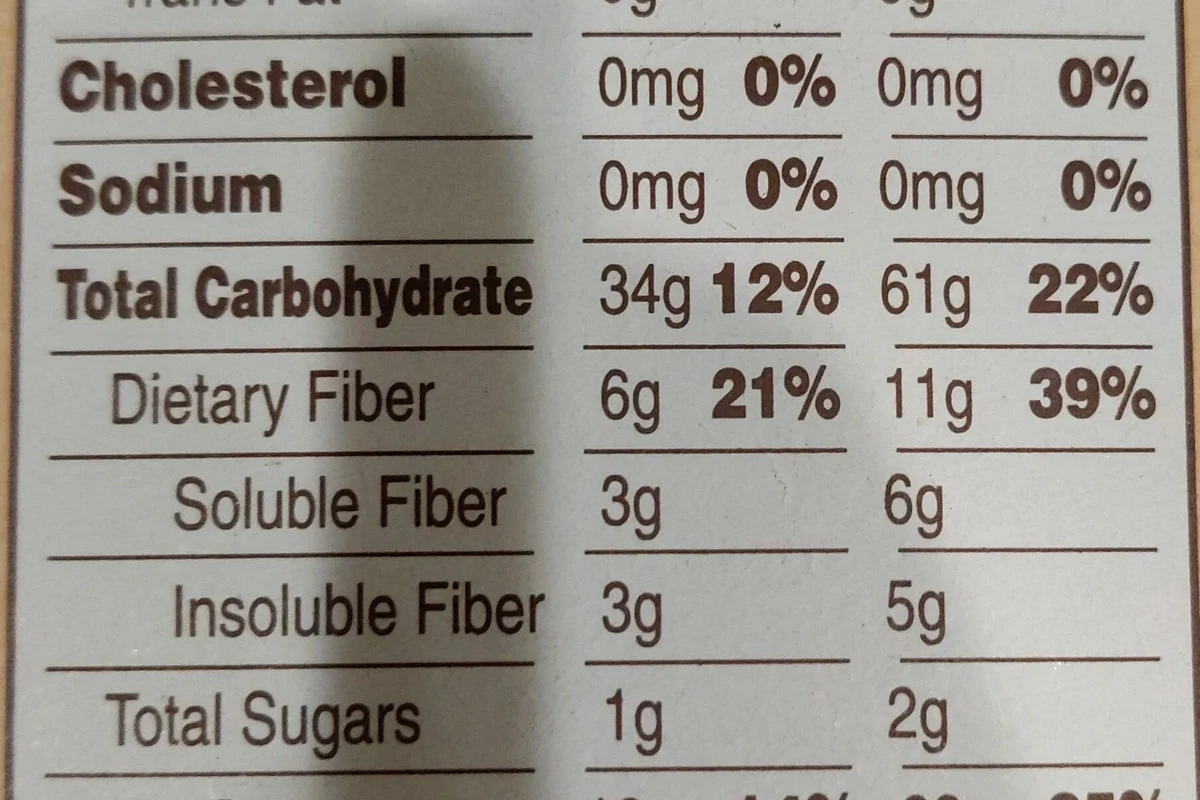
Nutrition can vary a lot by brand, so always read the label. Even so, red lentil pasta usually stands out for protein, fiber, and a lower refined-carb feel.
Protein, Fiber, and Carbs
Red lentil pasta often has more protein than regular pasta. That makes it appealing if you want a more filling bowl with less effort.
It also tends to offer more fiber. Fiber helps slow digestion and supports a steadier meal feel.
Carbs are still present, though. So it’s not a low-carb food in the strict sense.
- Often higher in protein than white pasta
- Usually higher in fiber than refined pasta
- Can help make meals feel more filling
Calories, Fat, and Key Minerals
Calories can be similar to or a bit higher than regular pasta, depending on the brand. Fat is often low, unless the formula includes added ingredients.
Red lentils also bring useful minerals, such as iron and potassium. The exact amounts vary, so the label is the best guide.
Legume pastas can taste firmer after cooking because their proteins set up differently than wheat gluten.
Health Benefits of Red Lentil Pasta
The biggest reason people choose red lentil pasta is simple. It can make an everyday pasta meal a little more nutrient-dense.
That makes it a useful pantry item for busy nights, especially when you want dinner to feel hearty without much fuss.
Why It Can Help With Fullness
Protein and fiber both support fullness. That means you may feel satisfied with a smaller bowl than you would with refined pasta.
For example, a pasta dinner with vegetables and lean protein can feel more complete. You get more staying power from the whole plate.
Add vegetables, olive oil, or a protein source to make the meal more balanced and satisfying.
Why It May Fit Gluten-Free Diets
Many red lentil pastas are naturally gluten-free. That can make them a handy choice for people who avoid wheat.
However, not every package is safe for every gluten-free eater. Cross-contact can happen during processing, so look for a clear gluten-free label if you need it.
If you have celiac disease or a strong gluten sensitivity, check the package carefully. Look for gluten-free labeling and follow the maker’s guidance.
Limits and Possible Downsides
Red lentil pasta is not perfect for everyone. The same traits that make it healthy can also create some trade-offs.
Texture, digestion, and cooking time are the main things to watch.
Digestive Issues and Fiber Sensitivity
More fiber can be helpful, but it can also feel heavy for some people. If you’re not used to legume foods, start with a smaller portion.
Some people also notice gas or bloating. That does not mean the pasta is bad, but it may not suit every stomach.
You feel bloated or overly full after eating it.
Try a smaller serving and pair it with lighter sauces and cooked vegetables.
Texture, Taste, and Cooking Challenges
Red lentil pasta can taste a little earthy. Some brands also turn mushy fast if you overcook them.
That means timing matters more than it does with regular pasta. A one-minute mistake can change the whole bowl.
- Taste early and often near the end of cooking
- Drain it right when it reaches the texture you want
- Boiling it far past the package time
- Leaving it in hot water after draining
How to Choose a Good Red Lentil Pasta
The best choice depends on your diet goals and how you plan to use it. A quick label check can save you from a disappointing dinner.
Ingredient List and Label Checks
Look for a short ingredient list when possible. Fewer ingredients often mean a cleaner, simpler product.
If you need gluten-free pasta, check for a clear gluten-free claim. If you want the highest protein or fiber, compare the nutrition panel across brands.
- Read the ingredient list first
- Check protein and fiber per serving
- Confirm gluten-free labeling if needed
- Look for a cooking time that fits your routine
Best Options for Different Diet Goals
If your goal is fullness, choose a pasta with higher protein and fiber. If your goal is better texture, look for a brand with fewer add-ins and a good reputation for firmness.
If you have a sensitive stomach, start with a smaller box and see how you feel. That is often the most practical way to test legume pasta.
How to Cook It for the Best Results
Cooking red lentil pasta well is mostly about timing and gentle handling. It can go from firm to soft faster than many wheat pastas.
Follow the package directions first, since shapes and brands vary a lot.
Common Mistakes to Avoid
Don’t walk away from the pot for too long. Red lentil pasta can lose its bite quickly.
Also, don’t rinse it unless the package tells you to. Rinsing can wash away starch that helps the sauce cling.
Use a large pot so the pasta moves freely.
This helps prevent clumping in the first minute.
Stop when the texture is tender but still firm.
Simple Serving Ideas That Improve Balance
A good sauce can make red lentil pasta much more enjoyable. Tomato sauce, pesto, or olive oil with garlic all work well.
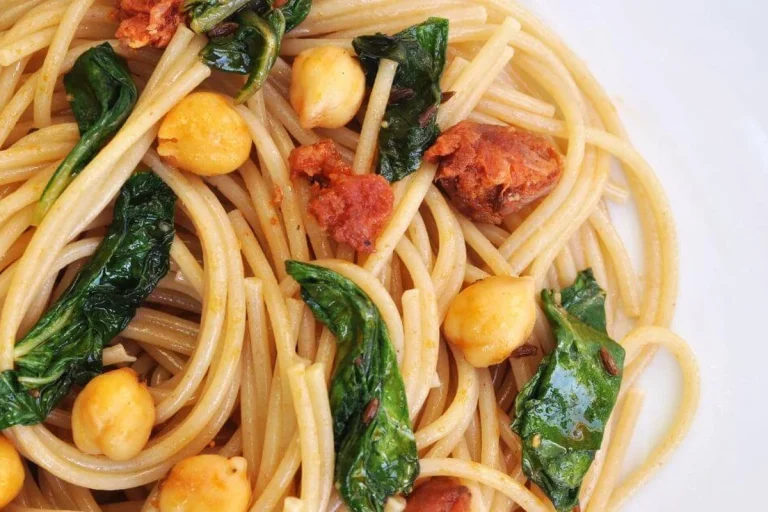
For a more complete meal, add spinach, mushrooms, chicken, tofu, or beans. That gives you more color, flavor, and nutrition.
- Use a light sauce if the pasta tastes earthy to you
- Add vegetables for more volume and balance
- Save a little pasta water to help the sauce cling
Final Verdict: Is Red Lentil Pasta Worth It?
Yes, red lentil pasta is usually a healthy and practical choice. It offers more protein and fiber than many regular pastas, and it fits well into balanced meals.
It’s worth choosing if you want better nutrition, need a gluten-free option, or want a more filling pasta dish. If you care most about classic pasta texture, a wheat pasta may still be your favorite.
Red lentil pasta is a strong pantry pick for health-minded cooks. Choose it for more protein, more fiber, and gluten-free flexibility, but watch the cook time and expect a firmer, earthier bite.
- It is usually higher in protein and fiber than regular pasta.
- It can fit gluten-free diets if the label supports that.
- Texture and digestion vary by brand and by person.
- Best results come from careful cooking and balanced toppings.
Frequently Asked Questions
It often is, because it usually has more protein and fiber. That can make it more filling than refined wheat pasta.
Many brands are gluten-free, but not all are safe for every person. Check the package for gluten-free labeling and cross-contact notes.
It can for some people, especially if they are not used to high-fiber foods. Start with a smaller serving if you have a sensitive stomach.
Cook it close to the package time and taste it near the end. Drain it as soon as it reaches the texture you want.
Check the ingredient list, protein, fiber, and gluten-free label if needed. A short ingredient list is often a good sign.
Use a sauce and add vegetables or protein for a balanced meal. That helps the pasta taste better and feel more satisfying.