Is Sesame Paste the Same as Tahini A Simple Guide

Sesame paste and tahini are related, but they are not always the same. Tahini is usually the milder, smoother choice, while sesame paste can be darker and stronger.
Sesame paste and tahini are not always the same thing, but they can overlap a lot. In many kitchens, tahini is a type of sesame paste made from ground sesame seeds, often with a smoother taste and lighter color.
The tricky part is that labels change by region and brand. So the real answer is this: check the jar, not just the name.
- Core difference: Tahini is usually a type of sesame paste, not always the same thing.
- Flavor clue: Tahini tastes milder, while sesame paste is often deeper and toastier.
- Best swap: You can swap them in many recipes, but taste as you go.
- Buying tip: Read the ingredient list and roast level, not just the front label.
- Safety note: Sesame is a common allergen, so always check labels carefully.
Is Sesame Paste the Same as Tahini? The Short Answer
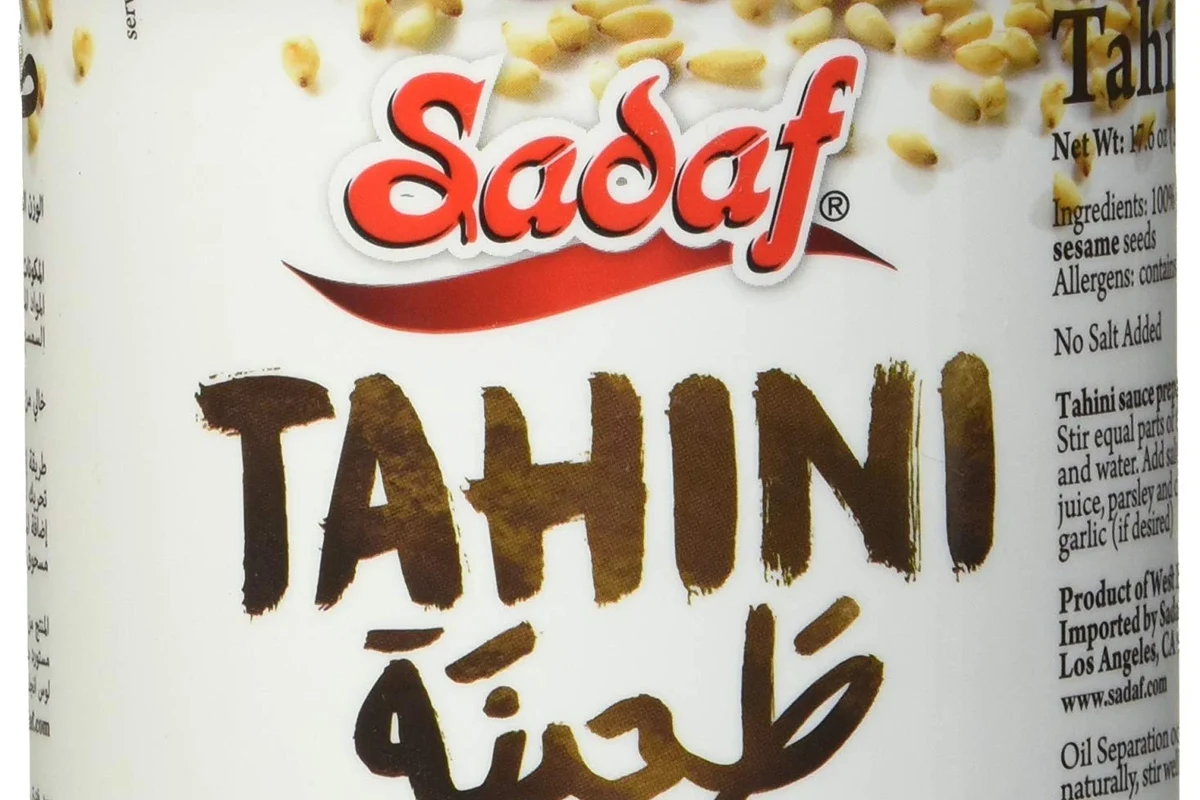
Not exactly. Tahini usually means a smooth paste made from sesame seeds, while sesame paste can mean a broader group of sesame-based pastes.
In some stores, the two names point to nearly the same product. In others, sesame paste is darker, richer, and made from more deeply toasted seeds.
What each term usually means in the kitchen
Tahini is most often made from hulled sesame seeds that are ground into a creamy paste. It has a mild nutty taste and works well in dips and sauces.
Sesame paste may be a general name for any ground sesame product. It can be plain, roasted, hulled, unhulled, or blended in different ways.
In some Asian markets, sesame paste often means a darker, more roasted product than tahini.
Why the names can confuse home cooks
One store may use the words as if they mean the same thing. Another may use sesame paste for a stronger, more bitter paste.
That is why a recipe can fail if you grab the wrong jar. A creamy sauce may turn heavy, or a noodle dressing may taste too strong.
Sesame Paste vs Tahini: Key Differences
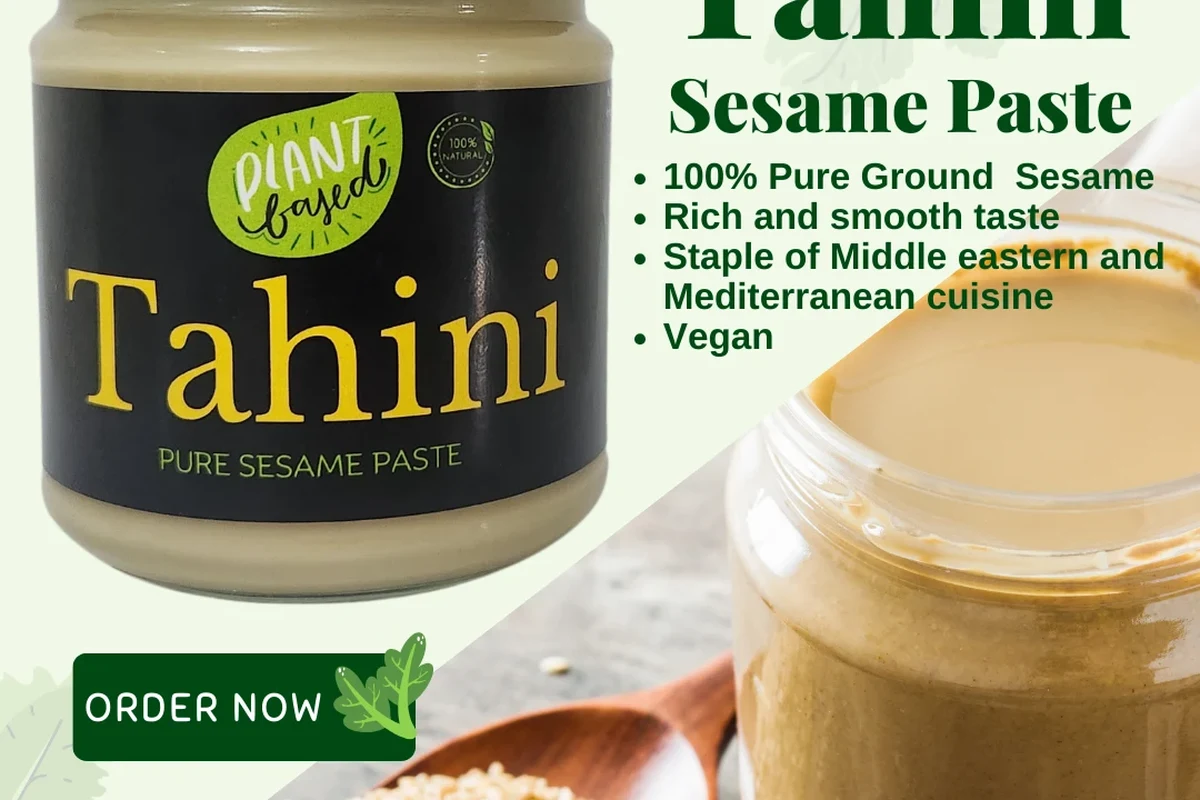
The biggest differences come from the seed type, roast level, and how the paste tastes in food. Those details matter more than the label on the front.
Ingredient list and roast level
Tahini often has a short ingredient list. Many jars contain only sesame seeds, and some add a little salt or oil.
Sesame paste may use toasted seeds, raw seeds, or a mix. A darker paste usually means a deeper roast and a stronger flavor.
Ingredient rules vary by brand and country. Always read the back label before you buy.
Texture, color, and flavor
Tahini is usually smooth, pourable, and pale tan. It tastes mild, earthy, and a little bitter.
Sesame paste can be thicker, darker, and more intense. It may taste roasted, bold, and less sweet on the tongue.
Usually lighter, smoother, and easier to blend into sauces.
Often deeper in color and stronger in toasted flavor.
How regional brands use the names differently
In the Middle East, tahini is the common word for sesame paste in many recipes. In some Asian cuisines, sesame paste usually means a darker product.
That means the same recipe name can point to different jars in different shops. When in doubt, look for the ingredient list and the color.
How to Use Each One in Everyday Cooking
Both products can add body, richness, and nutty flavor. The best choice depends on the dish you want to make.
Best uses for tahini in sauces, dips, and dressings
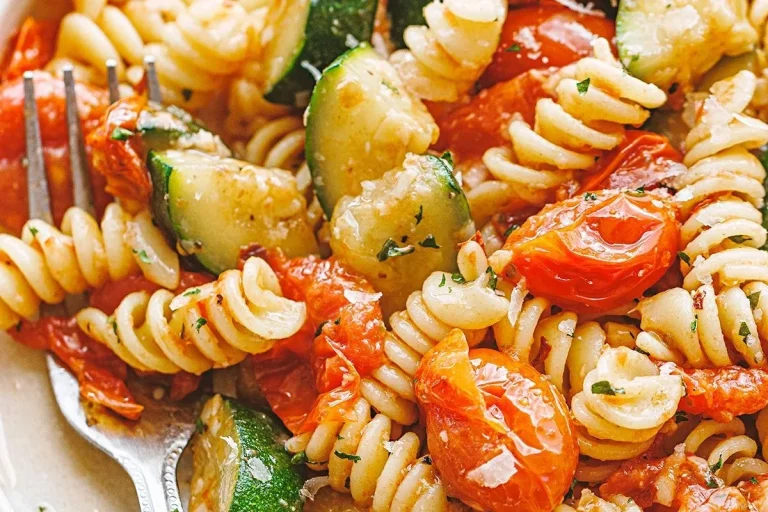
Tahini shines in lemon sauces, salad dressings, and dips like hummus. It also works well in pasta sauces when you want a creamy but light result.
It blends nicely with garlic, lemon, soy sauce, maple syrup, or water. That makes it easy for weeknight cooking.
- Whisk tahini with warm water for a smoother sauce.
- Add acid slowly to keep the flavor balanced.
- Season with salt after tasting, not before.
Best uses for sesame paste in noodles, baking, and savory dishes
Sesame paste works well in cold noodle sauces, rich dressings, and savory fillings. It can also add depth to baked goods and some desserts.
Because it often tastes stronger, use it when you want a more roasted note. A little can go a long way.
When you can swap one for the other
You can often swap them in simple sauces and dips. Start with a smaller amount if the sesame paste is darker or more roasted.
For recipes that depend on a mild taste, tahini is usually the safer choice. For recipes that need a bold sesame punch, sesame paste may work better.
What to Check Before You Buy
A good sesame product should fit your recipe, your budget, and your pantry habits. The label tells you most of what you need to know.
Ingredients, salt, sugar, and added oils
Check for short ingredient lists when you want a clean sesame flavor. Added salt, sugar, and oils can change both taste and texture.
Some added oil can help with smoothness. Too much can make the paste feel greasy or less fresh.
- Read the ingredient list first.
- Check for added salt or sugar.
- Look at roast level and color.
- Compare jar size with how often you cook.
Price, jar size, and pantry value
Value depends on how often you use sesame products. A larger jar may save money if you cook with it often.
If you use it only once in a while, a smaller jar may make more sense. That helps you avoid waste and stale paste.
How to spot a high-quality sesame product
Look for even texture, a fresh smell, and a clear label. A well-made paste should not smell sharp, sour, or stale.
If the oil has separated, that is normal for many jars. Separation alone does not mean the product is bad.
| Option | Best For | Key Consideration |
|---|---|---|
| Tahini | Sauces, dips, dressings | Milder flavor and smoother blend |
| Sesame paste | Noodles, bold savory dishes | May taste darker and more roasted |
Benefits and Limits of Each Option
Both products bring sesame flavor and a rich mouthfeel. Still, each one has strengths and limits in the kitchen.
Flavor benefits for simple pasta and grain dishes
Tahini can turn plain pasta, rice, or farro into a creamy meal. It adds body without needing dairy.
Sesame paste can give grain bowls a deeper, toastier taste. That can be great with soy sauce, scallions, and vegetables.
- Adds creaminess without dairy
- Brings nutty flavor to simple dishes
- Works in both warm and cold recipes
Nutrition notes and common diet concerns
Both products are calorie dense, since sesame seeds contain a lot of natural fat. They also bring some protein and minerals, but amounts vary by brand.
People with sesame allergies should avoid both. If you follow a special diet, check the label for added sugar, salt, or oil.
Sesame is a common allergen. If you have a sesame allergy, avoid these products and read labels carefully.
Where each one falls short in recipes
Tahini can taste too mild in recipes that need a strong roasted note. Sesame paste can overpower delicate sauces if you use too much.
Both can thicken fast when mixed with cold liquid. That can surprise new cooks, but a little warm water usually helps.
Common Mistakes When Using Sesame Paste or Tahini
Most problems come from using the wrong jar or adding too much at once. A few small habits can make a big difference.
Using the wrong jar for the recipe
A pale tahini jar may not give enough depth in a bold noodle sauce. A dark sesame paste may feel too heavy in a light lemon dressing.
Always match the jar to the recipe style. If the dish depends on a clean, mild taste, tahini is usually safer.
Not stirring separated paste before measuring
Oil separation happens often in natural sesame products. If you skip stirring, the first spoonful may be dry and the last may be oily.
Stir the jar well before you measure. That gives you a more even result.
The paste looks oily on top and thick at the bottom.
Stir from the bottom until the texture looks even before using it.
Adding too much at once and losing balance
Sesame paste can take over a dish fast. Start small, taste, and add more only if needed.
This is especially important in pasta sauces and dressings. A heavy hand can make the dish taste flat or bitter.
Storage, Safety, and Kitchen Care
Good storage helps keep sesame products fresh and easy to use. It also keeps cleanup simple.
How to store opened jars for freshness
Follow the jar label first. Some products stay in the pantry after opening, while others may last longer in the fridge.
Keep the lid tight and use a clean spoon each time. That helps reduce spoilage and contamination.
Wipe the rim and close the lid tightly.
Check for smell, color change, or mold.
Signs the paste has gone bad
Watch for a sour smell, mold, or a sharp off taste. A stale or rancid smell is another warning sign.
If the jar looks wrong or tastes off, throw it out. It is not worth risking a bad dish.
Easy cleanup tips for sticky sesame paste
Sesame paste can cling to spoons, bowls, and whisks. Warm water and dish soap usually help a lot.
For stubborn residue, soak tools for a few minutes before washing. That saves scrubbing time.
- Soak sticky tools in warm soapy water.
- Use a silicone spatula to scrape the jar well.
- Do not leave the lid loose after use.
- Do not use a jar that smells spoiled.
Final Verdict: Which One Should You Use?
For most home cooks, tahini is the easiest and most flexible choice. It works in more everyday recipes and has a milder taste.
If you want a deeper roasted flavor, or your recipe calls for a stronger sesame note, choose sesame paste instead.
Best choice for most home cooks
Tahini is the better all-around pick for sauces, dips, dressings, and simple pasta dishes. It is easier to blend and easier to balance.
Best choice for flavor purists and specific recipes
Sesame paste is the better choice when you want a bold, toasted flavor. It fits better in recipes that already lean rich and savory.
Simple recommendation from the Red Kitchen Project Editorial Team
If you want one jar for general use, buy tahini. If your recipe calls for a darker, stronger sesame flavor, buy sesame paste and read the label closely.
Sesame paste and tahini are related, but they are not always identical. Tahini is the safer everyday pick, while sesame paste is best for stronger, more roasted flavor.
Frequently Asked Questions
Not always. Tahini is usually a type of sesame paste, but sesame paste can mean a broader range of products with different roast levels and flavors.
Check the recipe for color, flavor, or region clues. Mild sauces often call for tahini, while darker noodle or savory dishes may want sesame paste.
Often yes, but start with less if the sesame paste is darker or stronger. Taste as you go so the flavor stays balanced.
Look at the ingredient list, roast level, and any added salt, sugar, or oil. Those details matter more than the front label alone.
Follow the jar directions, then keep the lid tight and use a clean spoon. Some jars stay in the pantry, while others last longer in the fridge.
Watch for mold, sour smell, or a strong stale taste. If anything seems off, throw it out.