Is Tomato Sauce the Same as Pasta Sauce for Cooking

No, tomato sauce and pasta sauce are not always the same. Tomato sauce is usually plainer, while pasta sauce is usually more seasoned and ready to use.
No, tomato sauce is not always the same as pasta sauce. Tomato sauce is usually simpler, while pasta sauce often has more herbs, garlic, onion, and extra seasoning. If you know the difference, you can swap them with better results in your recipes.
- Main difference: Pasta sauce usually has more herbs and seasoning.
- Best use for tomato sauce: Use it as a base for custom recipes.
- Best use for pasta sauce: Use it for fast, ready-to-serve meals.
- Label check: Ingredient lists matter more than the front name.
- Easy swap: Add herbs, garlic, or oil to plain tomato sauce.
Is Tomato Sauce the Same as Pasta Sauce? The Short Answer
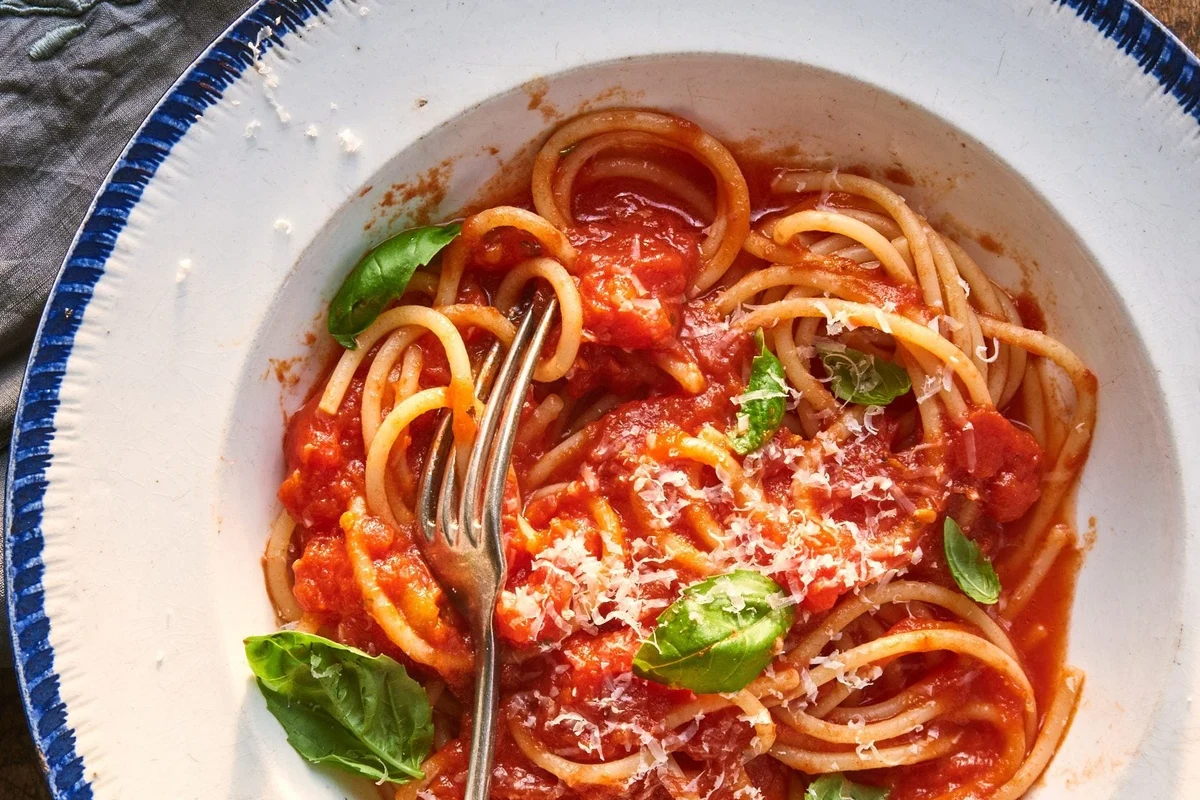
In most kitchens, tomato sauce and pasta sauce are close cousins, not twins. Tomato sauce is often a plain base made from tomatoes and light seasoning. Pasta sauce is usually built to taste ready for the bowl, with more flavor right out of the jar or can.
That said, the exact meaning can change by brand and region. Some labels use the terms loosely. So the best move is to read the ingredient list instead of trusting the name alone.
Store brands and regional products may use these names in different ways. A label that says tomato sauce can still include herbs, onion, or garlic.
What Tomato Sauce Usually Contains

Tomato sauce usually starts with tomatoes, salt, and maybe a little sugar or acid for balance. It may also include water or tomato paste, depending on the style. The taste is often mild and simple.
This makes tomato sauce useful as a base. You can season it your own way for pasta, soup, or baked dishes. It gives you more control, which helps when you want a very specific flavor.
Basic ingredients in canned tomato sauce
Most canned tomato sauce keeps the list short. You may see:
- Tomatoes or tomato puree
- Salt
- Sugar or citric acid
- Onion powder or garlic powder in some brands
- Herbs in some versions
Some cans are almost plain. Others are closer to a seasoned sauce. So the name alone does not tell the full story.
How pasta sauce changes the flavor
Pasta sauce usually tastes fuller and more finished. It often includes garlic, onion, basil, oregano, and other herbs. Some versions also have olive oil, meat, or extra vegetables.
That extra seasoning makes it easier for fast meals. You can heat it and serve it with pasta right away. It may also taste richer in baked dishes.
In many stores, pasta sauce is sold as a ready-to-use sauce, while tomato sauce often acts as a base for cooking.
Key Differences in Taste, Texture, and Use
The biggest difference is flavor. Tomato sauce is usually plain or lightly seasoned. Pasta sauce is usually more complex and more ready to eat.
Texture can differ too. Tomato sauce may be thinner or smoother. Pasta sauce can be thicker and chunkier, though this depends on the brand.
Tomato sauce is mild. Pasta sauce is usually more seasoned.
Tomato sauce often feels smoother. Pasta sauce may be thicker or chunkier.
Tomato sauce works as a base. Pasta sauce works as a quick meal starter.
When tomato sauce works better
Tomato sauce works best when you want control. It is a smart pick for homemade pasta sauce, chili, casseroles, and soups. You can build the flavor from scratch without starting too strong.
It also helps when a recipe already adds plenty of seasoning. In that case, a plain sauce keeps the dish from tasting too salty or too busy.
When pasta sauce is the better pick
Pasta sauce is the better pick when you want speed. It saves time on busy nights and gives you a more finished taste with less effort. That can be a real help after work or school pickups.
It also works well when you want a reliable flavor for baked pasta or meat sauce. The herbs and garlic can make the dish taste fuller without extra steps.
How to Swap One for the Other in Recipes
You can swap tomato sauce and pasta sauce in many recipes. Still, you may need to adjust seasoning, salt, and liquid. A simple taste check goes a long way.
- Taste before adding more salt.
- Add herbs in small amounts.
- Use pasta water to loosen thick sauce.
- Simmer longer for a deeper flavor.
Easy ways to improve plain tomato sauce
If you only have tomato sauce, you can make it taste more like pasta sauce. Add garlic, onion powder, oregano, basil, and a little olive oil. A pinch of sugar can help if the sauce tastes sharp.
Start small. You can always add more, but you cannot take it out once it is in the pot. For example, a light hand with dried herbs keeps the sauce balanced.
How to thin or thicken sauce for cooking
If the sauce feels too thick, add a little water, broth, or reserved pasta water. Add it slowly so the sauce does not get watery. Stir and simmer for a few minutes to blend the texture.
If the sauce feels too thin, simmer it uncovered. That lets extra liquid cook off. Tomato paste can also help thicken it fast, but use a small amount first.
Hot sauce can splatter during simmering. Keep the heat low to medium and stir carefully to avoid burns.
Best Uses for Tomato Sauce and Pasta Sauce
Both sauces can work in many dishes. The better choice depends on how much flavor you want and how much time you have. Think of tomato sauce as a blank canvas and pasta sauce as a ready-made painting.
Weeknight pasta, soups, and casseroles
For quick pasta, pasta sauce is often the easiest option. It gives you a full flavor with little effort. Tomato sauce also works if you want to season it yourself.
In soups and casseroles, tomato sauce can be useful because it blends in well. It adds tomato flavor without taking over the dish. That makes it a nice base for layered recipes.
Pizza, meat dishes, and baked recipes
For pizza, you usually want a thicker sauce with strong flavor. Some pasta sauces work well, but plain tomato sauce may need more herbs and less water. You want a sauce that will not make the crust soggy.
For meat dishes and baked recipes, either sauce can work. Pasta sauce adds more seasoning right away. Tomato sauce gives you more control if the recipe already has bold flavors.
The main difference is seasoning. Choose tomato sauce for control and pasta sauce for speed.
| Option | Best For | Key Consideration |
|---|---|---|
| Tomato sauce | Custom recipes | Needs more seasoning |
| Pasta sauce | Quick dinners | May already be strongly flavored |
Common Mistakes When Using Tomato Sauce
The most common mistake is treating every tomato sauce the same. Labels vary a lot, so one can may taste plain while another tastes nearly seasoned. Always check the ingredients first.
Too much salt, sugar, or spice
It is easy to overdo the seasoning. Many sauces already contain salt and sugar. If you add more too fast, the sauce can taste flat, sweet, or harsh.
Taste as you go. Add a little at a time, then simmer and taste again. That gives the flavors time to settle.
- Add seasoning in small steps
- Taste after simmering
- Balance sharp sauce with a little fat
- Dumping in lots of salt at once
- Adding sugar before tasting
- Using hot spice without checking the recipe
Using the wrong sauce for the dish
Using a plain tomato sauce in a fast pasta dish can leave dinner tasting thin. Using a heavily seasoned pasta sauce in a delicate recipe can cover up other flavors. The wrong match can change the whole meal.
Think about the dish first. If it already has lots of herbs or meat, a simpler sauce may work better. If the dish needs quick flavor, pasta sauce may save the day.
Buying Tips, Value, and Storage Basics
When you shop, focus on the label, not just the front name. That helps you find the right sauce for your cooking style. It also helps you avoid extra work later.
What to check on the label
Look at the ingredient list and the sodium level if it is listed. Check for garlic, onion, herbs, oil, or added sugar. These clues tell you how close the sauce is to a ready-made pasta sauce.
If you want more control, buy a plain tomato sauce. If you want convenience, choose a pasta sauce with the flavor you like. That simple choice can save time on weeknights.
- Read the ingredient list
- Check for added herbs and sugar
- Choose plain or seasoned based on your recipe
- Match the sauce to your cooking style
How to store opened sauce safely
After opening, move leftover sauce to a clean, covered container if needed. Refrigerate it soon after use. Follow the storage time on the label when it is available.
If the sauce smells off, looks strange, or shows mold, throw it out. When in doubt, safety comes first. Also, use clean utensils so you do not contaminate the jar or can.
Follow the package storage directions and discard sauce that shows spoilage signs. Do not taste food you think may be unsafe.
Final Verdict: Which One Should You Keep in Your Pantry?
If you cook a lot, keep both if you have room. Tomato sauce gives you flexibility, and pasta sauce gives you speed. That mix covers most home cooking needs.
If you only want one, choose based on your habits. Pick tomato sauce if you like to build flavor yourself. Pick pasta sauce if you want easy meals with less prep. In short, they are not the same, but either one can work when you know how to use it.
- Tomato sauce is usually simpler and less seasoned.
- Pasta sauce is usually ready to use.
- You can swap them with small seasoning changes.
- Read the label, since brands use the names differently.
Frequently Asked Questions
Yes, you can use tomato sauce instead of pasta sauce in many recipes. You may need to add herbs, garlic, onion, or a little oil for more flavor.
The biggest difference is seasoning. Tomato sauce is usually plain or lightly seasoned, while pasta sauce is usually more flavorful and ready to serve.
Add dried basil, oregano, garlic, onion powder, and a little olive oil. Taste as you go so you do not overdo the salt or spice.
Yes, pasta sauce can work in soups and casseroles. It may add more seasoning than you need, so taste the dish before adding extra salt.
Store opened sauce in a clean, covered container and refrigerate it soon after use. Follow the label for storage time and throw it out if it smells off or shows mold.
Check the ingredient list, sodium, and added herbs or sugar. Those details tell you whether the sauce is plain tomato sauce or a more seasoned pasta sauce.