How Many Calories in a Cup of Pasta Salad Explained

A cup of pasta salad usually has about 200 to 400 calories. The dressing, cheese, meat, and oil change the total the most.
A cup of pasta salad usually has about 200 to 400 calories. The exact number depends on the pasta, dressing, and add-ins you use.
- Typical range: Most pasta salad falls between 200 and 400 calories per cup.
- Main calorie driver: Dressing and oil usually affect the total most.
- Best accuracy: Weigh portions and total the recipe ingredients.
- Lower-calorie option: Choose more vegetables and lighter dressing.
- Higher-calorie versions: Creamy salads and meat-heavy salads add calories fast.
How Many Calories Are in a Cup of Pasta Salad?
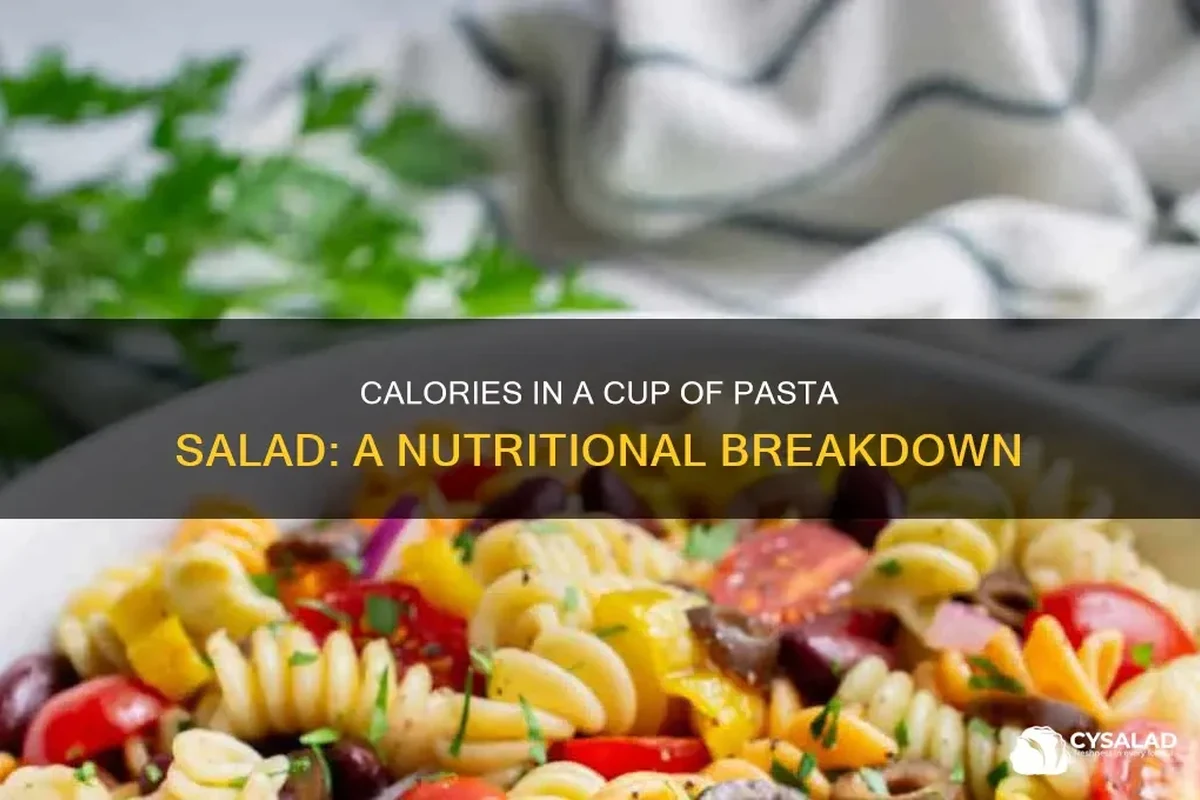
If you want the short answer, a cup of pasta salad often lands near 250 to 350 calories. A simple veggie version can be lower. A creamy or meat-filled version can be much higher.
The biggest reason is that pasta salad is not one fixed food. It changes a lot from bowl to bowl. One recipe may use light dressing and vegetables. Another may use mayo, cheese, and bacon.
So if you are tracking calories, don’t guess from pasta alone. Count the full salad, not just the noodles.
What Changes the Calorie Count in Pasta Salad?
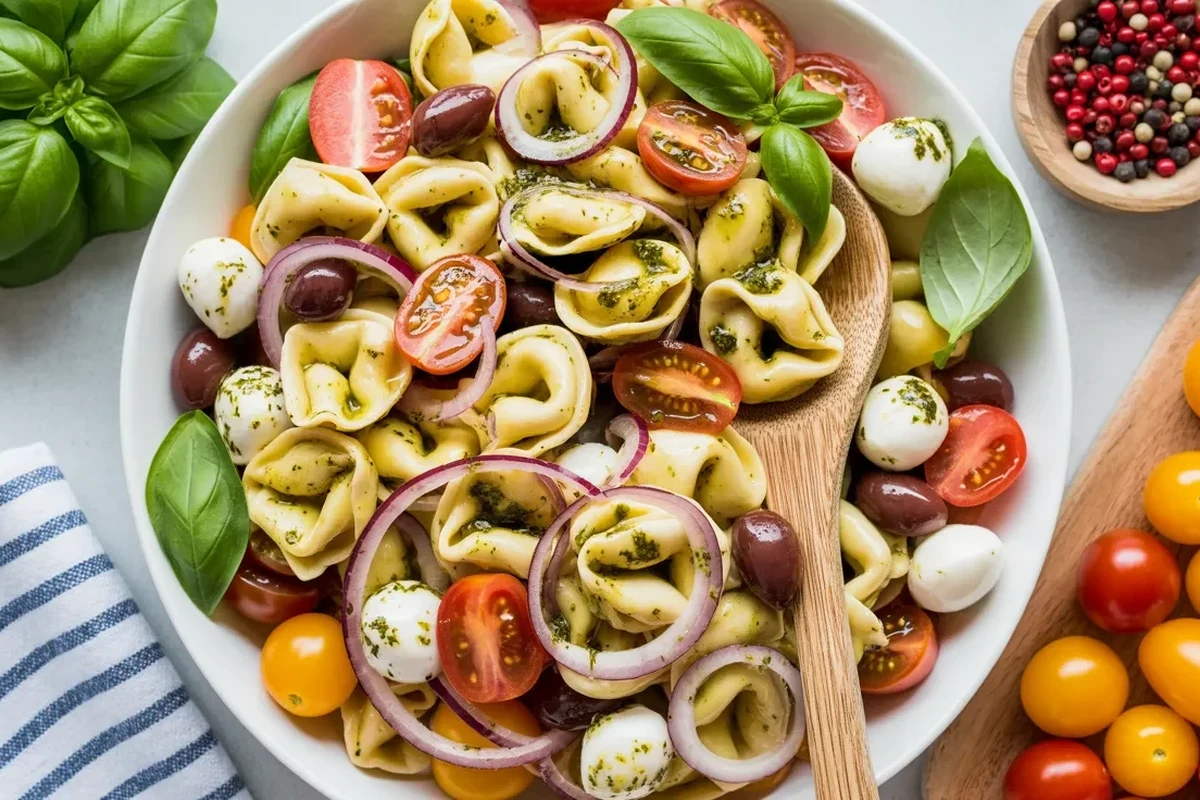
Three things matter most. The pasta type, the sauce or dressing, and the extras all shift the total.
Pasta Type and Shape
Different pasta shapes do not change calories much by themselves. A cup of cooked rotini and a cup of cooked penne are often close in calories. The bigger difference comes from how much pasta fits in the cup.
Small shapes can pack more tightly. That means a “cup” can hold more pasta by weight. Longer shapes can leave more air space.
Dressings, Oils, and Sauces
Dressing often has the biggest impact. Oil-based dressings add calories fast. Creamy dressings can add even more.
For example, a light vinaigrette may keep a salad fairly modest. A mayo-heavy dressing can push a single cup much higher.
One tablespoon of oil adds about 120 calories, so a little extra can matter a lot.
Cheese, Meat, and Extra Mix-Ins
Cheese, salami, bacon, olives, and nuts all raise the count. Some add flavor and texture. They also add fat and calories.
Vegetables usually add very few calories. So a salad with peppers, tomatoes, and cucumbers may stay lighter than one with cheese and meat.
Common Calorie Ranges for Popular Pasta Salad Styles
These ranges are general guides, not exact rules. Recipe size, brand choices, and portion size all change the result.
Simple Vegetable Pasta Salad
A simple veggie pasta salad often falls around 180 to 280 calories per cup. It usually uses cooked pasta, vegetables, and a light dressing.
This is often the best lower-calorie choice. Still, the dressing can raise the total fast.
Creamy Pasta Salad
Creamy pasta salad often runs about 300 to 450 calories per cup. Mayo, sour cream, or creamy bottled dressings drive most of that.
If the recipe also includes cheese or bacon, the count can go even higher. A small scoop may still feel filling, though.
Italian-Style Pasta Salad
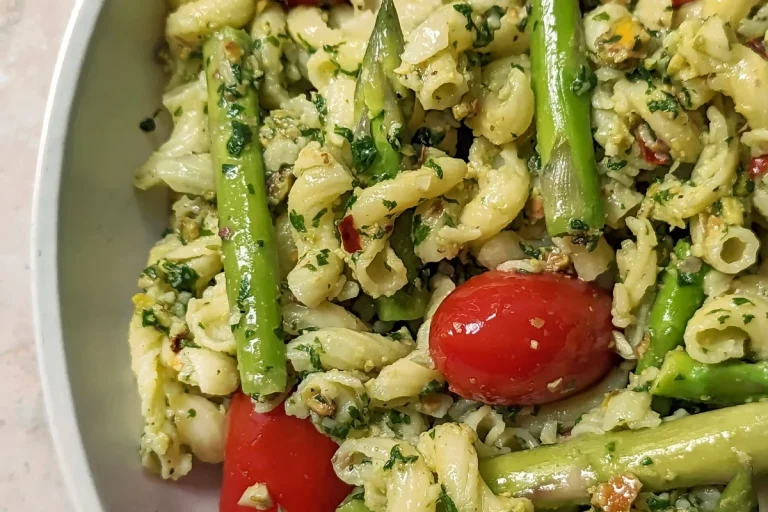
Italian-style pasta salad often lands around 220 to 350 calories per cup. It usually uses vinaigrette, vegetables, olives, and sometimes cheese.
This style can be lighter than creamy versions. But extra oil or cheese can change that quickly.
Protein-Packed Pasta Salad
Protein-packed pasta salad often ranges from 300 to 500 calories per cup. Chicken, tuna, eggs, beans, or cheese can all raise the total.
That said, it may also keep you full longer. So the higher calories can still make sense for a meal.
How to Measure a Cup of Pasta Salad the Right Way
Measuring pasta salad sounds simple. In real life, it can be messy. A loose scoop and a packed cup are not the same thing.
Why Cup Size Can Change the Calories
A measuring cup is only useful if you fill it the same way each time. A heaping cup is not the same as a level cup.
Also, chunky salads have gaps between pieces. That means one cup can hold less food by weight than you expect.
Dry Pasta vs Cooked Pasta vs Finished Salad
Dry pasta, cooked pasta, and finished pasta salad all weigh differently. Dry pasta absorbs water as it cooks. That makes the volume grow a lot.
If you count calories from dry pasta, do it before cooking. If you count a finished salad, use the full recipe total instead.
One cup of cooked pasta is not the same as one cup of finished pasta salad. Sauce and add-ins change both weight and calories.
How to Estimate Calories at Home Without Guesswork
You do not need perfect math to get a good estimate. You just need a simple system and a little consistency.
Use Ingredient Labels and Recipe Totals
Add up the calories for every ingredient in the bowl. Then divide by the number of servings.
This works well for homemade pasta salad. It also helps if you make the same recipe often.
Weigh Portions for Better Accuracy
A kitchen scale gives you a better estimate than a cup measure. This matters most when the salad has heavy dressing or bulky mix-ins.
If you want a repeatable portion, weigh it once and use that same amount later.
Watch for Hidden High-Calorie Ingredients
Some ingredients hide in plain sight. Oil, mayo, cheese, nuts, and pesto can all add up fast.
Even a small amount can change the total more than extra vegetables do. That is why “healthy-looking” pasta salad is not always low calorie.
Health Benefits and Limits of Pasta Salad
Pasta salad can fit many eating styles. The key is knowing what it gives you and where it can go too far.
When Pasta Salad Can Be a Smart Meal
Pasta salad can be a smart meal when it includes vegetables and protein. It can give you carbs for energy and enough fat to stay satisfying.
It also works well for lunch boxes and meal prep. It tastes good cold, and it travels well.
When Portion Size Can Work Against You
Pasta salad can be easy to overeat. It often tastes light, but the calories can add up fast.
A large bowl may look like a salad, yet eat more like a full meal. That is fine if it fits your goals. It is not fine if you assume it is always low calorie.
Common Mistakes People Make When Counting Calories
Most calorie mistakes come from small misses, not huge ones. A little dressing here and a little cheese there can change the total more than people expect.
Overlooking Dressing and Oil
This is the most common mistake. People count pasta and vegetables, then forget the dressing.
Oil is especially easy to miss because it spreads through the salad. You may not see it, but you still eat it.
Using the Wrong Portion Estimate
Many people use a loose scoop and call it one cup. That can throw off the count.
For better accuracy, level the cup or weigh the portion. Small changes matter when you eat pasta salad often.
Ignoring Add-Ins Like Cheese and Bacon
Cheese, bacon, and nuts can turn a light side dish into a high-calorie meal. They also change the fat and salt levels.
That does not make them bad. It just means they need to be counted.
If you have food allergies or follow a special diet, check every ingredient label. Pasta salad often includes hidden dairy, eggs, gluten, or nuts.
Best Way to Enjoy Pasta Salad Based on Your Goals
The best version of pasta salad depends on what you want from it. You can keep it light, make it filling, or build it up for bigger energy needs.
For Weight Control
Choose more vegetables, lean protein, and a lighter dressing. Keep the oil and cheese modest.
Use a smaller portion and pair it with a side salad or fruit if you need more volume.
For Meal Prep and Convenience
Use sturdy vegetables and a dressing that holds well in the fridge. Pasta salad can be a great make-ahead lunch.
Store the dressing separately if you want the best texture. That helps stop soggy pasta.
For Higher Energy Needs
Use a larger pasta base and add protein, cheese, or more dressing. This can work well for active days or big appetites.
Just remember that a higher-energy salad can be very calorie dense. That may be a plus, not a problem, depending on your needs.
- A cup of pasta salad usually has about 200 to 400 calories.
- Dressing, oil, cheese, and meat change the count the most.
- Weighing portions gives a better estimate than eyeballing a cup.
- Light veggie salads stay lower, while creamy salads run much higher.
In short, the calorie count in a cup of pasta salad depends on the full recipe, not just the pasta. If you want the most reliable number, total the ingredients and measure the finished portion carefully.
Frequently Asked Questions
A cup of pasta salad usually has about 200 to 400 calories. The exact number depends on the dressing, pasta, and add-ins.
Dressing and oil usually change the count the most. Creamy sauces, cheese, and meat can also raise calories fast.
No, it is usually higher than plain cooked pasta. Pasta salad includes dressing and other ingredients that add calories.
Add up every ingredient in the recipe, then divide by servings. Weighing the finished portion gives a better estimate than guessing by cup.
Simple vegetable pasta salad is often the lowest. It usually uses less dressing and fewer high-calorie add-ins.
Yes, it can fit if you watch portions and use lighter ingredients. Vegetables and lean protein help make it more filling.