How Toaster and Electrical Resistance Impact Your Perfect Toast Every Time

Your perfect toast starts with understanding the role of electrical resistance in your toaster’s heating elements. This article breaks down how these components work together, why they matter, and how to optimize your toaster for consistent, delicious results every time you toast. Get ready to toast like a pro!
Key Takeaways
- Electrical resistance controls heat: The heating elements in toasters rely on electrical resistance to generate the heat needed for toasting.
- Material matters: Nichrome is the most common material used in toaster heating elements because of its ideal resistance and durability.
- Even heat distribution is key: Proper design of heating elements ensures your bread toasts evenly without burning one side.
- Resistance affects toaster efficiency: The right resistance level balances quick heating with energy efficiency.
- Maintenance impacts performance: Keeping your toaster clean helps maintain consistent resistance and heat output.
- Understanding resistance helps troubleshoot: Knowing how resistance works can help fix issues like uneven toasting or no heat.
- Safe use is essential: Proper use and cleaning prevent fires and damage related to faulty electrical resistance in toasters.
📑 Table of Contents
- Introduction
- How Electrical Resistance Works in a Toaster
- The Role of Electrical Resistance in Toast Quality
- Types of Heating Elements and Their Resistance Characteristics
- Maintenance Tips to Keep Electrical Resistance Optimal
- Practical Tips for Getting the Perfect Toast Every Time
- Troubleshooting Common Toaster Problems Related to Electrical Resistance
- Conclusion
Introduction
We all love a perfectly toasted slice of bread—crispy on the outside and warm on the inside. But have you ever stopped to think about what really makes your toaster deliver that perfect toast every time? The secret lies in a simple yet powerful concept: electrical resistance.
Electrical resistance is what generates the heat inside your toaster’s heating elements, transforming your plain slice of bread into a golden, crunchy delight. Understanding this relationship not only helps you appreciate your kitchen gadget more but also allows you to get the best performance out of it. Whether you’re a casual toaster user or a breakfast enthusiast, knowing how to harness electrical resistance can make all the difference.
In this article, we’ll dive deep into how toasters use electrical resistance, why it’s so important, and how you can use this knowledge to achieve flawless toast every time. Along the way, we’ll share useful tips, practical examples, and even troubleshooting advice to keep your toaster working like new.
How Electrical Resistance Works in a Toaster
What is Electrical Resistance?
Electrical resistance is a property of a material that opposes the flow of electric current. When electricity flows through a resistor, it converts electrical energy into heat. This principle is exactly what your toaster uses to generate heat to toast bread.
Heating Elements: The Heart of the Toaster
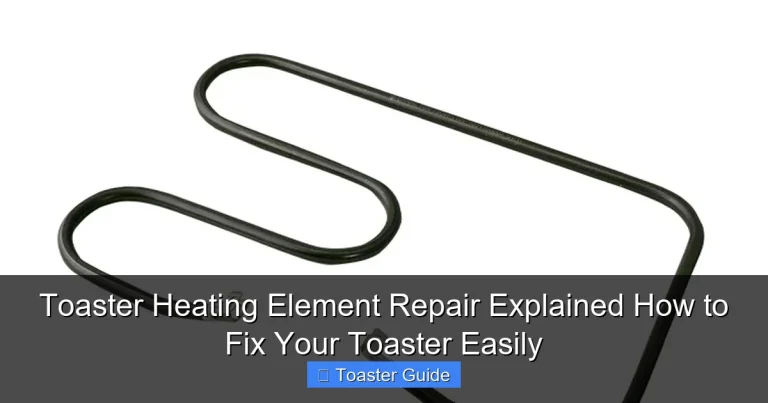
Inside every toaster, there are thin wires called heating elements. These wires are specially designed resistors made from materials like nichrome (an alloy of nickel and chromium). When you plug in your toaster and press the lever down, an electric current passes through these wires. Because of their resistance, the wires heat up rapidly and emit infrared heat that toasts your bread.
Why Nichrome?
Nichrome is the preferred material because it has a high electrical resistance and can withstand very high temperatures without oxidizing or breaking down. This longevity is why your toaster heating elements can last for years. Plus, nichrome heats up quickly and evenly, which is critical for consistent toasting.
The Role of Electrical Resistance in Toast Quality
Heat Generation and Control
The amount of heat your toaster produces depends directly on the resistance of its heating elements and the voltage applied. Higher resistance means more heat generated per unit of electric current. However, too much resistance or too little can affect how quickly and evenly your bread toasts.
Even vs. Uneven Toasting
One common toaster complaint is uneven toasting—where one side burns while the other remains pale. This often happens when the heating elements have inconsistent resistance or when crumbs and debris interfere with heat distribution. Ensuring that your toaster heating elements have consistent resistance and are clean helps maintain an even heat flow.
Adjusting Toast Darkness
When you select a toast setting, you’re essentially controlling how long electricity flows through the heating elements. This controls how much heat builds up, affecting the browning of your bread. The design of the electrical resistance in the elements allows for this variable heat control, giving you options from light to dark toast.
Types of Heating Elements and Their Resistance Characteristics
Wire Heating Elements
Most traditional toasters use wire heating elements made of nichrome wire wound into a coil. These coils have a specific resistance that determines how quickly they heat up and how much heat they produce. The length, thickness, and material composition of the wire all influence this resistance.
Carbon Film and Other Modern Elements
Some modern toasters use alternative heating technologies like carbon film elements. These also rely on electrical resistance but can provide more uniform heating and quicker warm-up times. However, nichrome wire remains the most common due to cost-effectiveness and proven reliability.
Resistance and Energy Efficiency
Heating elements with the right resistance level help your toaster use electricity efficiently. If the resistance is too low, the elements will draw too much current, wasting energy and potentially overheating. If too high, the toaster won’t heat enough to toast properly. Proper resistance levels balance performance and energy consumption.
Maintenance Tips to Keep Electrical Resistance Optimal
Regular Cleaning
Crumbs and debris inside your toaster can affect heat distribution and even cause hotspots that damage the heating elements. Regularly cleaning your toaster crumb tray and shaking out crumbs can help maintain proper resistance and heat flow. For detailed cleaning steps, check out our guide on How To Clean A Toaster The Ultimate Easy And Effective Guide.
Inspecting for Damage
Over time, heating elements may develop breaks or burn out spots. These changes affect resistance and can cause uneven toasting or no heat at all. If you notice such issues, it might be time to consider repair or replacement. Learn more about troubleshooting in our article How To Fix Toaster Not Heating Easy And Effective Solutions.
Safe Usage Practices
Using your toaster safely prevents damage to its heating elements and resistance system. Avoid inserting oversized or wet items that can short-circuit the wiring. Also, never use metal objects to retrieve stuck bread, which can damage the elements. For safety tips, see Toaster Fire Prevention Tips Must Have Safe And Easy Tricks.
Practical Tips for Getting the Perfect Toast Every Time
Choose the Right Bread Thickness
Thicker bread slices require more heat and longer toasting times. Understanding how resistance affects heat can help you adjust your toaster settings accordingly. For example, thicker slices may need a darker setting to achieve the same crispness as thinner slices.
Preheat Your Toaster
Running your toaster for a short moment without bread can warm up the heating elements, stabilizing their resistance and resulting in more even toasting. This is especially useful if your toaster has been idle for a while.
Keep Your Toaster Clean and Well-Maintained
As discussed, cleanliness affects heat distribution and resistance. Regular cleaning and maintenance not only prolong your toaster’s life but also ensure your toast is perfect every time.
Experiment With Settings
Because electrical resistance controls heat, small adjustments in your toaster’s settings can make a big difference. Try different settings to find the sweet spot for your favorite bread.
Troubleshooting Common Toaster Problems Related to Electrical Resistance
Uneven Toasting
If one side of your toast is browning more than the other, uneven electrical resistance in the heating elements might be the cause. Cleaning your toaster and checking for damaged elements can help. For detailed fixes, see How To Fix Uneven Toaster Easy And Effective Must Have Tips.
Toaster Not Heating
A complete lack of heat usually points to a problem with the heating element’s resistance. It might be broken or have lost its conductive property. Repair guides can help you diagnose and fix this issue effectively.
Burning Smell
Sometimes, faulty resistance or dirty elements can cause overheating and a burning smell. This is a sign to clean your toaster thoroughly and inspect it for damage to avoid fire hazards.
Conclusion
Electrical resistance is the unsung hero behind every perfect toast. It’s what allows your toaster’s heating elements to generate the right amount of heat consistently and efficiently. By understanding how resistance works and its impact on heat generation, you can better care for your toaster and enjoy perfectly toasted bread every time.
Remember to keep your toaster clean, use it safely, and adjust your settings based on your bread type and preferences. With these insights, you’re now equipped to make the most of your toaster’s technology and say goodbye to uneven or burnt toast forever.
For more useful tips on mastering your toaster, don’t miss our detailed Toaster Dos And Donts Must Have Tips For Perfect Toasting article. Happy toasting!
Frequently Asked Questions
What is electrical resistance in a toaster?
Electrical resistance is the property of the heating elements that opposes electric current flow, converting electrical energy into heat. This heat is what toasts your bread.
Why do toaster heating elements use nichrome wire?
Nichrome wire is used because it has high electrical resistance and can withstand high temperatures without deteriorating, making it perfect for consistent and durable heat generation.
How does electrical resistance affect toast quality?
Proper electrical resistance ensures the heating elements produce even and sufficient heat. Incorrect resistance can cause uneven toasting or insufficient browning.
Can dirty toaster elements affect electrical resistance?
Yes, crumbs and debris can disrupt heat flow and cause hotspots, effectively changing the resistance and leading to uneven or poor toasting results.
How can I fix a toaster that’s not heating properly?
A toaster not heating often indicates a problem with the heating elements’ resistance. Cleaning, inspecting for damage, or consulting repair guides can help resolve this issue.
Is it safe to use a toaster if I smell burning?
Smelling burning could signal overheating or electrical faults related to resistance. It’s best to unplug the toaster, clean it thoroughly, and check for damage before using it again to avoid fire risks.