Toaster Dos and Don’ts: Must-Have Tips for Effortless Toasting

Mastering the art of toasting might seem straightforward, but there are practical insights that can elevate your everyday breakfast routine. Whether you’re a first-time appliance buyer or simply looking to get the most out of your kitchen gadget, understanding essential toaster dos and don’ts can save you time, frustration, and even money. As someone who’s spent years testing toasters and small kitchen appliances, I’ll walk you through simple, effective tips to help you enjoy perfect toast without the hassle.
Why Knowing Toaster Basics Matters
Toasters are among the most common small appliances in homes, yet many users don’t fully utilize their features or maintain them properly. Learning the right practices ensures you get consistent results, avoid safety risks, and extend the life of your toaster. Plus, with a few smart habits, you can prevent common issues like uneven toasting, burnt bread, or appliance damage.
Early on, it’s helpful to familiarize yourself with your specific model. For example, consulting the Breville toaster user manual can clarify unique functions like “lift and look” or “crumpet mode,” which aren’t obvious at first glance but enhance your toasting experience.
—
Essential Toaster Dos for Effortless Toasting
1. Do Choose the Right Bread and Thickness
Not all bread slices toast equally. Thicker bread, artisanal loaves, or bagels require different settings than standard sliced bread. Adjusting the browning control to suit the bread type helps avoid burnt outsides and uncooked centers. For example, many toasters have a bagel setting that toasts the cut side more while warming the outer crust gently.
2. Do Pre-Clean Your Toaster Regularly
Crumbs are the number one enemy of a toaster. They accumulate at the bottom, posing fire hazards and causing uneven heating. Most toasters feature a removable crumb tray—make a habit of emptying it weekly. For stubborn crumbs, gently shake the toaster upside down over a trash bin.
Avoid using water or harsh cleaners inside the toaster. Instead, wipe the exterior with a damp cloth and use a dry brush or compressed air for interior cleaning. For detailed guidance, check out the Philips appliance support page for specific cleaning tips.
3. Do Use the Toaster on a Stable, Heat-Resistant Surface
To prevent accidents and damage, always place your toaster on a flat, heat-safe countertop. Avoid placing it near flammable materials like curtains or paper towels. The toaster’s base can get hot during use, so a sturdy, non-flammable surface minimizes risks.
4. Do Monitor the Toasting Process
Even if your toaster has a timer, it’s smart to stay nearby while it’s in use, especially if you’re trying a new bread type or setting. This habit helps you catch problems early, like a stuck lever or uneven toasting, and prevents burnt toast or smoke.
5. Do Use Appropriate Settings for Different Foods
Many toasters today offer multiple functions such as defrost, reheat, or bagel modes. Using these settings correctly improves results and preserves your appliance. For example, the defrost function gently warms frozen bread before toasting, preventing burnt exteriors with cold interiors.
—
Toaster Don’ts That Protect You and Your Appliance
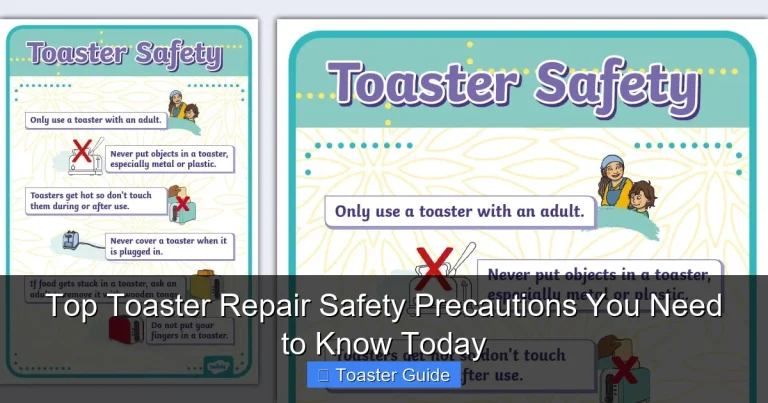
1. Don’t Insert Metal Objects Into the Slots
This is one of the most critical safety rules. Never use knives, forks, or any metal tools to retrieve stuck toast while the toaster is plugged in. Doing so risks electric shock and damage to the appliance’s heating elements. Instead, unplug the toaster and shake it gently or use wooden or plastic tools if necessary.
2. Don’t Overload the Toaster Slots
Forcing oversized bread or items that don’t fit properly can jam the toaster and cause uneven heating or mechanical failure. If your bread is too thick for your toaster, consider a toaster oven or slicing the bread thinner.
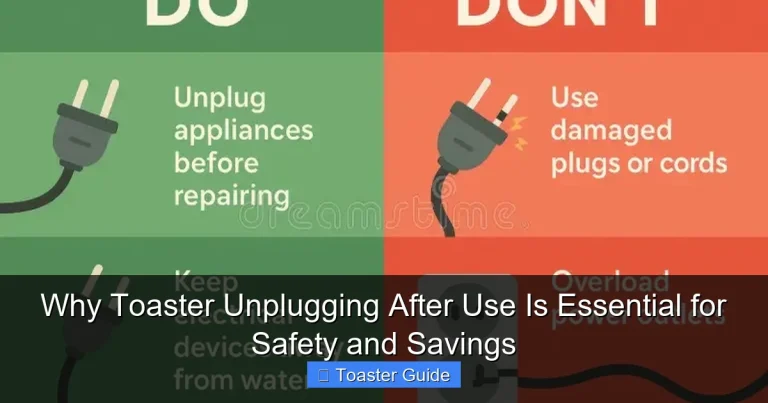
3. Don’t Leave the Toaster Plugged In When Not in Use
Unplugging your toaster after use reduces fire risks and conserves energy. Many modern toasters have automatic shutoff features, but unplugging is an extra layer of safety, especially when you’re away from home or overnight.
4. Don’t Ignore Signs of Wear or Damage
If your toaster emits strange smells, sparks, or smoke, or if the lever gets stuck, it’s time to stop using it and check the warranty or repair options. Continuing to use a faulty toaster can lead to safety hazards or appliance failure.
5. Don’t Use Your Toaster for Non-Recommended Foods
Avoid using your toaster for items like frozen waffles with excessive syrup, cheese-laden sandwiches, or anything that can melt and drip inside. These can cause sticky messes, smoke, and even fires. Instead, use toaster ovens or conventional ovens for these foods.
—
How to Get the Most from Your Toaster: Practical Tips
Understanding Your Toaster’s Features
Toasters vary widely in features and complexity. Some models include digital controls, extra-wide slots, or smart sensors that adjust to the bread’s moisture level. Familiarizing yourself with these features maximizes convenience and results.
For instance, Panasonic offers detailed instructions on their appliance features in the Panasonic toaster oven support page, which can help you get comfortable with advanced settings.
Experiment with Settings Gradually
When you first get a new toaster, start with a medium browning setting and test with your favorite bread. Adjust incrementally to find your preferred crispness. Taking notes or remembering settings for different bread types helps speed up future toasting.
Use a Timer for Consistent Results
If your toaster lacks a timer, using a kitchen timer or your phone can help develop a consistent routine. Consistency prevents guesswork and reduces burnt toast frustration.
—
Cleaning and Maintenance: Keeping Your Toaster in Top Shape
Step-by-Step Cleaning Routine
1. Unplug and Cool Down: Always unplug your toaster and let it cool before cleaning.
2. Empty Crumb Tray: Remove and dispose of crumbs regularly.
3. Shake Out Loose Crumbs: Hold the toaster upside down over a trash bin and gently shake.
4. Clean Exterior: Wipe with a damp cloth and mild detergent if needed.
5. Brush Interior: Use a soft brush or compressed air to clear crumbs from heating elements.
6. Avoid Water Inside: Never immerse the toaster or use water inside the slots.
Following this routine monthly or more often if you use your toaster daily will keep it safe and functioning well.
—
Energy Efficiency and Safety Tips
Choosing an energy-efficient toaster can save money in the long run. Look for models certified under the Energy Star efficiency guidelines to ensure lower power consumption without sacrificing performance.
Always follow manufacturer safety instructions and avoid DIY repairs unless you’re confident and have the right expertise. Most brands provide detailed repair and maintenance advice in their manuals, such as the Cuisinart toaster user guide.
—
Frequently Asked Questions About Toaster Use and Care
Q1: How often should I clean my toaster?
A1: Ideally, clean the crumb tray weekly and give the entire toaster a thorough clean monthly to prevent buildup and fire hazards.
Q2: Can I toast frozen bread directly?
A2: Yes, but use the defrost setting if your toaster has one, or toast at a lower setting to avoid burning the outside while the inside remains cold.
Q3: Why does my toast come out uneven?
A3: Uneven toasting can be due to uneven bread thickness, crumbs affecting heating elements, or worn-out toaster parts. Regular cleaning and using consistent bread slices can help.
Q4: Is it safe to leave the toaster plugged in all day?
A4: It’s safer to unplug your toaster when not in use to reduce fire risk and save energy.
Q5: What should I do if my toaster stops working?
A5: Check the power cord, reset any safety switches, and consult the manufacturer’s manual for troubleshooting. If unresolved, seek professional repair or replacement.
Q6: Can I use my toaster for reheating non-bread items?
A6: It’s best to stick to bread-related items. For other foods, a toaster oven or microwave is safer and more effective.
Q7: How do I prevent bread from sticking inside the toaster?
A7: Use fresh bread, avoid overly moist or sticky toppings, and clean crumbs regularly to prevent buildup that causes sticking.
—
Mastering these practical toaster dos and don’ts will make your mornings smoother and your toast tastier. With a little care and attention, your toaster will be a reliable kitchen companion for years to come. For more detailed product-specific tips, always check your appliance’s official support resources like the Breville toaster user manual. Happy toasting!