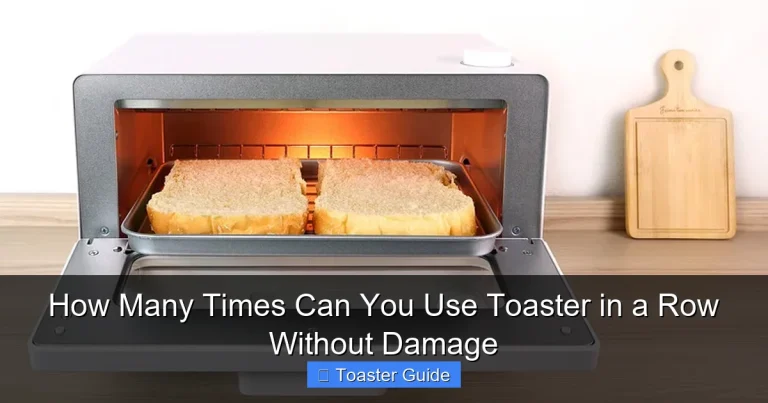
Mastering Your Toaster and Temperature Control for Perfect Toast

Discover the secrets to mastering your toaster and temperature control for flawless toast every morning. With easy tips and tricks, you’ll enjoy perfectly browned, evenly toasted bread every time, enhancing your breakfast experience.
Key Takeaways
- Understanding Temperature Control: Knowing how your toaster’s settings affect browning helps achieve the perfect toast.
- Types of Toasters: Different toasters offer varied temperature controls, impacting your toasting results.
- Adjusting for Bread Type: Toast settings should be tailored to the bread’s thickness and moisture content for best results.
- Preventing Uneven Toasting: Tips like regular cleaning and proper placement can reduce uneven browning.
- Safety Precautions: Proper maintenance and fire prevention tips ensure safe toaster use.
- Common Issues and Fixes: Troubleshooting temperature and heating problems can save your toaster from early replacement.
- Enhancing Toaster Performance: Combining temperature control with other tips can elevate your toasting game.
📑 Table of Contents
- Mastering Your Toaster and Temperature Control for Perfect Toast
- How Toaster Temperature Control Works
- Types of Toasters and Their Temperature Controls
- Optimizing Temperature Control for Different Bread Types
- Tips for Avoiding Common Toaster Temperature Problems
- Safety Tips When Using Your Toaster
- Enhancing Your Toasting Experience with Advanced Tips
- Conclusion
Mastering Your Toaster and Temperature Control for Perfect Toast
There’s nothing quite like the smell of freshly toasted bread in the morning. But getting that perfect golden-brown toast isn’t always as simple as popping slices into the toaster and hitting the lever. The key to consistently delicious toast lies in understanding your toaster’s temperature control and how to use it effectively. Whether you’re craving a lightly crisped slice or a deep, crunchy crunch, mastering your toaster’s settings can make all the difference.
In this guide, we’ll explore everything you need to know about toaster temperature control—from how various toasters regulate heat to practical tips on adjusting settings based on your bread type. Plus, you’ll learn how to avoid common pitfalls like uneven toasting and safety hazards. If you want to elevate your breakfast routine and say goodbye to burnt or underdone toast forever, you’re in the right place!
By the end of this article, you’ll feel confident in using your toaster’s temperature controls to produce consistently perfect toast that suits your taste. Let’s dive in and uncover the secrets behind that golden slice.
How Toaster Temperature Control Works
The Basics of Toaster Heat Settings
Most toasters come with a dial or digital setting that lets you adjust the toasting temperature or duration. While some refer to this as “browning control,” what you’re really adjusting is the amount of heat and toasting time applied to the bread. Higher settings mean longer exposure to heating elements, resulting in darker, crunchier toast.
Temperature vs. Time
It’s important to understand that most toaster temperature controls actually regulate time rather than the actual temperature of the heating element. The toaster’s heating coils operate at a fixed temperature, but the dial controls how long those coils stay on. This means a “high” setting keeps the coils active longer, producing more browning.
Different Types of Toaster Controls
Some modern toasters have advanced temperature sensors and smart controls that adjust heat based on bread moisture and thickness. Others are simple mechanical dials. Understanding your toaster’s control type can help you better predict how to achieve your desired toast level.
Types of Toasters and Their Temperature Controls
Basic Pop-Up Toasters
These common toasters usually have a manual browning dial that adjusts toasting time. They’re straightforward but sometimes require trial and error to find the perfect setting for your favorite bread.
Digital and Smart Toasters
Digital toasters offer presets and sometimes temperature sensors to control how the toast is cooked. Some models even have LCD screens and memory functions for custom settings, making temperature control precise and repeatable.
Toaster Ovens
Toaster ovens provide full temperature control with adjustable heat settings and timers. They’re great for thicker breads and specialty toasting tasks but require a bit more attention to time and temperature selection.
Specialty Toasters (Bagels, English Muffins)
Some toasters have dedicated settings for bagels or English muffins, which adjust heat on one side only or modify the toasting time to suit these bread types. These features optimize temperature control for specific toasting needs.
Optimizing Temperature Control for Different Bread Types
White Bread and Sandwich Bread
White breads toast quickly and can easily burn on high settings. Start with a medium setting and adjust based on how toasted you like your bread. For sandwich bread, which is often softer, a moderate temperature works best to avoid drying it out.
Whole Grain and Multigrain Breads
These breads are denser and often thicker, so increasing the toasting time or temperature slightly helps achieve a crispy exterior without leaving the inside too soft. Try medium-high settings and monitor closely.
Frozen Bread and Bagels
Frozen breads need longer toasting times to thaw and brown properly. Most toasters have a “frozen” button that automatically adjusts time and temperature. If yours doesn’t, increase the setting by one or two levels for best results.
English Muffins and Specialty Items
English muffins have a unique texture and require careful toasting to develop a crunchy surface without burning. Use toaster settings designed for muffins if available, or toast at medium heat while keeping an eye on progress.
Tips for Avoiding Common Toaster Temperature Problems
Uneven Toasting and How to Fix It
Uneven toast is often caused by dirty heating elements or crumbs blocking heat flow. Regularly cleaning your toaster (learn more in our how to clean a toaster guide) can help. Also, rotate thicker bread halfway through toasting if your toaster doesn’t toast evenly.
Preventing Burnt Toast
Start with a lower temperature setting and gradually increase until you find the perfect level for your bread. Avoid distractions so you can monitor your toast and stop the toaster if needed. Using the “cancel” button early can save a slice from burning.
Handling Toaster Not Heating Properly
If your toaster isn’t heating evenly or at all, the issue might be with the heating elements or the temperature control mechanism. Check out our comprehensive guide on how to fix toaster not heating for step-by-step solutions.
Adjusting for Altitude and Climate
At higher altitudes or in humid climates, toasting times and temperatures may vary. You might need to increase the toasting time slightly as the air density affects heat transfer. Experiment with your settings to find what works best in your environment.
Safety Tips When Using Your Toaster
Regular Cleaning to Avoid Fire Hazards
Crumbs and debris can build up inside your toaster and pose a fire risk. Make it a habit to empty the crumb tray and clean the interior regularly. Our ultimate guide to cleaning your toaster offers easy and effective steps.
What Not to Put in Your Toaster
Never put metal or foil in your toaster, as it can cause sparks and fires. Also, avoid bread with too much butter or cheese that can drip and ignite. For a full safety rundown, see our article on what not to put in toaster.
Fire Prevention and What to Do If Your Toaster Catches Fire
Keep an eye on your toaster while in use and unplug it after. If a fire occurs, do not use water to extinguish it. Instead, unplug the toaster and use a fire extinguisher or smother the flames. Learn more in our toaster fire prevention tips.
Enhancing Your Toasting Experience with Advanced Tips
Experimenting with Toasting Settings
Don’t be afraid to try different temperature settings with various bread types. Keeping a small notebook of your favorite settings can help you reproduce perfect toast consistently.
Using Accessories for Better Toast
Consider using toaster bags designed to keep crumbs contained and reduce mess, or toaster racks for specialty breads that don’t fit standard slots. These can improve your toasting results and toaster lifespan.
Maintenance for Long-Term Performance
Besides cleaning, occasional inspection of the power cord and toaster components ensures safe and effective use. If you notice problems with the lever or heating, check out our guides on how to fix toaster lever and heating issues.
Conclusion
Mastering your toaster and its temperature control is simpler than it seems. By understanding how your toaster works, adjusting settings based on bread type, and applying some simple maintenance and safety tips, you can enjoy perfect toast every morning. Remember, patience and observation are key — start low, test, and fine-tune until you find your ideal setting.
For further reading and expert advice, check out our other helpful articles on toaster care and troubleshooting. With these tips, your toast will always come out just right, making breakfast a delight rather than a gamble.
Frequently Asked Questions
How does toaster temperature control affect my toast?
Toaster temperature control mainly adjusts how long the heating elements stay on, affecting the toast’s browning level. Longer toasting times produce darker, crispier toast, while shorter times result in lighter toast.
Can I use the same temperature setting for all types of bread?
No, different breads have different densities and moisture levels, so it’s best to adjust your toaster’s temperature accordingly. For example, whole grain breads often need higher settings than white bread.
Why does my toaster sometimes toast unevenly?
Uneven toasting often results from crumbs blocking heating elements or older toasters with worn parts. Regular cleaning and occasionally rotating the bread during toasting can help fix this issue.
Is it safe to put frozen bread directly in the toaster?
Yes, many toasters have a frozen setting designed for this. If yours doesn’t, increase the toasting time slightly to ensure the bread thaws and toasts evenly without burning.
How often should I clean my toaster to maintain temperature control?
It’s a good idea to clean your toaster’s crumb tray and interior at least once a week to prevent buildup that can affect heat distribution and cause uneven toasting.
What should I do if my toaster isn’t heating properly?
If your toaster isn’t heating well, check if the heating elements are damaged or if the temperature control dial is malfunctioning. Refer to repair guides or consider professional help if needed.