Discover Perfect Toast Results with Toaster Toast Color Experiment

Discover how to get the perfect toast every time with our toaster toast color experiment. By understanding how different settings affect toast color, you can customize your breakfast exactly to your liking. Say goodbye to burnt or undercooked slices and hello to golden, delicious toast!
Key Takeaways
- Understanding toast color: Toast color indicates the Maillard reaction level and doneness of your bread.
- Toaster settings matter: Adjusting the browning control dial impacts how dark or light your toast becomes.
- Experimentation is key: Testing different settings with various bread types helps find your perfect toast.
- External factors influence results: Bread moisture, thickness, and toaster type affect toast color.
- Cleaning your toaster improves performance: A crumb-free toaster ensures even toasting and consistent color.
- Safety tips prevent burning: Avoiding overheating and knowing when to stop your toaster is essential.
- Explore beyond bread: You can experiment with buns, English muffins, and bagels for varied toast colors and textures.
📑 Table of Contents
- Introduction: Why Toast Color Matters
- Understanding Toast Color: The Science Behind the Browning
- How Your Toaster Determines Toast Color
- Conducting Your Own Toaster Toast Color Experiment
- Factors That Influence Toast Color Beyond Settings
- Common Issues and How to Fix Them
- Beyond Bread: Experimenting with Other Toastables
- Conclusion: Master Your Perfect Toast Color
Introduction: Why Toast Color Matters
Ever popped your bread into the toaster only to end up with a slice that’s either too pale or burnt to a crisp? You’re not alone. Getting the perfect toast color can feel like a guessing game, but it doesn’t have to be. Toast color is more than just a matter of preference—it affects the flavor, texture, and overall enjoyment of your breakfast.
This is where the toaster toast color experiment comes in. By systematically testing different toaster settings and bread types, you can learn exactly how to achieve the toast color you love. Whether you’re a fan of light golden toast or a deep, crispy brown, this guide will help you master the process.
In this article, we’ll dive deep into what toast color really means, how toaster mechanisms affect it, and practical tips for experimenting in your own kitchen. Ready to elevate your toast game? Let’s get started!
Understanding Toast Color: The Science Behind the Browning
The Maillard Reaction: What Creates That Golden Hue
The beautiful golden to dark brown color of toast is due to a chemical process called the Maillard reaction. This reaction happens when the sugars and amino acids in bread interact under heat, creating new flavors and brown pigments. It’s what transforms plain bread into something flavorful and aromatic.
From Pale to Dark: What Each Color Means
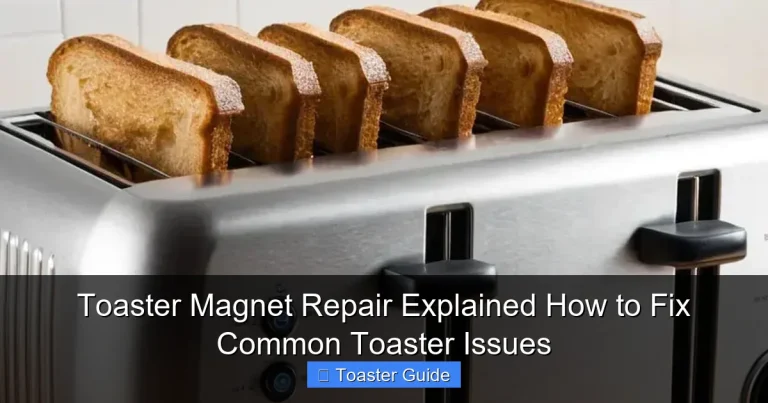
- Light Toast (Pale Golden): Minimal Maillard reaction, softer texture, subtle flavor changes.
- Medium Toast (Golden Brown): Balanced flavor with slight crispness; ideal for most tastes.
- Dark Toast (Deep Brown): Stronger flavors, more crunch, sometimes bitter if too dark.
- Burnt Toast (Black): Excessive heat causes carbonization, resulting in bitter taste and potential health concerns.
How Toast Color Affects Taste and Texture
The more pronounced the Maillard reaction, the richer the flavor. Light toast tends to be soft and mild, while darker toast delivers a crunchier texture and complex, nutty flavors. However, going too dark can introduce bitterness and ruin the eating experience.
How Your Toaster Determines Toast Color
The Browning Control Dial: Your Toast Color Dial
The browning control dial on your toaster is your primary tool for controlling toast color. It adjusts the toasting time and temperature, affecting how long the bread is exposed to heat. Most toasters have settings numbered 1 to 7 or 1 to 10, with lower numbers producing lighter toast.
Toaster Types and Their Impact
- Pop-Up Toasters: Most common; use timed heating elements to control toasting.
- Conveyor Toasters: Found in commercial kitchens; toast passes through on a belt for speed and consistency.
- Toaster Ovens: Offer more control over temperature and can toast larger or irregularly shaped bread.
Heating Elements and Thermostat Function
Inside a toaster, heating elements generate infrared heat to brown the bread. The toaster’s thermostat measures the temperature or time and signals when to pop the toast out. Understanding this helps explain why different toasters produce varying results even at the same settings. For a deeper dive into how thermostats work, check out our How Toaster Thermostat Works Stunning Guide To Effortless Best Toast.
Conducting Your Own Toaster Toast Color Experiment
Preparing for the Experiment
Before you start, gather different types of bread—white, whole wheat, sourdough, and even bagels or buns. Make sure your toaster is clean to avoid uneven toasting. A clean toaster ensures better heat distribution, which is crucial for consistent results.
Step-by-Step Experiment Guide
- Set the toaster to the lowest browning setting.
- Toast one slice of each bread type. Note the color and texture after toasting.
- Increase the browning level by one notch.
- Toast the same bread types again. Record the results carefully.
- Repeat until you reach the highest setting.
- Compare all results side-by-side. Identify your preferred toast color for each bread type.
Documenting Your Results
Use a notebook or a digital spreadsheet to note the toaster setting, bread type, and resulting toast color. Taking photos can also help you visually compare and remember your favorites. This practice helps you dial in your perfect toast every time.
Tips for Better Experimentation
- Use the same brand and batch of bread for consistency.
- Don’t overload toaster slots; single slices toast more evenly.
- Wait a few seconds between toasting cycles to prevent overheating.
- For unusual breads like English muffins or buns, check out our specialized guides such as Can You Toast English Muffins In Toaster The Ultimate Guide or Can You Toast Buns In Toaster Must Have Tips For Perfect Results 3.
Factors That Influence Toast Color Beyond Settings
Bread Thickness and Moisture Content
Thicker bread slices take longer to toast and may require a higher setting or multiple toasting cycles. Moisture-rich bread releases steam during toasting, which can lighten the toast color or slow browning.
Bread Type and Ingredients
Whole grain breads brown differently than white bread due to their sugar and protein content. Sweet breads caramelize faster, producing darker toast at lower settings.
Toaster Cleanliness and Maintenance
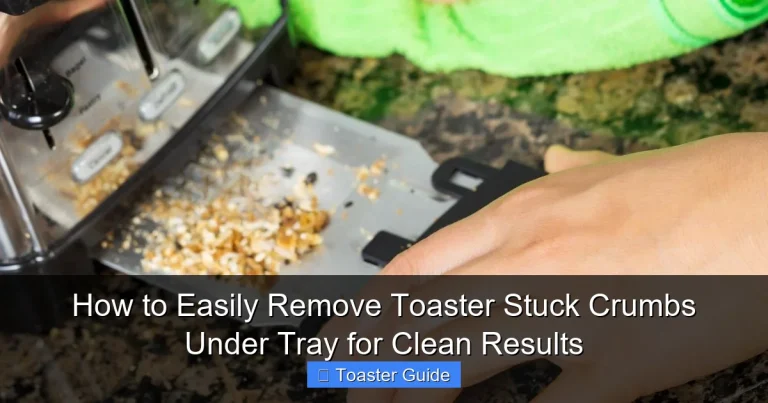
A dirty toaster can cause uneven heating and dark spots on toast. Regular crumb removal and cleaning of the toaster tray help maintain consistent toast color. For detailed cleaning tips, see our guide on How To Clean A Toaster The Ultimate Easy And Effective Guide.
Common Issues and How to Fix Them
Why Does My Toaster Burn Toast?
If your toast frequently burns even on low settings, your toaster’s thermostat or timer might be faulty. Another cause could be leftover crumbs causing hotspots. To troubleshoot, clean your toaster thoroughly and test with different settings. Learn more about common causes in our article Why Toaster Burns Toast Stunning Guide To Effortless Perfect Slices.
Uneven Toasting: Causes and Solutions
Uneven toast color can result from uneven bread placement, dirty heating elements, or inconsistent heat distribution. To fix this, center your bread slices, clean your toaster frequently, and avoid using oversized or irregularly shaped bread without proper toaster adjustments.
Tips for Preventing Toaster Fires
Overheating or putting inappropriate items in the toaster can cause fires. Always monitor your toast, avoid putting buttered or oily bread directly in the toaster, and never insert metal objects. For safety advice, see our full guide on Toaster Fire Prevention Tips Must Have Safe And Easy Tricks.
Beyond Bread: Experimenting with Other Toastables
Toasting English Muffins and Buns
English muffins and buns have different textures and densities than sliced bread. They often require lower settings or multiple toasting cycles to avoid burning the exterior while warming the inside. For expert tips, check out Can You Toast English Muffins In Toaster Must Have Tips Revealed 2 and Can You Toast Buns In Toaster Must Have Tips For Perfect Results 2.
Bagels and Specialty Breads
Bagels are denser and often benefit from the “bagel” setting on some toasters, which toasts the cut side while gently warming the outer crust. Specialty breads like gluten-free or rye may toast differently, so experimenting with settings is advisable.
Creative Toasting Ideas
Try toasting waffles, frozen bread, or even reheating pizza slices for a crispy finish. Always adjust settings and monitor closely to prevent burning. For some creative ideas, see our article on Can You Put Waffles In Toaster Must Have Tips For Perfect Toasting.
Conclusion: Master Your Perfect Toast Color
Getting the perfect toast color isn’t just about pushing a button—it’s about understanding the science of browning, your toaster’s unique behavior, and the bread you’re using. By conducting your own toaster toast color experiment, you can tailor your toasting process to achieve the exact shade you love every morning.
Remember to keep your toaster clean, experiment with different breads and settings, and pay attention to toast color for the best taste and texture. With these insights, your breakfast toast will never be a disappointment again.
So why wait? Grab your favorite bread, set your toaster dial, and start experimenting to discover your perfect toast color today!
Frequently Asked Questions
What does the toast color setting on my toaster actually control?
The toast color setting adjusts the toasting time and heat intensity. Lower settings produce lighter toast, while higher settings allow longer browning for darker toast.
Why does my toast sometimes come out unevenly browned?
Uneven browning can be caused by uneven bread placement, crumbs inside the toaster, or inconsistent heat from faulty heating elements. Cleaning your toaster and centering your bread can help.
Can I toast other bread types besides sliced white bread?
Yes! You can toast English muffins, buns, bagels, and even waffles. Different breads may require adjustments to the toaster settings for best results.
How often should I clean my toaster to ensure even toast color?
It’s best to clean your toaster crumb tray weekly or whenever you notice crumbs buildup. Regular cleaning prevents hotspots and helps maintain consistent toast color.
Is burnt toast harmful to eat?
Occasionally eating slightly burnt toast is generally safe, but consistently consuming burnt food may pose health risks. It’s best to avoid heavily charred toast.
What should I do if my toaster burns toast even on the lowest setting?
This might indicate a malfunctioning thermostat or timer. Try cleaning the toaster first, but if the problem persists, consider repairing or replacing your toaster.