Toaster vs Microwave: The Ultimate Must-Have Kitchen Guide

When outfitting your kitchen with essential appliances, the debate between a toaster and a microwave often comes up. Both devices serve important roles but cater to different cooking needs. Understanding their differences, benefits, and limitations can help you make a smart choice that fits your lifestyle, kitchen space, and cooking habits. Whether you’re a busy parent, a first-time appliance buyer, or someone looking to upgrade, this guide breaks down the key points of toaster vs microwave, offering practical advice and real-world insights.
Understanding the Basics: What Do Toasters and Microwaves Do?
Before diving into the comparison, let’s clarify what each appliance is designed for.
What Is a Toaster?
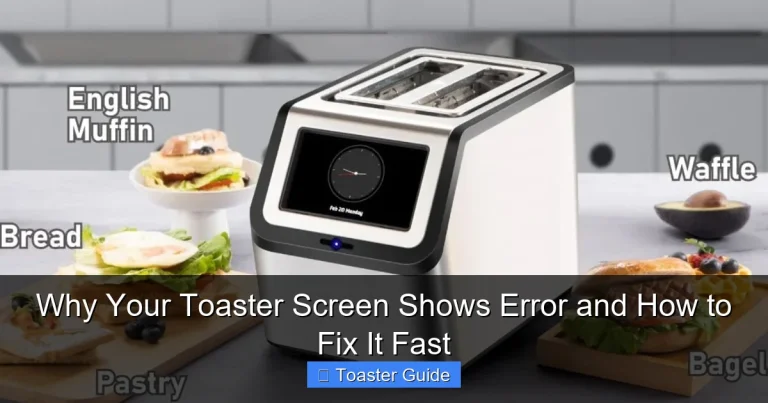
A toaster is a compact kitchen device primarily used for browning slices of bread, bagels, and similar baked goods. It uses radiant heat elements to toast bread quickly and evenly, creating a crispy exterior while keeping the inside soft. Toasters typically have slots for bread slices and simple controls for adjusting browning levels.
What Is a Microwave?
A microwave oven cooks or reheats food using microwave radiation, which excites water molecules in food, generating heat from within. Microwaves are versatile appliances that can thaw, reheat, and cook a variety of dishes, from leftovers to frozen meals, in just minutes. Many models offer additional functions like grilling or convection baking.
Toaster vs Microwave: Key Differences
The choice between a toaster and a microwave depends largely on what you want to achieve in the kitchen. Here are the main differences:
Cooking Method and Results
– Toaster: Uses direct radiant heat to brown surfaces. Best for crisping bread products and adding texture.
– Microwave: Uses electromagnetic waves to heat food internally. Ideal for quick reheating and cooking but doesn’t brown or crisp food naturally.
Speed and Convenience
– Toaster: Typically takes 2–5 minutes to toast bread. Very straightforward, no setup needed beyond inserting bread and selecting a setting.
– Microwave: Can heat food in under a minute for small portions. Offers multiple power levels and programmable settings but requires some user input for timing.
Size and Counter Space
– Toaster: Small and compact, fits easily on any countertop or can be stored away.
– Microwave: Larger footprint, requires more counter or shelf space.
Versatility
– Toaster: Limited to toasting bread, bagels, English muffins, and some toaster pastries.
– Microwave: Can cook, reheat, defrost, and even steam vegetables or popcorn.
Practical Uses: When to Choose a Toaster or Microwave
When a Toaster Shines
If your daily routine includes breakfast staples like toast, bagels, or English muffins, a toaster is a simple, reliable option. It delivers consistent browning and crispness that microwaves can’t replicate. For those who enjoy a crunchy texture on their bread or want to prepare quick snacks like toasted sandwiches, a toaster is invaluable.
Moreover, toasters don’t dry out bread as much as microwaves can, maintaining a better mouthfeel and flavor. For busy mornings, a two-slot toaster can handle multiple slices at once without complicated settings.
When a Microwave Makes Sense
Microwaves are the go-to appliance for reheating leftovers, defrosting frozen foods, and cooking simple meals quickly. They are indispensable for busy families or anyone who wants to save time on meal prep. Microwaves also accommodate a wide range of containers and food types, from soups to frozen dinners.
For small kitchens where counter space is a premium, a microwave can replace several appliances by combining cooking, reheating, and defrosting functions. Many models from brands like Panasonic and Cuisinart also include convection features, allowing you to bake or roast.
Cleaning and Maintenance: Keeping Your Appliance in Top Shape
Caring for Your Toaster
Cleaning a toaster is straightforward but essential to prevent crumbs buildup, which can pose a fire hazard. Most toasters have a removable crumb tray that should be emptied regularly. Wiping the exterior with a damp cloth keeps it looking fresh. Avoid immersing your toaster in water or using harsh chemicals.
Refer to the Breville toaster user manual for specific cleaning instructions and safety tips.
Maintaining Your Microwave
Microwaves require periodic cleaning to remove spills and splatters that can affect performance and odor. Use a microwave-safe bowl with water and lemon juice to steam-clean the interior, loosening grime for easy wiping. The turntable should be removed and washed regularly.
Check the Philips appliance support page for model-specific maintenance advice.
Energy Efficiency and Safety Considerations
Energy Use Comparison
Microwaves generally consume more power than toasters due to their larger size and broader functionality but cook food faster overall, which can reduce total energy use. Toasters use less energy per cycle but are limited to specific tasks.
For energy-conscious shoppers, reviewing Energy Star efficiency guidelines can help select appliances that balance performance and power consumption.
Safety Tips for Both Appliances
– Never insert metal objects into a toaster to avoid sparks or damage.
– Keep microwaves clean to prevent fires and maintain hygiene.
– Use microwave-safe containers only.
– Always unplug appliances when not in use for extended periods.
The FDA food safety recommendations provide further guidance on safe food reheating and storage.
Toaster vs Microwave: Which One Should You Buy?
Deciding between a toaster and a microwave depends on your cooking habits, kitchen space, and priorities.
– Choose a toaster if: You want perfectly toasted bread and quick breakfast prep without fuss. It’s ideal for toast lovers who appreciate texture and flavor.
– Choose a microwave if: You need a versatile appliance for reheating, cooking, and defrosting a wide range of foods quickly. Great for busy households and small kitchens.
Many kitchens benefit from having both, as they complement each other well. However, budget and space may require prioritizing one.
Real-World Tips for Using Your Appliance
Getting the Most from Your Toaster
– Use the browning control to customize toast to your liking.
– Clean the crumb tray weekly to avoid burnt crumbs.
– Toast frozen bread directly without thawing for convenience.
– Experiment with toaster-safe bags for warming pastries without drying them out.
Making Microwaving Efficient and Safe
– Cover food with a microwave-safe lid or wrap to retain moisture.
– Stir or rotate food midway to ensure even heating.
– Use defrost settings for frozen items to avoid partial cooking.
– Avoid overheating liquids to prevent spills or burns.
FAQ: Toaster vs Microwave for Beginners
Q1: Can I use a microwave to toast bread?
Microwaves do not brown or crisp bread; they will make it soft and chewy instead of toasted.
Q2: Is a toaster oven a good middle ground?
Yes, toaster ovens combine toasting and baking functions, offering more versatility than a standard toaster.
Q3: How do I know if my microwave is working efficiently?
If your microwave heats unevenly or takes longer than usual, check for cleanliness or consult the manufacturer’s manual.
Q4: Can I put metal in a toaster?
No, metal objects can cause sparks and damage your toaster.
Q5: Which appliance is safer for kids to use?
Toasters are typically safer for kids as they have simpler controls and no hot steam or liquids involved.
Q6: How often should I replace my toaster or microwave?
With regular maintenance, these appliances can last 5–10 years. Replace if you notice performance issues or safety concerns.
Q7: Are there any health concerns with microwaving food?
Microwaving is safe when used properly. Follow storage and heating guidelines to ensure food safety.
—
Choosing the right kitchen appliance boils down to your specific needs and habits. Whether you invest in a toaster, a microwave, or both, understanding their unique functions will help you cook smarter and enjoy your meals more. For detailed product instructions, always consult official resources like the Cuisinart toaster oven manual or the Panasonic microwave user guide to maximize your appliance’s lifespan and performance.