What to Serve with Meatballs Instead of Pasta Healthy Ideas

Serve meatballs with vegetables, cauliflower rice, salad, or whole grains for a healthy pasta-free meal. The best choice depends on whether you want low-carb, higher fiber, or a more filling dinner.
If you want a healthy side for meatballs, skip pasta and build the plate around vegetables, grains, or lighter starches. The best picks add fiber, color, and texture without burying the meatballs in heavy sauce.
- Best overall: Roasted vegetables plus quinoa or cauliflower rice.
- Health focus: Add fiber, color, and light sauce for balance.
- Low-carb option: Zucchini noodles, cauliflower rice, or salad work well.
- Meal prep: Brown rice, roasted broccoli, and cabbage reheat well.
What to Serve with Meatballs Instead of Pasta Healthy: Quick Answer and Best Picks
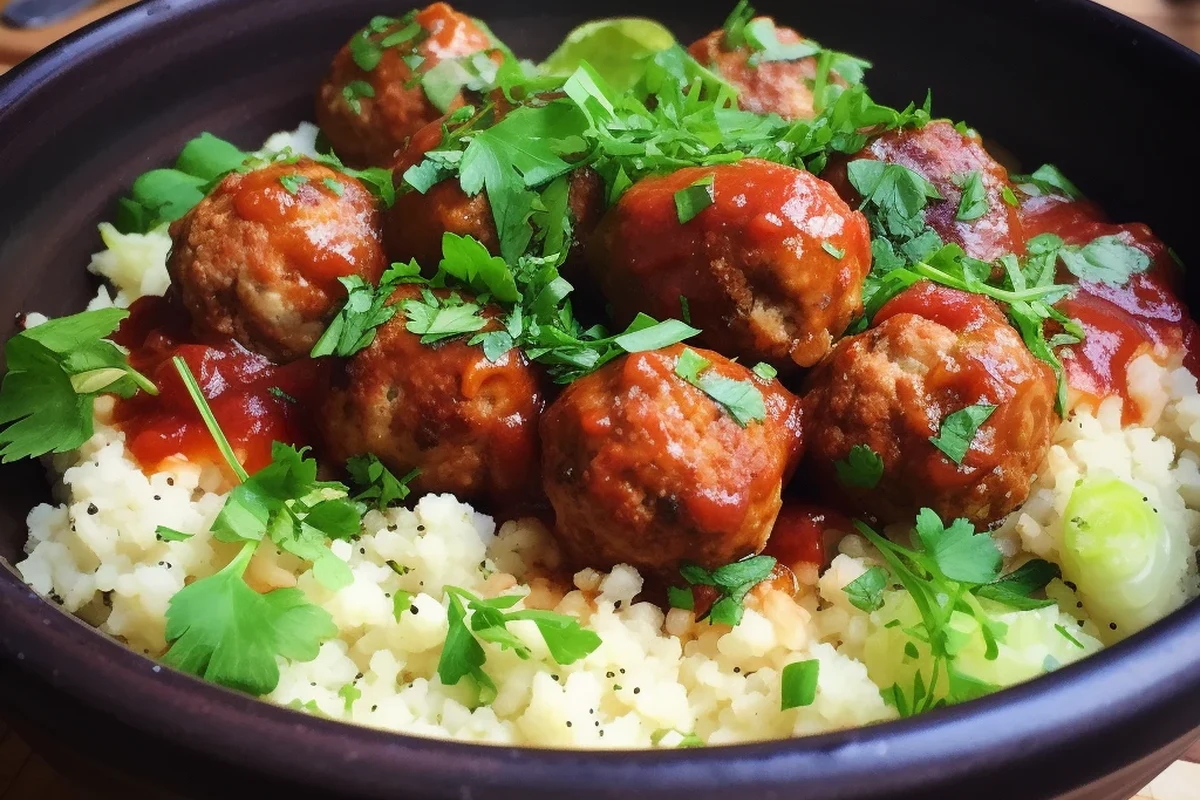
The simplest answer is this: serve meatballs with roasted vegetables, cauliflower rice, zucchini noodles, a grain bowl, or a crisp salad. These options keep the meal lighter while still feeling filling.
For a more balanced plate, think about what your meatballs already bring. If they are rich and saucy, use a fresh or plain side. If they are lean and mild, add more flavor and texture on the side.
Why people skip pasta and what they want instead
People skip pasta for many reasons. Some want fewer carbs. Others want more fiber, more vegetables, or a meal that feels less heavy at night.
There’s also the simple weeknight factor. Pasta can be great, but it is not always the best fit for a lighter meal plan.
“Healthy” can mean different things for different households. For some, it means lower carb. For others, it means more fiber, less sodium, or better portion balance.
Best healthy swaps at a glance
Here are some easy swaps that work well with meatballs:
- Roasted broccoli, Brussels sprouts, or green beans.
- Cauliflower rice or mashed cauliflower.
- Zucchini noodles or spaghetti squash.
- Brown rice, quinoa, or farro.
- Chopped salad with a light vinaigrette.
- Steamed vegetables with olive oil and herbs.
In short, the best side is the one that balances the meatballs, not one that copies pasta.
How to Build a Healthy Meatball Plate
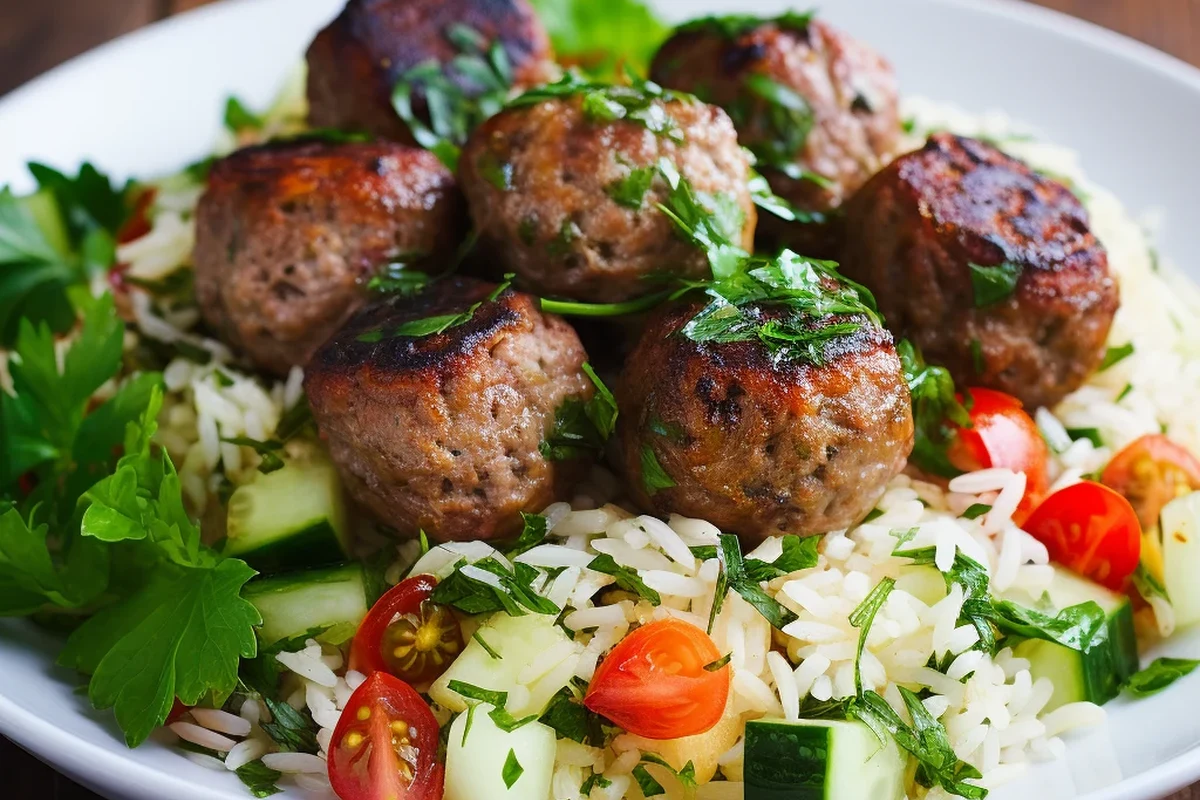
A good meatball plate needs more than just a side dish. It should give you protein, fiber, and enough flavor to feel like a full meal.
Balance protein, fiber, and healthy fats
Meatballs already cover the protein part. So the side should usually add fiber, color, or healthy fat.
Good examples include roasted vegetables, beans, avocado, olive oil, nuts, or whole grains. These help the meal feel more complete.
- Add one vegetable and one grain for better balance.
- Use herbs and lemon for flavor without heavy sauce.
- Keep cheese and cream sauces small if you want a lighter plate.
Choose sauces that stay light and flavorful
Sauce matters more than many people think. A light tomato sauce, garlic yogurt sauce, or herb vinaigrette can keep the meal bright.
Heavy cream sauces and thick cheese sauces can turn a light side into a rich meal fast. That is fine sometimes, but it is not the best choice for a healthy plate.
- Use tomato, lemon, herb, or yogurt-based sauces.
- Season vegetables with garlic, pepper, and herbs.
- Pouring on heavy cream sauces.
- Using sugary bottled sauces without checking the label.
Pick portions that fit your goals
Portion size changes the whole meal. A small scoop of grains with lots of vegetables can feel satisfying.
If you want a lighter dinner, use more vegetables and less starch. If you need more energy after a busy day, add a bigger grain serving.
Best Healthy Sides for Meatballs
The best healthy sides for meatballs are easy to prep and easy to eat. They should also hold up well next to sauce and seasoning.
Vegetable options that feel filling
Vegetables are usually the best place to start. They add volume without making the meal too heavy.
- Roasted broccoli with olive oil and garlic.
- Green beans with lemon and black pepper.
- Brussels sprouts with a little balsamic glaze.
- Cauliflower mash for a soft, comforting side.
- Spaghetti squash for a pasta-like feel.
- Sauteed spinach or kale for a fast side.
Roasting helps many vegetables taste better. It brings out sweetness and gives the plate more texture.
Roasted vegetables often feel more filling than raw ones because they shrink less on the plate after cooking.
Whole grain and grain-free choices
If you still want a starch, whole grains are a smart swap. They bring more fiber and a nuttier taste than white pasta.
- Brown rice for a simple bowl.
- Quinoa for extra protein and a light texture.
- Farro for a chewy, hearty bite.
- Barley for a cozy, soup-friendly meal.
- Cauliflower rice for a grain-free base.
These options work well with tomato sauce, pesto, or simple herbs. They also make leftovers easy to pack for lunch.
Low-carb picks for lighter meals
Low-carb sides can be a good fit if you want a lighter dinner. They also work well when the meatballs already feel rich.
- Zucchini noodles with marinara.
- Cauliflower rice with herbs.
- Cabbage ribbons sauteed in olive oil.
- Roasted mushrooms for a deep, savory side.
- Mixed greens with cucumber and tomato.
Watch for very salty store-bought sauces or sides. If you need to limit sodium, check labels and season with fresh herbs when you can.
Simple Meal Ideas for Different Diet Goals
Different goals call for different plates. The good news is that meatballs are flexible.
High-protein bowls for busy weeknights
A high-protein bowl can be simple and fast. Start with quinoa, add meatballs, then pile on roasted vegetables.
Top it with a spoon of Greek yogurt sauce or a light tomato sauce. This gives you a balanced meal without much fuss.
Low-carb plates for lighter dinners
For a lower-carb dinner, use zucchini noodles or cauliflower rice. Add meatballs and a side of roasted broccoli or salad.
This kind of plate works well when you want comfort food without a heavy starch. It still feels like dinner, not a snack.
Family-friendly meals kids will eat
Kids often like simple flavors and familiar textures. Try meatballs with mashed cauliflower, roasted carrots, or a small scoop of rice.
You can also serve a dip on the side. Mild marinara or yogurt dip usually works better than spicy sauce.
Easy Plate-Building Ideas for Meatballs
Use these ideas to build fast, healthy meals that fit your schedule and taste.
What to Look for in a Healthy Side Dish
Not every side dish that sounds healthy is actually a great pick. A smart choice gives you real nutrition and good flavor.
Ingredients that add real nutrition
Look for vegetables, beans, whole grains, nuts, seeds, olive oil, and herbs. These ingredients bring more than just calories.
They add fiber, healthy fats, minerals, and taste. That makes the meal more satisfying.
- Does the side add fiber or vegetables?
- Does it work with the sauce you chose?
- Will it feel filling without being too heavy?
What to limit in store-bought sides
Some ready-made sides are convenient but not ideal for a healthy plate. Watch for too much added sugar, sodium, or heavy sauces.
Also be careful with breaded sides that add extra fat and refined starch. They can crowd out the healthier parts of the meal.
Fresh, frozen, and ready-made options
Fresh vegetables are great, but frozen ones can be just as useful. They are often cheaper and last longer.
Ready-made sides can help on busy nights. Just read the ingredient list and choose the simplest option you can find.
Common Mistakes When Serving Meatballs Without Pasta
It is easy to make a meatball meal feel flat or too rich. A few small changes can fix that.
Too little fiber or color on the plate
A plate with only meatballs and a starch can feel heavy fast. It also misses the fresh look and crunch many people want.
Add at least one colorful vegetable. Even a simple salad helps a lot.
Using heavy sauces that cancel the health win
Sometimes the side is healthy, but the sauce is not. Thick cream sauces, lots of cheese, or very sweet glazes can undo the lighter meal.
Try a lighter sauce first. You can always add more at the table if needed.
Skipping texture and flavor balance
Healthy food still needs to taste good. If everything is soft, the meal can feel dull.
Mix soft meatballs with crisp salad, roasted vegetables, or chewy grains. That contrast makes the plate more enjoyable.
Cost, Prep Time, and Best Value Choices
The best healthy side is not always the fanciest one. It is often the one you can make often without stress.
Budget-friendly sides that stretch a meal
Frozen vegetables, cabbage, carrots, rice, and beans are all strong value picks. They help stretch meatballs into a full dinner.
These ingredients also work in many other meals. That makes them useful for tight food budgets.
Fast options for weeknight cooking
If time is short, choose sides that cook quickly. Zucchini noodles, bagged salad, and sauteed spinach are all fast.
Microwaved cauliflower rice and steamed frozen vegetables also save time. They are easy to season and serve.
Best value picks for meal prep
For meal prep, choose sides that keep well in the fridge. Brown rice, quinoa, roasted broccoli, and cabbage all hold up nicely.
They also reheat better than delicate greens. That makes lunch the next day much easier.
Final Recommendation: The Best Healthy Way to Serve Meatballs
The best healthy way to serve meatballs is with a mix of vegetables and a lighter base. For most home cooks, roasted vegetables with quinoa or cauliflower rice is the sweet spot.
Top pick for most home cooks
If you want one simple answer, go with roasted vegetables plus a light grain or grain-free base. This gives you fiber, color, and a filling meal without the heaviness of pasta.
For most people, the best healthy meatball dinner uses roasted vegetables and a light base like quinoa or cauliflower rice. Choose a different side if you want a comfort-food feel, a kid-friendly plate, or a higher-carb meal after a long day.
When to choose a different side instead
Pick brown rice, farro, or barley if you want something heartier. Choose salad or zucchini noodles if you want the lightest possible meal.
In the end, the right side depends on your goals. But if you want a healthy, easy, and flexible answer, vegetables are the best place to start.
Frequently Asked Questions
Roasted vegetables, cauliflower rice, or a simple salad are strong healthy choices. They add fiber and color without making the meal too heavy.
Yes, rice works well, especially brown rice or quinoa. These options make the meal more filling and can fit many sauce styles.
Zucchini noodles, cauliflower rice, cabbage, and roasted broccoli are all good low-carb sides. They keep the plate lighter but still feel like a full meal.
Add one vegetable, one light starch if needed, and a simple sauce. That mix gives you better texture, flavor, and nutrition.
Limit sides with lots of added sugar, sodium, or heavy cream sauces. These can make a healthy meal feel much richer than you want.
Mashed cauliflower, rice, roasted carrots, or mild salad sides are easy family picks. They are simple, familiar, and easy to serve with mild sauce.