Which Coffee Maker Brews the Best Coffee in 2026

For most people, a quality drip coffee maker brews the best coffee overall. If flavor control matters most, pour-over is the top specialty choice.
If you want the best-tasting coffee, the answer depends on your taste. For most people, a good pour-over or a well-made drip coffee maker brews the best coffee at home. For rich, bold coffee, a French press or espresso machine may win. For iced drinks and smooth, low-acid cups, cold brew makers stand out.
- Best overall: A quality drip coffee maker fits most homes.
- Best flavor control: Pour-over gives the cleanest, most adjustable cup.
- Best rich body: French press makes bold coffee with more oils.
- Best iced coffee: Cold brew makers give smooth, low-acid drinks.
Which Coffee Maker Brews the Best Coffee in 2026: Quick Answer and What “Best” Really Means
The best coffee maker is the one that matches your taste, routine, and cleanup patience. There is no single winner for every home.
If you want the cleanest flavor and the most control, pour-over usually comes out on top. If you want easy, repeatable coffee for more than one cup, a quality drip machine is often the best all-around pick. If you want strong body and a fuller mouthfeel, French press can be a great fit. If you want espresso-style drinks, you need an espresso machine. If you want smooth coffee for hot days, cold brew makers are hard to beat.
In short, the “best” coffee maker is the one that gives you the flavor you like with the least hassle.
How Coffee Makers Affect Taste, Strength, and Brew Quality
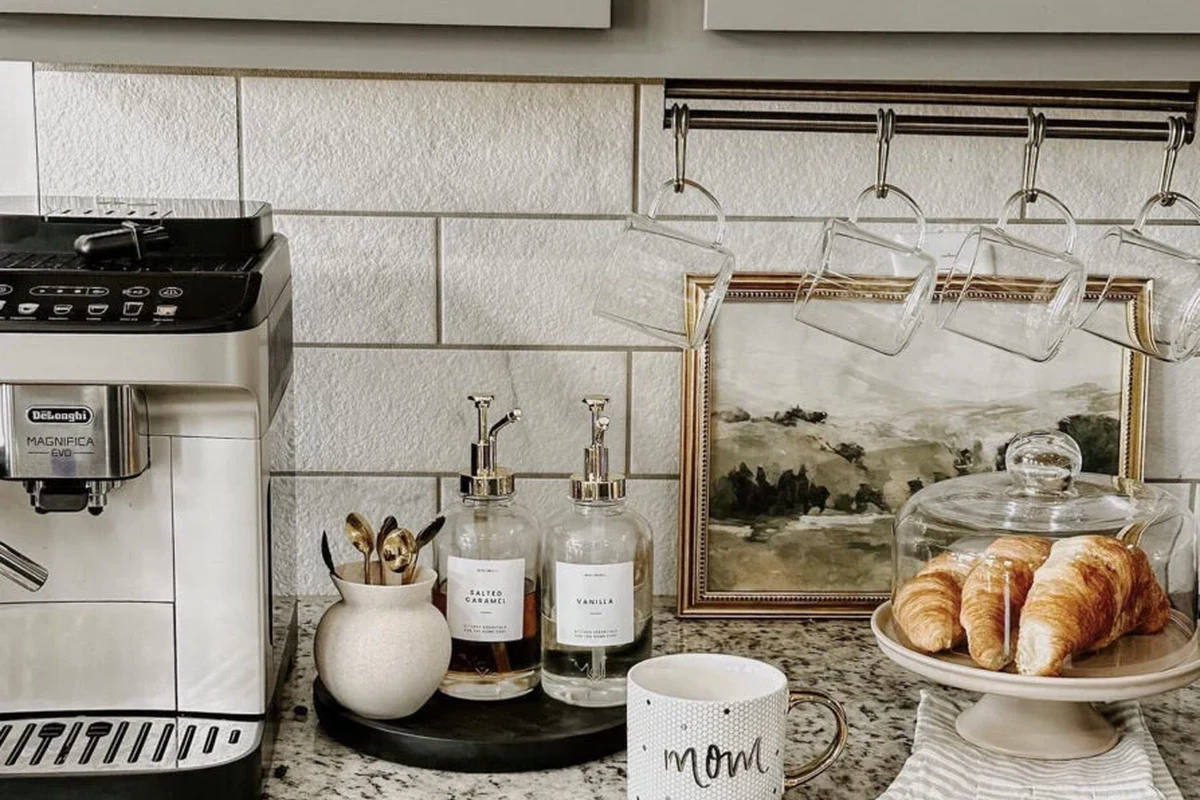
Coffee makers do more than heat water. They shape how water touches the grounds, how long it stays there, and how much flavor ends up in the cup.
That means two brewers can use the same beans and still taste very different. One may make a bright, clean cup. Another may make a heavy, strong one.
Key brew factors that change flavor
Longer contact can pull more flavor, body, and bitterness.
Even flow helps the coffee taste balanced and less muddy.
Stable heat helps extract flavor without making coffee taste harsh.
Paper filters make a cleaner cup. Metal filters let more oils through.
These factors matter because coffee extraction is a balance. Too little, and the cup tastes sour or thin. Too much, and it can taste bitter or dry.
Why grind size, water temp, and ratio matter
Grind size has a big effect on taste. Fine grinds extract fast. Coarse grinds extract slowly.
Water temperature also matters. If water is too cool, the coffee may taste flat. If it is too hot, it can taste harsh.
The coffee-to-water ratio changes strength. More coffee makes a stronger cup. Less coffee makes a lighter cup. The right ratio depends on your brewer and your taste.
Brewer results vary by model, beans, and grind quality. Even a great machine can make weak coffee with stale grounds.
Top Coffee Maker Types Compared for Flavor, Ease, and Value
Each coffee maker type has a different strength. Some focus on taste. Others focus on speed or ease.
Here is how the main types compare in everyday use.
Drip coffee makers
Drip coffee makers are the easiest choice for many homes. You add grounds, water, and press a button.
Good drip machines can make a balanced cup with little effort. The best ones keep water hot enough and spread it evenly over the grounds.
- Easy to use every morning
- Good for several cups at once
- Often simple to clean
- Less control than manual methods
- Cheap models can brew unevenly
- Warm plates can hurt flavor over time
Pour-over brewers
Pour-over gives you the most control. You pour hot water by hand, usually in slow circles.
This method can make a very clean, bright cup. It rewards good technique, fresh beans, and a steady pour. It also takes more attention than a drip machine.
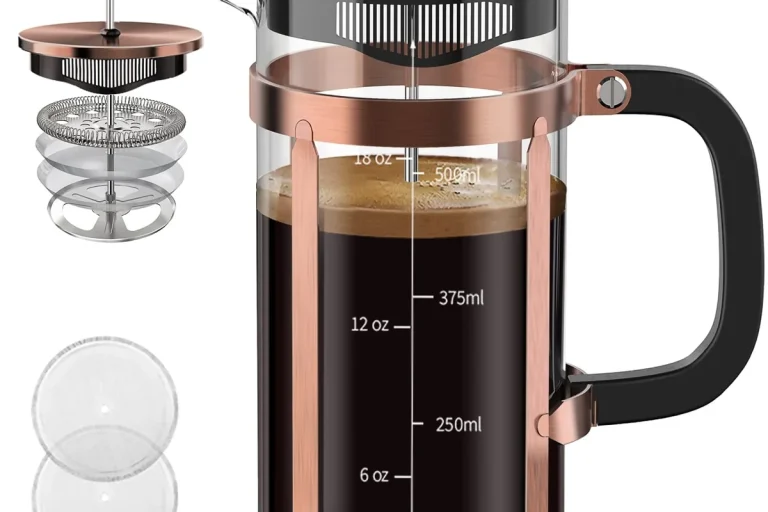
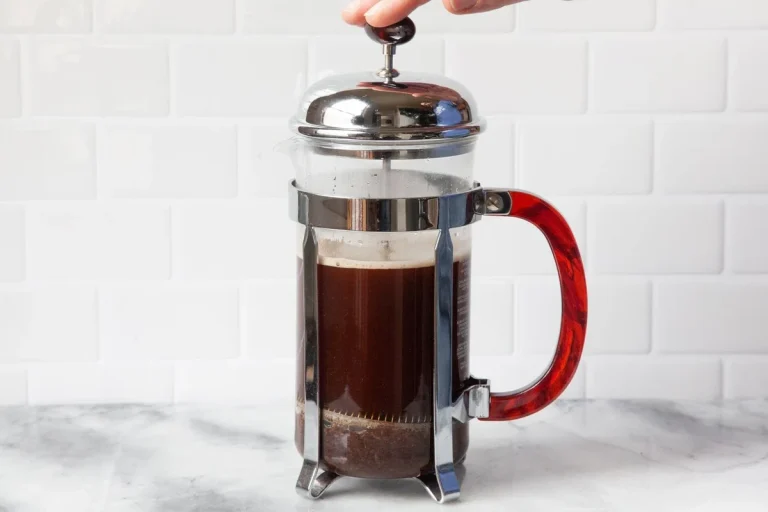
French press
French press brews coffee by steeping grounds in hot water. Then you press the filter down.
The result is rich and full-bodied. It can taste bold and smooth, but it may also leave more sediment in the cup. Cleanup is simple, though the grounds can be messy.
Espresso machines
Espresso machines force hot water through finely ground coffee under pressure. That makes a small, concentrated shot.
They can produce excellent flavor and crema, but they need more skill and more care. They also cost more than many other brewers. For milk drinks, though, they are the clear winner.
Cold brew coffee makers
Cold brew coffee makers steep grounds in cool water for many hours. The result is smooth, low-acid coffee that works well over ice.
This is a strong pick for people who like mellow coffee or make drinks ahead of time. It is not fast, but it is very forgiving.
Best Coffee Maker Types at a Glance
Use this simple guide to match brew style with your daily routine.
| Option | Best For | Key Consideration |
|---|---|---|
| Drip coffee maker | Easy daily coffee | Look for even brewing and good heat control |
| Pour-over | Clean, bright flavor | Needs hands-on pouring and practice |
| French press | Full body and rich taste | Can leave sediment in the cup |
| Espresso machine | Strong shots and milk drinks | Higher cost and more skill needed |
| Cold brew maker | Iced coffee and smooth taste | Takes hours, not minutes |
Best Coffee Makers for Different Kinds of Coffee Drinkers
The best brewer changes with your habits. A busy parent, a single cup drinker, and a cold brew fan do not need the same machine.
Best for rich flavor
French press is a top choice for rich flavor. It keeps more oils in the cup and gives coffee a heavier feel.
Pour-over is also excellent if you want rich flavor with more clarity. It shows off bean notes better than many automatic methods.
French press or pour-over
Choose French press for body and depth. Choose pour-over for a cleaner cup with more detail. Both can taste excellent when you use fresh beans and the right grind.
Best for speed and convenience
A good drip coffee maker usually wins here. It is the easiest way to brew several cups with little effort.
Some single-serve systems are fast too, but they often trade flavor for speed. If taste matters, a quality drip brewer is usually the better choice.
Best for budget buyers
Manual pour-over gear and basic French press brewers are often the lowest-cost routes to good coffee. They do not need much counter space either.
The trade-off is more hands-on work. If that does not bother you, the value can be excellent.
Best for beginners
Beginners usually do best with a simple drip coffee maker. It removes guesswork and still makes a solid cup.
If you want to learn more about coffee, pour-over is a good next step. It teaches grind, ratio, and water control in a clear way.
Best for iced coffee and cold brew fans
Cold brew coffee makers are the best fit for smooth iced drinks. They make coffee that stays mellow even after ice melts.
That makes them great for summer, meal prep, or anyone who dislikes sharp acidity.
Best for one or two people and limited counter space.
Best when you need several cups without extra steps.
What to Look for Before You Buy a Coffee Maker
Before you buy, think about how you drink coffee now. Then match the machine to that habit.
Brew control and temperature settings
Better control usually means better coffee. Look for machines that heat water well and keep brew time steady.
For manual brewers, simple tools like a kettle and scale can help a lot. You do not need fancy gear, but consistency matters.
Capacity and daily use needs
A small brewer is fine if you make one cup at a time. A larger machine makes more sense for families or guests.
Do not buy extra capacity you will not use. Bigger machines often take more space and more cleaning time.
Filter type and cleanup time
Paper filters are easy and make a cleaner cup. Metal filters cut waste and keep more oils in the coffee.
Think about cleanup too. Some brewers have removable parts that rinse fast. Others need more scrubbing.
Build quality and long-term value
Cheap coffee makers can work fine at first, but they may wear out faster. Better build quality often means steadier brewing and fewer headaches.
Check the manual, warranty terms, and care instructions before buying. That helps you judge long-term value, not just first-day appeal.
Common Coffee Maker Mistakes That Ruin Taste
Even a good machine can make bad coffee if the basics are off. The good news is that most fixes are simple.
Using the wrong grind
Grind size must match the brewer. Fine grinds work better for espresso. Medium grinds suit drip coffee. Coarse grinds fit French press and cold brew.
If the grind is wrong, the cup can taste sour, bitter, or weak.
Coffee tastes too bitter or too weak.
Adjust the grind before changing the machine. Start with the brewer’s recommended grind style.
Old coffee beans or stale grounds
Fresh beans usually taste better. Old coffee loses aroma and can taste flat.
For the best results, buy only what you can use soon. Store beans in a sealed container away from heat and light.
Dirty machines and mineral buildup
Mineral buildup can hurt taste and slow brewing. Old oils can also leave coffee tasting stale.
Regular cleaning makes a real difference. It is one of the easiest ways to improve flavor without buying new gear.
Cleaning, Safety, and Maintenance Tips for Better Coffee
Good coffee starts with a clean brewer. It also starts with safe use.
Follow the appliance manual and stop using damaged equipment.
How often to clean each type of brewer
Rinse removable parts, empty grounds, and wash carafes or baskets.
Wash parts that touch coffee or oils, if the manual allows it.
Check for buildup, stains, and slow brewing.
How often you clean depends on use and water hardness. If your water has more minerals, you may need more frequent care.
Safe use tips for hot water and glass parts
Hot water can burn. Glass carafes can crack if you shock them with sudden temperature changes.
Set the brewer on a stable surface. Keep cords dry. Let hot parts cool before washing them.
Never open or repair internal electrical parts yourself. If a brewer smells burnt, leaks, or trips power, stop using it and check the manual.
Descaling and simple upkeep steps
Descaling helps remove mineral buildup inside the machine. Many brands give their own cleaning steps, so follow the manual first.
Wipe the outside, clean the brew basket, and empty the grounds after each use. Small habits can keep coffee tasting better for longer.
- Use fresh, filtered water when possible.
- Preheat cups for hotter coffee.
- Clean the machine before taste gets dull.
Final Verdict: Which Coffee Maker Brews the Best Coffee for Most People?
For most people, a good drip coffee maker brews the best coffee overall. It gives a strong mix of taste, ease, and value.
If you want the best flavor control, pour-over is the top pick. If you want rich body, French press is a great choice. If you want iced coffee, cold brew makers are the clear winner. Espresso machines are best for concentrated drinks and milk-based recipes.
Transparent recommendation by use case
Choose a quality drip coffee maker for the best mix of taste and convenience.
Choose pour-over if you want more control and a cleaner cup.
Choose a cold brew maker for smooth, low-acid coffee.
Best overall choice, best value, and best specialty pick
A quality drip coffee maker is the best overall answer for most homes. Pour-over is the best specialty choice for taste control, and cold brew makers are best for iced coffee fans. Your best pick depends on how much work you want to do and what flavor you like most.
If you are still unsure, start with this simple rule. Choose drip for ease, pour-over for control, French press for body, espresso for strength, and cold brew for smooth iced coffee.
Frequently Asked Questions
For most people, a quality drip coffee maker or pour-over brewer makes the best-tasting coffee at home. Pour-over gives more control, while drip is easier for daily use.
Use fine grind for espresso, medium grind for drip coffee, and coarse grind for French press and cold brew. If the cup tastes bitter or weak, the grind may need adjustment.
Water that is too cool can make coffee taste flat, while very hot water can make it taste harsh. Stable brewing temperature helps pull better flavor from the grounds.
Rinse removable parts after each use and do a deeper clean at least weekly if you brew often. Descale monthly or as the manual recommends, especially if your water is hard.
Cold brew is smoother and usually less acidic, so many people like it for iced drinks. Hot coffee can taste brighter and more aromatic, so the better choice depends on your taste.
Check capacity, cleanup time, brew control, build quality, and the warranty terms. Also review the manual and official product details so the machine fits your daily routine.