Are French Press Coffee Makers Easy to Use and Worth It

Yes, French press coffee makers are easy to use for most people. They take a little practice, but the process stays simple and hands-on.
Yes, French press coffee makers are easy to use for most people. You add coffee, pour in hot water, wait a few minutes, and press. The real learning curve is small, but details like grind size and brew time do matter.
- Simple method: Add grounds, pour hot water, steep, and press.
- Main skill: Coarse grind and steady brew time matter most.
- Common trade-off: Rich flavor comes with more sediment and cleanup.
- Best fit: Beginners who want control and low-tech brewing.
Are French Press Coffee Makers Easy to Use? The Short Answer
For a lot of home coffee drinkers, the French press feels simple right away. It has few parts, no paper filter, and no buttons to learn.
That said, “easy” does not always mean “perfect on the first try.” You may need one or two brews to dial in the taste.
Why this brewing method feels simple to many beginners
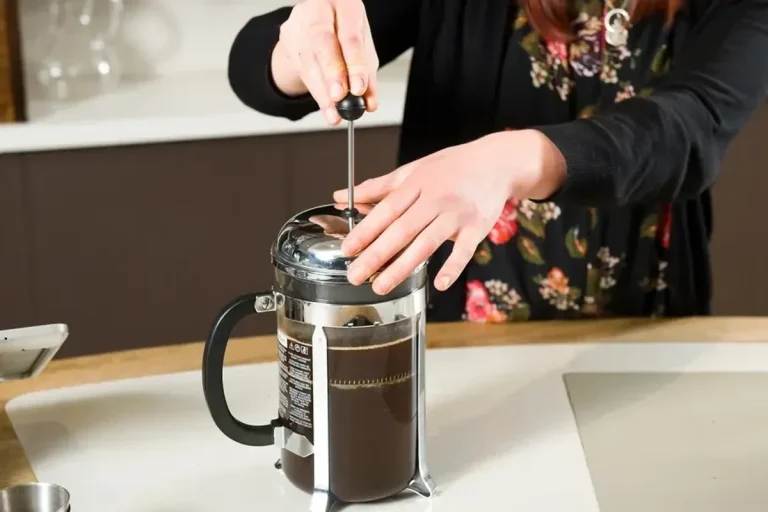
The French press uses a very direct method. You steep coffee in hot water, then push down a mesh plunger.
There’s no machine timer, no pod, and no special brew cycle. That makes it feel less fussy than many drip or espresso setups.
If you want a low-stress start, begin with a basic ratio and keep notes on taste.
It also helps that the process is easy to see. You can watch the water, the bloom, and the plunge.
Who usually finds it easy, and who may struggle at first
Beginners who like simple gear often do well with a French press. It also suits people who enjoy a fuller, richer cup.
People who want one-touch brewing may find it less convenient. It asks for a little measuring and a little timing.
It can also frustrate anyone who wants a very clean cup with no fine sediment. That’s normal for this style.
How a French Press Works in Plain English

A French press brews coffee by soaking grounds in hot water. Then a metal mesh filter pushes the grounds to the bottom.
That’s the whole idea. Simple parts, simple motion, simple cleanup.
The basic parts you need to know
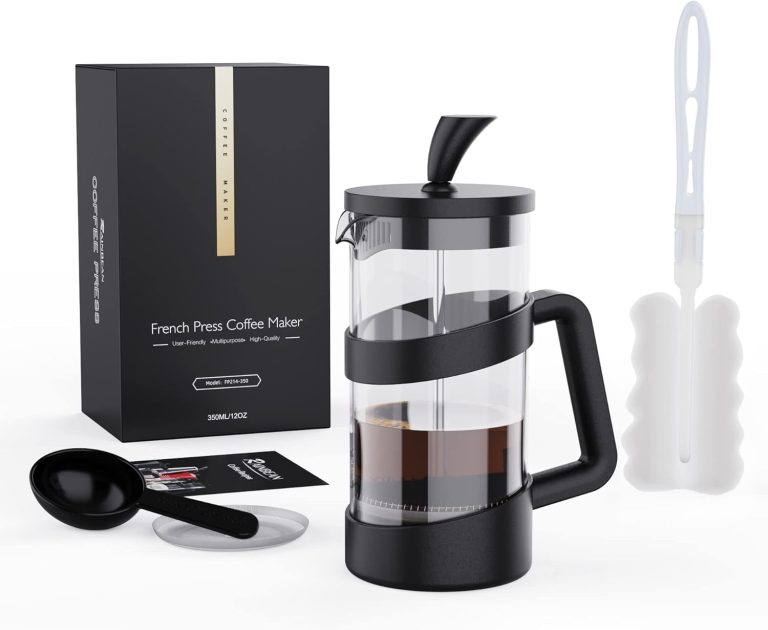
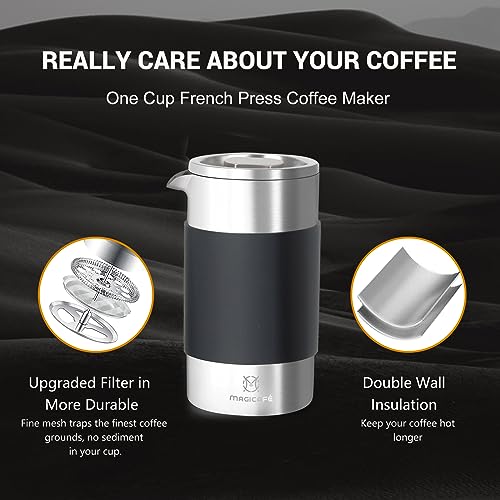
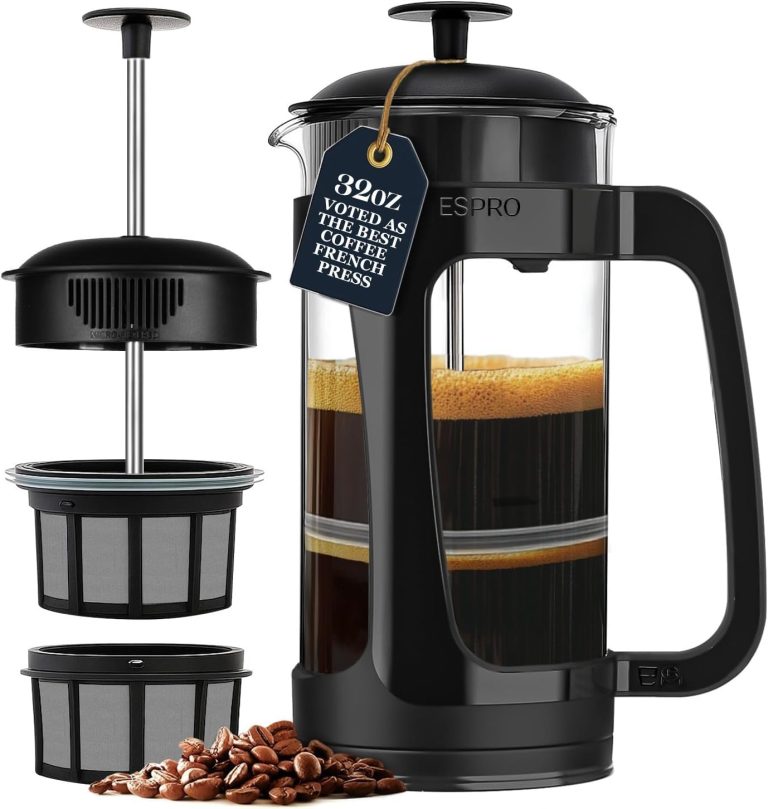
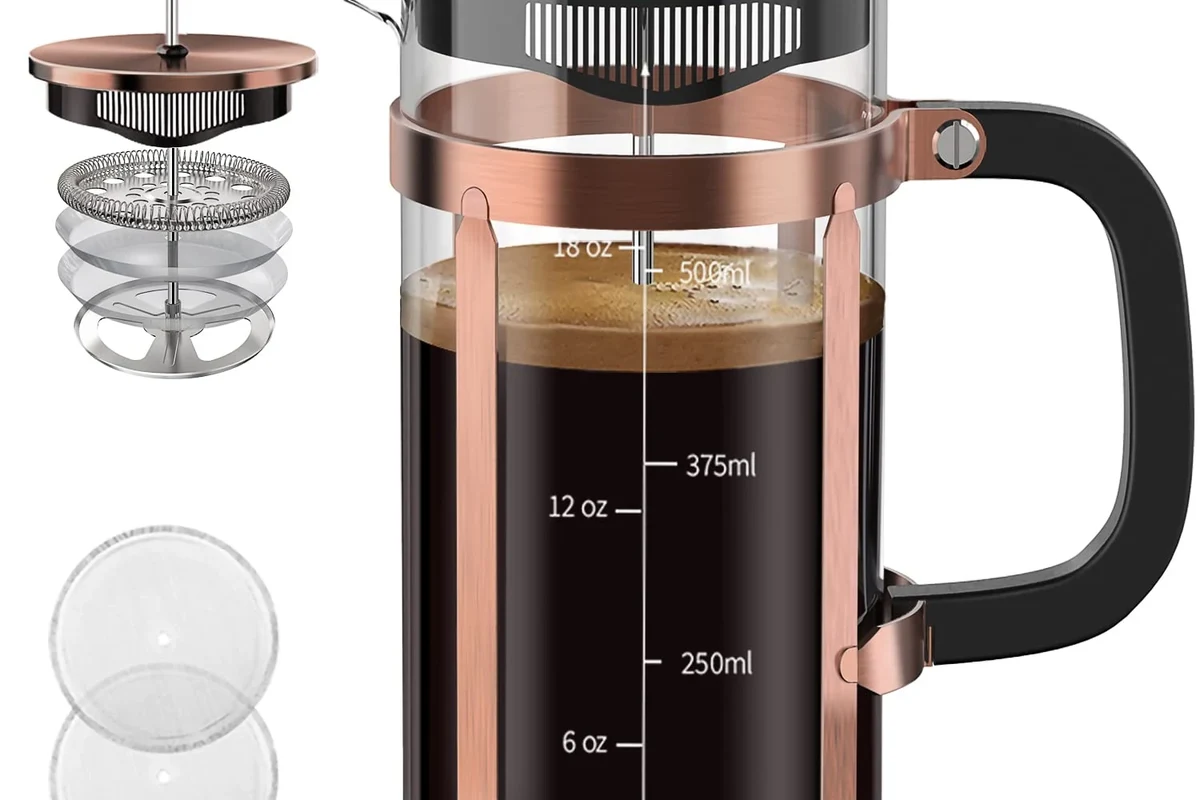
Most French presses have a carafe, a lid, a plunger, and a mesh filter. Some also include a second screen or a heat-safe handle.
The carafe may be glass, stainless steel, or another heat-safe material. The exact design varies by model.
Always check the product manual for the material, heat limits, and cleaning instructions.
The simple brew process from start to finish
Use the right amount of coarse-ground coffee.
Fill the press with water that is hot, not boiling hard.
Let the coffee steep, then give it a gentle stir if needed.
Lower the plunger slowly and serve right away.
The whole process usually takes only a few minutes. The exact timing depends on the recipe and the coffee you use.
What makes French press different from drip and pod coffee
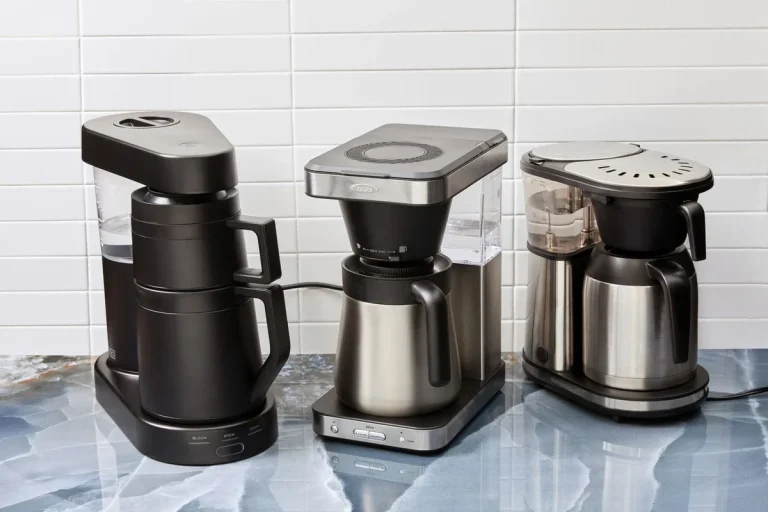
Drip coffee often uses a paper or metal filter and runs water through grounds more quickly. Pod machines use sealed cups and do most of the work for you.
A French press steeps the coffee directly in water. That gives you more body and more control, but it also asks for more care.
French press coffee often tastes fuller because the mesh filter lets more oils stay in the cup.
What You Need for a Good Cup
You do not need much gear to make French press coffee. Still, a few basics make the process easier and more consistent.
Best grind size for French press coffee
Coarse grind is usually best for French press coffee. Think of the texture of sea salt, not table salt.
If the grind is too fine, the coffee can taste bitter and muddy. It can also make pressing harder.
Water temperature and brew time basics
Hot water works best, but boiling water can be too harsh. Many coffee guides suggest water just off the boil.
Brew time often lands around a few minutes, but the right time varies by recipe and taste. A shorter steep can taste lighter. A longer steep can taste stronger, but it may also turn bitter.
Helpful tools that make brewing easier
Coarse coffee grinder
Kitchen scale or spoon
Timer
Hot water kettle
A scale helps if you want repeatable results. A timer helps you avoid guessing.
If you don’t own those tools, you can still make good coffee. You just may need more trial and error.
Benefits and Limits of French Press Coffee Makers
The French press has a loyal fan base for good reasons. But it also has a few trade-offs.
Main reasons people love French press brewing
- Simple setup with few moving parts
- Rich, full coffee flavor
- No paper filters needed
- Good control over strength and steep time
Many people like the hands-on feel. It gives you a more direct role in the brew.
It can also be a nice fit for small kitchens. You do not need a bulky machine on the counter.
Common drawbacks to keep in mind
- Easy to learn
- Low-tech and portable
- Often budget friendly
- Can leave sediment in the cup
- Needs manual cleanup
- Can taste bitter if oversteeped
Cleanup is the biggest downside for many people. You have to remove wet grounds and wash the parts by hand.
Some models are easier to clean than others. Your experience depends on the design and materials.
How taste, texture, and cleanup affect the experience
French press coffee tends to feel heavier and more textured. If you like a smooth, filtered cup, that may not be your favorite style.
Cleanup also shapes how easy the brewer feels. A quick rinse is simple, but stuck grounds can take a little extra work.
Common Mistakes That Make French Press Brewing Harder
Most French press problems come from a few easy-to-fix mistakes. Once you know them, the method gets much easier.
Using the wrong grind size
This is one of the most common mistakes. Fine grounds can slip through the mesh and make the cup gritty.
They can also make the press harder to push. Coarse grounds usually solve both problems.
The coffee tastes bitter or feels muddy.
Use a coarser grind and check that your grinder setting matches French press brewing.
Steeping too long or too short
If you steep too long, the coffee can taste harsh. If you steep too short, it may taste weak.
Start with a simple brew time from a trusted recipe or your manual. Then adjust in small steps.
Pressing too fast or too hard
The plunger should move slowly and with light pressure. Forcing it down can stir up grounds and make the cup cloudy.
It should not feel like a workout. If it does, something is off with the grind or the filter.
Skipping the coffee-to-water ratio
Eyeballing everything can work, but it often leads to weak or strong coffee. A measured ratio gives better results.
Once you find a ratio you like, the rest gets much easier. You can repeat it every morning.
Safety, Cleaning, and Maintenance Tips
French press use is simple, but hot water and glass still need care. A few habits can prevent messes and injuries.
How to avoid burns and glass breakage
Use care with hot water, hot glass, and metal parts. If your press is cracked, chipped, or loose, stop using it.
Set the press on a stable, dry surface before you pour. Hold the handle firmly when you press.
If your model uses glass, avoid sudden temperature changes unless the manual says it is safe. That helps lower break risk.
Easy daily cleaning steps
Empty the grounds, rinse the parts, and wash with mild soap.
Check the filter, plunger, and seal for buildup or wear.
Do a deeper clean if oils or fine grounds start to collect.
Do not leave wet grounds sitting in the carafe for long. They can stain and smell stale.
Deep cleaning and care for long-term use
Some presses need a full part-by-part wash now and then. Others only need a stronger soak to remove coffee oils.
Follow the manual for any dishwasher guidance. Not every press or filter set is dishwasher safe.
Follow the appliance manual and stop using damaged equipment.
Is a French Press Worth It for Your Kitchen?
For many people, yes. A French press is easy to use, low cost in setup, and flexible enough for daily coffee.
Still, it is not the best fit for everyone. Your habits matter more than the brewer itself.
Best for beginners, budget shoppers, and coffee lovers
Best for small kitchens and simple morning routines.
Best if you want several cups without a machine.
It’s a strong pick if you want a simple, hands-on brew method. It also works well if you enjoy rich flavor and do not mind a little cleanup.
French Press Coffee Maker
A French press is a smart choice for people who want simple brewing and fuller coffee flavor. The main limits are sediment, manual cleanup, and some practice with grind size and timing.
When another brewing method may be a better fit
Choose another method if you want the cleanest possible cup with almost no grit. A drip machine or a pod brewer may suit that need better.
If you want one-button ease, a French press may feel too hands-on. If you want espresso drinks, you’ll need a different tool.
Cost, value, and final recommendation
French press coffee makers usually offer strong value because they are simple and durable in many cases. The exact value depends on the material, build quality, and how easy the parts are to clean.
My editorial take is straightforward. If you want a low-fuss brewer and like rich coffee, a French press is easy enough for most kitchens.
A French press is easy to use, especially if you keep the grind coarse and the steps simple. It’s a great fit for beginners and coffee lovers who want control, but a drip or pod machine may be easier if you want the least hands-on work.
Frequently Asked Questions
A coarse grind usually works best. Fine grounds can make the coffee bitter, muddy, or hard to press.
Brew time varies by recipe and taste, but a few minutes is common. Start with a trusted method, then adjust a little at a time.
Gritty coffee often comes from a grind that is too fine or a filter that is not catching enough sediment. Try a coarser grind and check the mesh parts for wear.
Empty the grounds right after brewing, rinse the parts, and wash with mild soap. Check the manual before putting any parts in the dishwasher.
It depends on what you want. French press gives a fuller cup and more control, while drip coffee is often easier and cleaner to make.
Check capacity, material, cleaning needs, and whether the parts are dishwasher safe. Also review the manual, warranty, and safety notes for the exact model.