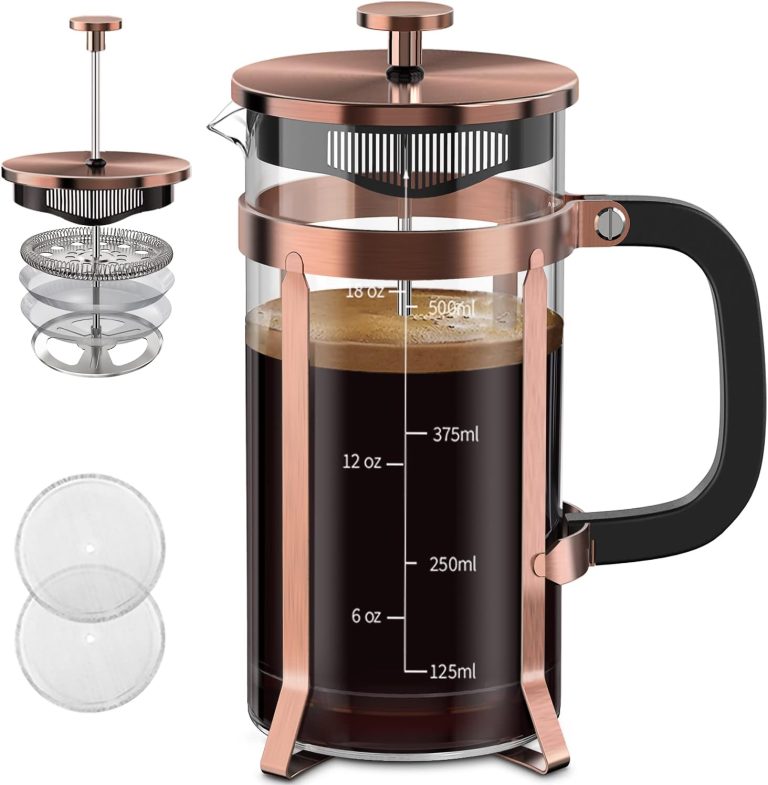
Why French Press Coffee Tastes Better and How to Brew It

French press coffee tastes richer because it keeps more oils and fine grounds in the cup. Use a coarse grind, good water, and a gentle press for the best flavor.
French press coffee tastes better to many people because it keeps more of the coffee’s natural oils and body. It also gives you more control over strength, taste, and brew time. If you want a cup that feels rich, bold, and full, the French press is a great place to start.
- Richer taste: French press keeps more oils, which adds body and flavor.
- Best grind: Use a coarse grind to avoid bitterness and sludge.
- Simple method: Steep, press slowly, and pour right away.
- Cleanup matters: Old coffee oils can make fresh coffee taste stale.
Why French Press Coffee Tastes Better: The Short Answer
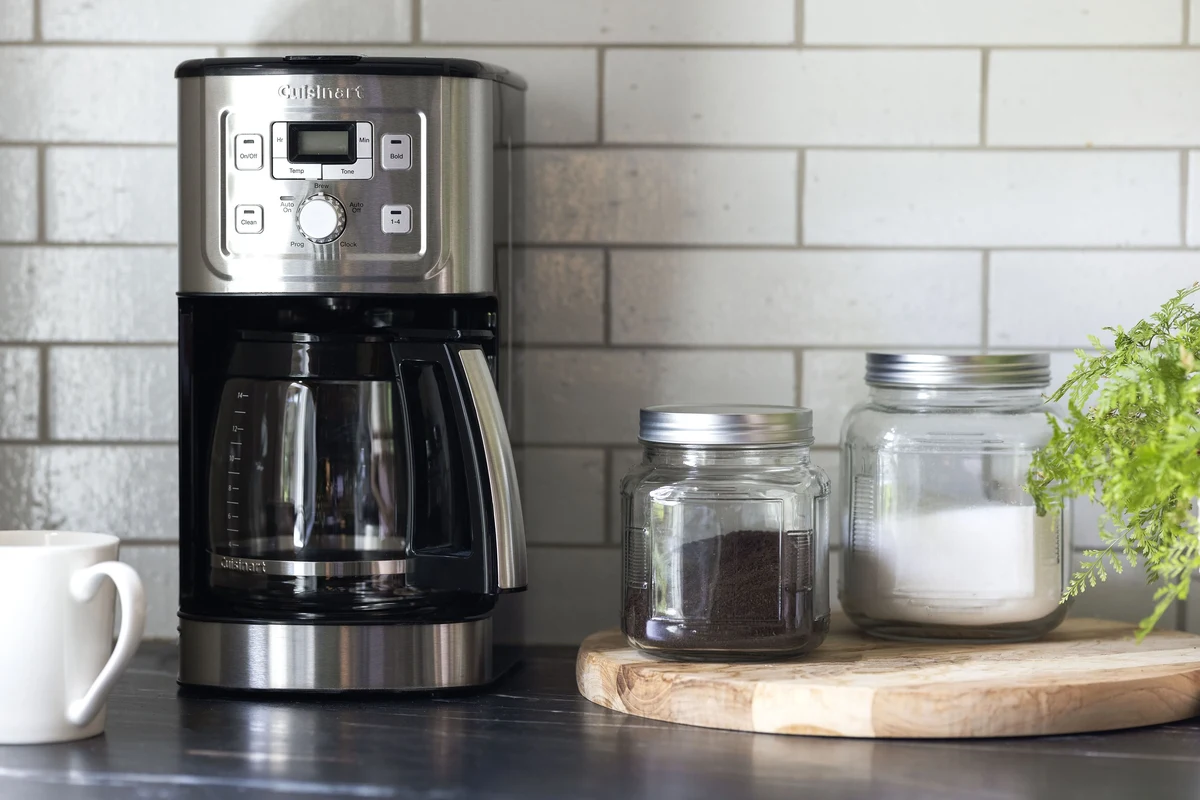
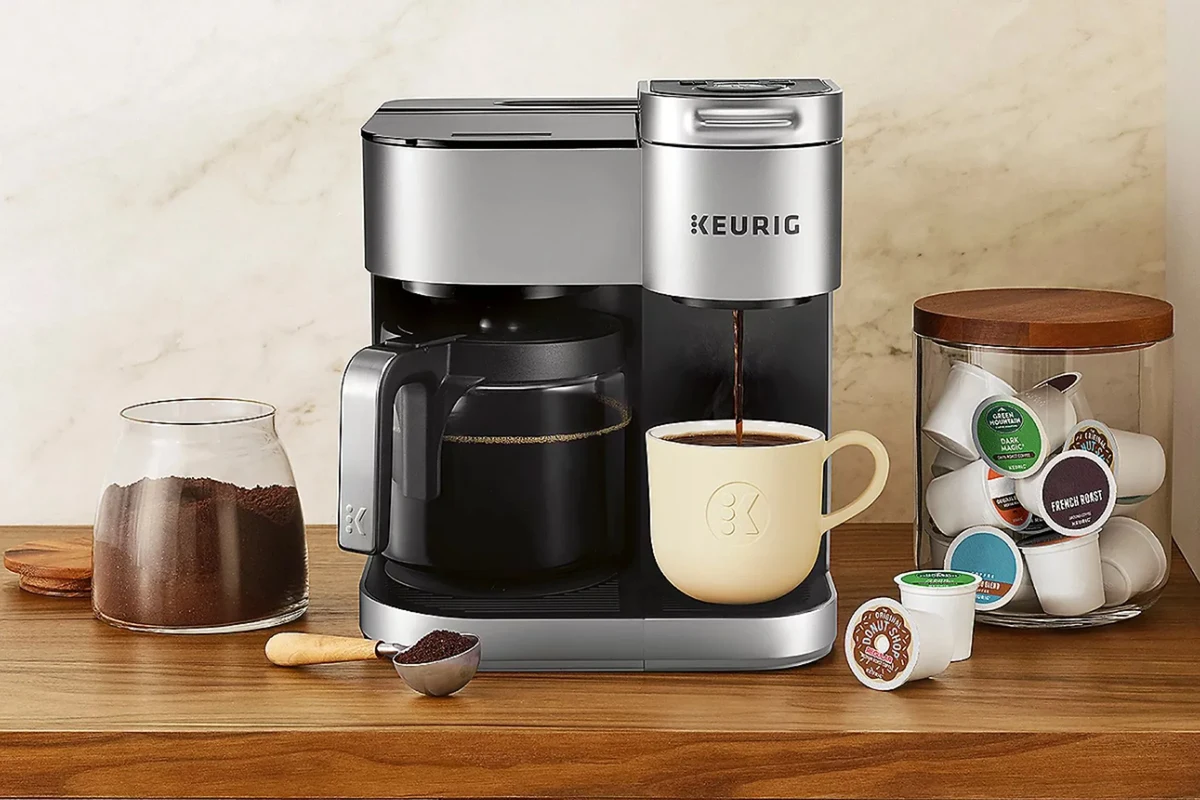
The short answer is simple. French press coffee often tastes fuller because it uses immersion brewing and a metal filter. That combo lets more flavor oils stay in the cup.
It also gives you a heavier mouthfeel than many drip brewers. For a lot of coffee drinkers, that makes the cup feel more “real” and less thin.
What makes the flavor richer and fuller
French press coffee keeps more of the coffee’s natural oils. Those oils carry aroma and flavor. They help the coffee taste round, smooth, and deep.
The brew also includes more tiny coffee particles than paper-filtered methods. That can add body. It can also make the cup taste a little stronger.
Paper filters trap more oils. Metal filters let more of them pass into the cup.
Why many coffee drinkers prefer it over drip coffee
Drip coffee can taste cleaner and lighter. French press coffee often tastes bolder and more textured. That difference matters if you like a cup with more weight.
Many people also like the simple setup. You don’t need a machine with many parts. You just need hot water, coffee, and a press.
How a French Press Works and Why It Changes the Taste
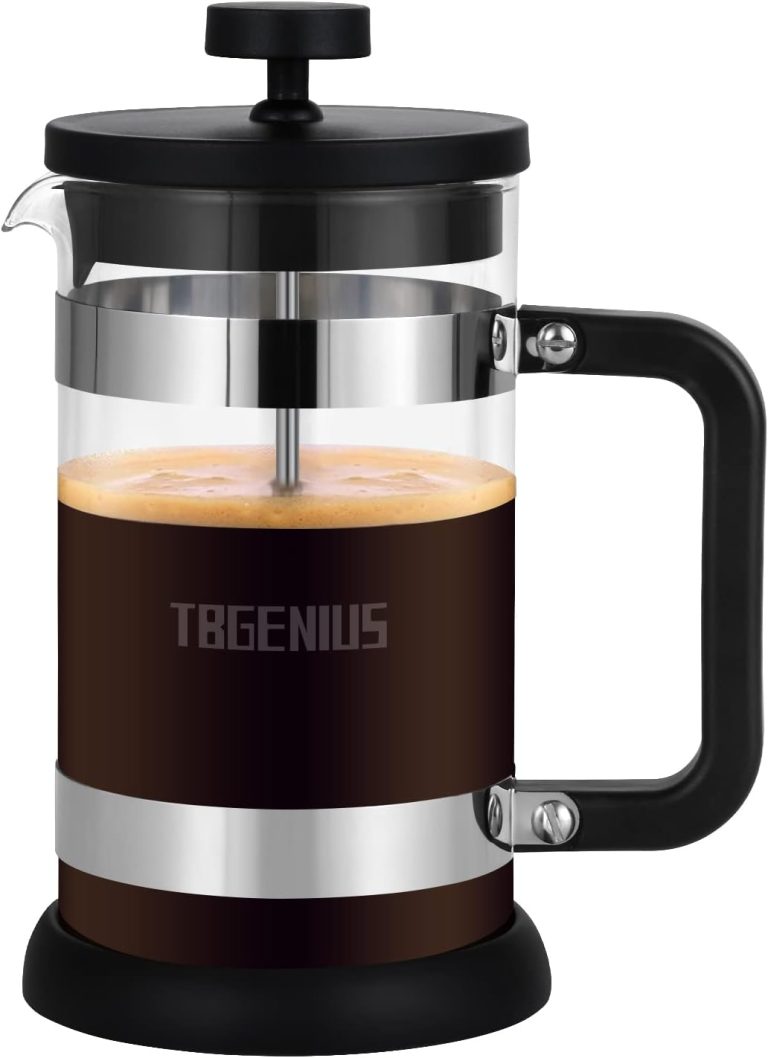
A French press works by steeping coffee grounds in hot water. The grounds sit in the water for several minutes. Then you press the filter down and pour.
This method changes taste because the coffee and water stay in contact the whole time. That gives the water more time to pull out flavor compounds.
Immersion brewing explained in simple terms
Immersion brewing means the grounds soak in water instead of sitting under dripping water. Think of it like tea, but with coffee. The water works through the grounds from all sides.
That even contact can create a strong, balanced cup. It also makes the method forgiving. Small changes in pouring are less important than with some other brew styles.
How metal filters let more oils and fine grounds through
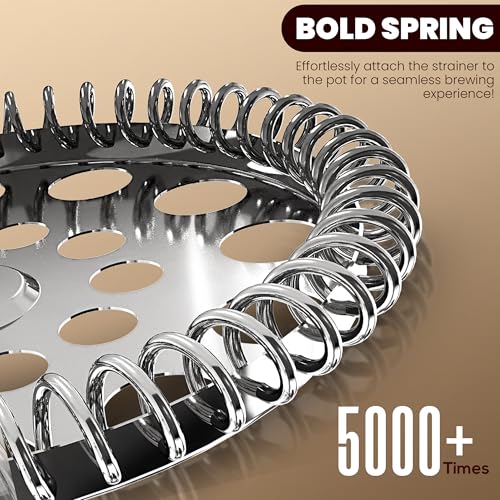
Most French presses use a metal mesh filter. It stops the larger grounds, but not all the oils or tiny particles. That changes both taste and texture.
Paper filters remove more of those fine bits. That gives a cleaner cup. The French press gives a fuller one.
The exact amount of sediment depends on the grinder, the press design, and how slowly you pour.
How steep time affects strength and body
Steep time has a big effect on taste. A short steep can taste weak or sour. A long steep can taste bitter or muddy.
Most home brewers land in the middle. That gives enough time for full flavor without pulling too much harshness.
Best Coffee Beans, Grind Size, and Water for French Press
Great French press coffee starts before brewing. Bean choice, grind size, and water quality all matter. If one of them is off, the cup can taste flat or harsh.
Which roast levels work best
Medium and dark roasts often work well in a French press. They tend to bring out chocolate, nut, and caramel notes. Those flavors fit the rich style of this brew.
Light roasts can also work. They usually taste brighter and more acidic. That may be a good fit if you like lively coffee.
Why coarse grind matters
A coarse grind helps the coffee brew evenly. It also reduces sludge in the cup. Fine grounds can overextract fast and make the coffee bitter.
Coarse grounds also press down more cleanly. If the grind is too fine, the mesh filter can clog. That makes pouring harder and the cup messier.
- Use a burr grinder for a more even grind.
- Keep the grind similar to sea salt.
- Grind right before brewing for fresher flavor.
Water temperature and quality tips
Hot water matters, but boiling water can be too harsh. Very hot water can pull out bitter notes faster. Slightly cooler water often gives a smoother result.
Clean water also matters. If your tap water tastes off, your coffee may too. Filtered water can help the coffee taste clearer.
Use care with hot water and hot glass. Follow the press manual and keep hands clear when pouring.
Step-by-Step French Press Brewing Guide
French press brewing is easy once you know the basic steps. The method is simple, but small details can improve the cup a lot. The goal is steady heat, even soaking, and a gentle press.
What you need before you start
You do not need fancy gear. A good grinder helps, but you can still make a solid cup with pre-ground coffee made for French press.
How much coffee and water to use
Start with a simple ratio. Many people use about one to two tablespoons of coffee for every six ounces of water. You can adjust from there.
If you want a stronger cup, use more coffee. If you want a lighter cup, use less. Small changes matter more than people think.
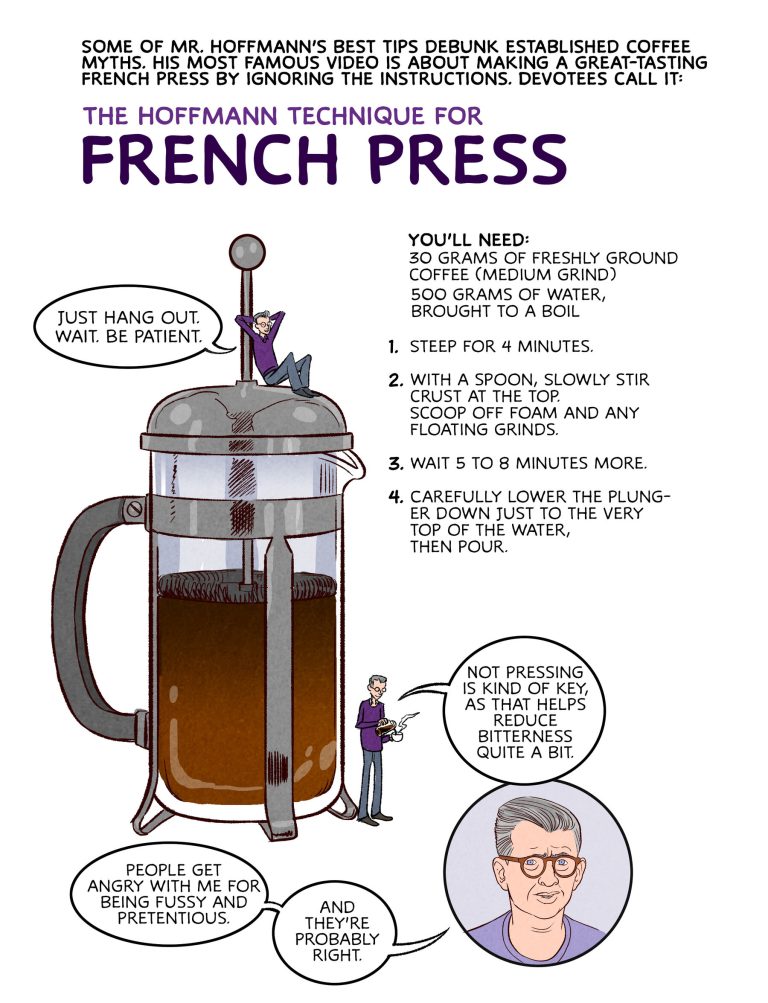
Brewing time, pressing, and pouring
Use a coarse grind and level the grounds if needed.
Wet all the grounds, then give a gentle stir.
Wait several minutes so the flavor can fully develop.
Push the plunger down with steady, light pressure.
Move the coffee to cups or a carafe so it does not keep brewing.
That last step matters. If coffee stays in the press too long, it can keep extracting and taste bitter.
Common French Press Mistakes That Hurt Flavor
Most bad French press coffee comes from a few simple mistakes. The good news is that these are easy to fix. Once you know them, your cup can improve fast.
Using the wrong grind size
Too-fine grounds can make the coffee muddy and bitter. They can also slip through the filter. That leaves grit at the bottom of the cup.
Too-coarse grounds can taste weak. The water may not pull enough flavor from them. A consistent coarse grind usually works best.
Brewing too long or too short
If you brew too briefly, the coffee may taste thin or sharp. If you brew too long, it can turn harsh. Timing helps keep the cup balanced.
Different beans may need small changes. Dark roasts and light roasts do not always behave the same way.
Pressing too hard or pouring too fast
Pressing hard does not improve extraction. It can stir up fine grounds and make the cup cloudy. A slow, gentle press is better.
Pouring too fast can also disturb the sediment. That can send more grit into your mug. A calm pour gives you a cleaner sip.
- Use a slow press and steady pour.
- Adjust one variable at a time.
- Pour the coffee out soon after brewing.
- Do not use espresso-fine grounds.
- Do not leave coffee sitting in the press.
- Do not force the plunger down.
Benefits and Limits of French Press Coffee
French press coffee has a lot going for it. It is rich, simple, and easy to learn. Still, it is not the best choice for every drinker.
Who will love this style most
This style works well for people who like bold flavor. It also suits home brewers who want a simple method with little gear. If you enjoy a heavier cup, this may be your match.
It is also a good choice for relaxed mornings. You can make coffee without a machine full of settings.
When French press may not be the best choice
If you want a very clean, crisp cup, you may prefer pour-over. If you dislike any sediment, French press may feel too heavy. It is not the lightest style.
It also needs a little cleanup. That may matter if you want the fastest possible routine.
How it compares with drip, pour-over, and espresso
| Option | Best For | Key Consideration |
|---|---|---|
| French press | Rich body and simple brewing | More sediment and a heavier cup |
| Drip coffee | Easy daily batches | Cleaner cup, often lighter body |
| Pour-over | Bright, clean flavor | Needs more pouring control |
| Espresso | Very strong shots and milk drinks | Needs more skill and more equipment |
If you want the richest cup with the least fuss, French press is hard to beat. If you want the cleanest cup, pour-over may suit you better.
Cleaning, Maintenance, and Safety Tips
Good cleanup keeps French press coffee tasting fresh. It also helps the press last longer. Old coffee oils can build up fast if you skip cleaning.
How to clean the press after each use
Dump the grounds, rinse the carafe, and wash the filter parts well.
Take apart the filter pieces if your model allows it, then clean them fully.
Check for wear, trapped oils, and loose parts that may affect taste.
Some presses have parts that come apart more easily than others. Always follow the manual for your model.
How to avoid broken glass and burns
Glass presses can crack if they take a hard hit or sudden temperature change. Be gentle when rinsing and setting them down. Keep them away from the edge of the counter.
Hot water and hot coffee can burn skin fast. Use a stable surface and handle the press with care. If the glass is chipped or cracked, stop using it.
Stop using any press with broken glass, loose parts, or a damaged plunger.
How to keep old oils from ruining taste
Coffee oils cling to the mesh and lid. If they build up, they can make fresh coffee taste stale. Regular washing helps prevent that.
For stubborn buildup, use warm soapy water and a soft brush if the manual allows it. Rinse well so no soap taste remains.
Final Verdict: Is French Press Coffee Worth It in 2026?
Yes, French press coffee is still worth it in 2026 for many home brewers. It gives you rich flavor, a full body, and a simple routine. That makes it one of the best low-tech coffee methods you can use at home.
Best use cases for home brewers
French press is best if you want bold coffee without a machine. It also works well if you like to control strength by changing the coffee amount. For many kitchens, that balance is ideal.
Value, ease, and flavor trade-offs
The value is strong because the method is simple. The trade-off is sediment and a bit more cleanup. You also need to pay attention to grind size and brew time.
Clear recommendation for Red Kitchen Project readers
If you want the richest everyday cup with a simple setup, choose French press. If you want a cleaner cup with less sediment, drip or pour-over may fit better. For most people who love bold coffee, French press is absolutely worth trying.
- French press tastes fuller because it keeps more oils in the cup.
- Coarse grind, good water, and steady timing matter most.
- Clean the press often to keep flavor fresh.
- Choose it for rich coffee and simple brewing.
Frequently Asked Questions
French press coffee keeps more oils and tiny coffee particles in the cup. That gives it a fuller body and a bolder taste than many drip brews.
A coarse grind works best for French press. Fine grounds can make the coffee bitter, muddy, and harder to press.
Use hot water, but avoid a hard boil if you can. Slightly cooler than boiling water often gives a smoother cup.
Most home brewers steep French press coffee for several minutes. Too short can taste weak, while too long can taste bitter.
Dump the grounds, rinse the parts, and wash the filter pieces well. Regular cleaning helps prevent old oils from making fresh coffee taste stale.
It depends on what you like. French press is best for rich body and simple brewing, while pour-over is cleaner and espresso is much stronger.