

Because it preserves coffee oils and offers fuller flavor, simple control, and less waste.
I’ve brewed hundreds of French press pots for friends and small events, so I know why french press coffee is better. This method gives you clear control of grind, steep time, and strength. It keeps oils that carry flavor. It keeps things simple at home or on the road. Read on for practical tips, comparisons, and easy steps to get the best cup every time.
:max_bytes(150000):strip_icc()/Web_1500-SpruceEats_GROUPSHOTFrenchPress_VictorProtasio_00988-fc0f93559f61434c86ea6f20809629b4.jpg)
How the French press works and why it matters
The French press is a simple device. You add coarse coffee, hot water, steep, then press a metal filter down. This lets natural oils and fine particles stay in the brew. Those oils hold much of what we taste as body and flavor. That is one reason why french press coffee is better for people who like a rich cup.
The metal filter also allows more contact between water and coffee than paper filters do. That extra contact yields fuller mouthfeel. It also gives more control over extraction by letting you set steep time and grind size.
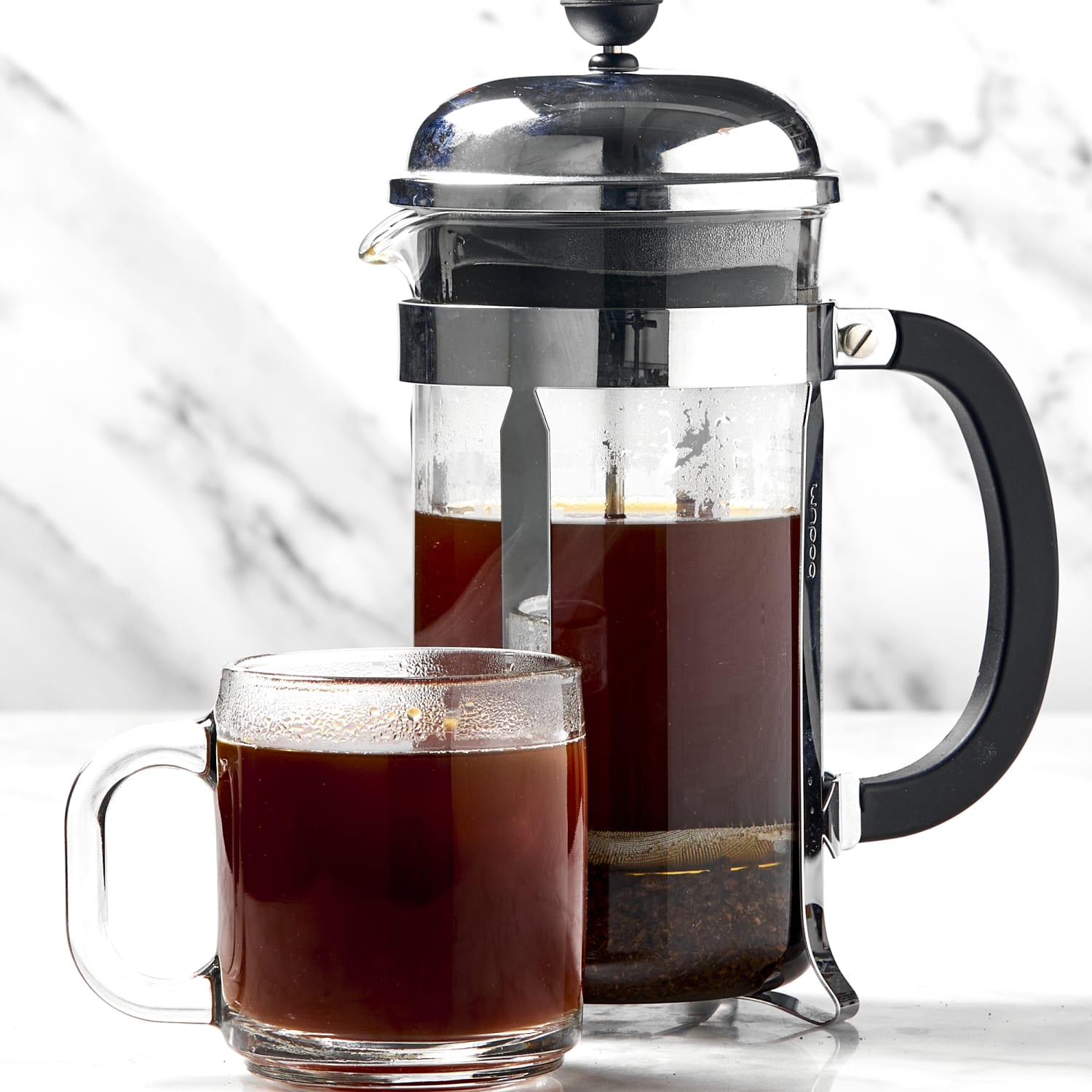
Key benefits: why french press coffee is better for flavor and control
Here are the main reasons many people prefer French press:
-
Fuller flavor and body
The press keeps volatile oils and micro-particles in the cup. This boosts richness and depth. -
Simple, hands-on control
You control grind, water temp, and steep time. You can tweak each cup easily. -
Cleaner equipment and less waste
No paper filters to buy or throw away. Spent grounds can be composted. -
Affordable and durable
A good French press is inexpensive and lasts years with basic care. -
Portable and consistent
It works in small kitchens, at work, or while camping. The method scales well.
All these points explain why french press coffee is better for many home brewers who value taste and control.
:max_bytes(150000):strip_icc()/Simply-Recipes-French-Press-Coffee-METHOD-07-e61f9c9136b94f3389522ec2f52892a5.jpg)
Taste, health notes, and trade-offs
The French press produces a bold cup with more body. That makes espresso lovers and many coffee fans very happy. But there are trade-offs to know.
-
Higher oil and cafestol content
The metal filter allows oils that paper filters trap. Some compounds can raise LDL cholesterol in sensitive people. Moderation or alternating brew methods can help. -
Sediment and texture
You may get some fine sediment in the cup. If you dislike grit, try a coarser grind or decant the coffee into another pot before serving. -
Flavor clarity vs fullness
You trade a glass-clean clarity for a thicker mouthfeel. For many people, that trade is why french press coffee is better.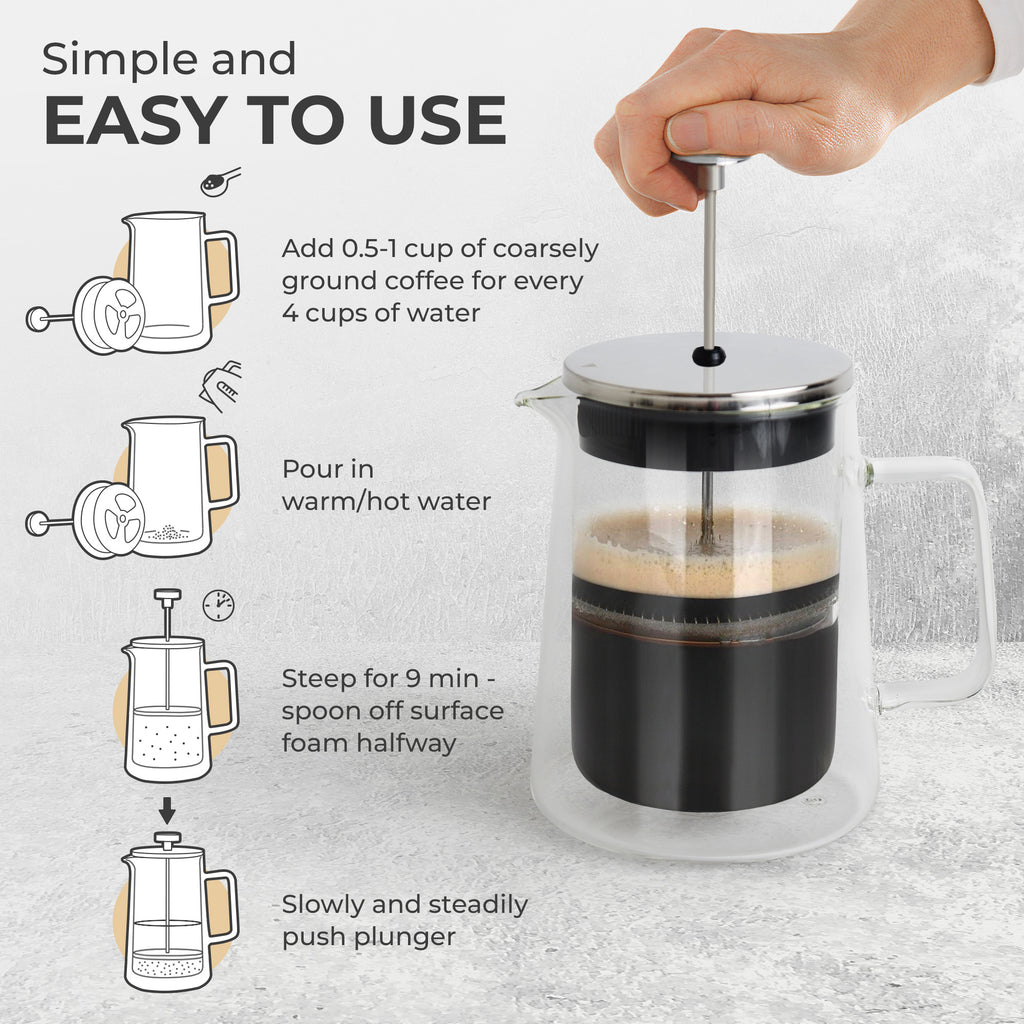
Source: kaffeproducts.com
Step-by-step: how to brew the best French press cup
Follow this simple, repeatable process to taste the advantage of a French press.
- Heat water to about 200°F (just off boil).
- Use a coarse, even grind. Aim for texture like coarse sea salt.
- Ratio: start with 1:15 coffee to water by weight (for example, 20 g coffee to 300 g water).
- Add coffee to the carafe, pour half the water to bloom for 30 seconds, then add the rest.
- Stir gently, place the lid top but keep the plunger up. Steep for 4 minutes.
- Press the plunger down slowly and evenly. Serve immediately or pour into a thermal carafe.
Small tweaks improve results. Try 3.5 to 5 minutes to match your taste. Adjust grind if the coffee is too bitter or thin. These steps show why french press coffee is better: you can tune each variable to your taste.
:max_bytes(150000):strip_icc()/Web_1500-SeriousEats_GROUPSHOTFrenchPress_VictorProtasio_00989-016e9b96c28f47ccaf4a4bd565fd79c7.jpg)
Common mistakes and how to avoid them
Avoid these errors that blur the advantage of a French press.
-
Using too-fine grind
This gives over-extraction and lots of sediment. Use coarse grind. -
Water too hot
Boiling water scorches coffee. Let it cool 20–30 seconds after boiling. -
Over-steeping
Leave it too long and it gets bitter. Use a timer. -
Not preheating the carafe
A cold carafe lowers brew temperature. Rinse it with hot water first. -
Skipping cleanup
Old oils make coffee taste stale. Clean the carafe and filter regularly.
Fix these and you’ll understand why french press coffee is better for everyday brewing.
:max_bytes(150000):strip_icc()/faw-bodum-chambord-french-press-34oz-rkilgore-325-328cccc970f04514b98d493e538feb75.jpeg)
French press vs other brew methods
A quick look at how the French press stacks up.
-
French press vs drip coffee
French press has more body and oils. Drip is cleaner and lower in certain oils. -
French press vs espresso
Espresso is intense, highly concentrated, and needs equipment and pressure. French press gives a rich cup without pressure. -
French press vs AeroPress
AeroPress is fast and versatile with clearer cups. French press offers thicker texture and simpler gear.
Choosing depends on taste and routine. For richer, hands-on cups, many say why french press coffee is better.

Personal experience and practical tips from my kitchen
I learned a lot by brewing for friends and small events. Here are honest tips that helped me.
-
Use a scale and timer
Consistency made the biggest difference for me. I stopped guessing and started weighing. -
Preheat everything
A warm carafe and warmed cups kept flavor steady. -
Clean after every use
I once let old oils build up. The coffee turned flat until I cleaned the mesh and carafe well. -
Try single-origin beans and medium roast
They show nuance in a press. I loved discovering floral or chocolate notes this way.
These simple habits explain in practice why french press coffee is better for people who care about flavor and control.
Frequently Asked Questions about why french press coffee is better
Is French press stronger than drip coffee?
French press often tastes stronger due to full oils and more fines in the cup. Strength can be adjusted with grind and ratio.
Does French press coffee have more caffeine?
Caffeine level depends on dose and brew time. With the same coffee and ratio, French press and drip give similar caffeine.
Will French press coffee raise my cholesterol?
The press allows cafestol to remain in the cup, which can raise LDL in some people. Drinking moderately or using paper filters sometimes can reduce exposure.
How do I reduce sediment in a French press?
Use a coarser grind, press slowly, and pour carefully. Decanting into another pot can also reduce grit.
Can I use a French press for tea or cold brew?
Yes. It makes great loose-leaf tea and works well for cold brew with long steep times. Clean the press between uses to avoid flavor transfer.
Conclusion
The French press wins fans because it preserves oils, gives full flavor, and puts control in your hands. It’s simple to learn, easy to tune, and eco-friendly compared with paper filters. Try the step-by-step brew, adjust grind and time, and you’ll taste why french press coffee is better for your cup. Give it a week of consistent brewing, and then decide what you like best. Share your results, subscribe for more tips, or leave a comment about your favorite press method.