Why French Press Coffee Is the Best Choice for Coffee Lovers

French press coffee is often the best choice for people who want rich flavor and simple brewing. It also gives you more control than many basic coffee makers.
French press coffee stands out because it makes a rich, full cup with very little gear. It gives you more control than many drip brewers, yet it stays simple enough for daily use at home.
If you want bold flavor, easy setup, and a low-cost brewing method, French press is hard to beat. It is not perfect for everyone, but for many coffee lovers, it offers the best mix of taste, control, and value.
- Rich flavor: French press keeps more oils in the cup.
- Easy control: You can adjust strength with grind and steep time.
- Simple setup: It needs only coffee, hot water, and a press.
- Know the limits: Expect some sediment and a little more attention.
Why French Press Coffee Is the Best Choice for Coffee Lovers
French press coffee earns its strong following for a simple reason. It brings out a deep coffee taste without much fuss.
Instead of paper filters, it uses a metal mesh screen. That lets more coffee oils and fine particles stay in the cup. Many drinkers like that heavier body and round flavor.
It also gives you a hands-on brew. You choose the grind, water temp, steep time, and strength. That makes it easy to adjust the cup to your taste.
What French Press Coffee Is and How It Works
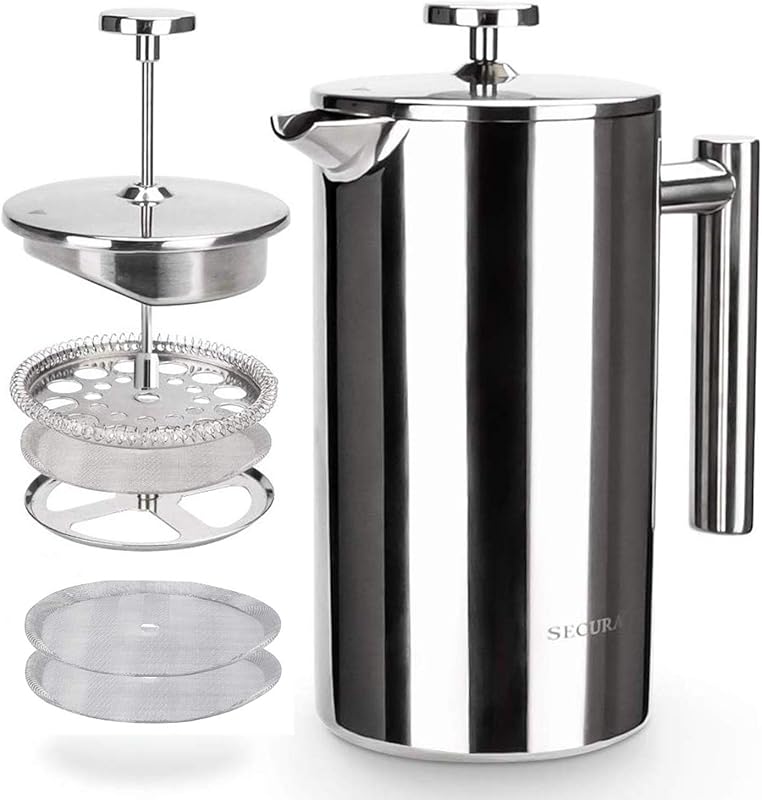
A French press is a manual coffee maker with a cylindrical carafe and a plunger. You add ground coffee, pour in hot water, wait, then press the filter down.
The process is easy to learn. It also works with many bean types and roast levels, which makes it a flexible choice.
The basic brewing method
You place coarse coffee grounds in the press. Then you add hot water and let the coffee steep for a few minutes.
After steeping, you slowly push the plunger down. The mesh filter separates most of the grounds from the liquid, so you can pour and drink.
Why this method changes flavor
French press brewing keeps more natural coffee oils in the cup. Those oils add body and make the drink feel fuller.
Because the coffee steeps in water, the flavor can also taste deeper and more direct. The trade-off is a bit more sediment than you get with paper filters.
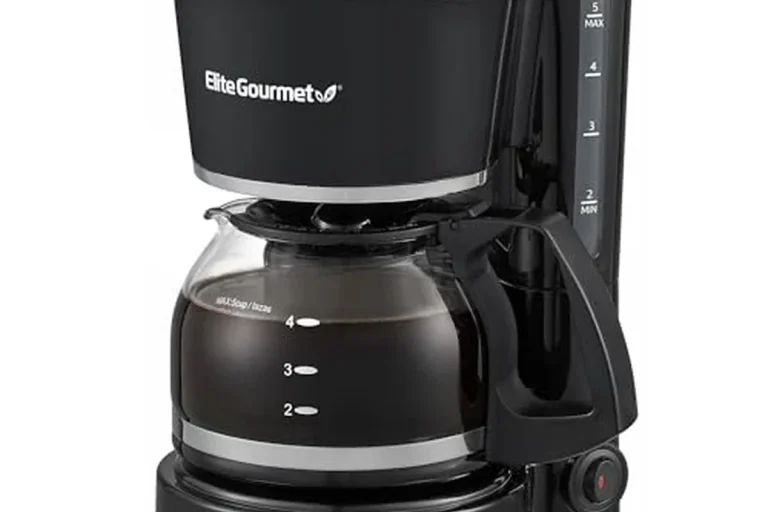
Paper filters catch more oils, which can make coffee taste cleaner and lighter.
Why Many Coffee Drinkers Prefer French Press
People keep coming back to French press because it feels personal and rewarding. It lets you shape the cup without needing a fancy machine.
That matters at home, where simple tools often win. You can make a strong morning cup or a softer afternoon brew with the same press.
Full body and rich taste
French press coffee often tastes heavier than drip coffee. That fuller feel appeals to people who like dark chocolate notes, spice, and a smooth finish.
It can also bring out more of the bean’s natural character. If you buy good beans, you will usually notice the difference right away.
More control over strength
You can change the coffee-to-water ratio to make the brew stronger or lighter. You can also adjust steep time in small steps.
That control helps when one person likes bold coffee and another prefers a softer cup. It is a nice fit for households with different tastes.
- Start with a coarse grind for cleaner flavor.
- Use a timer so each brew stays consistent.
- Pour soon after pressing to avoid over-steeping.
Simple gear and easy setup
You do not need pods, paper filters, or a power cord. That keeps the process simple and makes the press useful in small kitchens.
It also travels well. A French press can work in a rental, office kitchen, or vacation stay with basic hot water access.
- Rich, full-bodied flavor
- Low-cost, low-tech brewing
- Easy to adjust strength
- More sediment than filtered coffee
- Requires some attention to timing
- Not ideal for very large groups
Key Specs That Matter When Choosing a French Press
Not every French press feels the same in daily use. The right one depends on material, filter design, and how much coffee you make.
These details affect heat, cleanup, and taste. They are worth checking before you buy.
Material options: glass, steel, and plastic
Glass presses let you see the brew and often look classic. They can be more fragile, so they need careful handling.
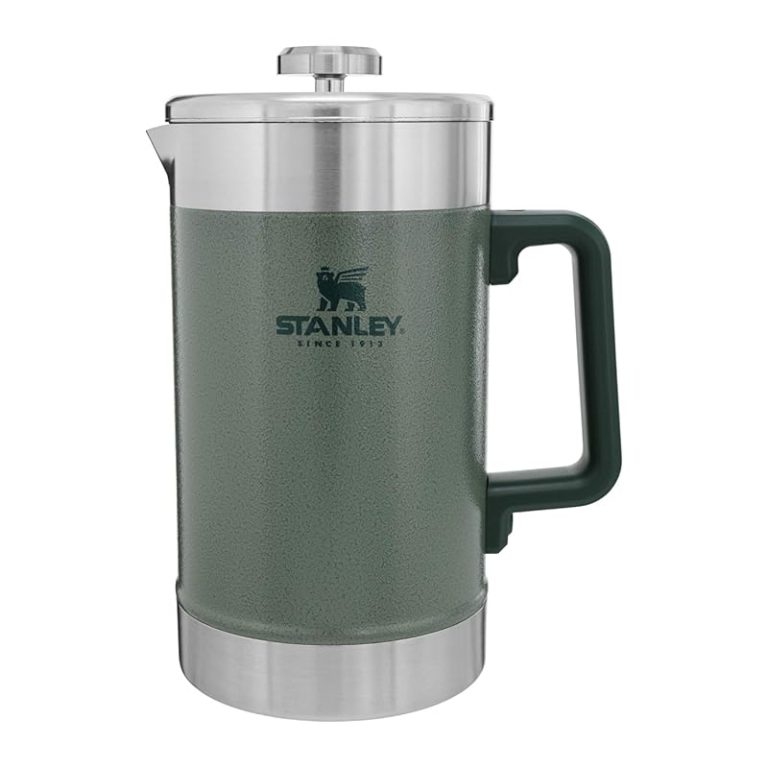
Stainless steel models usually hold heat better and feel sturdier. Plastic versions can be lighter and cheaper, but quality varies by model.
Filter quality and mesh design
The filter does a lot of work in a French press. A tighter mesh can reduce grit, though no press removes every fine particle.
Look for a filter that fits well and feels solid. A loose or flimsy screen can let more grounds slip through.
Size, brew time, and heat retention
Size matters because French press coffee tastes best when you brew only what you need. A press that is too large can make small batches less stable.
Heat retention also matters. Better insulation helps the coffee stay warm during steeping and serving.
- Check capacity and footprint
- Review filter quality and spare parts
- Read cleaning and safety notes in the manual
- Confirm warranty terms with the seller
How to Brew Better French Press Coffee at Home
Good French press coffee starts with a few simple habits. The method is easy, but small mistakes can change the taste a lot.
Once you learn the basics, you can make a more balanced cup every time.
Best grind size and water temperature
Use a coarse grind. Fine grounds can slip through the filter and make the coffee muddy.
Water should be hot, but not boiling hard. Very hot water can pull harsh flavors from the grounds.
Use care with boiling water and hot glass parts. Follow the product manual, and let the brew cool a bit before serving.
Step-by-step brewing process
Place coarse grounds in the empty press.
Add hot water evenly over the grounds.
Let the coffee sit for a few minutes.
Press slowly, then serve right away.
Common brewing mistakes to avoid
Do not use very fine grounds unless your press and recipe call for them. They can make the cup bitter and hard to pour.
Also avoid leaving coffee in the press after brewing. It keeps steeping and can turn harsh fast.
- Use coarse grounds for cleaner flavor
- Press slowly and steadily
- Pour soon after brewing
- Using boiling water without care
- Grinding too fine
- Letting the coffee sit too long
French Press Benefits and Limits
French press has clear strengths, but it also has limits. Knowing both helps you decide if it fits your routine.
That honest view matters more than hype. The best brewer is the one you will enjoy using often.
Where French press shines
It shines when flavor matters most. If you love a bold, full cup, French press gives you that with little setup.
It also shines for people who want a manual method. There is no machine to program and no pod system to manage.
Where it falls short
French press is not the cleanest cup. Some sediment is normal, and that can bother people who prefer a very clear brew.
It also takes more attention than a push-button machine. You need to watch time and pour promptly.
Who it works best for
French press works best for home coffee drinkers who value taste and control. It is a smart pick for singles, couples, and small households.
It is also a good match for people who enjoy the brewing ritual. If you like a hands-on cup, this method feels satisfying.
You want bold flavor and simple tools
French press gives you a rich cup with very little setup.
You want the cleanest, lightest cup
A paper-filter brewer may suit you better.
Cleaning, Safety, and Maintenance Tips
French press care is simple, but it should not be rushed. Clean parts help flavor stay fresh and keep the brewer working well.
Safety matters too, especially with hot water and glass. A little care goes a long way.
How to clean the press the right way
Empty the grounds after brewing. Then rinse the carafe, plunger, and filter parts with warm water.
Check the mesh for trapped coffee oils and fine grounds. Many models also need deeper washing from time to time, based on the manual.
Rinse all parts and remove grounds right away.
Inspect the mesh, seals, and plunger fit for wear.
Safety tips for hot water and glass parts
Set the press on a stable surface before pouring. Keep fingers away from hot glass and metal parts.
If the carafe is cracked, chipped, or loose, stop using it. Follow the manual and replace damaged parts as needed.
Follow the appliance manual and stop using damaged equipment.
How to keep flavor fresh over time
Old oil buildup can make coffee taste stale. Regular washing helps prevent that.
Store coffee beans in a cool, dry place, and grind them close to brew time. Fresh grounds usually give the best flavor in a French press.
Cost, Value, and Final Recommendation
French press coffee offers strong value because it does not need much to get started. You can focus your money on better beans instead of a complex machine.
That makes it a smart choice in 2026 for many kitchens. The method stays useful, affordable, and easy to learn.
Why it offers strong value in 2026
It keeps ongoing costs low. There are no pods, paper filters, or special parts in everyday use.
It also gives you a lot of control for the money. That is a big reason many coffee lovers keep one on the counter.
Final verdict for coffee lovers
French press is one of the best choices for coffee lovers who want rich taste, easy setup, and hands-on control. It is not the cleanest or fastest method, but it delivers a cup many people love.
If you enjoy bold coffee and simple gear, it is an excellent fit. If you want a very clean cup with almost no sediment, a paper-filter brewer may suit you better.
French press coffee is the best choice for many coffee lovers because it balances flavor, control, and value. Choose it if you want a rich, full cup and do not mind a little sediment.
- French press makes a rich cup with simple tools.
- Coarse grind and steady timing improve flavor.
- Cleaning and safe handling matter for daily use.
- It is best for drinkers who like bold coffee.
Frequently Asked Questions
A coarse grind usually works best because it helps reduce grit and bitterness. Very fine grounds can slip through the mesh and make the cup muddy.
Use hot water that is not at a hard boil. Very hot water can pull out harsh flavors, so let it cool a little before brewing.
Change the coffee-to-water ratio first, then adjust steep time in small steps. Brewing longer usually makes the cup stronger, but it can also taste more bitter.
French press keeps more coffee oils and fine particles in the cup, which gives it a fuller body. Drip brewers often use paper filters that make the coffee taste cleaner and lighter.
Empty the grounds after brewing, then rinse the carafe, plunger, and filter parts with warm water. Check the mesh often so old oils and trapped grounds do not affect flavor.
It works best for people who like bold flavor and hands-on brewing. If you want a very clear cup with little sediment, another brewer may fit you better.