Is Brami Pasta Healthy A Smart Choice for You

Brami pasta can be a healthy choice if you want more protein and fiber than regular pasta. It works best with simple sauces, sensible portions, and a balanced meal.
Yes, Brami pasta can be a healthy choice for many people. It often gives you more protein and fiber than regular wheat pasta, but the real answer depends on the exact label and how you serve it.
- Higher protein: Often more filling than standard wheat pasta.
- More fiber: Can support better satiety and digestion.
- Label matters: Check sodium, ingredients, and allergens.
- Best use: Pair it with vegetables and lighter sauces.
Is Brami Pasta Healthy? The Short Answer
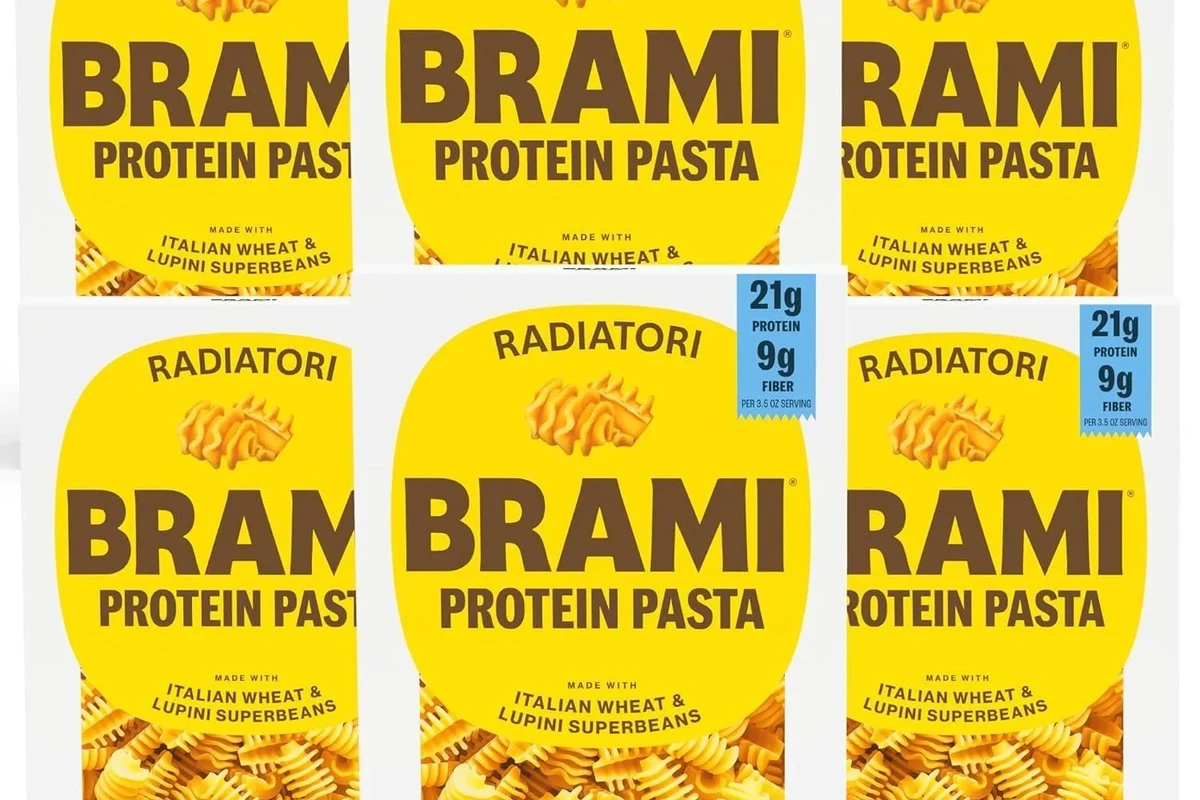
Brami pasta is usually made from lupini beans or a mix of bean-based ingredients. That makes it different from standard pasta, which is mostly refined wheat.
For many home cooks, that means more filling meals and a better protein boost. Still, healthy depends on your needs, your portion size, and the sauce you use.
What makes it different from regular pasta
Regular pasta is mostly starch. Brami pasta often brings more protein and fiber per serving, so it may keep you full longer.
It can also fit better into some lower-carb or higher-protein meal plans. However, it may taste and feel a little different from classic pasta, so texture matters too.
Who it may suit best
Brami pasta may suit people who want a more filling bowl. It can also work well for shoppers trying to add more plant protein.
It may be a smart pick if you want pasta night without relying only on refined grains. In short, it helps most when you want a better balance, not a miracle food.
What Brami Pasta Is Made From
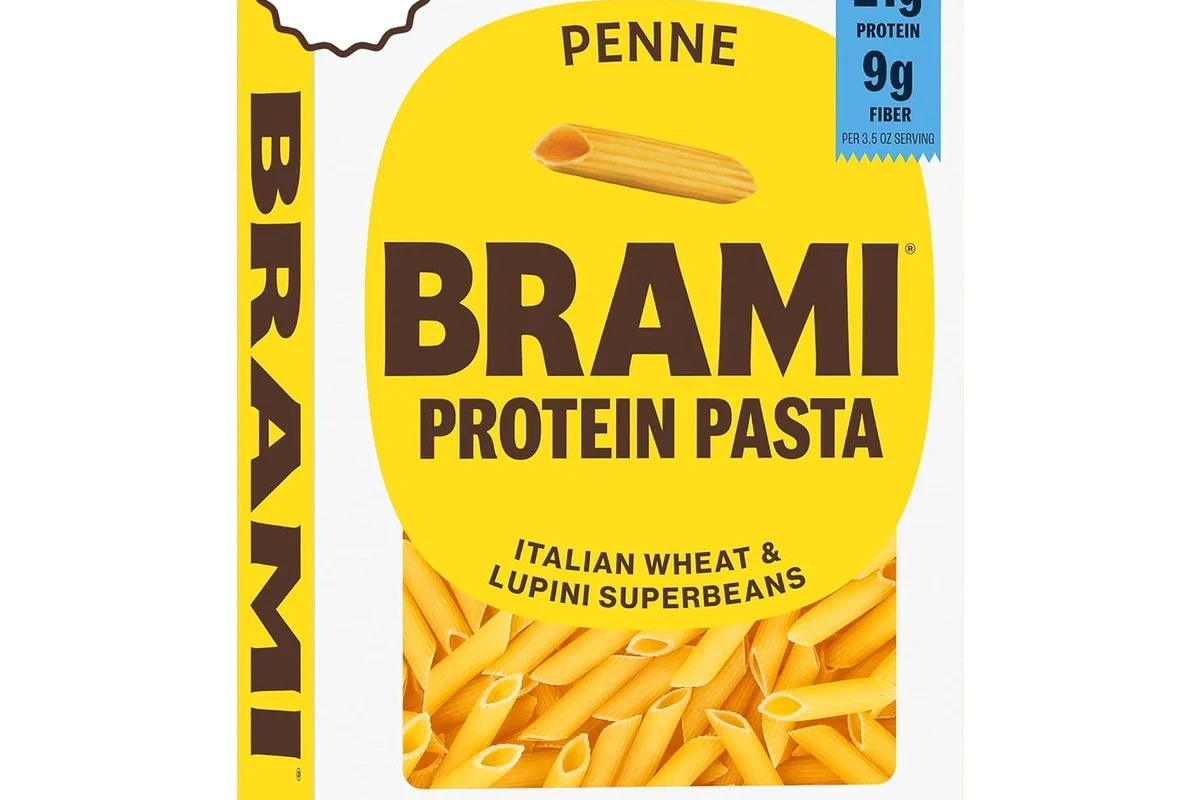
The ingredient list matters a lot here. Different Brami products can vary, so always check the package before you buy.
Ingredient formulas can vary by product line and region. The label is the best source for exact nutrition and allergens.
Key ingredients to look for on the label
Many versions use lupini beans as the main ingredient. Some may also include water, salt, and other plant-based binders or fibers.
Look for a short ingredient list when possible. Fewer extras often make it easier to judge what you’re eating.
How its protein and fiber content compare
Compared with standard pasta, bean-based pasta often has more protein and fiber. That can be a real plus if you want a more balanced meal.
But not every protein pasta is equal. Some brands add fiber or protein in different ways, so compare labels side by side.
Lupini beans are naturally high in protein and fiber, which is why they show up in many pasta alternatives.
Nutrition Breakdown and What It Means for You
Nutrition labels can be confusing at first. The key is to look at the full picture, not just one number.
Calories, carbs, protein, and fiber
Calories matter if you watch total intake. Carbs still matter too, even in a higher-protein pasta.
Protein and fiber are the main reasons many people choose Brami pasta. Protein helps with fullness, and fiber supports digestion and steadier meals.
Helps the meal feel more filling.
Can support digestion and satiety.
Still count toward your daily intake.
Depend on serving size and recipe.
Sodium, additives, and other label checks
Sodium can vary a lot from one pasta to another. If you eat it often, lower sodium may be a better fit.
Also check for added gums, fibers, or flavorings if you have a sensitive stomach. If you have allergies, read the allergen statement with care.
- Protein and fiber per serving
- Sodium level
- Ingredient list and allergens
- Serving size and calories
Health Benefits and Possible Limits
Brami pasta has clear upsides, but it is not perfect for everyone. The best choice depends on your goals and your body.
Why some people choose it for weight or blood sugar goals
Higher protein and fiber can help a meal feel more satisfying. That may make it easier to avoid snacking soon after dinner.
Some people also like it because it may fit better into lower-glycemic meal plans than regular pasta. Still, your full meal matters more than one ingredient.
- More filling than plain refined pasta
- Often higher in plant protein
- Can bring more fiber to dinner
- Works well in balanced meals
When it may not be the best fit
If you have a legume allergy or a sensitive gut, bean-based pasta may not sit well. Some people also dislike the taste or firmer texture.
It may not be the best fit if you want the soft, classic bite of wheat pasta. In that case, you may enjoy it less even if the nutrition looks better.
If you have food allergies, talk with a health professional before trying a new bean-based pasta. Stop eating it if it causes a reaction.
How Brami Pasta Works in Real Meals
Healthy food still needs to taste good enough to eat again. That’s where sauces, toppings, and portions come in.
Best sauces, toppings, and portion tips
Brami pasta often works best with simple sauces. Tomato sauce, pesto, olive oil, garlic, and lemon can all work well.
Add lean protein and vegetables if you want a more complete bowl. A smaller portion can also help if the pasta is very filling.
- Use lighter sauces to keep the meal balanced.
- Add vegetables for volume and color.
- Finish with herbs instead of heavy cream.
- Start with a modest serving and adjust later.
Easy ways to build a balanced bowl
A simple formula works well. Start with Brami pasta, then add vegetables, a protein, and a sauce you enjoy.
For example, you could pair it with roasted broccoli, chicken, and marinara. Or try cherry tomatoes, spinach, and olive oil for a lighter meal.
Cook the pasta as directed on the package.
Mix in vegetables for fiber, taste, and texture.
Use a sauce that supports, not hides, the pasta.
Common Mistakes People Make With Protein Pasta
Protein pasta can seem healthier, so it’s easy to overdo it. A few small mistakes can cancel out the benefit.
Overeating because it seems healthier
Many people serve a huge bowl because they think it’s a free pass. But calories still add up, even with better ingredients.
Try treating it like regular pasta at first. Then adjust based on hunger, activity level, and your overall meal plan.
Choosing a sauce that cancels out the benefits
Heavy cream sauces, lots of cheese, and oily toppings can turn a smart bowl into a rich one fast. That’s fine sometimes, but it changes the balance.
If your goal is health, keep the sauce simple. A lighter sauce usually lets the pasta’s strengths shine through.
- More protein than many standard pastas
- Often higher in fiber
- Can help build filling meals
- May cost more than basic pasta
- Texture may not suit everyone
- Some recipes can still be high in calories
Safety, Digestive Comfort, and Storage Tips
Food comfort matters just as much as nutrition. If a pasta upsets your stomach, it’s not a good fit for you.
Things to know if you have food sensitivities
Bean-based pasta can cause bloating or gas for some people. That risk may be higher if you are not used to high-fiber foods.
If you have a known legume allergy, read the label very carefully. When in doubt, ask a medical professional before trying it.
Follow the package directions for cooking and storage. Throw the product away if the package is damaged, swollen, or smells off.
How to store it and keep it tasting good
Store dry pasta in a cool, dry place. Keep it sealed so it stays fresh and free from moisture.
For cooked leftovers, cool them quickly and refrigerate them in a covered container. Reheat only once if possible, and use good food-safety habits.
Seal dry pasta tightly and store leftovers in the fridge.
Check pantry items for damage, pests, or expired dates.
Is Brami Pasta Worth Buying in 2026?
For many shoppers, yes. Brami pasta can be worth buying if you want more protein and fiber in an easy dinner.
But it only makes sense if you’ll actually enjoy eating it. If the texture or taste bothers you, a different pasta may be a better value.
Cost versus value for everyday use
Bean-based pasta often costs more than basic wheat pasta. That said, the added protein and fiber may make the higher cost feel worthwhile for some households.
Think about how often you’ll use it. A pasta you enjoy every week is better value than one that sits in the pantry.
Final verdict and best-use recommendation
Brami pasta is a smart choice if you want a more filling, higher-protein pasta option. It works best in simple, balanced meals with lighter sauces and plenty of vegetables.
If you need the lowest cost or love classic pasta texture, regular pasta may still be the better pick. For everyone else, Brami can be a solid middle ground between comfort food and better nutrition.
Brami pasta can be healthy, especially when you want more protein and fiber from a pasta meal. Choose it for balanced dinners, but check the label, watch the sauce, and skip it if your body doesn’t tolerate beans well.
- Brami pasta is often healthier than standard refined pasta.
- Its best strengths are protein, fiber, and fullness.
- Label checks still matter for sodium, ingredients, and allergens.
- Simple sauces and balanced toppings make it work best.
Frequently Asked Questions
It can be, especially if you want more protein and fiber. The best choice depends on the exact label and how you build the meal.
Check protein, fiber, calories, sodium, ingredients, and allergens. Serving size matters too, since it changes the numbers fast.
It may help some people feel fuller, which can support portion control. But it still counts as food with calories, so portions still matter.
Not always. Bean-based pasta can bother people with legume allergies or sensitive stomachs, so read the label carefully.
Simple sauces usually work best, like tomato sauce, pesto, olive oil, garlic, or lemon. Heavy cream sauces can add a lot of calories fast.
It can be worth it if you value protein, fiber, and a more filling meal. If you want the lowest price or classic pasta texture, regular pasta may fit better.