How to Choose the Best Coffee for Aged Man Easily

The best coffee for an older man is usually a smooth medium roast, or decaf if caffeine is a concern. Choose low-acid coffee if the stomach is sensitive, and match the grind to the brewer.
Choosing the best coffee for an older man comes down to comfort, caffeine, and taste. The best pick is usually a coffee that is easy on the stomach, not too strong in caffeine, and simple to brew.
That might mean decaf, half-caf, or a smooth medium roast. It also means checking how the coffee fits his daily habits, health needs, and brewing routine.
- Comfort first: Start with low-acid or medium roast coffee.
- Caffeine matters: Decaf or half-caf helps with sleep and jitters.
- Freshness counts: Buy smaller amounts and store coffee sealed.
- Easy use helps: Pick a format that matches the brewer and routine.
What “Best Coffee for an Aged Man” Really Means
“Best” does not mean the darkest or strongest coffee. It means the coffee that fits the drinker’s body, taste, and routine.
For many older adults, coffee needs to do three things well. It should taste good, feel gentle, and not hurt sleep.
How age changes taste, stomach comfort, and caffeine needs
Taste can change with age. Some people notice less flavor detail, while others become more sensitive to bitter notes.
Stomach comfort can also matter more. Coffee may bother people with reflux, heartburn, or a sensitive gut.
Caffeine often feels stronger with age too. A cup that once felt fine may now affect sleep, jitters, or blood pressure concerns.
Health needs vary a lot by person. If someone has heart issues, reflux, or sleep trouble, it helps to ask a doctor about caffeine limits.
The quick answer: what to look for first
If you want the short version, start with a medium roast or low-acid blend. Choose decaf or half-caf if caffeine causes sleep or stomach problems.
Look for fresh coffee with a clear roast date when possible. Then match the format to the brewer, like ground coffee for drip machines or pods for simple use.
Key Coffee Types and Which One Fits Best
Different coffee types solve different problems. The right choice depends on how much caffeine, flavor, and effort you want.
Regular, decaf, and half-caf choices
Regular coffee gives the full caffeine kick. It works best for older men who enjoy coffee early in the day and sleep well.
Decaf is the safer pick for late afternoons and evenings. It still has a little caffeine, but much less than regular coffee.
Half-caf sits in the middle. It can be a smart choice for someone who wants flavor without the full buzz.
Decaf coffee is not caffeine-free. The amount is lower, but it can still matter for sensitive drinkers.
Light, medium, and dark roast differences
Light roast often tastes brighter and more acidic. Some people enjoy that, but it can feel sharp.
Medium roast is the safest all-around choice. It usually gives a balanced taste without too much bite.
Dark roast tastes bolder and more roasted. It can seem smoother, but it may also taste bitter if brewed too strong.
- Medium roast works for most taste buds.
- Dark roast can feel smoother to some drinkers.
- Light roast may feel too sharp.
- Dark roast can taste harsh when overbrewed.
Ground coffee, whole bean, and instant coffee
Ground coffee is the easiest fit for most home brewers. It saves time and works with drip machines, pour-over, and some press pots.
Whole bean coffee gives the freshest flavor if you grind it at home. It takes more effort, but many people like the aroma and control.
Instant coffee is the simplest option. It works well for travel, small kitchens, or anyone who wants very low mess.
Best for easy daily brewing.
Best for fresher taste and more control.
Best for speed and very simple prep.
Important Factors to Check Before You Buy
A good coffee label tells you more than roast color. Check caffeine, acidity, flavor style, and how fresh the coffee seems.
Caffeine level and sleep impact
Caffeine can stay in the body for hours. That means even an afternoon cup may affect sleep later.
If sleep is already light, choose decaf or half-caf. Morning coffee is usually the safest time for regular coffee.
If caffeine causes chest pain, strong palpitations, or bad sleep loss, stop and ask a doctor for advice.
Acidity and stomach comfort
Some coffee feels bright and lively. For others, that same cup feels rough on the stomach.
Low-acid blends often work better for older men with reflux or heartburn. Cold brew can also taste smoother for many drinkers.
Flavor strength and bitterness
Strong flavor does not always mean better coffee. It can mean the coffee is darker, more concentrated, or simply overbrewed.
If bitterness is a problem, choose medium roast and brew it a little lighter. That often gives a smoother cup.
Freshness, grind size, and brew method match
Fresh coffee usually tastes better than stale coffee. If possible, buy smaller amounts more often.
Grind size matters too. Fine grounds suit espresso, while medium grounds fit drip machines.
- Buy only what you can use in a few weeks.
- Match grind size to the brewer.
- Use less coffee if the cup tastes harsh.
Best Coffee Features for Older Adults
Older adults often benefit from coffee that is easy to digest and easy to make. The goal is comfort without extra fuss.
Low-acid blends for sensitive stomachs
Low-acid coffee can be a smart pick for sensitive drinkers. It may feel gentler after meals and less sharp on the tongue.
This does not make it perfect for everyone. Still, it is one of the best places to start if stomach comfort matters.
Decaf options for late-day drinking
Decaf is the better choice for afternoon or evening coffee. It lets someone enjoy the routine without risking as much sleep trouble.
Some decaf coffees taste very close to regular coffee. Others taste milder, so it helps to try a small bag first.
Single-serve and easy-brew formats
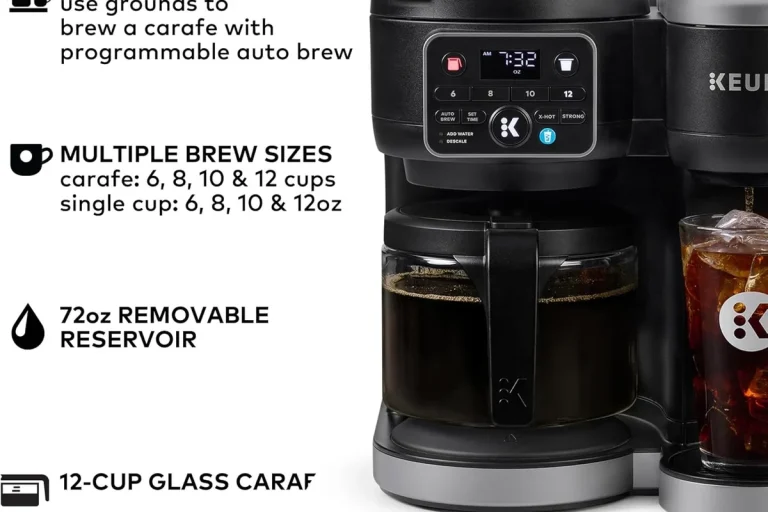
Single-serve coffee can be helpful for people who drink one cup at a time. It cuts waste and keeps cleanup simple.
Easy-brew formats also help if grip strength or energy is limited. A simple machine can make the whole routine less tiring.
Fresh grounds or pods
Clean water
Easy-to-read scoop
Organic and clean-label choices
Organic coffee may appeal to shoppers who want fewer added concerns in the cup. Clean-label options can also make the buying choice feel simpler.
That said, organic does not automatically mean better taste. Roast level, freshness, and brew method still matter more.
How to Choose Based on Health Needs and Daily Habits
The best coffee depends on the person, not just the package. A good match starts with the drinker’s main concern.
For men with acid reflux or heartburn
Choose low-acid coffee first. Medium roast or cold brew often feels gentler than sharp, bright coffee.
Avoid very strong cups on an empty stomach. Drinking coffee with food may also help some people feel better.
For men who need less caffeine
Decaf is the clearest choice. Half-caf also works well if some caffeine is still welcome.
It helps to keep coffee earlier in the day. That way, the cup is less likely to affect sleep.
For men who enjoy strong flavor without harshness
Try a medium-dark roast with a smooth profile. It can taste rich without turning too bitter.
Brewing a little lighter can also help. Less coffee or more water often softens the bite.
For men who want simple prep and low mess
Instant coffee, pods, and single-serve brewers are the easiest choices. They save time and reduce cleanup.
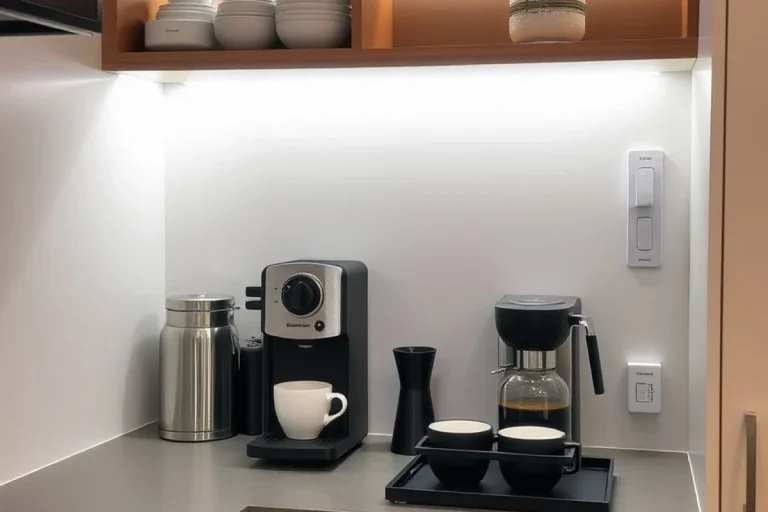
If the kitchen is small, compact gear makes sense too. A simple setup is often the one that gets used every day.
- Check caffeine level and roast type.
- Match the coffee to the brewer.
- Think about stomach comfort and sleep.
- Choose a format that feels easy to use.
Common Mistakes to Avoid When Picking Coffee
Many shoppers buy the wrong coffee for simple reasons. A few small checks can prevent a bad cup.
Choosing bold roast only because it sounds stronger
Bold does not always mean better. It may just mean darker, more bitter, or more roasted.
If the goal is comfort, bold is not always the right answer. A smooth medium roast may work better.
Ignoring caffeine content on the label
Two coffees can taste similar and still act very differently. One may keep someone awake much longer.
Always check whether the coffee is regular, decaf, or half-caf. That one detail can change the whole experience.
Buying stale coffee in large amounts
Large bags can seem like a deal. But coffee loses flavor over time once it’s opened.
Smaller bags often taste better for longer. That matters even more for someone who drinks coffee slowly.
Using the wrong brew strength for comfort
Too much coffee can taste harsh and feel rough on the stomach. Too little can taste weak and disappointing.
Start with the maker’s guide, then adjust slowly. Small changes often make a big difference.
- Start with a medium roast or low-acid blend.
- Use fresh coffee in a size you’ll finish soon.
- Don’t assume dark roast is always stronger or better.
- Don’t ignore caffeine if sleep is already a problem.
Safety, Storage, and Brewing Tips
Coffee is simple, but a few habits make it safer and tastier. Good storage and careful brewing help a lot.
How much coffee is usually reasonable
There is no one perfect amount for every older man. Tolerance depends on health, medication, and sleep.
Many people do well with one to two cups a day. But the right amount should come from personal comfort and medical guidance when needed.
When to avoid coffee or ask a doctor first
Ask a doctor before changing caffeine habits if there is heart disease, reflux, anxiety, or sleep trouble. The same goes for new symptoms after coffee.
If coffee causes shaking, dizziness, or strong discomfort, stop and get advice. It’s better to be careful than to push through it.
Follow the brewer manual, and stop using any machine with damaged cords, leaks, or burning smells.
Best storage habits for freshness
Keep coffee in a cool, dry place. Use a sealed container and keep it away from heat and light.
Do not store coffee in a damp cabinet or open bag. That can flatten the flavor fast.
Empty grounds or pods, rinse removable parts, and let them dry.
Check seals, clean the brewer, and follow the manual for descaling.
Simple brewing tips for better taste and less bitterness
Use clean water and the right grind for the machine. That alone can improve taste a lot.
If coffee tastes bitter, try less coffee, a slightly coarser grind, or a shorter brew time. Small changes are often enough.
The coffee tastes harsh or bitter.
Use a medium roast, fresh grounds, and a little less coffee next time.
Final Recommendation: The Best Coffee Choice for Most Older Men
For most older men, the best coffee is a smooth medium roast with moderate caffeine. If the stomach is sensitive, low-acid coffee or decaf is usually the better route.
Best overall pick by need and budget
A medium roast ground coffee is the best all-around choice for most homes. It gives balanced flavor, broad machine support, and good value.
Best value option
Ground coffee in a standard bag is usually the best value. It works with many brewers and does not need extra gear.
Best gentle option for sensitive drinkers
Low-acid decaf is the gentlest pick for many older drinkers. It helps reduce both stomach strain and late-day caffeine trouble.
Clear closing verdict
If you want the simplest answer on how to choose best coffee for aged man, start with medium roast, fresh grounds, and a caffeine level that fits his day. Then adjust for stomach comfort, sleep, and brewing ease until the cup feels right.
Most older men will do best with a smooth medium roast or low-acid blend. Choose decaf if sleep or caffeine sensitivity matters most, and pick the easiest format you’ll actually use.
Frequently Asked Questions
A smooth medium roast is a good starting point for most older men. If caffeine or stomach comfort is a concern, low-acid coffee or decaf may be better.
Decaf can be a smart choice for late-day drinking or caffeine sensitivity. It still has a small amount of caffeine, so very sensitive drinkers should still check the label.
Look for low-acid blends and avoid overly strong brewing. Drinking coffee with food may also help some people feel more comfortable.
Match the grind to the brewer. Use coarse grounds for French press, medium for drip, and fine for espresso unless the machine manual says otherwise.
Use fresh coffee, the right grind, and a slightly lighter brew ratio if needed. Medium roast often tastes smoother than very dark roast.
Store coffee in a sealed container in a cool, dry place away from heat and light. Buy smaller amounts if the coffee is used slowly.