How to Make Tomato Sauce from Tomato Paste Fast and Easy

Tomato paste makes a fast, simple tomato sauce with pantry ingredients. Add liquid, season well, and simmer until the flavor tastes balanced.
If you need tomato sauce fast, tomato paste is the easiest shortcut. Mix it with water, season it well, and simmer it for a few minutes. You’ll get a simple sauce for pasta, pizza, and quick weeknight meals.
- Fast base: Tomato paste turns into sauce with water, seasoning, and heat.
- Best method: Add liquid slowly so you can control thickness.
- Flavor fix: Salt, herbs, oil, and a little sugar help balance sharpness.
- Good uses: It works well for pasta, pizza, meatballs, and quick casseroles.
How to Make Tomato Sauce from Tomato Paste Fast and Easy
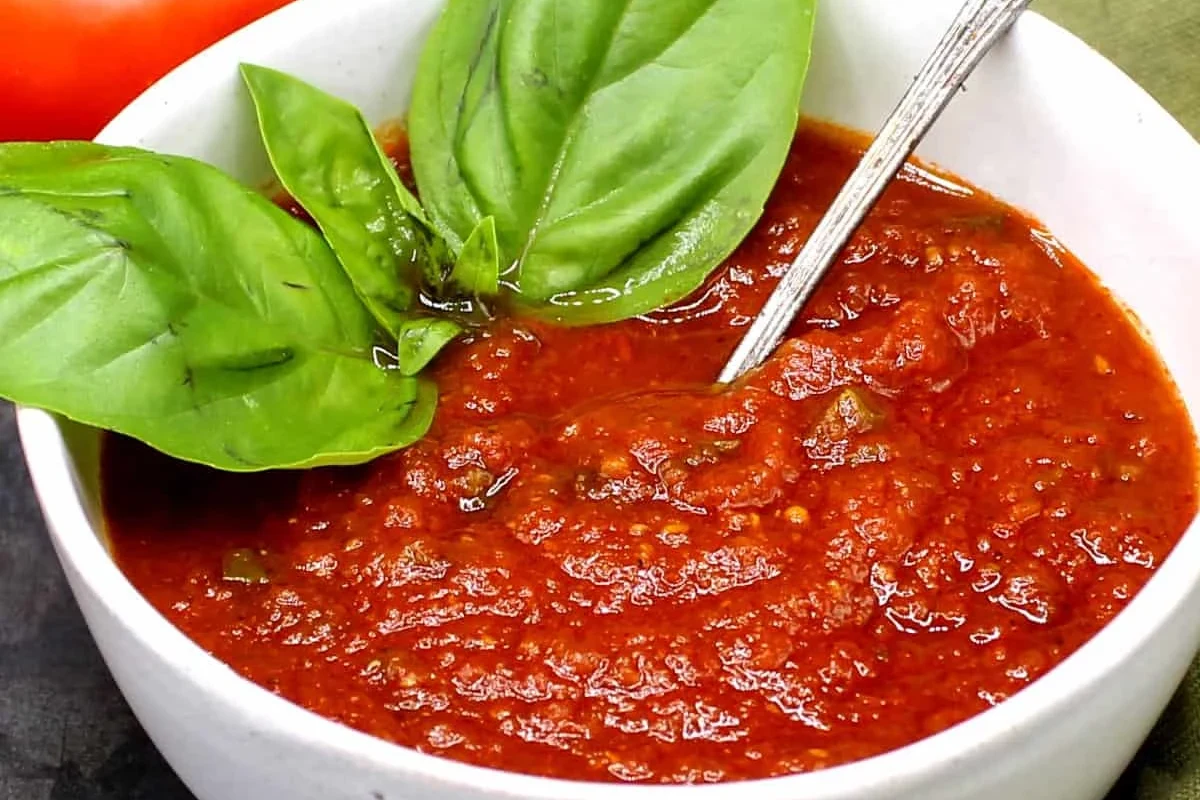
Tomato paste is thick, rich, and already cooked down. That makes it a great base for a quick sauce when you don’t have canned tomatoes on hand.
The basic idea is simple. Thin the paste with water or broth, add seasoning, then simmer until the flavor tastes balanced. The result won’t taste exactly like a long-cooked marinara, but it can still be very good.
Start with less liquid than you think you need. You can always thin the sauce later.
In short: tomato paste gives you a fast sauce with strong tomato flavor and very little prep.
What You Need for a Simple Tomato Paste Sauce
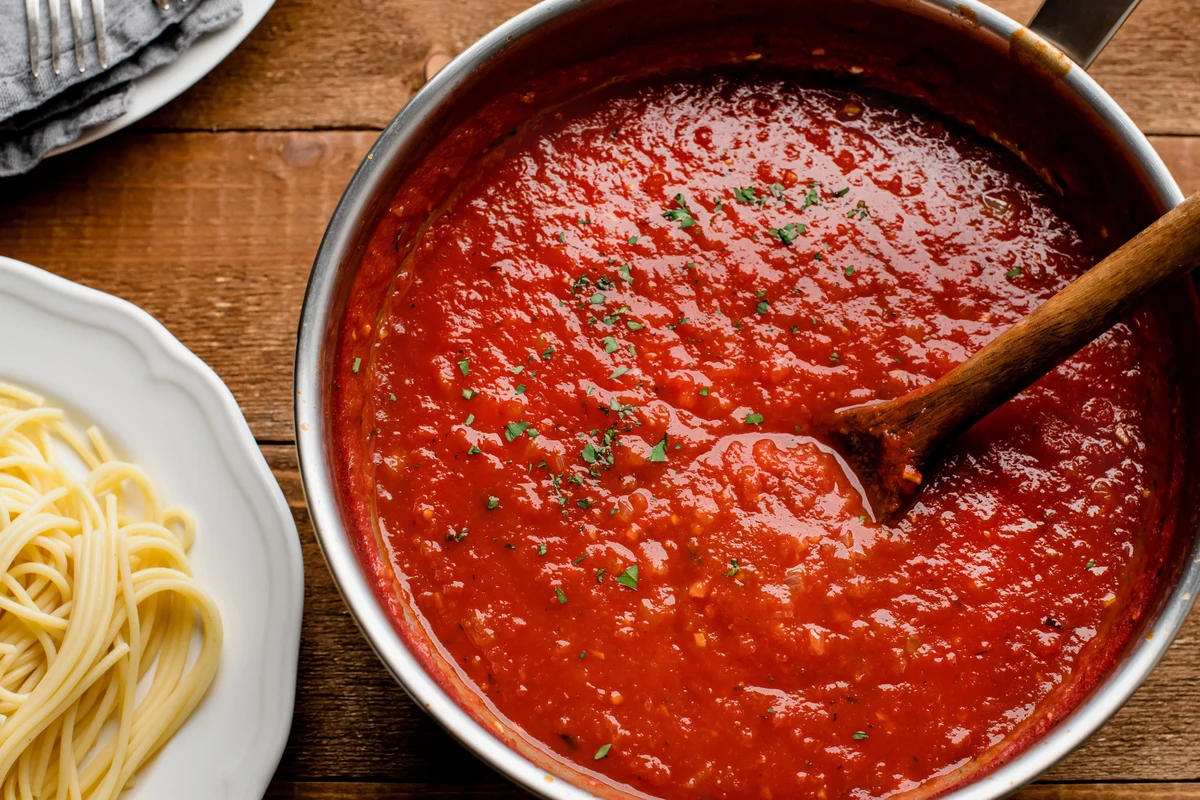
You only need a few pantry items to make a solid sauce. The best version uses simple ingredients and careful seasoning.
Basic ingredients for the best flavor
Tomato paste gives the sauce body and color. Water helps it spread into a pourable sauce. Salt brings the flavor into focus.
Olive oil adds a smoother taste and helps carry the seasonings. Garlic and pepper give the sauce a basic savory base. If you want a more pasta-style flavor, dried oregano or basil also works well.
In short: keep the base simple, then build flavor with a few pantry seasonings.
Optional add-ins for richer taste
You can improve the sauce with a few extra ingredients. These are optional, but they help the sauce taste fuller.
- A little sugar can soften sharp tomato flavor.
- Butter can make the sauce taste rounder and richer.
- Onion powder adds a gentle sweet-savory note.
- Red pepper flakes add mild heat.
- A splash of broth can add depth.
Ingredient strength varies by brand. Some tomato pastes taste sweeter, while others taste more sharp or earthy.
In short: small add-ins can make a basic sauce taste more complete.
Step-by-Step Method to Make Tomato Sauce from Tomato Paste
This method works well for a quick dinner sauce. It takes only a few steps, and each one matters.
Mixing the paste with liquid the right way
Start with the amount you need for your meal.
Stir until the paste loosens and turns smooth.
Stop when the sauce reaches the thickness you want.
The key is to mix slowly. If you add too much liquid at once, the sauce can turn thin and weak. A spoon or whisk helps break up any lumps.
Tomato paste is made by cooking tomatoes down until much of the water is removed. That’s why it tastes so concentrated.
In short: loosen the paste a little at a time so the sauce stays smooth.
Seasoning, simmering, and adjusting texture
Once the sauce is mixed, add salt, pepper, garlic, and any other seasonings you like. Then warm it gently in a saucepan.
Let it simmer for a few minutes. This helps the flavors blend and removes the raw taste of the paste. Stir often so the sauce does not stick.
If the sauce tastes too thick, add more water or broth. If it tastes too thin, simmer a bit longer. If it tastes too sharp, add a small pinch of sugar or a little butter.
- Taste after each small adjustment.
- Keep the heat low to avoid scorching.
- Add dried herbs early so they soften in the sauce.
In short: simmering helps the sauce taste more balanced and less harsh.
How Tomato Paste Sauce Works in Real Cooking
This sauce is best when you need something quick, flexible, and low effort. It fits many everyday meals.
Best uses for pasta, pizza, and quick meals
Tomato paste sauce works well on pasta when you want a fast dinner. It also works as a pizza base, a dip for breadsticks, or a sauce for meatballs.
You can use it in baked dishes too. It can stand in for a simple red sauce in casseroles, stuffed shells, or skillet meals. For busy nights, that flexibility really helps.
In short: this shortcut sauce is useful anywhere you need a basic tomato base.
When this shortcut works well
This method shines when your pantry is limited. It also helps when you want dinner on the table fast.
It works best if you already plan to add garlic, herbs, cheese, or meat. Those ingredients help round out the flavor and make the sauce feel fuller.
In short: choose this shortcut for speed, not for a slow-cooked sauce clone.
Common Mistakes When Making Sauce from Tomato Paste
Most problems come from balance. The sauce may taste flat, too sharp, too thick, or too salty.
Why the sauce can taste flat or too sharp
Flat sauce usually needs more salt, herbs, or fat. Tomato paste is concentrated, but it still needs help to taste complete.
Sharp sauce often needs a little sweetness or more simmer time. If the sauce tastes raw, it may just need a few more minutes on low heat.
The sauce tastes harsh, plain, or one-note.
Add salt, a small pinch of sugar, and a little oil or butter, then simmer again.
In short: seasoning and gentle cooking fix most flavor problems.
How to fix thick, thin, or salty sauce
If the sauce is too thick, add water a spoonful at a time. If it gets too thin, simmer it longer without a lid.
If the sauce is too salty, add more plain tomato paste and liquid if you have it. You can also serve it with plain pasta, rice, or vegetables to spread the salt out.
If you used broth or salted butter, taste before adding extra salt. That small step can save the sauce.
- Taste often and adjust in small steps.
- Use low heat for better control.
- Dumping in too much salt at the start.
- Boiling hard, which can scorch the sauce.
In short: fix the sauce slowly, not all at once.
Benefits and Limits of Tomato Paste Sauce
This sauce has clear strengths, but it is not perfect for every dish. Knowing both sides helps you choose well.
Why it saves time and money
Tomato paste often sits in the pantry for a long time. That makes it handy when fresh tomatoes are not available.
It also helps reduce waste. If you have an opened can or tube, this is a smart way to use it up. For many home cooks, that alone makes it worth keeping on hand.
- Fast to make with pantry staples
- Uses a small amount of ingredients
- Easy to adjust for taste and thickness
In short: it’s a budget-friendly backup for busy kitchens.
Where fresh sauce still wins
Fresh or long-simmered sauce usually has a softer, deeper taste. It can also feel brighter and less concentrated.
If you want a sauce with lots of fresh tomato flavor, onion, and herbs, a longer recipe may be better. Tomato paste sauce does not fully replace that style.
In short: fresh sauce wins on depth, while paste sauce wins on speed.
Storage, Reheating, and Kitchen Safety Tips
Leftover tomato sauce stores well if you handle it safely. A few simple habits keep it tasting better, too.
How to store leftovers safely
Cool hot sauce before refrigerating it. Do not leave it out for long periods at room temperature.
Put leftovers in a clean, covered container. Store them in the fridge once they are no longer steaming hot.
If you want to keep the sauce longer, freeze it in small portions. That makes it easier to thaw only what you need.
Always check for off smells, mold, or strange texture before using leftovers. When in doubt, throw it out.
In short: cool it fast, cover it well, and refrigerate or freeze it promptly.
Best ways to reheat without losing flavor
Reheat the sauce on low heat and stir often. Add a splash of water if it has thickened in the fridge.
You can also reheat small portions in the microwave. Use a microwave-safe bowl and stir halfway through so it heats evenly.
Follow the appliance manual and stop using damaged equipment.
In short: gentle reheating keeps the sauce smooth and prevents scorching.
Final Recommendation: Is Tomato Paste Sauce Worth Making?
Yes, it is worth making when you want a quick, low-cost tomato sauce. It gives you a practical answer for pasta night, pizza night, or any meal that needs a fast red sauce.
Best choice for busy home cooks
This method is best for people who want speed and simple cleanup. It also helps when the pantry is running low and dinner still needs to happen.
If you like full control over flavor, this sauce is a good fit. You can make it mild, herby, garlicky, or a little sweet with just a few changes.
In short: it’s a strong choice for busy cooks who want a fast homemade sauce.
Simple verdict from the Red Kitchen Project Editorial Team
Our editorial view is simple. If you need a quick tomato sauce and already have tomato paste, make it. It’s one of the easiest pantry fixes in the kitchen.
If you want deep, slow-cooked flavor, use a fresh sauce recipe instead. But for everyday cooking, tomato paste sauce gets the job done well.
Tomato paste sauce is a smart shortcut for fast meals, simple pasta dishes, and pantry cooking. Choose a longer sauce recipe when you want a deeper, fresher taste.
In short: for speed, value, and ease, tomato paste sauce is absolutely worth knowing.
Frequently Asked Questions
Start with a small amount of water or broth and stir well. Add more slowly until the sauce reaches the thickness you want.
A few minutes is usually enough to blend the flavors. Simmer longer on low heat if you want a deeper taste.
Salt, garlic, olive oil, herbs, and a small pinch of sugar can help. Butter or broth can also make the sauce taste richer.
Yes, it works well as a quick pizza base. Keep it a little thicker than pasta sauce so it spreads nicely.
Cool it first, then store it in a covered container in the fridge. You can also freeze it in small portions for later.
It may need more simmer time, a little sugar, or more liquid. If it is too salty, add more plain sauce ingredients or serve it with unsalted foods.