How Many Carbs in a Cup of Pasta Easy Guide for You

One cup of cooked pasta usually has about 40 to 45 grams of carbs. Dry pasta has much more carbs per cup, so always check whether you’re measuring before or after cooking.
If you’re asking how many carbs in a cup of pasta, the short answer is usually about 40 to 45 grams for cooked pasta. Dry pasta is much denser, so one cup dry can hold far more carbs than one cup cooked.
Why does the same pasta seem to have different carb counts?
Because pasta changes a lot as it cooks. It soaks up water, grows in size, and becomes less dense. That means the same amount by volume can hold very different carb totals.
That simple fact trips up a lot of home cooks. A measuring cup tells you volume, not weight, so the answer changes based on whether the pasta is dry, cooked, packed tight, or fluffy.
- Cooked vs dry: Cooked pasta has far fewer carbs per cup than dry pasta.
- Best estimate: One cup cooked usually lands near 40 to 45 grams.
- Label matters: Brand, shape, and flour type can change the total.
- Precision tip: Use a scale if you need exact carb tracking.
How Many Carbs in a Cup of Pasta? The Quick Answer
For most regular cooked pasta, one cup has about 40 to 45 grams of carbs. Some brands land a little lower or higher, so the package label always wins.
One cup of dry pasta is a different story. Dry pasta is concentrated, so one cup dry often has well over 70 grams of carbs, and sometimes more, depending on shape and brand.
Dry pasta vs cooked pasta: why the numbers change
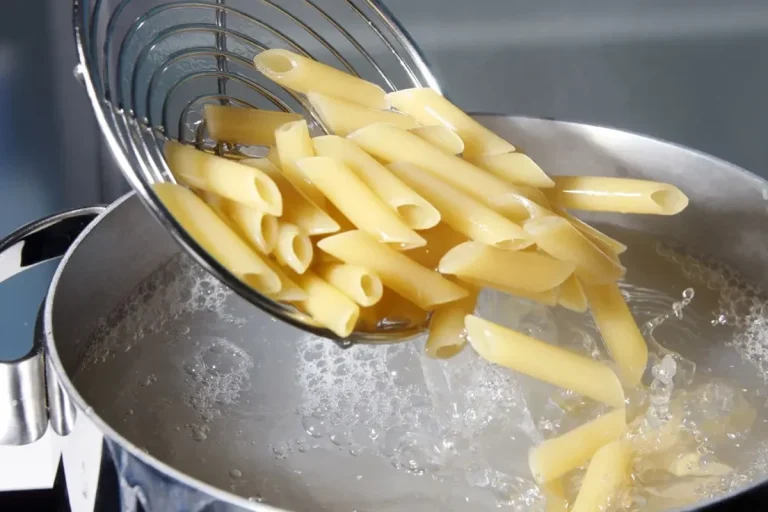
Dry pasta has very little water in it. Once you boil it, the noodles absorb water and expand.
That means one cup cooked is not the same as one cup dry. If you measure after cooking, you get a much smaller carb count per cup.
Exact carb counts vary by pasta shape, flour type, and brand. The nutrition label gives the most reliable number for your pantry.
What a standard cup really means in home cooking
A standard measuring cup is a volume tool. It does not weigh the pasta.
For loose cooked pasta, a cup can hold less food than you expect. For tightly packed pasta, the same cup can hold more. That is why a kitchen scale gives a cleaner answer when you need precision.
Carb Counts by Pasta Type and Serving Size
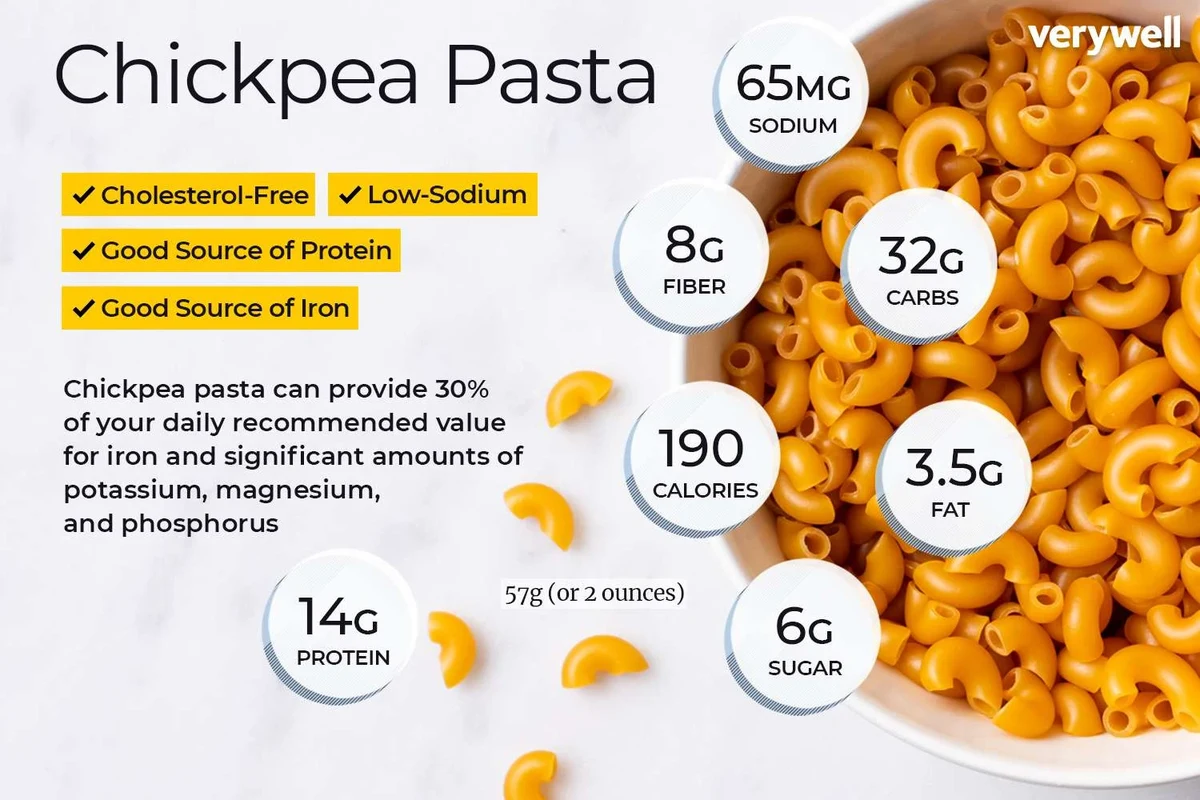
Pasta type matters because different flours and shapes change the nutrition a bit. The biggest difference usually comes from whether the pasta is regular, whole wheat, or gluten free.
Usually sits near the classic 40 to 45 gram cooked range.
Often has similar carbs, but more fiber and a steadier feel.
Can vary more because rice, corn, or legume blends differ.
White pasta, whole wheat pasta, and gluten free pasta
White pasta usually gives you the most familiar carb count. Whole wheat pasta often has a similar carb total, but it may have more fiber.
Gluten free pasta can be very different from one brand to the next. Some use rice flour, while others use corn, lentils, or chickpeas. That changes both the carb count and the feel in the bowl.
Long pasta, short pasta, and stuffed pasta
Long pasta like spaghetti and linguine often measures well by cup once cooked. Short pasta like penne, rotini, and elbows can settle differently in the cup.
Stuffed pasta is a special case. Ravioli and tortellini include filling, so the carb count depends on the dough and the filling. A cup of stuffed pasta can have less or more carbs than plain pasta.
How brand labels can change the carb count
Two pastas that look almost the same can still have different labels. One may use enriched wheat flour. Another may use a high-protein blend.
That is why the package matters. If you track carbs for meals or macros, check the serving size, the grams of carbs, and the fiber line.
How Pasta Measurements Work in Real Life
In real kitchens, pasta measurement can get messy fast. A cup of noodles can look very different from one bowl to the next.
Why a cup of cooked pasta is not the same as a cup of dry pasta
Dry pasta is compact and heavy for its size. Cooked pasta is full of water and much lighter per cup.
Think of it like rice or oats. A dry cup and a cooked cup do not match in nutrition because water changes the volume. Pasta works the same way.
How water, shape, and packing affect the final amount
Water changes the size of pasta as it cooks. Shape changes how the noodles settle in the cup. Packing changes how much fits in the same space.
For example, a cup of loose spaghetti may weigh less than a cup of tightly packed penne. That is why volume estimates are useful, but not perfect.
Simple ways to measure pasta without a scale
You do not need fancy tools for everyday cooking. A few simple tricks can get you close.
Look at the label before you cook.
Use the cup or portion guide on the box.
Use the same method each time for consistency.
If you want better repeat results, weigh the dry pasta once and remember that amount. That helps more than eyeballing the bowl after dinner starts.
How to Use Carb Counts for Meals and Macros
Carb counts matter for many different reasons. Some people want weight control. Others want better blood sugar care. Some just want a steady meal plan.
Portion control for weight goals and blood sugar care
Smaller pasta portions can make meal planning easier. That does not mean you must avoid pasta. It just means the serving should fit your goal.
If you manage blood sugar, the total carbs in the meal matter more than pasta alone. Sauce, bread, drinks, and dessert all count too.
How to build a balanced plate with pasta
A balanced plate helps pasta feel more filling. Add protein, vegetables, and a sauce that fits your plan.
- Add chicken, beans, tofu, or fish for more staying power.
- Mix in broccoli, spinach, peppers, or mushrooms for volume.
- Use tomato-based sauces when you want a lighter plate.
This works well for weeknight meals. A smaller bowl of pasta with more vegetables often feels more satisfying than a huge plain serving.
When to count carbs more closely
Count more carefully when your meal plan needs tight tracking. That may include diabetes care, sports macros, or a structured diet plan.
For casual cooking, a close estimate is often enough. For medical or performance needs, weigh the pasta and read the label.
Benefits and Limits of Counting Pasta Carbs
Carb counting can be very helpful. It can also get annoying if you try to make every meal perfect.
Why carb tracking helps many people
Tracking carbs gives you a clearer picture of what you eat. That can help with meal balance, portion size, and planning ahead.
It also makes repeat meals easier. Once you know your usual pasta serving, dinner gets simpler to manage.
Where carb counting can get tricky
Pasta portions are not always exact. Different cooks measure differently. Different brands cook differently. Even the same bowl can change from one night to the next.
Sauces also add carbs. Cream sauces, tomato sauces with sugar, and add-ins like peas or corn can shift the total.
Common mistakes people make with pasta portions
One common mistake is measuring dry pasta after cooking. Another is forgetting that the sauce adds carbs too.
People also overfill the cup. A heaped cup is not the same as a level cup. That small habit can throw off the count more than you think.
- Use the same measuring method each time.
- Check the label for serving size and carbs.
- Keep notes if you track meals often.
- Do not guess from bowl size alone.
- Do not assume all pasta brands match.
- Do not forget sauces and toppings.
Best Ways to Lower Carbs Without Giving Up Pasta
You do not have to cut pasta out to lower carbs. You can make a few smart changes and still enjoy the meal.
Choosing higher fiber pasta options
Whole wheat pasta often gives you more fiber. Some legume pastas also offer more fiber and protein, though the taste is different.
Higher fiber options may help you feel full longer. Still, the carb count can remain close to regular pasta, so the label still matters.
Mixing pasta with vegetables and protein
This is one of the easiest ways to stretch a serving. Add more vegetables and a solid protein source.
- More volume with fewer carbs per bite
- Better meal balance and fullness
- Easy way to use leftover vegetables
For example, a small bowl of pasta with roasted zucchini, chicken, and olive oil can feel complete. You get flavor, texture, and less carb load per mouthful.
Using smaller servings with richer sauces
Rich sauces can make a small portion feel special. A little pesto, garlic oil, or cream sauce can go a long way.
Just remember that sauces can add calories and sometimes carbs. A smaller pasta serving with a bold sauce often works better than a larger plain one.
Safety, Storage, and Reheating Tips for Pasta Meals
Pasta is simple, but leftovers still need care. Good storage keeps the texture better and helps reduce food safety risks.
How to store cooked pasta the right way
Cool cooked pasta soon after serving. Put it in a shallow container and refrigerate it once it is no longer hot.
Do not leave cooked pasta at room temperature for too long. Follow safe food storage guidance and refrigerate leftovers promptly.
If the pasta has sauce, store it in a sealed container. Plain pasta and sauced pasta both keep better when chilled quickly.
How to reheat pasta without ruining texture
Reheat pasta gently. A splash of water, broth, or sauce can help bring back moisture.
Microwave reheating works well for many leftovers. Stir partway through so the heat spreads more evenly. On the stove, use low heat and keep an eye on the pan.
Food safety tips for meal prep and leftovers
Use clean containers and utensils. Keep cold food cold and hot food hot. That simple habit goes a long way.
Follow the appliance manual and stop using damaged equipment.
If leftovers smell off, look slimy, or sit out too long, toss them. When food safety is in doubt, it’s better to waste a little pasta than risk getting sick.
Final Recommendation: How to Estimate Pasta Carbs with Confidence
The best simple rule is this: one cup of cooked pasta usually has about 40 to 45 grams of carbs. That gives you a solid everyday estimate.
Best simple rule for everyday cooking
Use a level cup of cooked pasta for a quick estimate. If you want an easy meal plan, pair it with protein and vegetables.
- Cooked pasta usually has about 40 to 45 grams of carbs per cup.
- Dry pasta has far more carbs per cup than cooked pasta.
- Brand labels and pasta shape can change the total.
- Use a scale or label when you need exact tracking.
That approach works for most home cooks. It keeps dinner simple without making you count every noodle.
When to check the package label or use a scale
Check the label when you need exact carb tracking. Use a scale when you want the most reliable portion size.
If your goal is casual meal planning, a good estimate is enough. If your goal is blood sugar control or macro tracking, precision matters more.
For most people, one cup of cooked pasta is a practical estimate for about 40 to 45 grams of carbs. If you need tighter control, use the package label and a scale for the best result.
Frequently Asked Questions
A cup of cooked pasta usually has about 40 to 45 grams of carbs. The exact number can change by brand, shape, and flour type.
Dry pasta is dense and has little water, so it fits more carbs into the same volume. Cooking adds water and makes the pasta expand.
Whole wheat pasta often has a similar carb count to white pasta. It usually has more fiber, which can help with fullness.
Use a level measuring cup and the serving size on the package. For better consistency, measure the dry pasta the same way each time.
Yes, sauces can add carbs, especially if they contain sugar, starch, or vegetables like peas and corn. Always count the full meal, not just the pasta.
Use a smaller pasta portion and add more vegetables and protein. You can also try higher-fiber pasta options and watch the sauce.