Does Miso Paste Go Bad How to Tell and Store It Right

Yes, miso paste can go bad, but it usually lasts a long time in cool storage. If it smells rotten, shows mold, or turns slimy, toss it.
Yes, miso paste can go bad, but it lasts a very long time when stored well. Unopened miso often stays good for months or even longer, while opened miso keeps best quality in the fridge.
Storage life varies by brand, salt level, and whether the paste was pasteurized. Always check the package date and the label directions first.
- Storage matters: Opened miso lasts best in the fridge.
- Normal changes happen: Darkening and stronger flavor can be fine.
- Bad signs are clear: Mold, slime, swelling, and rotten smells mean toss it.
- Clean tools help: Use dry spoons and seal the lid tightly.
Does Miso Paste Go Bad? The Short Answer and What It Means

Short answer: yes, miso paste can spoil, but it is slow to do so. Its salt and fermentation help protect it, which is why it keeps so well.
That said, “go bad” can mean two different things. Sometimes the paste is unsafe. Other times it is still safe, but the taste, smell, or color has changed enough that you may not want to use it.
For most home cooks, the real question is not whether miso lasts. It’s how to tell when it has lost quality or become unsafe.
How Miso Paste Lasts So Long

Miso is made by fermenting soybeans, grain, salt, and koji. That process creates a paste that resists spoilage much better than many fresh foods.
It still changes over time. The flavor may deepen, darken, or become stronger. That is normal aging, not always spoilage.
Salt, Fermentation, and Shelf Life
Salt helps slow down harmful microbes. Fermentation also creates an acidic, stable food with a long life.
Because of that, miso often stays usable far past the date on the package. The date is usually about quality, not a hard stop.
Fermented foods often keep longer because salt and good microbes help block spoilage.
White, Yellow, and Red Miso Compared
Not all miso ages the same way. Lighter miso usually has a milder taste and may be a bit more delicate.
Darker miso often has a stronger flavor and can keep its character longer. It may also darken more as it sits, which is normal.
- White miso: mild, sweet, and often best used sooner for peak flavor.
- Yellow miso: balanced, with a medium shelf life and flexible use.
- Red miso: bold, salty, and often the most robust in storage.
How to Tell If Miso Paste Has Gone Bad
The best way to judge miso is with your eyes, nose, and common sense. Look for changes that go beyond normal aging.
Safe Signs and Normal Changes
Some changes are fine. Miso may darken, dry a little on top, or develop a stronger smell over time.
You may also see harmless white crystals or a thin layer of salt on the surface. In many cases, that is not mold.
If the paste still smells like miso and looks clean, it may still be fine to use. Just stir it and check the taste before adding it to a dish.
Warning Signs You Should Not Ignore
Some signs mean you should throw it out. Do not taste miso if you see clear spoilage.
Toss miso if you see fuzzy mold, a rotten smell, slimy texture, or unusual gas buildup in the container.
- Fuzzy green, black, or pink mold on the surface.
- Sharp sour or rotten odor that seems wrong for miso.
- Slippery, slimy, or watery texture.
- Container swelling, bubbling, or pressure from trapped gas.
- Off taste that is bitter, rancid, or plainly spoiled.
How to Store Miso Paste the Right Way
Good storage helps miso keep its flavor and texture. The main goals are to limit air, moisture, heat, and dirty tools.
Pantry Storage for Unopened Miso
Unopened miso can often stay in a cool pantry until the best-by date, if the label allows it. Keep it away from stoves, sunny windows, and warm cabinets.
If your kitchen runs hot, the fridge is often a safer choice even before opening. That extra chill helps protect flavor.
Fridge Storage for Opened Miso
Once opened, miso should usually go in the refrigerator. Close the lid tightly after each use.
Use a clean, dry spoon every time. That small habit makes a big difference.
Smooth the surface of the paste before closing the lid. It helps reduce air pockets and keeps the top from drying out.
Freezing Miso Paste for Longer Use
You can freeze miso if you bought a large tub or use it slowly. Freezing usually does not hurt the paste much because of its salt content.
Portion it into small containers or freezer-safe bags. That way, you can thaw only what you need.
Let frozen miso thaw in the fridge. Avoid repeated thawing and refreezing, since that can hurt quality.
Best Ways to Use Miso Before It Loses Quality
If your miso is getting older, use it in dishes where flavor matters more than a perfect pale color. Stronger, older miso can still shine in many recipes.
Everyday Cooking Ideas
Miso works well in soups, marinades, dressings, glazes, and sauces. It adds depth fast, which makes it handy on busy nights.
Try it in ramen broth, buttered noodles, roasted vegetables, or salad dressing. A small spoonful can change the whole dish.
- Stir miso into warm liquid, not boiling liquid.
- Use it in sauces where color changes won’t matter.
- Mix older miso with fresh ingredients for balance.
When to Use Older Miso
Older miso is often best in cooked dishes. Heat and other ingredients can soften any stronger or darker notes.
If the flavor seems too intense, use less than the recipe calls for. You can always add more later.
Common Mistakes That Shorten Miso Shelf Life
A few simple habits can make miso spoil faster. Most problems come from moisture, dirt, heat, or too much air.
Dirty Spoons and Wet Containers
A wet spoon can bring in extra water and food bits. That gives spoilage a better chance.
Always use a clean spoon and dry the rim before sealing the container. If you transfer miso to another jar, make sure that jar is very clean and dry.
Heat, Light, and Air Exposure
Heat speeds up flavor loss. Light can also weaken quality over time.
Air dries the top and can change the smell. Keep the lid tight and do not leave the container open on the counter.
Follow the package storage directions if they differ from general advice. When in doubt, choose the colder storage option.
Buying Miso Paste: What to Check Before You Choose
Buying the right miso makes storage easier later. A good label can tell you a lot before you even open the tub.
Ingredients, Salt Level, and Paste Type
Check the ingredient list first. Short, simple lists are often easier to understand.
Salt level matters because it affects both flavor and keeping power. Paste type matters too, since white, yellow, and red miso each behave a little differently in the kitchen.
Value, Size, and Storage Needs
Buy a size you can use before quality drops. A huge tub is not a bargain if it sits unopened for years.
If you cook miso often, a larger container may make sense. If you use it only now and then, a smaller pack may be smarter.
- Check the ingredient list and salt level.
- Choose a size that fits your cooking habits.
- Look for clear storage instructions on the label.
- Pick a paste type that matches your recipes.
Final Recommendation: When to Keep, Toss, or Replace Miso
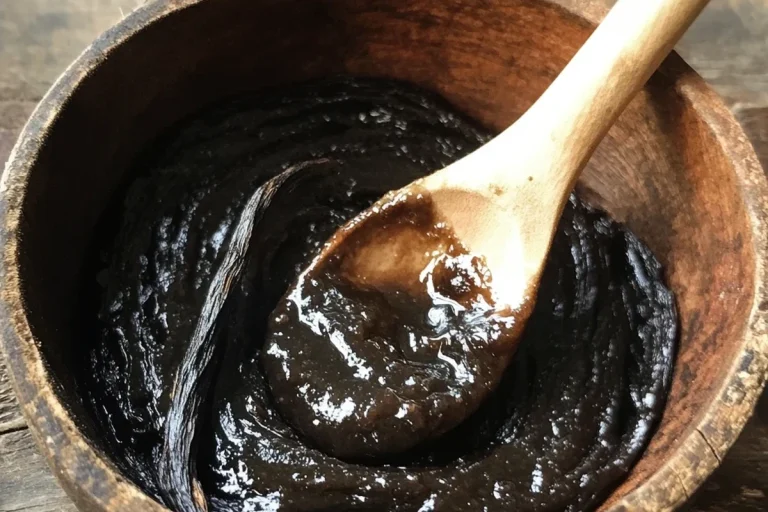
Keep miso if it smells normal, looks clean, and has only mild aging changes. Darkening or a firmer top layer usually does not mean it is bad.
Toss it if you see mold, slime, swelling, or a rotten smell. Replace it if the flavor has faded enough that your food no longer tastes right.
For most kitchens, the best plan is simple. Refrigerate opened miso, use clean tools, and freeze extra paste if you buy in bulk.
Miso paste can go bad, but it usually lasts a long time with cool storage and clean handling. If it smells off or shows mold, throw it out. If it only darkens or tastes stronger, it may still be fine to use.
Frequently Asked Questions
It often lasts a long time in the fridge, but the exact time varies by brand and storage. Check the label and watch for spoilage signs.
Yes, darkening alone is often normal. If the smell and texture still seem right, it may be fine.
It should smell savory, salty, and fermented. A rotten or harsh sour smell is a bad sign.
Not always. Many unopened tubs can stay in a cool pantry if the label allows it, but the fridge is safer in a warm kitchen.
No, it’s safer to throw it out. Mold can spread below the surface.
Yes, if you use miso slowly or buy a large tub. Freeze it in small portions for easier use later.