How to Make Almond Paste Easy Homemade Guide

Almond paste is easy to make with fine almond flour, sugar, and a small amount of liquid. The key is to add the liquid slowly and stop when the paste holds together.
If you want to know how to make almond paste, the short answer is simple. Mix finely ground almonds with sugar, a little egg white or syrup, and flavoring until you get a smooth, thick paste.
Homemade almond paste is useful, flexible, and easy to adjust. It also lets you control sweetness, texture, and flavor for cakes, cookies, and fillings.
- Best texture: Fine almond flour gives the smoothest paste.
- Main rule: Add liquid slowly to avoid a sticky mix.
- Storage matters: Wrap it tightly and keep it cold.
- Best use: Homemade paste works well in fillings and pastries.
What Almond Paste Is and Why It Matters
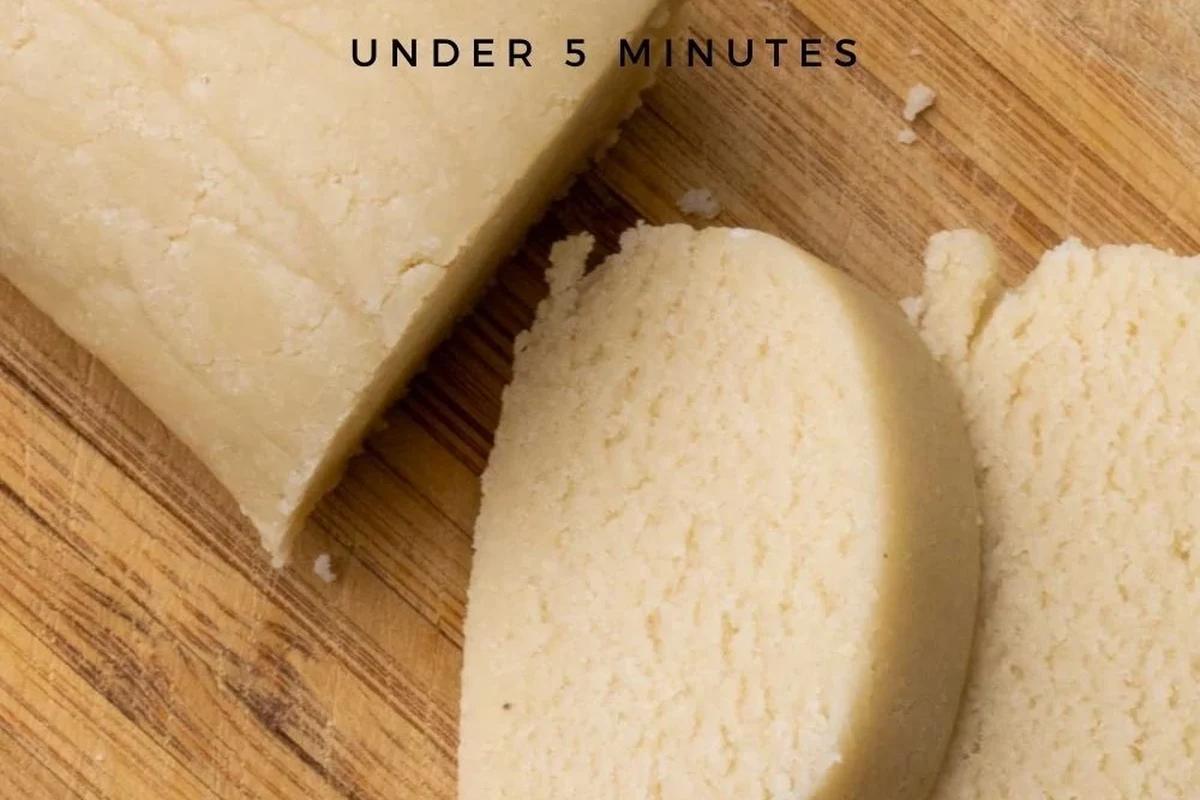
Almond paste is a soft, sweet almond mixture used in many baked goods. It has a rich nut flavor and a smooth, moldable texture.
It matters because it adds moisture, depth, and a classic bakery taste. If you bake fruit tarts, cookies, or holiday treats, almond paste can make them taste more special.
Almond paste vs marzipan
Almond paste and marzipan look similar, but they are not the same. Almond paste usually has less sugar and a coarser feel.
Marzipan is sweeter and smoother. It works better for shaping decorations, while almond paste works better inside pastries and fillings.
Many bakers use almond paste in frangipane, fillings, and cookie dough for a richer nut taste.
Common uses in baking
You can use almond paste in many recipes. It blends well into batters and fillings.
- Fill Danish pastries and coffee cakes.
- Add flavor to cookies and tart fillings.
- Use it in fruit bars and almond-based cakes.
- Mix it into buttercream for a nutty twist.
In short, almond paste gives baked goods a sweet almond base that feels rich, not heavy.
Ingredients and Tools You Need
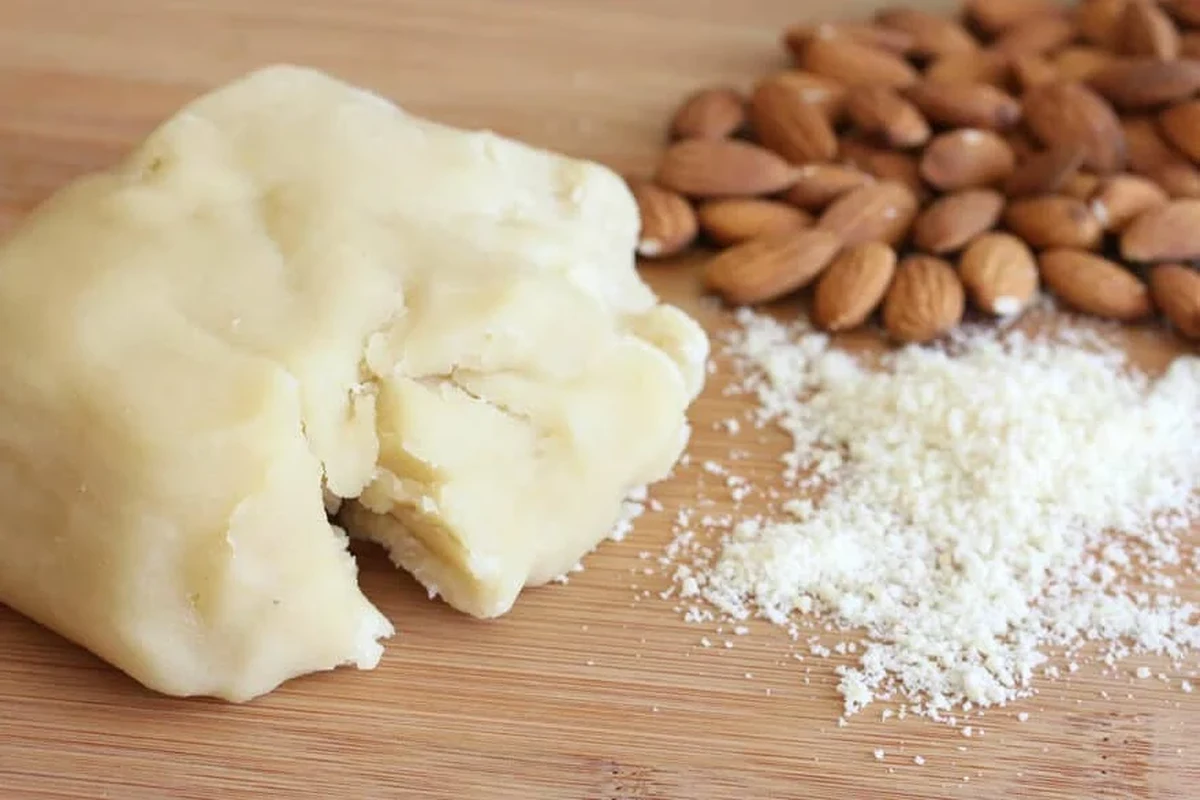
You only need a few simple ingredients. The exact mix depends on how soft or firm you want the paste.
Best almond flour or ground almonds to use
Use very fine almond flour or finely ground blanched almonds for the smoothest result. Blanched almonds give a lighter color and a softer finish.
If you use coarser almond meal, the paste will feel grainy. That can still work in baked fillings, but it won’t be as smooth.
Sweeteners, egg white, and flavor options
Powdered sugar gives a smoother paste than regular sugar. Some recipes use honey or corn syrup, but those can make the paste softer and stickier.
Egg white helps bind the mixture. If you prefer not to use egg white, you can use a little water or syrup instead, but the paste may be less rich.
If you use raw egg white, follow safe food handling rules. Use fresh eggs, keep the paste cold, and avoid serving it to people who should not eat raw egg.
Basic tools for a smooth paste
A food processor makes the job faster, but you can also mix by hand. A bowl, spoon, and measuring cups are enough for a small batch.
If you want a very smooth paste, a processor helps break down the almonds better. That said, careful hand mixing can still work well.
How to Make Almond Paste Step by Step
There’s no single perfect method. The best one depends on your tools and how smooth you want the paste.
Combine almond flour and powdered sugar in a bowl. Stir them together so the texture stays even.
Mix in egg white, syrup, or water a little at a time. Stop as soon as the mixture starts to hold together.
Stir in a small amount of almond extract or vanilla. A little goes a long way.
Work the paste until it feels soft, even, and easy to shape. Then wrap it tightly.
Simple mixing method
The simple method works well if you want control. Start with the dry ingredients, then add the liquid slowly.
Mix with a spoon at first. Once the dough starts to clump, use clean hands to press it together.
If the paste cracks when you press it, it needs a little more moisture. Add just a few drops at a time.
Food processor method for faster results
A food processor can save time and give a finer texture. Add the dry ingredients first, then pulse in the binder.
Use short pulses. Long processing can warm the mixture and make it greasy.
How to know when the texture is right
Good almond paste should feel soft, smooth, and slightly tacky. It should hold its shape when pressed.
If it crumbles, it needs more moisture. If it feels wet or sticky, it needs a little more almond flour or sugar.
What should almond paste look like when it’s ready?
It should look dense and even, with no dry pockets. It should also roll into a log or ball without falling apart.
Tips for Better Texture, Taste, and Color
Small changes can improve the final result a lot. That’s where homemade almond paste really shines.
How to keep the paste soft and workable
Wrap the paste tightly as soon as you finish mixing it. Air dries it out fast.
Let it rest for a few minutes before using it. That helps the moisture spread through the mixture.
How to fix paste that is too dry or too sticky
If the paste is too dry, add a few drops of liquid and knead again. Go slow so you do not overshoot.
If it is too sticky, add a little more almond flour or powdered sugar. Mix until it feels soft, not wet.
The paste falls apart or feels sandy.
Add liquid in very small amounts and knead until it binds.
The paste sticks to your hands and won’t hold shape.
Dust in a little more almond flour or sugar and mix gently.
Ways to adjust sweetness and almond flavor
For a sweeter paste, use more powdered sugar. For a stronger almond taste, add a bit more almond extract.
Be careful with extract. Too much can taste sharp and mask the nut flavor.
Common Mistakes to Avoid
Most almond paste problems come from using the wrong ingredients or adding liquid too fast. The good news is that they are easy to avoid.
Using the wrong almond meal
Coarse almond meal can make the paste grainy. It may still work, but the texture will not be as smooth.
For best results, choose fine almond flour or finely ground blanched almonds. That gives a cleaner, softer paste.
Adding too much liquid too fast
This is the most common mistake. Once the mixture gets too wet, it can be hard to fix.
Add liquid slowly, then stop and check the texture. You can always add more, but you cannot easily take it out.
Skipping proper storage
Almond paste dries out quickly if left uncovered. It can also pick up odors from the fridge.
Wrap it well and store it in a sealed container. That keeps the flavor fresh and the texture usable.
- Use fine almond flour for a smoother paste.
- Add liquid a little at a time.
- Wrap the paste tightly after mixing.
- Do not pour in all the liquid at once.
- Do not leave it uncovered on the counter.
- Do not expect coarse meal to feel silky.
Safety, Storage, and Shelf Life
Homemade almond paste is easy to store, but it needs care. That is especially true if you use egg white.
Food safety notes for egg white versions
If your recipe uses raw egg white, keep the paste cold. Use clean tools and clean hands during prep.
People who are pregnant, older adults, young children, or anyone with a weak immune system should be careful with raw egg foods. When in doubt, choose a paste made with syrup instead.
How to store almond paste in the fridge or freezer
Store almond paste in an airtight container or wrap it well in plastic wrap. Then place it in the fridge.
For longer storage, freeze it in a tight wrap and a freezer bag. Thaw it in the fridge before using.
Storage life can vary by recipe, moisture level, and whether you used egg white. Always check for off smells, mold, or odd texture before use.
How long homemade almond paste lasts
Fridge life and freezer life vary by recipe. A paste made with egg white usually needs more care than one made with syrup.
If it looks dry, smells off, or changes color, throw it out. Fresh almond paste should smell sweet and nutty.
Cost, Value, and When Homemade Makes Sense
Homemade almond paste can be a smart choice if you bake often. It also helps when you want a fresher flavor or a softer texture.
Homemade almond paste vs store-bought
Store-bought almond paste is convenient and usually very consistent. It is a good choice when you need speed or want the same result every time.
Homemade paste gives you more control. You can make it less sweet, more fragrant, or softer for your recipe.
| Option | Best For | Key Consideration |
|---|---|---|
| Homemade almond paste | Custom flavor and texture | Needs mixing and proper storage |
| Store-bought almond paste | Fast baking and consistency | Less control over sweetness and feel |
Best choice for home bakers and special recipes
Homemade makes sense for bakers who like to adjust recipes. It is also a good fit for holiday baking and special desserts.
If you only need a small amount, making it at home can save waste. If you bake often, keeping a batch in the fridge or freezer can be handy.
Final Recommendation for Red Kitchen Project Readers
For most home bakers, making almond paste at home is worth it. It is simple, flexible, and easy to tailor to your recipe.
When to make it at home and when to buy it
Make it at home when you want better control over sweetness and texture. Buy it when you need convenience or want a very consistent result.
Homemade almond paste is a great choice for bakers who want control and freshness. Store-bought is still useful when time matters more than customization.
Best next step for using almond paste in recipes
Try it in a simple filling first. That lets you see how it behaves before you use it in a more delicate dessert.
If you’re new to it, start with cookies, tarts, or a basic fruit pastry. Those recipes make it easy to taste the almond flavor and adjust next time.
- Use fine almond flour for the smoothest paste.
- Add liquid slowly so the texture stays balanced.
- Store it tightly wrapped in the fridge or freezer.
- Choose homemade for control and store-bought for speed.
Frequently Asked Questions
Mix fine almond flour with powdered sugar, then add egg white or syrup slowly. Stop when the paste feels soft, smooth, and easy to shape.
Yes, you can use a little water or syrup instead. The texture may be softer or stickier, so add the liquid in small amounts.
Add a few drops of liquid at a time and knead again. Keep going slowly until the paste holds together without cracking.
Work in a little more almond flour or powdered sugar. Mix gently until the paste feels soft, not wet.
Wrap it tightly and keep it in an airtight container in the fridge. For longer storage, freeze it and thaw it in the fridge before use.
Use it in pastries, tarts, cookies, fruit bars, and almond cakes. It also works well in fillings and sweet spreads for baking.