What to Eat with Pasta for a Delicious Dinner Idea

Serve pasta with one fresh side and one protein for the most balanced dinner. Garlic bread, salad, vegetables, chicken, shrimp, and meatballs are all reliable choices.
If you’re wondering what to eat with pasta, the best answer is simple. Pair it with one fresh side, one solid protein, and a sauce that fits the pasta shape. That gives you a dinner that feels complete without getting heavy.
- Best balance: Pair pasta with one fresh side and one protein.
- Easy wins: Garlic bread, salad, and roasted vegetables always work.
- Protein picks: Chicken, shrimp, meatballs, sausage, and beans fit well.
- Shape matters: Match chunky foods with short pasta and light foods with long pasta.
- Keep it simple: Rich pasta needs lighter sides, and plain pasta needs more support.
What to Eat with Pasta: The Fast Answer for a Great Dinner
Pasta works best when it has balance. A rich bowl of noodles can taste flat on its own, but it becomes much better with the right side or topping.
Think of pasta as the main base. Then add something crisp, something fresh, or something hearty, depending on the meal you want.
Why pasta needs a side dish or topping
Pasta gives you comfort and carbs, but it often needs more texture. A side dish adds crunch, color, and freshness. A topping adds protein or extra flavor.
For example, a bowl of spaghetti with marinara feels fuller when you add salad and meatballs. A simple pesto pasta feels brighter with tomatoes or grilled chicken.
Best quick pairings for busy weeknights
On busy nights, keep it easy. Use one store-bought item and one fresh item. That keeps dinner fast without feeling plain.
Pick one warm side and one cold side. That gives your pasta dinner better balance with almost no extra work.
Good quick pairings include garlic bread, bagged salad, roasted vegetables, rotisserie chicken, or canned tuna. These choices save time and still make the plate feel complete.
How to match pasta shapes with foods
Shape matters more than many home cooks think. Long pasta works well with smooth sauces and lighter add-ons. Short pasta holds chunky ingredients better.
Here’s a simple way to think about it:
- Spaghetti works well with meatballs, shrimp, and tomato sauce.
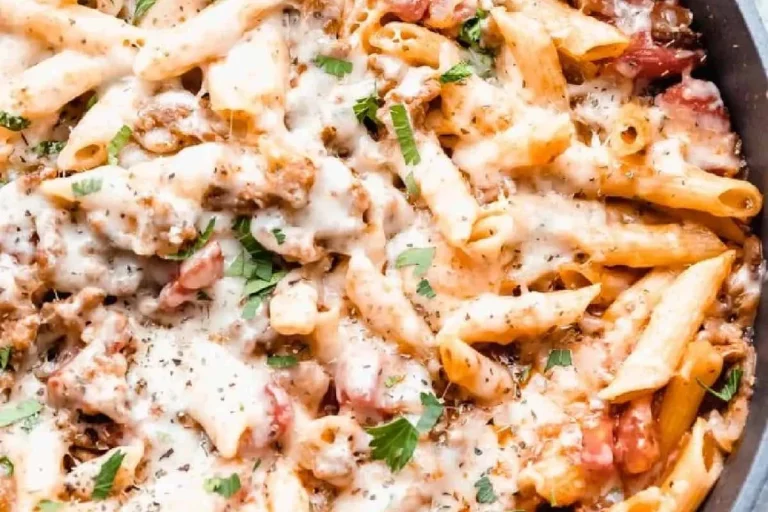
- Penne holds chunky vegetables, sausage, and thick sauces.
- Fettuccine fits cream sauces, chicken, and mushrooms.
- Ravioli needs simple sides that do not overpower the filling.
Classic Sides That Always Work with Pasta
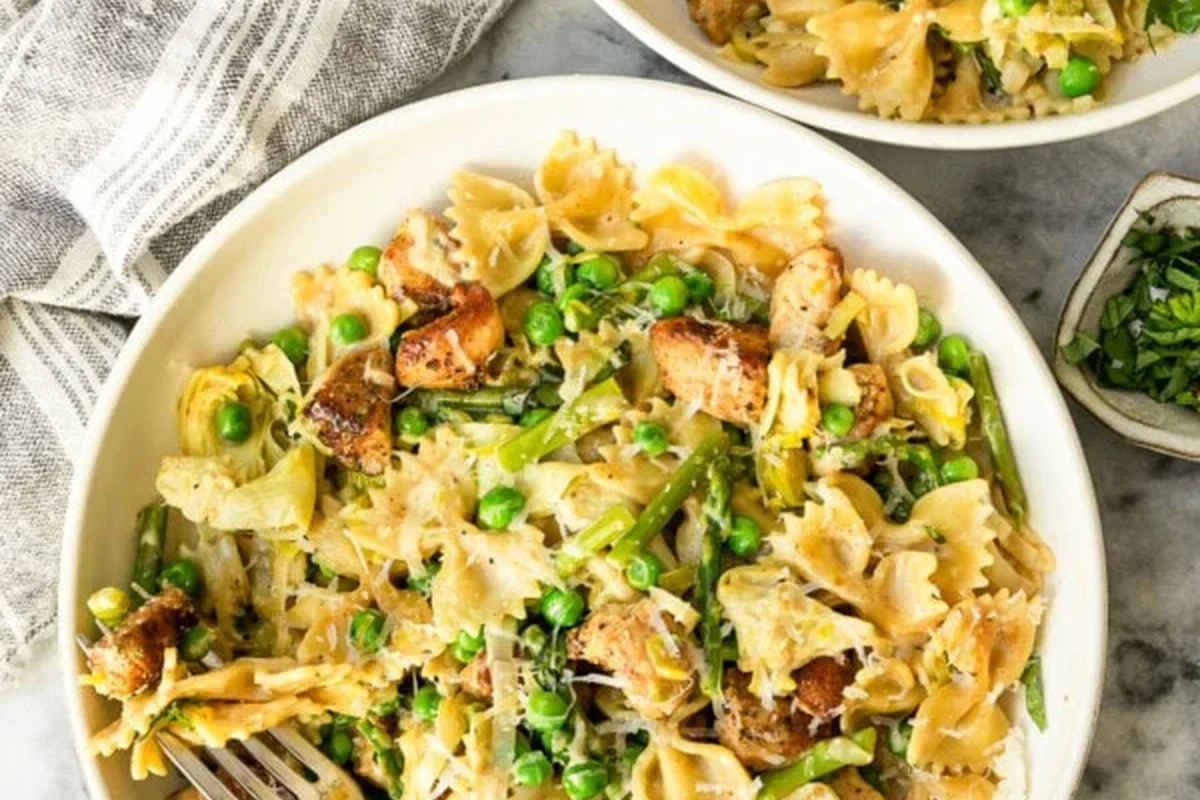
Classic sides stay popular for a reason. They’re easy, familiar, and they make pasta dinner feel finished. If you want a safe choice, start here.
Garlic bread and crusty bread
Garlic bread is the most common pasta side for a reason. It helps scoop up sauce and adds a crisp bite. Crusty bread does the same thing with a simpler taste.
If the pasta is already rich, choose a plain loaf. If the pasta is light, garlic bread can add more flavor without much effort.
Simple green salads
A green salad gives pasta dinner freshness. It cuts through rich sauce and keeps the meal from feeling too heavy. Use lettuce, cucumber, tomato, or whatever you have.
Keep the dressing light if the pasta already has cream or cheese. A sharp vinaigrette often works well with tomato-based pasta.
Roasted vegetables and steamed vegetables
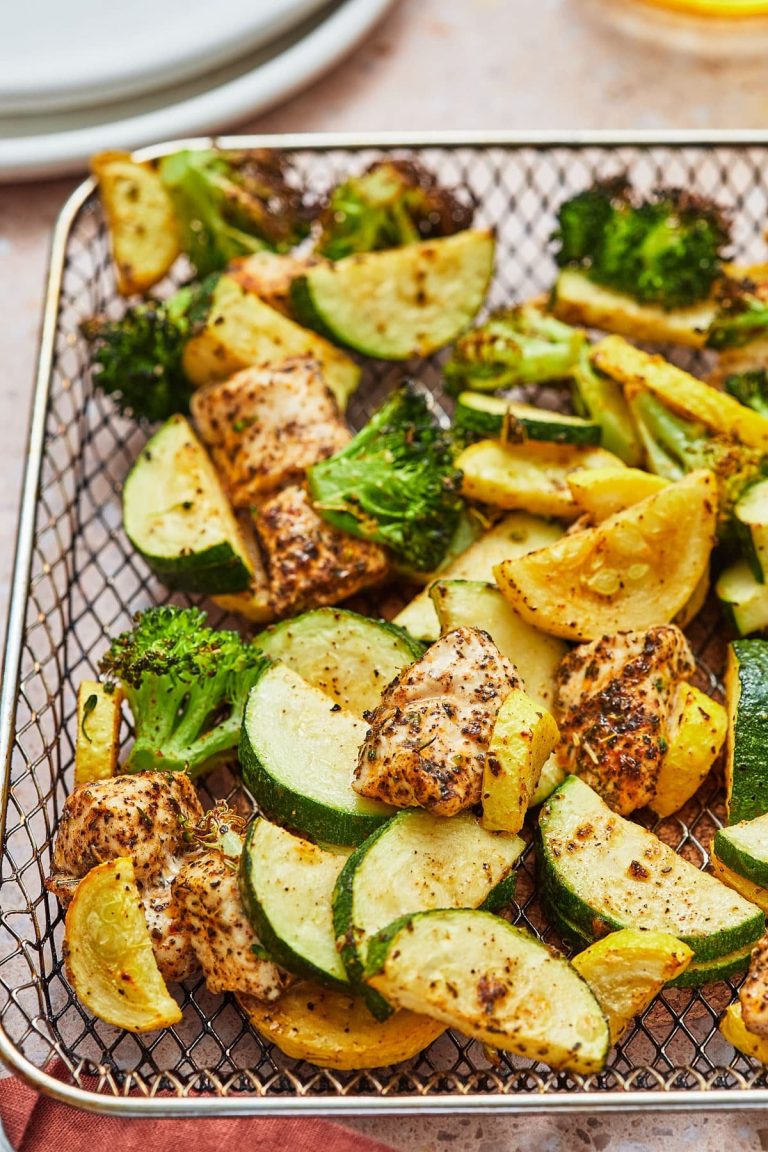
Vegetables are one of the easiest ways to improve a pasta plate. Roasted broccoli, zucchini, carrots, or peppers add color and a deeper taste.
Steamed green beans or spinach work when you want something faster. They also fit well with lighter pasta dishes.
Vegetable pairings can change by sauce and pasta shape. A heavy cream sauce often needs a sharper vegetable, while tomato sauce works with many mild ones.
Soup and antipasto as starter options
Soup works well when pasta is the main event. A small bowl of minestrone or broth-based soup can warm up the meal without making it too rich.
Antipasto is another smart choice. Olives, marinated vegetables, cheese, and cured meat can turn a simple pasta plate into a fuller dinner.
Best Proteins to Serve with Pasta
Protein helps pasta feel more filling. It also gives the meal a stronger main-dish feel. The best protein depends on the sauce and the pasta shape.
Chicken, shrimp, and meatballs
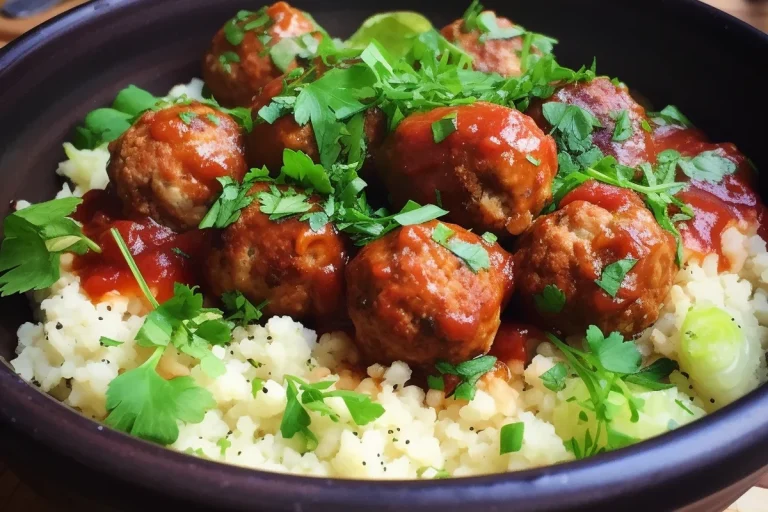
Chicken works well with many pasta dishes because it has a mild taste. Shrimp is great with garlic, lemon, or olive oil sauces. Meatballs are a classic match for red sauce.
These choices work because they are easy to portion. You can add a little or a lot, depending on how hearty you want dinner to be.
Italian sausage, salmon, and tuna
Italian sausage brings bold flavor and works best with tomato sauce or baked pasta. Salmon fits better with lighter sauces, herbs, and vegetables.
Tuna is a useful pantry option. It works especially well in simple olive oil pasta or quick tomato pasta.
Plant-based protein ideas for meatless meals
If you want a meatless dinner, there are plenty of good choices. Beans, lentils, tofu, chickpeas, and cheese can all add protein.
For a simple meal, try chickpeas with pesto pasta or white beans with tomato sauce. Tofu works best when it has enough seasoning and texture.
Pasta dishes often taste better when you save a little cooking water. That starchy water helps sauce cling to the noodles.
How to Build a Balanced Pasta Dinner
A balanced pasta dinner does not need to be fancy. It just needs a few smart parts that work together. Sauce, protein, and a side should each play a role.
Choosing a sauce, protein, and side
Start with the sauce. Then choose a protein that fits it. Finish with a side that adds contrast.
For example, tomato sauce pairs well with meatballs and salad. Alfredo works well with chicken and steamed broccoli. Pesto tastes great with shrimp and roasted vegetables.
Adding color, crunch, and freshness
Color makes pasta look more appetizing. Crunch gives each bite more interest. Fresh herbs, salad, and crisp vegetables all help.
If your pasta is creamy, add something bright. If your pasta is light, add something with more texture or salt.
Portion tips for a filling meal
Use pasta as the base, not the whole meal. A moderate bowl with sides often feels more satisfying than a huge plate alone.
If you want a lighter meal, use more vegetables and less sauce. If you want a heartier meal, add protein and bread.
- Keep one part of the meal crisp.
- Keep one part of the meal fresh.
- Keep one part of the meal warm and filling.
What to Eat with Different Types of Pasta
Different pasta shapes shine with different foods. The shape changes how sauce and toppings stick to each bite. That’s why the best pairing can shift from one dish to another.
Spaghetti, penne, fettuccine, and ravioli
Spaghetti works best with smooth sauces, meatballs, and simple vegetables. Penne holds thick sauce, sausage, and chopped vegetables well.
Fettuccine fits creamy sauces and tender proteins. Ravioli already has filling, so keep the sides simple and light.
| Option | Best For | Key Consideration |
|---|---|---|
| Spaghetti | Tomato sauce, meatballs, shrimp | Needs light sides that do not crowd the plate |
| Penne | Chunky sauce, sausage, vegetables | Holds thicker ingredients well |
| Fettuccine | Cream sauce, chicken, mushrooms | Works best with richer meals |
| Ravioli | Butter, herbs, salad, simple vegetables | Already filling, so keep sides modest |
Best pairings for red sauce, cream sauce, and pesto
Red sauce usually likes bold foods. Think meatballs, sausage, garlic bread, and salad. The tomato flavor can handle stronger sides.
Cream sauce needs balance. Use chicken, broccoli, peas, or mushrooms. Pesto tastes best with lighter foods like shrimp, tomatoes, green beans, or grilled chicken.
Light pasta dishes versus rich pasta dishes
Light pasta dishes need a little help. Add a protein or a bread side so the meal feels complete. A simple olive oil pasta can also use extra vegetables.
Rich pasta dishes need restraint. If the pasta already has cream, cheese, or sausage, keep the side lighter. A salad or steamed vegetable is often enough.
Common Mistakes When Serving Pasta
It’s easy to overbuild a pasta dinner. The good news is that a few small fixes can make a big difference. Most mistakes come from too much heaviness or too little balance.
Too many heavy sides
Heavy pasta plus heavy bread plus heavy meat can feel like too much. The meal may taste good, but it can also feel exhausting.
Pick one rich item and one lighter item. That usually gives you a better result.
Skipping vegetables and freshness
Many pasta meals miss a fresh element. Without it, the dish can taste flat. Even a small salad or a handful of herbs helps.
Freshness also makes leftovers better. It keeps the meal from tasting dull the next day.
Poor sauce and side matching
Not every side fits every sauce. A delicate pesto can get lost next to heavy bread and sausage. A rich cream sauce can feel flat with bland sides.
Think about contrast. Use bold sides with simple pasta and simple sides with bold pasta.
Overlooking diet needs and allergies
Always check for allergy needs and food limits. Pasta dinner often includes gluten, dairy, eggs, nuts, or seafood.
If you cook for others, ask about allergies before serving. When in doubt, read labels and follow the product package and recipe notes carefully.
If someone needs a special diet, choose simple ingredients. That makes it easier to swap in safe options.
Budget, Convenience, and Meal Planning Tips
Pasta is already a smart budget meal. With a few low-cost add-ons, you can stretch it into dinner for more people. You can also plan ahead and save time later in the week.
Low-cost sides that stretch a pasta meal
Bagged salad, frozen vegetables, bread, and canned beans are all useful. They cost less than many full side dishes and work with many pasta recipes.
Eggs, tuna, and chickpeas can also stretch a meal without much effort. These are especially handy when the fridge looks bare.
Make-ahead ideas for weeknight dinners
You can prep sauce, chop vegetables, or cook protein ahead of time. That makes pasta night much easier. Even washing salad greens early can save time.
Store prepped food safely and follow normal fridge rules for your household. If you’re unsure about storage time, use your recipe notes or trusted food safety guidance.
How to use leftovers without waste
Leftover pasta can become lunch, a baked casserole, or a cold pasta salad. Leftover vegetables can go into the sauce or side dish the next day.
Leftover chicken, sausage, or shrimp also works well in pasta. Just reheat it safely and avoid overcooking it.
- Use one side, one protein, and one fresh element.
- Match rich pasta with lighter sides.
- Match simple pasta with bolder sides.
Final Recommendation: The Best Pasta Dinner Formula
If you want the easiest answer to what to eat with pasta, use this formula: pasta, sauce, protein, and one fresh side. That gives you a meal that feels complete and still stays simple.
Simple winning combinations for different tastes
For comfort food, try spaghetti, meatballs, garlic bread, and salad. For a lighter dinner, try pesto pasta, grilled chicken, and roasted vegetables.
For a meatless meal, try penne with tomato sauce, white beans, and a green salad. For something richer, try fettuccine, chicken, and steamed broccoli.
When to keep it light and when to go hearty
Keep it light when the pasta already has cream, cheese, or lots of oil. Add more vegetables and a simple side in that case.
Go hearty when the pasta is plain or tomato-based. Then protein and bread can help round out the meal.
Best overall choice for a reliable family dinner
The most reliable family dinner is usually pasta with a tomato-based sauce, a simple protein, and a green salad. It’s easy, flexible, and works for many tastes.
In short, the best pasta dinner is the one that balances flavor, texture, and effort. Keep it simple, and you’ll usually get the best result.
Frequently Asked Questions
Garlic bread and a simple green salad are two of the easiest choices. They add crunch and freshness without making the meal too heavy.
Chicken, shrimp, meatballs, and Italian sausage are all strong choices. The best match depends on the sauce and how rich you want the meal to feel.
Roasted broccoli, zucchini, peppers, mushrooms, and steamed green beans all work well. Fresh salad and herbs also help balance rich pasta dishes.
Add protein, a side dish, or both. Beans, chicken, meatballs, bread, and roasted vegetables can all make pasta feel like a full meal.
Creamy pasta usually pairs best with lighter sides like salad, broccoli, or grilled chicken. This helps keep the meal from feeling too heavy.
Use chunky foods with short pasta like penne and lighter foods with long pasta like spaghetti. Ravioli usually needs simple sides because it is already filling.