Does Pasta Have Fiber What You Need to Know

Yes, pasta can have fiber, but the amount depends on the type. Whole wheat and legume pastas usually give more fiber than regular white pasta.
Yes, pasta can have fiber. But the amount depends a lot on the type you choose. White pasta has little fiber, while whole wheat, legume-based, and some veggie pastas can give you much more.
Fiber content can vary by brand, shape, and recipe. Always check the nutrition label if you want a clear number.
- White pasta: Usually low in fiber because it uses refined flour.
- Whole wheat pasta: A simple way to get more fiber at dinner.
- Legume pasta: Often the highest-fiber pasta option.
- Portion size: Bigger servings change the fiber total fast.
- Meal balance: Vegetables and beans can raise fiber a lot.
Does Pasta Have Fiber? The Short Answer and What It Means
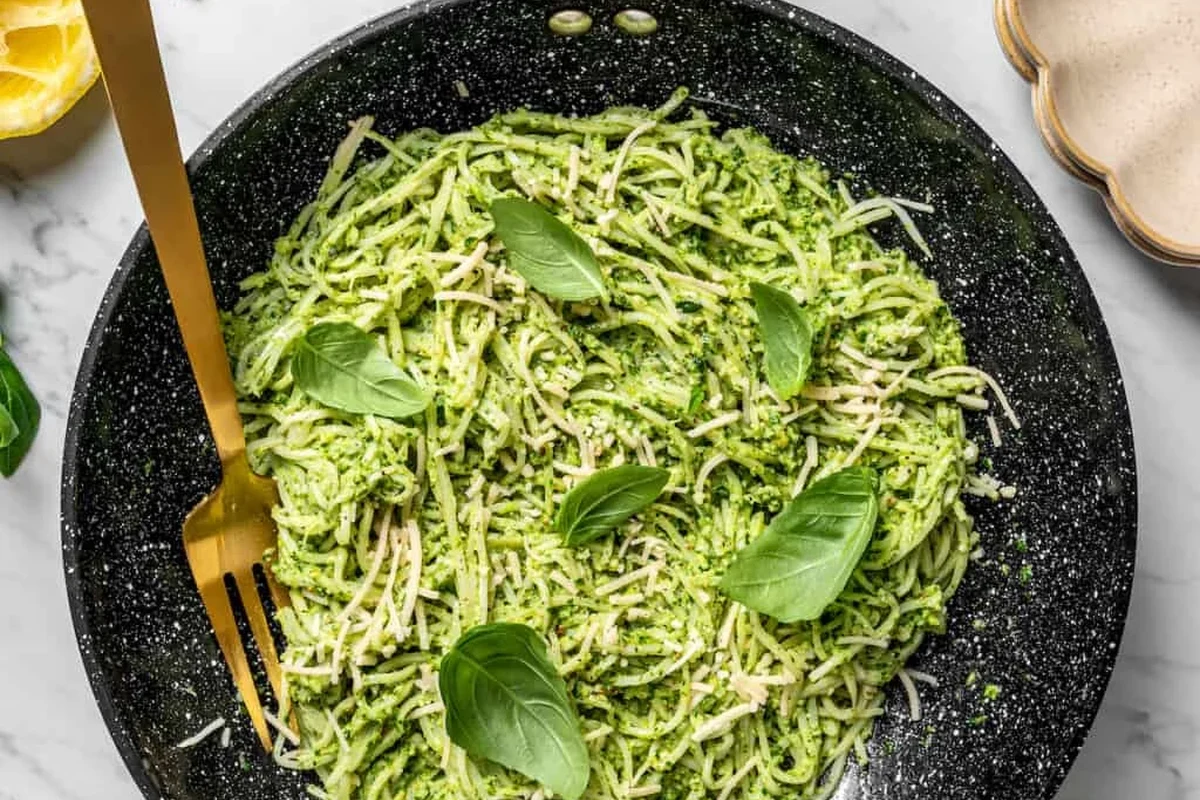
Pasta does have fiber, but not all pasta gives you the same amount. If you eat regular refined pasta, you may get only a small amount per serving. If you choose a less processed pasta, you can get a better fiber boost.
That matters because fiber helps with fullness and can support regular digestion. It also helps balance a meal when you pair pasta with the right toppings.
White Pasta vs Whole Wheat Pasta
White pasta usually comes from refined wheat flour. During refining, the bran and germ are removed. That lowers the fiber.
Whole wheat pasta keeps more of the grain. That means it usually has more fiber and a nuttier taste. It may also feel a bit firmer after cooking.
Why Fiber Content Changes by Type
Different pastas start with different ingredients. Some use only refined wheat. Others use whole grains, beans, lentils, or added vegetables.
Processing also matters. More refined pasta usually has less fiber. Less processed grain often keeps more of the parts that contain fiber.
Fiber is part of the plant cell wall. That means it shows up more in whole grains, beans, and vegetables.
How Much Fiber Is in Pasta?
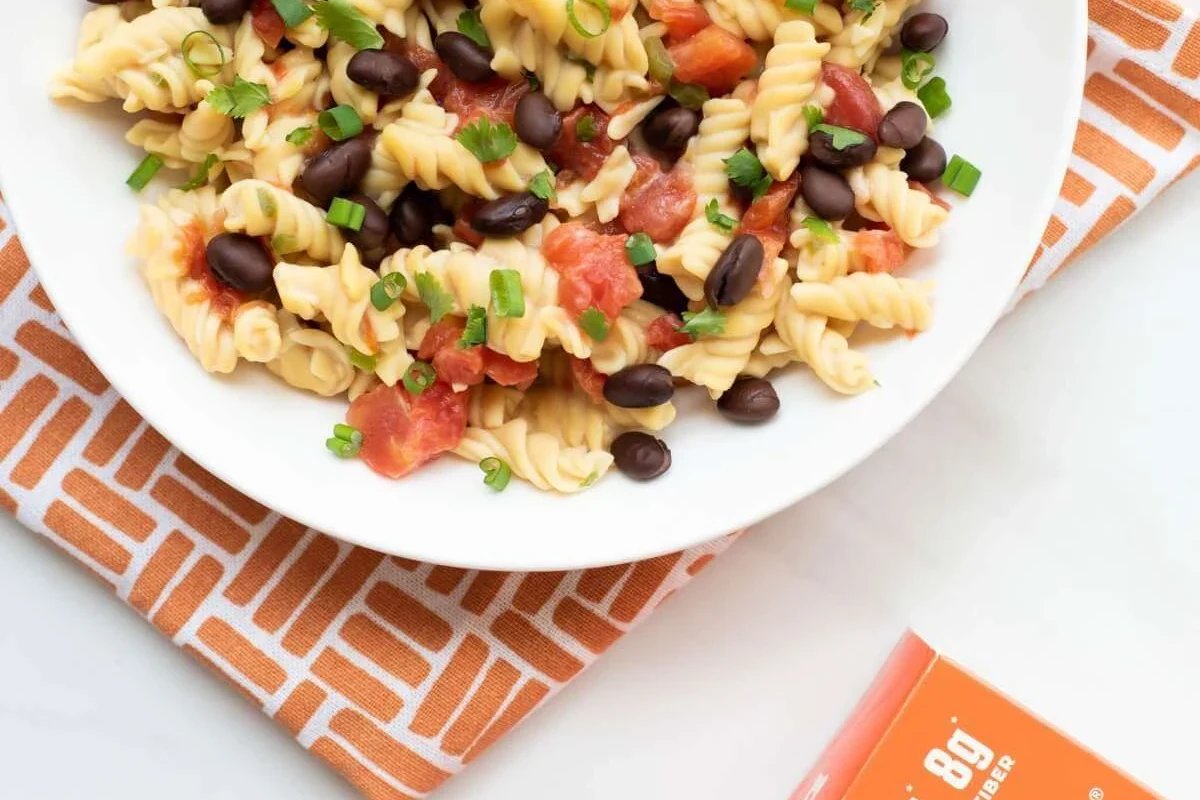
The exact amount depends on the pasta type and serving size. A small serving of refined pasta may have very little fiber. Whole grain and legume pastas often have several times more.
Typical Fiber Counts Per Serving
Regular white pasta often has low fiber. Whole wheat pasta usually has more. Bean or lentil pasta can have even more, though the exact amount varies by brand.
For example, one serving may look small on the box, but that serving is the number nutrition labels use. If you eat a bigger bowl, you’ll get more fiber, but you’ll also get more calories and carbs.
What the Nutrition Label Can Tell You
The nutrition label is your best guide. Look for the fiber line under carbohydrates. That tells you how much fiber one serving provides.
You should also check the ingredient list. If the first ingredient is enriched wheat flour, the pasta is likely lower in fiber than a whole grain option.
How Serving Size Changes the Numbers
Serving size matters a lot. A label may list fiber for a small dry portion, not the full plate you serve yourself.
If you double the serving, you double the fiber. That sounds helpful, but it can also make the meal much larger than you planned.
Use the label serving size as a starting point. Then compare it with the amount you usually eat at home.
What Affects the Fiber in Pasta?
Several things change pasta fiber. The biggest ones are the flour used, added ingredients, and whether the pasta is fresh or dried.
Refined Flour vs Whole Grains
Refined flour gives pasta a smooth texture and mild taste. It also removes much of the fiber.
Whole grains keep more of the grain. That usually means more fiber, more flavor, and a slightly heavier bite.
Added Ingredients Like Lentils, Chickpeas, and Veggies
Some pastas use lentil flour, chickpea flour, or vegetable blends. These can raise the fiber much more than standard wheat pasta.
They can also change the taste and texture. Some people love that. Others need time to get used to it.
Fresh Pasta vs Dried Pasta
Fresh pasta often has a softer texture and may use different flour mixes. It can be lower in fiber if it uses refined flour.
Dried pasta can also be low or high in fiber. The key is not fresh versus dried alone. It’s the grain choice and recipe.
Is Pasta a Good Source of Fiber?
Pasta can help with fiber, but it usually should not be your only source. Think of it as one piece of the meal, not the whole plan.
When Pasta Helps You Reach Daily Fiber Goals
High-fiber pasta can make a real difference. This is true if you choose whole wheat or legume pasta and build the meal well.
It works best when you add vegetables, beans, or a tomato-based sauce. That way, the pasta supports the meal instead of carrying all the fiber alone.
When Pasta Falls Short
Regular white pasta may not give you much fiber. If your meal is mostly pasta and cheese, the fiber will stay low.
That can leave you less full than you hoped. It may also make it harder to meet daily fiber goals.
Who May Need More Fiber From Other Foods
People who want better digestion, more fullness, or better meal balance may need more than pasta can give. That’s especially true if they often eat refined pasta.
In that case, add fiber from vegetables, beans, fruit, oats, or whole grains during the day.
If you have a medical condition that affects fiber needs, ask a doctor or dietitian for advice. Fiber needs can vary a lot by person.
Best Pasta Choices If You Want More Fiber
If fiber is your goal, some pasta types are clearly better than others. The best choice depends on taste, texture, and how you plan to serve it.
Whole Wheat Pasta
Whole wheat pasta is an easy upgrade from white pasta. It usually has more fiber and works in many classic recipes.
It’s a strong choice if you want a familiar pasta shape with a better nutrition profile.
Legume-Based Pasta
Legume pasta uses ingredients like lentils, chickpeas, or black beans. These pastas often bring more fiber and more protein than regular pasta.
They can be a smart pick if you want a heartier meal. Just expect a different taste and firmer texture.
High-Fiber Veggie Pasta
Some pastas include vegetable powders or blends. These can add some fiber, but the amount varies a lot.
Don’t assume veggie pasta is automatically high in fiber. Check the label before you buy.
Which Option Fits Different Needs
Whole wheat pasta is best if you want a simple swap. Legume pasta is best if you want the biggest fiber jump.
Veggie pasta can be a nice middle ground, but the label matters most. Choose the one you’ll actually enjoy eating.
Whole wheat pasta fits most familiar recipes.
Legume pasta often gives the biggest boost.
How to Add More Fiber to a Pasta Meal
Even if your pasta is low in fiber, the rest of the dish can make up for it. This is where smart cooking really helps.
Use Fiber-Rich Sauces and Vegetables
Tomato sauce usually adds more fiber than cream sauce. It also pairs well with vegetables.
Add mushrooms, spinach, peppers, zucchini, or onions. These ingredients make the meal more filling and more balanced.
Add Beans, Lentils, or Greens
Beans and lentils are easy fiber boosters. You can stir them into red sauce or mix them with olive oil and herbs.
Leafy greens also work well. A handful of spinach can soften into hot pasta in seconds.
Choose Smart Toppings and Sides
Use nuts, seeds, or roasted vegetables for extra texture and fiber. A side salad can also help round out the plate.
Try to avoid making pasta only about cheese and butter. Those taste great, but they do not add much fiber.
- Mix pasta with vegetables to stretch each serving.
- Choose tomato sauce over cream sauce for more fiber.
- Add beans for a bigger nutrition boost.
Common Mistakes People Make About Pasta and Fiber
People often guess wrong about pasta nutrition. A few small mistakes can change the whole picture.
Assuming All Pasta Has the Same Nutrition
Not all pasta is the same. White pasta, whole wheat pasta, and chickpea pasta can be very different.
That’s why the box matters more than the shape. Spaghetti and penne can both be low or high in fiber.
Ignoring Portion Size
It’s easy to pour too much into the pot. Then the meal gets bigger than the label suggests.
That does not make the food bad. It just means the nutrition numbers no longer match the serving on the box.
Forgetting the Rest of the Plate
Pasta alone rarely gives you a full fiber-rich meal. The sauce, vegetables, and sides matter too.
If you only focus on the noodles, you may miss an easy chance to improve the whole dish.
- White pasta is usually low in fiber.
- Whole wheat and legume pasta usually give more fiber.
- Serving size and toppings change the final number.
Final Recommendation: How to Choose the Right Pasta for Your Goals
The best pasta for you depends on your goal. If you want comfort and flexibility, regular pasta can still fit. If you want more fiber, choose a better base and build a smarter meal.
Best Picks for Everyday Eating
Whole wheat pasta is a solid everyday choice. It keeps the meal familiar while giving you more fiber than refined pasta.
If your family is picky, this is often the easiest upgrade to make.
Best Picks for Higher Fiber Needs
Legume-based pasta is usually the strongest pick for fiber. It also adds more protein, which can help make meals feel more complete.
If you want the biggest nutrition boost, start there and see if you like the taste.
Simple Bottom Line for Red Kitchen Project Readers
So, does pasta have fiber? Yes, but the amount depends on the type. White pasta has less, while whole wheat and legume pastas have more.
If you want a better fiber meal, check the label, watch your portion, and add vegetables or beans. That’s the easiest way to turn pasta into a more balanced dinner.
Choose whole wheat pasta for a simple fiber upgrade. Choose legume pasta if you want the highest fiber, but expect a different taste and texture.
Frequently Asked Questions
No, not all pasta has the same amount of fiber. White pasta is usually low in fiber, while whole wheat and legume pastas usually have more.
Check the nutrition label for the fiber line under carbohydrates. The ingredient list can also help you tell if the pasta uses whole grains or refined flour.
Whole wheat pasta usually has more fiber than white pasta, but the exact amount varies by brand. Always read the label if fiber is important to you.
Legume-based pasta often has the most fiber, though the amount depends on the brand and ingredients. Whole wheat pasta is also a good higher-fiber choice.
Add vegetables, beans, lentils, or greens to the dish. A tomato-based sauce and a side salad can also help build a more balanced meal.
Usually no, especially if you eat refined pasta. It works better as part of a meal that also includes vegetables, beans, fruit, and whole grains.