How Many Calories in 2 Cups of Pasta A Simple Guide

Two cups of cooked pasta usually have about 350 to 450 calories. Two cups of dry pasta can be about 700 to 800 calories or more.
If you’re asking how many calories are in 2 cups of pasta, the short answer is this: it depends on whether the pasta is cooked or dry. Two cups of cooked pasta usually land around 350 to 450 calories, while 2 cups of dry pasta can be much higher, often around 700 to 800 calories or more.
That gap surprises a lot of home cooks. The reason is simple. Pasta swells as it cooks, so a cup of dry pasta is not the same as a cup of cooked pasta.
- Cooked vs. dry: The form you measure changes the calorie total most.
- Typical cooked amount: Two cups cooked pasta is often near 400 calories.
- Typical dry amount: Two cups dry pasta is much higher and makes a larger batch.
- Add-ons matter: Sauce, oil, cheese, and meat can change the meal a lot.
How Many Calories Are in 2 Cups of Pasta
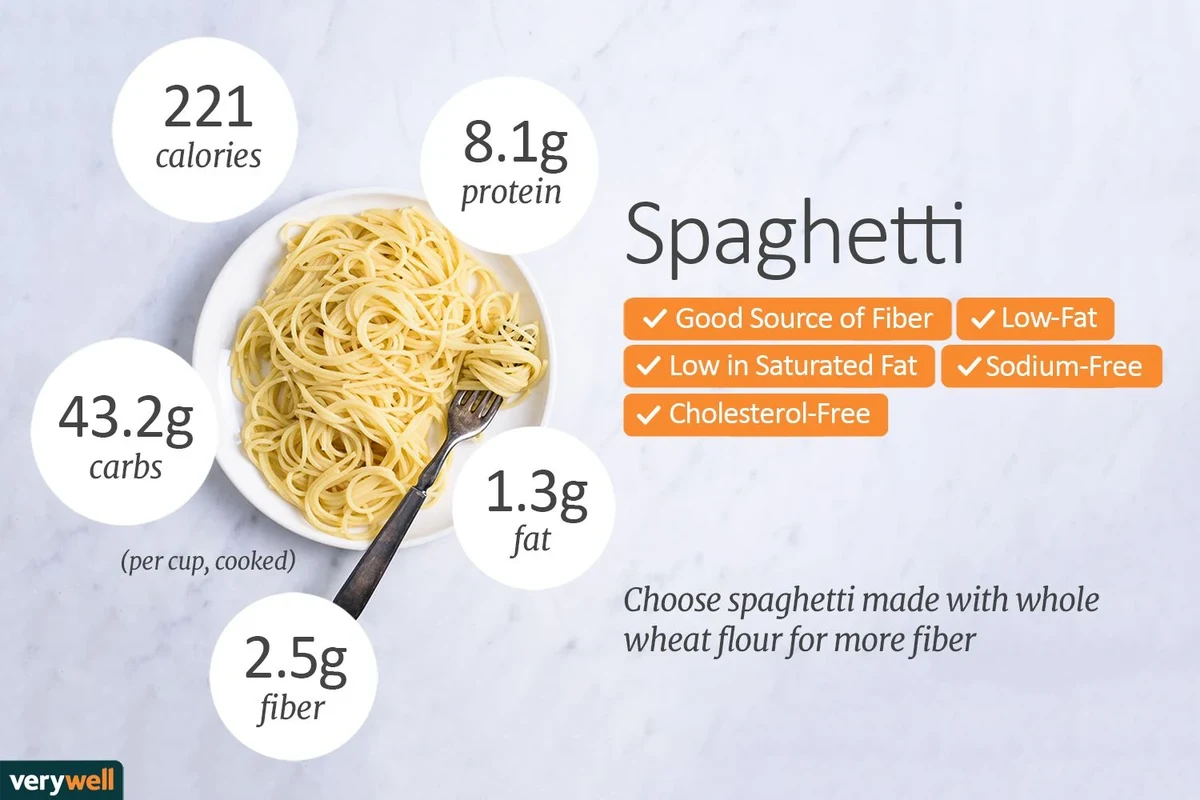
The calorie count for 2 cups of pasta changes a lot based on the form you measure. Cooked pasta has absorbed water, so it weighs more but does not gain calories from the water.
Dry pasta is dense. Two cups of dry pasta can make a large pot of cooked pasta, which is why the calorie total is much higher.
Direct answer for cooked and dry pasta
For most plain pasta, 2 cups cooked usually equals about 350 to 450 calories. A common estimate for regular white pasta is near 400 calories for 2 cooked cups.
For 2 cups dry pasta, the count is often about 700 to 800 calories, depending on shape and brand. Some denser styles can run a little higher.
Why the number changes by pasta type
Different pasta types use different flours and add-ins. That changes the calorie count per cup.
Shape also matters. Small shapes pack more tightly into a cup than long noodles, so the same cup can hold more pasta by weight.
Pasta calories come from the dry dough, not the water it absorbs while cooking.
What Counts as 2 Cups of Pasta

“2 cups of pasta” sounds clear, but it can mean very different things in the kitchen. A cup of cooked bow ties is not the same as a cup of cooked spaghetti.
That is why measuring by volume can be tricky. Weight gives you a cleaner number.
Cooked pasta versus uncooked pasta
Two cups cooked pasta usually means pasta after it has boiled and drained. Two cups uncooked pasta means the dry product before cooking.
Those two amounts are not close in calories. In most cases, 2 cups dry pasta make far more than 2 cups cooked pasta.
Calories can vary by brand, shape, and recipe. Nutrition labels on the package are the best starting point.
How shape and size affect the cup measure
Short pasta, like penne or rotini, fills a cup more evenly. Long pasta, like spaghetti or linguine, leaves more air gaps unless it is packed down.
That means 2 cups of one shape may weigh more than 2 cups of another. For calorie tracking, that difference matters.
Calories by Pasta Type and Style
Not all pasta has the same calorie count. The flour blend, egg content, and protein boost all change the total.
If you track calories closely, check the nutrition label on the exact package. That gives you the best number for your pantry.
White pasta, whole wheat pasta, and protein pasta
White pasta is the most common baseline. Two cups cooked often come in around 400 calories.
Whole wheat pasta can be close to that number. It may be a little lower or a little higher, depending on the brand.
Protein pasta varies more. Some brands use lentils, chickpeas, or added protein, and the calorie count can shift a lot.
Usually the standard calorie reference for quick meal planning.
Often similar in calories, with a firmer texture and more fiber.
Fresh pasta, gluten-free pasta, and egg pasta
Fresh pasta often has a different texture and moisture level. It can be more calorie dense by weight, but labels vary a lot.
Gluten-free pasta also changes by ingredient. Rice, corn, lentil, and chickpea blends do not all match.
Egg pasta usually has a richer taste and may carry more calories than plain dried pasta. Again, the package label matters most.
How sauce, oil, and cheese change the total
Pasta alone is only part of the meal. Sauce, oil, butter, and cheese can raise calories fast.
A light tomato sauce adds less than a creamy sauce. A spoon of olive oil or a heavy sprinkle of cheese can add up quickly.
Recipe toppings can change the calorie total more than the pasta itself. Measure add-ins if you need accuracy.
How to Measure Pasta the Right Way
If you want a better calorie estimate, start with a clear measuring method. Cups work, but a kitchen scale works better.
That is especially true when you cook for meal prep or track food intake closely.
Using cups, a scale, or pasta tools
Cups are easy and familiar. Still, they can be loose or packed, which changes the amount.
A scale gives you the most exact result. Pasta tools can also help you portion dry spaghetti or similar shapes.
Common measuring mistakes to avoid
One common mistake is using a cooked cup when the recipe means dry pasta. Another is packing pasta too tightly into the cup.
People also forget that sauce and toppings count. That can make a “400-calorie bowl” much larger in real life.
- Check whether the serving size is dry or cooked.
- Use the package label for the exact pasta brand.
- Measure sauces, oil, and cheese when tracking calories.
- Do not guess portions from a full bowl.
- Do not compare dry and cooked cups as equal.
- Do not ignore add-ons if you want a real total.
What Affects the Calorie Count Most
The biggest factor is whether you measure dry or cooked pasta. After that, brand and shape matter most.
Cooking time changes texture more than calories. It can affect how much water the pasta holds, though.
Dry weight, water absorption, and cooking time
Dry pasta has the calories. Water adds weight and volume, but no calories.
Longer cooking can make pasta softer and heavier with water. That can change how a cup looks, but not the calories in the dry pasta itself.
Portion size, serving labels, and recipe differences
Package serving sizes often list dry pasta. Restaurant portions and home recipes may use cooked pasta instead.
That makes a big difference when you compare numbers. A bowl that looks moderate can still contain two servings or more.
- Weigh dry pasta before cooking for the most accurate count.
- Save the package until dinner if you need the label again.
- Track sauces and toppings as separate ingredients.
How to Use This in Real Meals
Once you know the rough calorie range, you can plan meals with less guesswork. That helps with family dinners, lunch prep, and weight goals.
It also makes pasta less stressful. You do not need to avoid it. You just need a clear portion.
Meal prep, weight goals, and family dinners
For meal prep, weigh dry pasta in advance if you can. That keeps each container close to the same calorie count.
For family dinners, a cooked cup measure works fine if you are not tracking tightly. It is simple and fast.
Easy ways to cut or raise calories
To lower calories, use more vegetables and less oil. Tomato-based sauces usually stay lighter than cream sauces.
To raise calories, add olive oil, cheese, nuts, or meat. That can help if you need a more filling meal.
Common Mistakes and Simple Fixes
Most pasta calorie mistakes are easy to fix. The key is slowing down long enough to measure the right thing.
That small habit can save you from big tracking errors.
Mixing up cooked and uncooked measurements
This is the most common problem. A cup of dry pasta is not the same as a cup of cooked pasta.
If the recipe is unclear, check the wording. If it still feels vague, use the package label and a scale.
You logged 2 cups of pasta, but the number seems too low or too high.
Check if the amount was dry or cooked, then confirm the brand’s nutrition label.
Guessing portions instead of measuring
Guessing works poorly with pasta. A full plate can hide a very large portion.
If you care about calories, use a cup or scale for at least a few meals. That builds a better eye for size.
Forgetting added ingredients and toppings
Oil, butter, cheese, cream, and meat can change the meal more than the pasta. Even a small amount adds up.
When in doubt, measure the extras too. That gives you a truer total.
- Two cups cooked pasta usually equals about 350 to 450 calories.
- Two cups dry pasta can be about 700 to 800 calories or more.
- Shape, brand, and added ingredients all change the total.
- A kitchen scale gives the best calorie estimate.
Best Takeaway for Pasta Portions in 2026
Two cups of pasta can be a fair serving, but only if you know whether it is cooked or dry. For most people, 2 cups cooked is a normal meal portion, while 2 cups dry is a much larger amount.
If you track calories, the safest move is to weigh the dry pasta and read the label. If you just want a simple home-cooking rule, assume 2 cups cooked pasta is around 400 calories before sauce and toppings.
When 2 cups is a fair serving and when it is not
Two cups cooked makes sense for a main meal, especially with vegetables or lean protein. It may be too much if you are watching portions closely.
Two cups dry is usually not a single serving. It often feeds more than one person once cooked.
Final recommendation for readers tracking calories
If you want the cleanest answer, use dry weight and the package label. That gives you the most honest calorie count.
If you only have a cup measure, treat 2 cups cooked pasta as roughly 400 calories, then add sauce and toppings on top. That keeps your estimate useful without making it too complicated.
Frequently Asked Questions
Two cups of cooked pasta usually have about 350 to 450 calories. Plain white pasta often lands near 400 calories before sauce or toppings.
Two cups of dry pasta are much higher, often around 700 to 800 calories or more. Dry pasta is dense, so it makes a much larger cooked portion.
Yes, shape can change how much pasta fits in a cup by weight. Short pasta, long pasta, and stuffed pasta can all give different totals.
Not always. Whole wheat pasta is often close to white pasta in calories, though it may have more fiber.
Sauce, oil, butter, cheese, and meat can raise the total fast. These extras often matter as much as the pasta itself.
Weigh the dry pasta and check the package label for the most accurate count. Cups work too, but they are less exact than a scale.