How Long Does Tomato Paste Last in the Fridge Safely

Opened tomato paste usually lasts 5 to 7 days in the fridge. Store it in a clean airtight container and toss it if you see mold or smell anything off.
Opened tomato paste usually lasts about 5 to 7 days in the fridge when stored well. If you move it to a clean, airtight container right away, it may stay usable a bit longer, but quality drops fast after a week.
- Best fridge window: Use opened tomato paste within 5 to 7 days.
- Safe storage: Move it to a clean airtight container right away.
- Bad signs: Mold, slime, sour smell, or odd color mean toss it.
- Better habit: Label the date so you can track freshness easily.
How Long Does Tomato Paste Last in the Fridge Safely

The short answer is simple. Once opened, tomato paste is best used within 5 to 7 days in the fridge.
If you keep it cold, sealed, and clean, it can stay safe for a little while. But for best taste and texture, don’t stretch it too far.
The quick answer for opened tomato paste
Most home cooks should treat opened tomato paste like a short-life fridge item. A week is the safest practical limit for quality.
If the paste came from a tube, it may last a little longer than paste from a can. That said, you still need to check for smell, color, and mold before using it.
What changes the shelf life after opening
Several things affect how long tomato paste lasts in the fridge. The biggest ones are air, moisture, and how clean your tools are.
The more often the paste gets exposed, the faster it can spoil. Warm fridge spots can also shorten its life.
Tomato paste from a can, tube, or jar can age at different speeds. The container type matters, but the storage habits matter even more.
How Tomato Paste Storage Works

Tomato paste is thick, concentrated, and acidic. That helps slow spoilage, but it does not stop it.
Cold storage slows the growth of many germs. It also helps the paste hold its color and flavor for longer.
Why cold storage slows spoilage
Fridge temperatures make it harder for bacteria and mold to grow fast. That is why opened tomato paste should go into the fridge right away.
Cold air also slows down the chemical changes that make the paste taste flat or sour.
How air, moisture, and germs affect quality
Air dries out the surface and can change the taste. Moisture from wet spoons or lids can invite mold.
Germs often come from hands, utensils, or food bits left in the container. Clean handling makes a big difference.
Tomato paste is more concentrated than tomato sauce. That means it often keeps its flavor better, but it still needs careful storage.
Signs Your Tomato Paste Is Still Good
Before you use old tomato paste, give it a quick check. A fast look and smell test can save you from a bad meal.
When in doubt, toss it out. Tomato paste is cheap compared with the risk of spoiled food.
Color, smell, and texture checks
Good tomato paste should still look deep red or dark red. A little darkening on top can happen, but it should not smell sharp or rotten.
The texture should be thick and smooth. If it looks dry, watery, or oddly separated, check it more closely.
- Smell the paste before you scoop it.
- Check the surface for fuzzy spots.
- Use a clean spoon every time.
When mold means you should toss it
If you see mold, throw the whole container away. Do not scrape off the top and use the rest.
Mold can spread beyond what you see. That rule matters even more with thick foods like tomato paste.
If tomato paste shows mold, a sour smell, or a slimy feel, do not taste it. Throw it out right away.
Best Ways to Store Tomato Paste in the Fridge
Good storage starts the moment you open the can or tube. A few small habits can add real shelf life.
The goal is simple. Keep air out, keep moisture out, and keep it cold.
Using airtight containers or jars
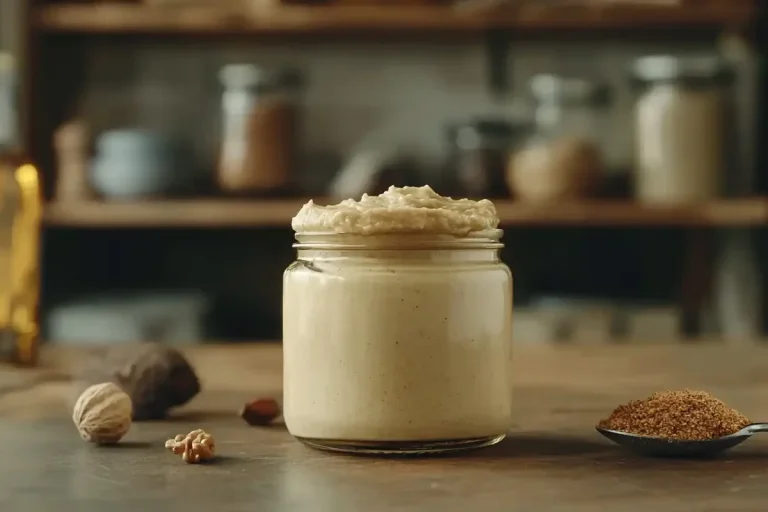
Move leftover paste from an opened can into a clean, airtight container. A small glass jar or food-safe plastic container works well.
Try to choose a container that fits the amount of paste. Less empty space means less air touching the food.
Portioning paste for easier use
Small portions help a lot. You can spoon paste into ice cube trays, then freeze the extras for later.
For fridge use, keep only what you expect to use soon. That cuts waste and lowers the chance of spoilage.
Labeling dates for safer tracking
Write the opening date on the lid or container. This makes it easy to know when the paste should be used or tossed.
If you share a fridge with others, labels help everyone stay on the same page.
- Use a clean, dry container
- Seal it tightly
- Mark the opening date
- Keep it in the coldest safe fridge area
Common Mistakes That Shorten Freshness
Most spoiled tomato paste problems come from simple habits. The good news is that these are easy to fix.
Once you know the trouble spots, it gets much easier to keep paste fresh.
Leaving the can open too long
Do not leave opened tomato paste sitting on the counter. Even a short time at room temperature can speed up spoilage.
If you only used part of the can, move the rest into the fridge right away.
Using dirty spoons or wet lids
Dirty spoons can bring in germs and crumbs. Wet lids can add extra moisture, which mold loves.
Always use a clean, dry utensil. That one habit can make a real difference.
Storing paste near warm fridge spots
Fridge doors and front shelves are often warmer than the back. That can shorten storage time.
Place tomato paste on a back shelf if you can. Keep it away from the door and from warm air blasts.
- Store paste in the coldest safe fridge zone
- Use clean tools every time
- Seal the container tightly after each use
- Leaving the original can open
- Double-dipping with used spoons
- Trusting the paste after a bad smell or mold
Safety Tips and Food Quality Limits
There is a difference between safe and tasty. Tomato paste may not look spoiled right away, but the flavor can still fade.
That is why it helps to use both time and your senses.
How long paste stays safe versus tasty
For most homes, 5 to 7 days is the best target for opened tomato paste in the fridge. After that, quality often drops, even if it still looks okay.
Some people may keep it a little longer if it stays sealed and cold. Still, a short storage window is the safer habit.
When to throw it out right away
Throw it out if you see mold, slime, or a strange color change. Also toss it if the smell turns sour, musty, or off.
If the container was left out for a long time, do not risk it. Food safety should come first.
Follow the product label and store leftovers cold right away. If food seems unsafe, do not taste it to check.
Cleaning Up and Reducing Waste
Tomato paste is small, but it can still create waste if you do not plan ahead. A little prep helps you use more and toss less.
It also makes cleanup easier, which is always a win in a busy kitchen.
Easy ways to use leftover tomato paste
Add a spoonful to soups, chili, pasta sauce, or braised dishes. It gives a deep tomato flavor fast.
You can also stir it into rice dishes, meat sauces, and bean recipes. Small amounts go a long way.
How to clean containers and lids well
Wash storage containers with hot, soapy water after use. Rinse and dry them fully before the next batch.
Dry lids matter too. Leftover water can shorten the life of the next stored paste.
Seal leftovers fast and wipe the rim before closing the container.
Check storage jars and lids for stains, cracks, or lingering odors.
Final Recommendation for Home Cooks
If you want the simplest rule, use opened tomato paste within a week. That keeps both safety and flavor in a good place.
When you store it cleanly and cold, you waste less and cook with more confidence.
Simple storage rule to follow every time
Move leftover paste into a clean airtight container, label the date, and refrigerate it right away. Use it within 5 to 7 days if you want the best results.
If anything looks or smells off, throw it away. That is the safest call.
Best next step for longer-term storage
If you know you will not use it soon, freeze small portions instead of relying on the fridge. Frozen tomato paste is easier to portion and usually keeps better for longer.
For most home cooks, that’s the best balance of safety, convenience, and less waste.
- Opened tomato paste lasts about 5 to 7 days in the fridge.
- Use airtight storage, clean tools, and a labeled date.
- Throw it out if you see mold, smell sourness, or notice slime.
- Freeze small portions if you want longer storage.
Frequently Asked Questions
Opened tomato paste usually lasts about 5 to 7 days in the fridge. Keep it sealed in a clean container for the best quality.
It’s better to move leftover paste to a clean container. An opened can can let in air and may hurt taste and safety.
Look for mold, slime, sour smells, or odd color changes. If you see any of these, throw it away.
A tube may stay fresh a bit longer because it seals more easily. Still, you should check smell, color, and texture before using it.
Yes, freezing is a smart way to save extra paste. Portion it into small amounts so you can use only what you need later.
No, don’t taste food that looks or smells spoiled. If the paste seems unsafe, throw it out.