Air Fryer Ventilation Tips for Safer Cooking and Better Results

Good air fryer ventilation means leaving enough space around the appliance, keeping vents clear, and managing smoke from greasy foods. That setup helps food crisp better, reduces odors, and lowers heat buildup in the kitchen.
If you want better texture, less smoke, and a safer kitchen setup, air fryer ventilation matters more than many buyers expect. Good airflow helps the appliance cook evenly while keeping heat and odors from building up around your countertop.
- Placement: Keep the air fryer away from walls, cabinets, and clutter.
- Airflow: Never block intake or exhaust vents with towels or mats.
- Cooking: Use light oil, avoid overcrowding, and clean greasy buildup often.
- Safety: Watch for excess heat, smoke, or unusual smells during use.
Why Air Fryer Ventilation Matters for Safer Cooking and Better Results
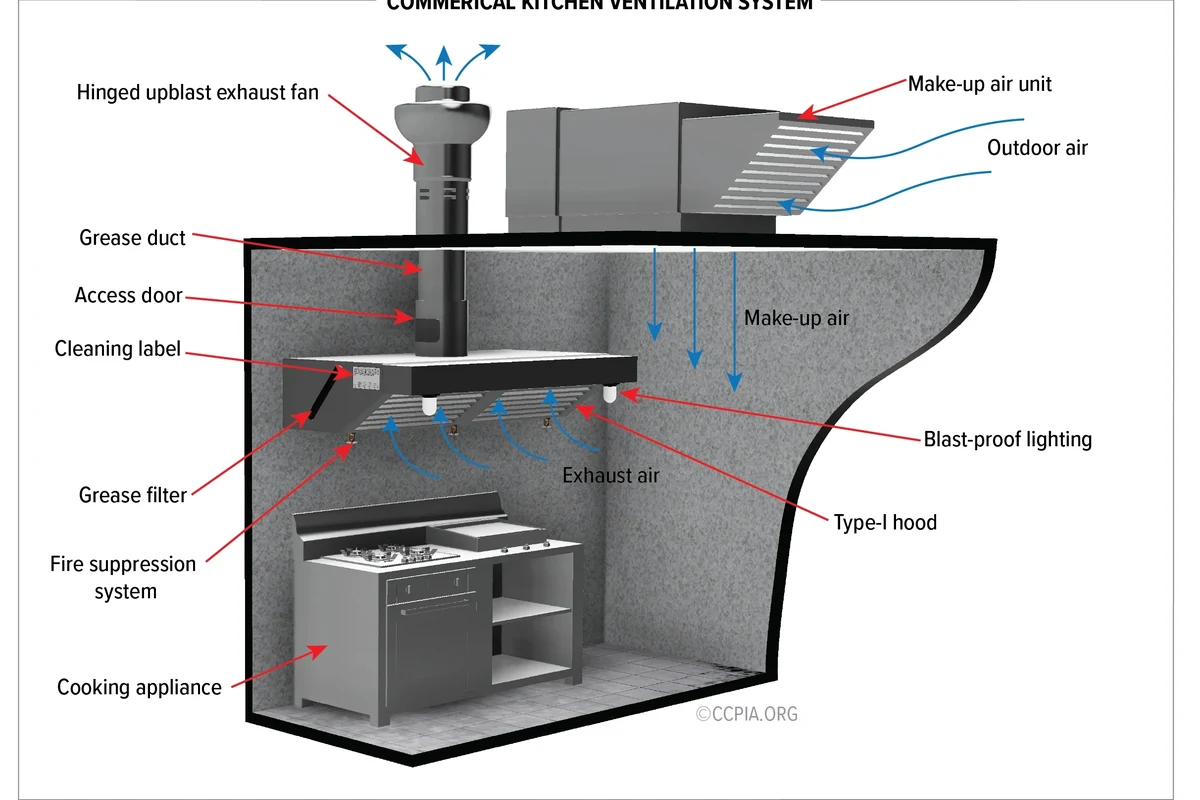
Air fryers move a lot of hot air in a small space, so the way that air escapes affects both cooking performance and kitchen comfort. When ventilation is poor, food can smoke more, the appliance may run hotter than intended, and the surrounding area can feel uncomfortably warm.
What readers are trying to solve: smoke, odors, heat buildup, and uneven crisping
Most people search for air fryer ventilation tips because they notice one or more of the same problems: smoke from fatty foods, lingering smells, hot cabinets, or food that browns unevenly. These issues are often related to airflow around the unit, not just the recipe itself.
Even a well-rated air fryer can struggle if it is boxed in on the counter or packed too close to walls. A little extra space and better kitchen airflow can make a noticeable difference in day-to-day use.
How poor airflow affects performance, appliance life, and kitchen air quality
Poor ventilation can trap heat around the appliance, which may stress internal parts over time. It can also allow grease particles and cooking odors to spread farther into the room, especially in smaller kitchens.
From a performance standpoint, blocked airflow can reduce crisping because hot air is not circulating as freely. That can leave fries softer, chicken less evenly browned, and baked items less consistent from one side to the other.
How Air Fryers Vent Heat and Air: Understanding the Basics
Air fryers use a heating element and fan to push hot air around the food, then release excess heat through vents. The exact path of that air depends on the model, which is why placement and clearance matter so much.
Exhaust placement, fan circulation, and where hot air escapes
Most air fryers pull cooler air in from one area and push hot air out through another. Many models vent from the back or top, but some release heat through side openings as well.
If those vents are blocked, the unit can recirculate too much hot air around its housing instead of moving it away from the appliance. That can increase surface temperatures and make the kitchen feel hotter than it should.
Differences between basket-style, oven-style, and dual-zone air fryers
Basket-style air fryers usually vent from the rear or upper section and need open space behind them. Oven-style models often have more exterior surface area and may release heat from the top, front, or rear depending on design.
Dual-zone and multi-basket models can produce more total heat because they are often larger and may run longer. They may also need more room around the sides to keep each cooking chamber operating efficiently.
Why manufacturer design and model size change ventilation needs
There is no single clearance rule that fits every air fryer. A compact unit may be fine with modest spacing, while a large-capacity model may need noticeably more room to breathe.
Manufacturer design also matters because some units run louder, hotter, or with more aggressive fan circulation than others. Always follow the user manual first, since brand and model differences can be significant.
Best Air Fryer Ventilation Tips for Home Kitchens
The best setup is usually simple: give the appliance room, keep it on a stable surface, and avoid trapping heat around it. Small changes in placement often solve the most common cooking complaints.
Placement rules: countertop clearance, wall distance, and overhead space
Leave enough space behind and beside the air fryer so hot air can escape freely. If the unit sits too close to a wall, backsplash, or cabinet, the exhaust can bounce back toward the machine and the surrounding surfaces.
Overhead space matters too, especially for oven-style units that vent upward. If you place one under low cabinets, you may trap rising heat and create a safety issue.
Using a stable, heat-resistant surface to prevent airflow blockage
Set the air fryer on a flat, heat-resistant counter or mat that does not sag under weight. Soft or uneven surfaces can block intake vents on the bottom or sides.
A stable base also helps the basket slide in and out smoothly, which matters when you are checking food or shaking fries. Better stability means less accidental shifting and fewer spills.
Managing nearby appliances, cabinets, and curtains safely
Keep dish towels, paper towels, curtains, and other loose items away from the exhaust path. These can absorb heat or be pulled toward the appliance if airflow is strong.
Also avoid crowding the area with coffee makers, toasters, or blender bases that may already warm the counter. A little separation helps each appliance vent properly and makes cleanup easier.
When to open windows, turn on range hoods, or use a fan
If you cook fatty foods, breaded items, or heavily seasoned ingredients often, extra kitchen ventilation can help. Opening a window or running a range hood may reduce lingering smoke and odors.
A small fan can help move air out of the room, but do not aim it so directly that it blows debris into the appliance or onto the cooking food. The goal is to improve room ventilation, not disturb the cooking cycle.
Model-Specific Setup: Matching Ventilation to Your Air Fryer Type
Different air fryer designs need different setup habits. The safest and most effective approach is to match your ventilation plan to the shape, size, and exhaust direction of your specific unit.
Compact air fryers vs. large-capacity models
Compact models usually fit better in smaller kitchens, but they can still overheat their immediate surroundings if placed too tightly. Because they are often used in apartments or dorm-style spaces, room airflow may be more limited.
Large-capacity models may move more air and create more heat, which means they often need a wider clear zone. If the appliance feels unusually warm outside, that is a sign it may need more breathing room.
Oven-style units and venting considerations for top-exhaust designs
Oven-style air fryers often have a broader footprint and may vent from the top or upper rear. That makes overhead clearance especially important.
If your model has top exhaust, avoid placing it directly under cabinets or shelves. Rising hot air can discolor finishes, warm nearby items, and make the appliance harder to cool down after use.
Dual basket and multi-rack models: spacing, heat zones, and smoke control
Dual basket and multi-rack designs can be convenient, but they can also create more localized heat zones. If one side is loaded with greasy food and the other is not, smoke and odor may build unevenly.
Give these larger models extra side clearance and avoid placing them in a tight corner. Better spacing helps both baskets or racks cook more consistently.
Checking the user manual for minimum clearance and airflow warnings
The manual is the best source for minimum clearance, ventilation warnings, and any special placement instructions. Some manufacturers are very specific about rear, side, and top spacing.
If the manual mentions not to use the appliance under cabinets or near curtains, take that seriously. Those warnings are usually based on heat and airflow behavior, not just general caution.
Practical Cooking Habits That Improve Airflow and Reduce Smoke
Ventilation is not only about where you place the appliance. Your cooking habits also affect how much smoke, steam, and grease the air fryer produces.
Preheating without trapping steam or grease
Preheating can help with crisping, but it should not be done in a cramped or closed-in spot. If the unit is boxed in, the initial heat burst has nowhere to go.
For foods with moisture on the surface, let excess water drip off before cooking. That reduces steam buildup and helps the hot air do its job more effectively.
Avoiding overcrowding to keep hot air moving freely
Overcrowding is one of the fastest ways to reduce airflow inside the basket. When food is stacked too tightly, hot air cannot reach all surfaces evenly.
Cook in batches if needed. You will usually get better browning, less sogginess, and less chance of smoke from food touching the heating area.
Using the right oil amount and coating technique
A light coating of oil is usually enough for most recipes. Too much oil can drip, pool, or aerosolize into smoke, especially at higher temperatures.
Use a spray or brush that creates an even coat instead of heavy pouring. The goal is just enough coverage to support browning without causing excess residue.
Cleaning crumb trays, baskets, and heating elements to prevent buildup
Built-up crumbs and grease are common causes of smoke. They can burn during the next cooking cycle and create odors that seem like a ventilation problem.
Regular cleaning also keeps fan paths and heating areas working as intended. Check the basket, tray, and any removable parts after greasy meals, and clean the interior when the appliance is fully cool.
Common Ventilation Mistakes That Cause Safety and Performance Problems
Most ventilation problems come from setup errors that are easy to avoid. A few small changes can improve both safety and cooking results.
Pushing the air fryer against a backsplash or under cabinets
This is one of the most common mistakes. It traps exhaust heat, increases surface temperatures, and can damage nearby finishes over time.
If your kitchen is tight, try rotating the appliance or moving it to a more open section of counter during use. Even a few inches can help.
Blocking intake or exhaust vents with towels, mats, or clutter
Never place towels, recipe cards, storage boxes, or loose accessories around the vents. These items can interrupt airflow and increase fire risk if they get too hot.
Heat-safe mats are fine when used correctly, but they should not cover vents or reduce the air gap under the appliance. Keep the airflow path clear at all times.
Ignoring smoke from fatty foods, marinades, or food residue
Foods with a lot of fat, sugar, or marinade residue tend to smoke more. That does not always mean the air fryer is broken, but it does mean you may need better room ventilation and a cleaner cooking chamber.
If smoke becomes frequent, reduce excess marinade, lower the temperature slightly, or use a drip tray if your model supports one. Cleaning residue before the next cook is often the simplest fix.
Using extension cords or unstable outlets that add heat and risk
Air fryers draw significant power, so they should be plugged into a suitable outlet whenever possible. Extension cords can add heat, create voltage drop, or become a trip hazard if the kitchen is busy.
If you have outlet concerns, contact a qualified electrician. Electrical safety is worth handling properly, especially with high-wattage countertop appliances.
Safety, Maintenance, and Cost-Saving Considerations
Better ventilation can improve safety, reduce cleaning time, and help your appliance last longer. It can also make the kitchen more comfortable during frequent cooking.
Heat, burn, and fire-prevention checks before each use
Before cooking, check that the vents are clear, the basket is seated correctly, and nothing flammable is nearby. Make sure the cord is not pinched or resting against a hot surface.
After cooking, let the unit cool fully before moving or cleaning it. The exterior, basket, and exhaust area can remain hot longer than expected.
How better ventilation can reduce cleaning time and extend appliance lifespan
When airflow is good, grease and smoke are less likely to settle on nearby surfaces and inside the appliance housing. That means less scrubbing later and fewer lingering odors.
Lower heat stress can also help internal components age more slowly. While no appliance lasts forever, good placement and cleaning habits can support more reliable use over time.
Low-cost upgrades: splatter guards, vent fans, and heat-safe mats
Some kitchens benefit from simple upgrades. A heat-safe mat can protect the counter, a splatter guard can reduce mess in certain setups, and a vent fan can help move cooking fumes out of the room.
Choose accessories carefully so they do not block vents or change how the appliance sits. The best accessory is one that improves safety without interfering with airflow.
When persistent smoke or overheating signals a faulty unit
If the air fryer smokes heavily even after cleaning and proper placement, the unit may have a mechanical or electrical issue. Repeated overheating, unusual smells, or inconsistent fan operation are also warning signs.
In that case, stop using it and review the manufacturer guidance. If the problem continues, contact the brand or a qualified appliance technician rather than trying to force the unit to keep working.
Final Recap: The Smartest Air Fryer Ventilation Setup for Everyday Cooking
The best air fryer ventilation setup is simple: give the appliance room to breathe, keep vents clear, and clean away grease before it becomes smoke. Those habits improve safety, reduce odor, and help food crisp more evenly.
Key takeaways on placement, airflow, cleaning, and safe operation
Place the air fryer on a stable, heat-resistant surface with enough space around the sides, back, and top. Avoid tight corners, low cabinets, blocked vents, and clutter that can trap heat.
Clean the basket, tray, and interior regularly, and pay attention to fatty foods or heavy marinades that can create extra smoke. If your kitchen runs warm, use room ventilation when needed.
Quick reminder of the most important ventilation habits for better results
If you remember only one thing, make it this: clear airflow equals safer cooking and better texture. Follow the manual, leave space around the unit, and adjust your kitchen setup when smoke or heat starts to build.
With the right air fryer ventilation tips, you can get crispier results, a cleaner kitchen, and a more dependable appliance over time.
Frequently Asked Questions
Most air fryers need open space on the sides, back, and top so hot air can escape. Check the user manual because clearance needs vary by model and design.
Smoke is often caused by excess oil, fatty foods, marinades, or leftover grease in the basket or heating area. Better ventilation and regular cleaning can reduce the problem.
Only if the manufacturer says it is safe and there is enough clearance for heat to escape. Many oven-style and top-exhaust models should not be used directly under low cabinets.
A small amount of oil can help with browning and texture, but too much can cause smoke. Use a light, even coating instead of pouring oil directly onto food.
Clean the basket, tray, crumb area, and any removable parts after greasy meals once the appliance is cool. Regular cleaning helps prevent buildup that can block airflow and create smoke.
An air fryer can heat up a smaller area faster, but it still needs good ventilation around the appliance. A full-size oven may spread heat differently, so the better choice depends on your kitchen space and cooking habits.