What Can I Use Instead of Tomato Paste Easy Substitutes

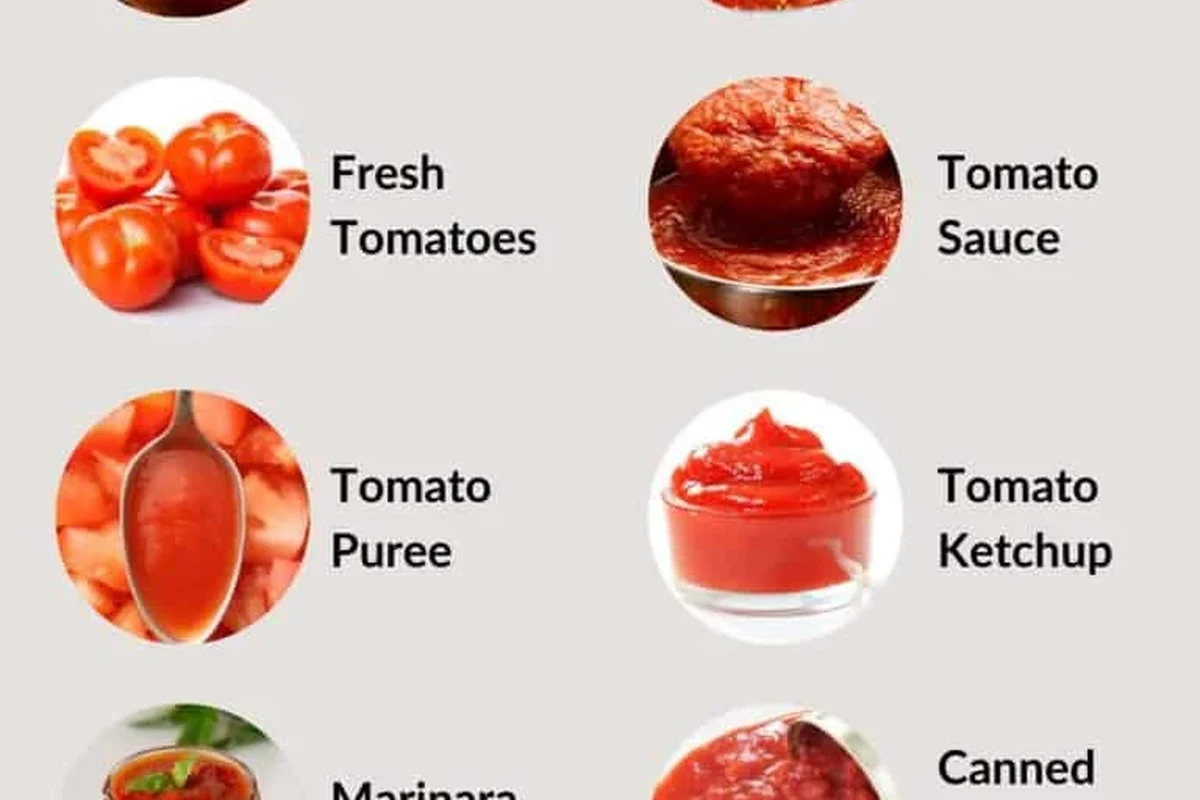
Tomato puree is the best all-around substitute for tomato paste. Tomato sauce, canned tomatoes, ketchup, and sun-dried tomatoes can also work, depending on the recipe.
If you need to know what can I use instead of tomato paste, the best answer is tomato sauce, tomato puree, or canned tomatoes. For a fast fix, ketchup can work too, but you’ll want to cut back on sugar and salt.
- Best overall: Tomato puree gives the closest mix of flavor and thickness.
- Fast backup: Tomato sauce works well if you simmer it down.
- Emergency swap: Ketchup can replace tomato paste in a pinch.
- Deep flavor: Sun-dried tomatoes add rich taste in small amounts.
What Can I Use Instead of Tomato Paste? Quick Answer and Best Picks
Tomato paste adds thick texture, deep tomato flavor, and a bit of body to a dish. That means the best swap depends on what the recipe needs most.
If you want the closest match, use tomato sauce or tomato puree and cook it down a little. If you need a pantry backup, ketchup or canned tomatoes can save dinner.
Think about the role tomato paste plays first. Is it there for thickness, color, or rich flavor?
Fast swaps for common recipes
For pasta sauce, tomato sauce is usually the easiest swap. For soups and stews, canned tomatoes often work well.
For a quick meal rescue, ketchup can stand in when you’re short on time. Just use less, since it brings extra sweetness and salt.
How tomato paste works in a dish
Tomato paste is not just tomato flavor. It also adds a dense texture and helps sauces taste fuller.
When you skip it, a dish can turn out thinner and less rich. That’s why many substitutes need a little simmer time.
Tomato paste is often made by cooking tomatoes down until much of the water is gone.
Best Tomato Paste Substitutes by Use Case
Different recipes call for different swaps. The best substitute for a pasta sauce may not be the best one for chili.
Tomato sauce
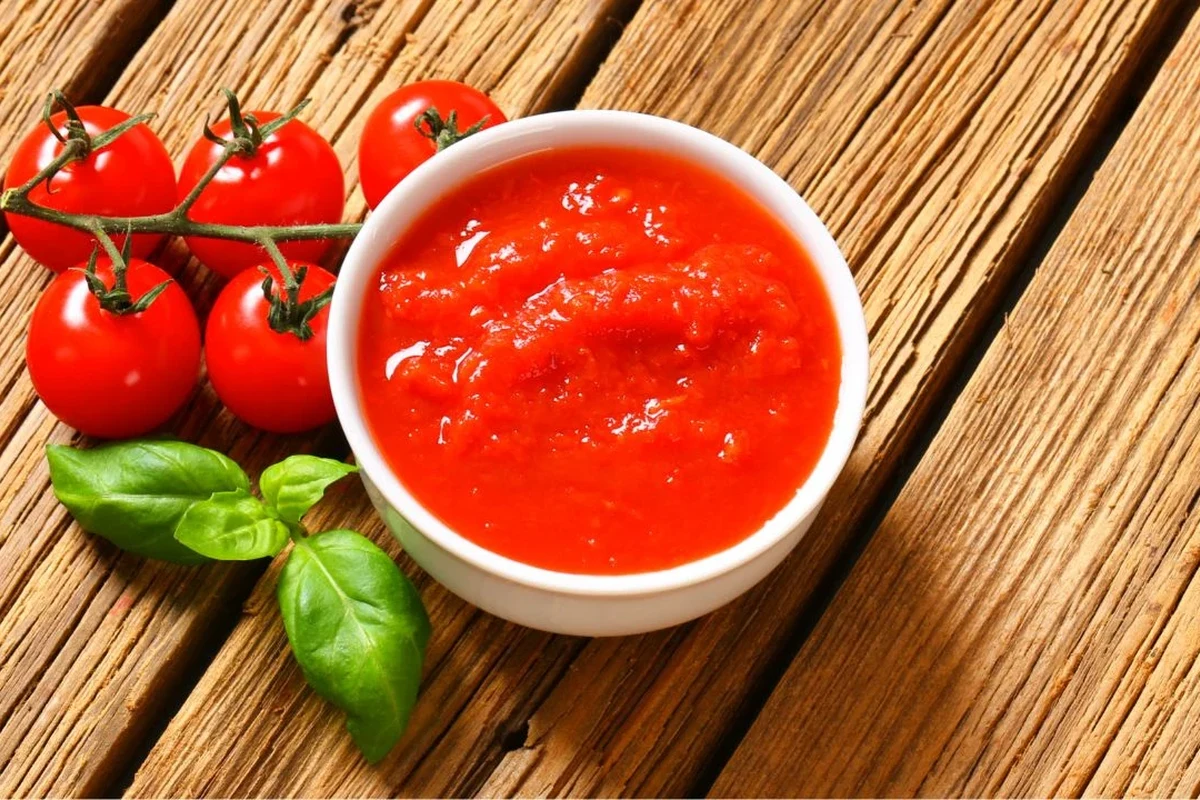
Tomato sauce is one of the best all-around substitutes. It has a familiar tomato taste and works in many cooked dishes.
Because it’s thinner, you may need to simmer it longer. That helps it thicken and taste richer.
Canned tomatoes
Canned tomatoes are a smart choice when you want fresh-tasting flavor. They work well in soups, stews, and long-simmered sauces.
Crush them or blend them first if you want a smoother result. Then cook them down to reduce extra liquid.
Tomato puree
Tomato puree sits between sauce and paste in texture. It gives you a strong tomato taste without being as thick as paste.
This makes it a useful swap when you want a smoother sauce. It’s especially handy in pasta dishes and braises.
Ketchup
Ketchup can work in a pinch, especially in small amounts. It already has tomato flavor, vinegar, sugar, and seasoning.
That said, it changes the flavor more than other swaps. Use it when you need convenience, not when you need a pure tomato taste.
Fresh tomatoes
Fresh tomatoes can replace tomato paste, but they need extra cooking. They bring bright flavor and work best in recipes with time to simmer.
Peel and chop them if you want a smoother sauce. Then cook them until they break down and thicken.
Sun-dried tomatoes
Sun-dried tomatoes give a deep, bold flavor. They work well when you want a richer, more intense tomato note.
Blend them with a little water or broth if needed. They can be strong, so start with a small amount.
Packaged tomato products vary a lot. Salt, sugar, and acidity can differ by brand and style.
How to Choose the Right Substitute
The best choice depends on how the recipe uses tomato paste. You also need to think about flavor, texture, and cooking time.
Flavor strength and thickness
Tomato paste gives strong flavor in a small spoonful. If your swap is thin, the dish may need more time on the stove.
Thicker options like puree work better when you want body. Thinner options like sauce need reduction.
Sweetness, salt, and acidity
Some substitutes taste sweeter than tomato paste. Ketchup is the biggest example.
Others may taste sharper or more acidic. Taste as you go and adjust slowly.
Recipe type and cooking time
Long-cooked dishes are easier to adapt. Soups, stews, and braises can handle extra liquid and simmer time.
Quick sauces need a closer match. For those, tomato puree or sauce usually gives the best result.
Ingredient Ratios and Simple Swap Guide
There is no perfect one-to-one replacement for every recipe. Still, a few simple ratios can help you cook with confidence.
How much to use for one tablespoon of tomato paste
For one tablespoon of tomato paste, start with about three tablespoons of tomato sauce or puree. Then simmer until it looks thicker.
For canned tomatoes, use a larger amount and reduce it well. For ketchup, start small and add more only if needed.
| Option | Best For | Key Consideration |
|---|---|---|
| Tomato sauce | Pasta, soups, casseroles | Thin at first, so simmer to thicken |
| Tomato puree | Most cooked dishes | Closer texture to paste |
| Canned tomatoes | Slow-cooked recipes | Needs blending and reduction |
| Ketchup | Emergency use | Sweeter and more seasoned |
How to adjust liquid, sugar, and seasoning
If your substitute is watery, reduce other liquids in the recipe. That keeps the final dish from turning thin.
If you use ketchup or a sweet sauce, skip extra sugar at first. Also taste before adding more salt.
- Simmer thin swaps to build body.
- Taste before adding sugar or salt.
- Blend chunky tomatoes for smoother sauces.
Benefits and Limits of Each Substitute
Each substitute brings a different mix of flavor, texture, and ease. Knowing the trade-offs helps you avoid a disappointing dish.
Best options for rich pasta sauces
Tomato puree is often the best middle-ground choice for pasta. It gives a smooth texture and a solid tomato base.
Tomato sauce also works well, especially if you can simmer it down. Sun-dried tomatoes bring the deepest flavor.
Best Options for Pasta Night
Pick the swap that gives your sauce the right body, not just the right color.
Best options for soups, stews, and casseroles
Canned tomatoes are a strong choice for hearty, slow-cooked meals. They melt into the dish and add good tomato flavor.
Tomato sauce and puree also fit well here. These dishes can handle a little extra liquid.
When a substitute may change the final dish
Some swaps change more than texture. Ketchup can make a sauce sweeter. Fresh tomatoes can make it brighter and lighter.
If the recipe depends on deep, concentrated flavor, the final dish may taste less rich. In that case, longer simmering helps a lot.
Common Mistakes to Avoid
A few small mistakes can make a substitute fail. The good news is they’re easy to avoid.
Using too much water
Thin substitutes need reduction. If you add too much water, the sauce can turn bland and loose.
Start with less liquid than you think you need. You can always add more later.
Ignoring salt and sugar in packaged swaps
Packaged tomato products often already contain salt or sugar. That includes ketchup and some sauces.
Check the taste before seasoning the dish again. Otherwise, you may overdo it.
Choosing a substitute that is too mild
Some tomatoes taste soft and light. That can leave a sauce flat if the recipe needs bold flavor.
If that happens, simmer longer or add a stronger tomato product. Sun-dried tomatoes can help in small amounts.
Always follow safe food storage rules. If a tomato product smells off, looks moldy, or shows can damage, toss it.
Safety, Storage, and Value Tips
Tomato products are easy to store, but they still need care. Good storage saves money and helps avoid waste.
How to store opened tomato products
Move opened tomato paste, sauce, or puree into a clean, covered container if needed. Then refrigerate it promptly.
Use clean utensils each time you scoop some out. That helps keep the rest fresh longer.
When to toss expired jars or cans
Throw away cans that are swollen, leaking, or badly dented. Also discard jars with broken seals or strange smells.
When in doubt, follow the package date and official food safety guidance. Safety matters more than saving a small amount.
Budget-friendly choices for home cooks
Canned tomatoes and tomato sauce are often the best value for many households. They stretch well in pasta, soup, and stew.
Ketchup is cheap and easy to keep on hand, but it should stay an emergency backup. It’s not the best choice for every recipe.
Final Recommendation: The Best Tomato Paste Substitute for Your Kitchen
The best substitute depends on the dish, but tomato puree is the most reliable all-around choice. It gives you good flavor, decent thickness, and easy use in many recipes.
If you need the fastest fix, tomato sauce is the simplest pantry swap. If you want the deepest flavor, reach for sun-dried tomatoes.
Best all-around choice
Choose tomato puree when you want a balance of texture and taste. It works well in pasta sauces, casseroles, and cooked dishes.
Best emergency swap
Choose ketchup when you need something right now. Just use less, then taste and adjust carefully.
Best choice for deeper flavor
Choose sun-dried tomatoes when you want a rich, bold tomato note. They can make a dish taste fuller with only a small amount.
If you’re asking what can I use instead of tomato paste, start with tomato puree or tomato sauce. Use ketchup only as a backup, and use sun-dried tomatoes when you want the strongest flavor.
Frequently Asked Questions
Tomato puree is usually the best all-around substitute. Tomato sauce also works well if you simmer it to thicken.
Yes, but only as a backup. Ketchup is sweeter and more seasoned, so use less and adjust salt and sugar carefully.
Start with about three tablespoons of tomato sauce for one tablespoon of tomato paste. Then simmer it down until it looks thicker.
Yes, especially in soups, stews, and slow-cooked sauces. Blend or crush them first, then cook off extra liquid.
Sun-dried tomatoes usually give the deepest flavor. They are strong, so start with a small amount and blend or chop them well.
Often, yes. Some swaps add sweetness, extra salt, or more liquid, so taste and adjust as you cook.